
 Worksheets
EXERCISE 2
Total questions: 150
Worksheet time: 3hrs 39mins
Name
Class
Date
1.
What are the three states of matter?
a)
solid, volume, mass
b)
density, volume, mass
c)
solid, liquid, gas
d)
density, gas, volume
2.
Something that takes up space and has mass.
a)
volume
b)
matter
c)
mass
d)
density
3.
A state of matter that has a definite volume and shape.
a)
solid
b)
liquid
c)
gas
d)
matter
4.
A measure of how much mass is contained in a given unit of volume.
a)
mass
b)
density
c)
volume
d)
matter
5.
The amount of space something takes up
a)
density
b)
volume
c)
mass
d)
matter
6.
Shape is a ____ that helps identify an object.
a)
physical property
b)
chemical property
c)
mass
d)
matter
7.
Iron + oxygen = rust is an example of a ___________.
a)
physical property/change
b)
chemical property/change
c)
mass
d)
volume
8.
A watermelon has more matter than a grape, so it has more
a)
mass
b)
eat
c)
solid
d)
greater
9.
You can measure ______ with grams.
a)
mass
b)
volume
c)
conductivity
d)
melting point
10.
The ability of a metal to allow heat or electricity to pass through it.
a)
conductivity
b)
insulator
c)
mass
d)
density
11.
What is one way matter change states?
a)
matter loses mass
b)
heat is added
c)
it doesn't change
d)
by doing nothing
12.
At 32 degrees Fahrenheit, water _________.
a)
evaporates
b)
boils
c)
freezes
d)
remains the same
13.
Water in the form of a gas is called _________.
a)
water vapor
b)
gasoline
c)
ice
d)
liquid
14.
__________ are the building blocks of life.
a)
solids
b)
gases
c)
atoms
d)
nutrients
15.
Solids have a definite _______________.
a)
smell
b)
shape
c)
picture
d)
sound
16.
Water in its solid form is _____________.
a)
a vapor
b)
ice
c)
a liquid
d)
boiling
17.
At 212 degrees Fahrenheit, water __________________.
a)
freezes
b)
stays the same
c)
boils
d)
turns to Coke
18.
When a solid is turned into a liquid, the solid _______________.
a)
melts
b)
freezes
c)
turns into a gas
d)
floats
19.
The amount of matter something contains is its ______________.
a)
gas
b)
solid
c)
weight
d)
mass
20.
______________ + heat = water vapor
a)
liquid
b)
solid
c)
gas
21.
Volume is ______________.
a)
length X width
b)
height X length
c)
length X width X height
d)
width X height
22.
What is the measure of gravity on an object?
a)
matter
b)
mass
c)
weight
d)
volume
23.
Which of the following is a part of the water cycle?
a)
evaporation
b)
condensation
c)
precipitation
d)
all of the above
24.
Example for Physical Property
a)
Taste
b)
explodes
25.
A physical property can be observed with your
a)
Eyes
b)
Ears
c)
Tastes
d)
All of the above
26.
What causes a change in the state of matter?
a)
physical properties
b)
chemical energy
c)
temperature
27.
Changing the way matter looks without changing it into NEW matter is a:
a)
Chemical change
b)
Physical change
c)
Energy change
d)
BOTH a chemical and a physical change
28.
Which of the following could be a characteristic that changes in matter during a PHYSICAL CHANGE?
a)
Size
b)
State
c)
Texture
d)
All of the above
29.

The diagram shows a graduated cylinder containing water. From which position will the most accurate measure of the volume of water be made?
a)
Position 1
b)
Position 2
c)
Position 3
d)
Position 4
30.

A student conducted an experiment on the dissolving rates of sugar in four different temperatures of water. What is missing from the figure?
a)
Units of measurement for the water temperature.
b)
Units of measurement for the dissolving rates
c)
Units of measurement for the amount of sugar
d)
Units of measurement for the amount of water
31.

The summary at the end of an experiment that explains the results.
a)
conclusion
b)
procedures
c)
materials
d)
responding variable
32.
A possible explanation to a problem that has not yet been tested.
a)
data
b)
theory
c)
hypothesis
d)
fact
33.
The name of the information that you get from your experiment (you organize it into charts and graphs).
a)
observations
conclusion
conclusion
b)
data
c)
variables
d)
hypothesis
34.

Which of these is the best tool to use when measuring the water depth at the edge of a pond?
a)
F
b)
G
c)
H
d)
J
35.
Which of the following do all living things need to survive?
a)
oxygen
b)
water
c)
sunlight
d)
carbon dioxide
36.
What is taxonomy?
a)
the process used by geologists to classify rocks
b)
the scientific study of how living things are classified
c)
the name of Aristotle's classification system
d)
the process of observing an organism's behavior
37.
What is the difference between asexual and sexual reproduction?
a)
Asexual requires 1 parent while sexual require 2 parents.
b)
Asexual requires 2 parents while sexual requires 1 parent.
c)
Asexual produces 2 offspring while sexual produces 1 offspring.
d)
Asexual produces 1 offspring while sexual produces 2 offspring.
38.
A change in an organism's surroundings that causes it to react is called
a)
a stimulus.
b)
a response.
c)
development.
d)
energy.
39.
What is the most abundant chemical found in living cells?
a)
carbohydrates
b)
water
c)
proteins
d)
nucleic acids
40.
A plant grows toward the light. The plant's action is an example of
a)
reproduction.
b)
a response.
c)
a stimulus.
d)
development.
41.
The source of energy for most autotrophs is
a)
heterotrophs.
b)
the sun.
c)
water.
d)
other autotrophs.
42.
An organism that makes its own food is called a(n)
a)
eukaryote
b)
heterotroph
c)
prokaryote
d)
autotroph
43.

The deer in this diagram is a
a)
consumer
b)
producer
c)
carnivore
d)
predator
44.
Animals get their energy by
a)
photosynthesis
b)
capturing sunlight
c)
eating other organisms
d)
sleeping
45.

Which of these is a predator?
a)
Rabbit
b)
Grass
c)
Mouse
d)
Fox
46.
Which of these is a product of photosynthesis?
a)
sunlight
b)
carbon dioxide
c)
sugar
d)
water
47.
The process of using sunlight to produce sugar from carbon dioxide and water is called _____.
a)
photosynthesis.
b)
reproduction.
c)
rotation.
d)
the water cycle.
48.
an animal that hunts another animal for food
a)
prey
b)
predator
c)
herbivore
d)
producer
49.
Which organism (living thing) obtains energy in the same way as a tree?
a)
lizard
b)
field mouse
c)
grass
d)
jack rabbit
50.
the animal that is eaten by the predator
a)
prey
b)
producer
c)
carnivore
d)
lunch
51.
an organism that produces its own food to get energy
a)
consumer
b)
predator
c)
carnivore
d)
producer
52.
an organism that must eat other organisms to get energy
a)
a runner
b)
photosynthesis
c)
a producer
d)
a consumer
53.
Plants are
a)
consumers.
b)
producers.
c)
carnivores.
d)
omnivores.
54.

Which organism must make its own food to get energy?
a)
duck
b)
water lily
c)
dragonfly
d)
sunfish
55.

Which set of organisms can all make their own food?
a)
Dandelion, Mouse, Water Lily
b)
Beetle, Apple Tree, Goldfish
c)
Dandelion, Apple Tree, Water Lily
d)
Mouse, Beetle, Goldfish
56.

a graphic model that shows the many interdependent food chains within a community
a)
food chain
b)
food city
c)
food web
d)
food art
57.

a graphic model of a single path of energy in a community
a)
food chain
b)
food web
c)
food menu
d)
food court
58.

animals without a backbone
a)
invertebrate
b)
vertebrates
c)
producer
d)
consumer
59.
animals with a backbone
a)
vertebrates
b)
invertebrate
c)
consumers
d)
producers
60.
Mammals and Birds are warm-blooded. Reptiles, Amphibians, Fish, and Insects are cold-blooded.
a)
True
b)
False
61.
Animals whose body temperature stays the same are called
a)
warm-blooded.
b)
cold-blooded.
62.
Animals whose body temperature changes with the temperature of the environment are called
a)
warm-blooded.
b)
cold-blooded.
63.
1. need energy to survive
2. grow and change
3. reproduce
4. respond to their environment
2. grow and change
3. reproduce
4. respond to their environment
a)
characteristics of the Solar System
b)
characteristics of the sun
c)
characteristics of living things
d)
characteristics of rocks and minerals
64.
Fish breathe with
a)
lungs.
b)
their skin.
c)
gills.
d)
trachea.
65.
Birds breathe with
a)
lungs.
b)
their skin.
c)
trachea.
d)
gills.
66.
Animals are
a)
Producers.
b)
Consumers.
67.
Consumers (animals) that eat only meat are called
a)
carnivores.
b)
herbivores.
c)
omnivores.
d)
decomposers.
68.
Consumers (animals) that eat only plants are called
a)
carnivores.
b)
omnivores.
c)
herbivores.
d)
decomposers.
69.
Organisms that eat dead plants and animals are called
a)
scavengers and decomposers
b)
producers and consumers
c)
predator and prey
d)
herbivores and carnivores
70.
"Organism" is the scientific word for
a)
plants only.
b)
the sun, wind, and water.
c)
living things.
d)
animals only.
71.
The place where an organism lives is called its?
a)
Home
b)
Habitat
c)
Area
d)
Shelter
72.
The biomolecule that is abundant in potatoes is
a)
protein
b)
lipid
c)
carbohydrate
73.
The life process about eating is
a)
interaction
b)
reproduction
c)
nutrition
74.
The key element of organic matter is
a)
oxygen
b)
carbon dioxide
c)
water
d)
carbon
75.
The nutrition that needs to eat another living thing is
a)
autotroph
b)
heterotroph
c)
carnivore
d)
vegetarian
76.
The ____________ is the energy that flows from the battery, through the wire in it’s path through the circuit.
a)
Electric Current
b)
Conductor
c)
Electromagnet
d)
Insulator
77.

Is the circuit pictured complete or incomplete?
a)
Complete
b)
Incomplete
78.

What is the power source for this circuit?
a)
Battery
b)
Electric socket
c)
Wires
d)
Magic
79.

The red and black plastic wire coverings are excellent ______.
a)
Conductors
b)
Insulators
c)
Currents
d)
Magnets
80.

) What would happen if an extra battery cell is added?
a)
A)The lights will glow dim
b)
The wire will glow
c)
The lights will glow brighter
d)
None of the above
81.

Which of the following does not conduct electricity?
a)
gloves
b)
penny
c)
paper clip
d)
key
82.
A flow of electrons through a conductor is called:
a)
A river
b)
A spark
c)
An electron flow
d)
A current
83.

What kind of circuit is this?
a)
series
b)
parallel
84.
A material in which electrons are able to move easily
a)
Circuit
b)
Insulator
c)
Resistance
d)
Conductor
85.
A material in which electrons are not able to move easily
a)
Circuit
b)
Insulator
c)
Resistance
d)
Conductor
86.
To complete a circuit the switch must be
a)
unattached
b)
open
c)
closed
87.
Two types of circuits are
a)
parallel and magnetic
b)
electromagnetic and series
c)
series and parallel
88.
An example of a parallel circuit is
a)
the wiring in a house
b)
a flashlight
c)
a single circular path
89.
Two batteries in a circuit make the lights in the circuit brighter than one battery.
a)
true
b)
false
90.
measure of electric current
a)
watt
b)
ohm
c)
volt
d)
amp
91.
the type of current that is used in outlets
a)
apparating current
b)
diverting current
c)
AC
d)
DC
92.
measure of resistance
a)
watt
b)
ohm
c)
volt
d)
amp
93.
measure of power
a)
watt
b)
ohm
c)
volt
d)
amp
94.
Electricity is the flow of ______.
a)
electrons
b)
protons
c)
neutrons
d)
atoms
95.
What causes lightning?
a)
A similarity in electrical charge.
b)
Electrons flowing through a conductor.
c)
A difference in electrical charge.
d)
Raindrops conducting electricity from the clouds to the ground.
96.
In most electrical circuits, the pathway is made of:
a)
Wood
b)
Plastic
c)
Metal
d)
Static
97.
What are the three components of a circuit?
a)
Pathway, Source, and Battery.
b)
Energy source, Conductor, and Receiver.
c)
Battery, Bulb, and Plastic.
d)
Wire, Electron, and Charge.
98.
What are the two poles of a magnet called?
a)
North and South
b)
East and West
c)
Up and Down
d)
Red and Blue
99.

Which statement is true?
a)
The light bulb will light up because the circuit is complete.
b)
The light bulb will light up because the circuit is broken.
c)
The light bulb will not light up because the circuit is complete.
d)
The light bulb will not light up because the circuit is broken.
100.
Which best describes a parallel circuit?
a)
Electricity flows along one pathway.
b)
The flow of electricity comes from one source.
c)
Electricity flows along more than one pathway.
d)
The flow of electricity comes from more than one source.
101.
Metals such as copper, iron, gold, and silver are ...
a)
conductors
b)
brittle
c)
insulators
d)
resistors
102.

What types of charges attract?
a)
Positive and Positive
b)
Positive and Neutral
c)
Negative and Neutral
d)
Positive and Negative
103.
A ________________ circuit has more than one path for energy to follow.
a)
series
b)
parallel
104.

The chewing and grinding of food into smaller pieces is an example of...
a)
Mechanical Digestion
b)
Chemical Digestion
105.

What is one secondary (helper) organ of the digestive system?
a)
Small Intestine
b)
Esophagus
c)
Gallbladder
d)
Stomach
106.

Bile is made by which digestive organ?
a)
Gallbladder
b)
Stomach
c)
Rectum
d)
Liver
107.

Which digestive organ makes digestive juices to help the small intestine absorb nutrients?
a)
Liver
b)
Gallbladder
c)
Pancreas
d)
Esophagus
108.

Nutrients from digested food are absorbed in which digestive organ?
a)
Small Intestine
b)
Stomach
c)
Large Intestine
d)
Gallbladder
109.

Number 4 is pointing to the....
a)
Anus
b)
Rectum
c)
Large Intestine
d)
Small intestine
110.

Number 5 is pointing to the...
a)
Liver
b)
Gallbladder
c)
Pancreas
d)
Stomach
111.

Number 3 is pointing to the...
a)
Small intestine
b)
Rectum
c)
Large intestine
d)
Stomach
112.

Which organ pushes food down to the stomach?
a)
Mouth
b)
Esophagus
c)
Rectum
d)
Large intestine
113.

As waste moves through the digestive system, the ______ absorbs water before storing waste in the rectum.
a)
Small intestine
b)
Stomach
c)
Esophagus
d)
Large intestine
114.
What is the substance found in the stomach that allows for chemical digestion to take place?
a)
Gastric Juices
b)
Saliva
c)
Bile
115.
Which is NOT a function of the Digestive System?
a)
To rid the body of solid waste
b)
Absorb nutrients for energy & growth
c)
Break down nutrients from food
d)
Pump blood around the body
116.

Which secondary organ makes digestive juices like insulin to help absorb food in the small intestine?
a)
Large intestine
b)
Pancreas
c)
Liver
d)
Gallbladder
117.
Gastric juices in the stomach digest food into a thick liquid. This is...
a)
Mechanical digestion
b)
Chemical digestion
118.
Enzymes (chemicals) in your saliva help break down food while chewing. This is...
a)
Mechanical digestion
b)
Chemical digestion
119.
Small muscular pouch responsible for storing bile
a)
pancreas
b)
mechanical
c)
amylase
d)
gallbladder
120.
Muscular tube that connects the mouth to the stomach
a)
Epiglottis
b)
Peristalsis
c)
Stomach
d)
Esophagus
121.
Type of digestion in the stomach:
a)
Mechanical
b)
Chemical
c)
Both
122.

What is "B"?
a)
Pharynx
b)
Mouth
c)
Esophagus
d)
Epiglottis
123.
A flat sloping surface that connects lower and higher elevations. It makes raising objects easier.
a)
wedge
b)
screw
c)
lever
d)
inclined plane
124.
An inclined plane wrapped around a rod forms this simple machine
a)
lever
b)
pulley
c)
screw
d)
wedge
125.
An axe is an example of a
a)
pulley
b)
inclined plane
c)
screw
d)
wedge
126.
A seesaw is an example of a
a)
wedge
b)
lever
c)
inclined plane
d)
pulley
127.
A device that has two or more simple machines working together
a)
fulcrum
b)
pulley
c)
compound (complex) machine
d)
motor
128.

Stairs
a)
wedge
b)
pulley
c)
inclined plane
d)
wheel and axle
129.

Lightbulb
a)
wedge
b)
pulley
c)
incline plane
d)
screw
130.
Which is not a type of simple machine?
a)
spring
b)
screw
c)
pulley
d)
wedge
131.
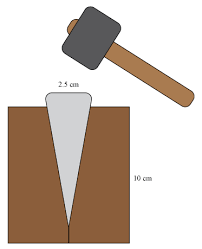
This device
a)
wedge
b)
lever
c)
incline plane
d)
wheel and axle
132.
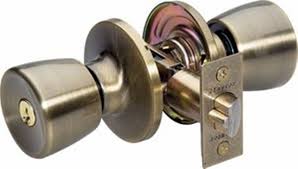
What type of simple machine is this?
a)
wheel and axle
b)
gear
c)
lever
d)
inclined plane
133.
The fixed point on the lever is called
a)
load
b)
resistance
c)
bar
d)
fulcrum
134.
The transfer of energy that occurs when a force makes an object move is known as
a)
effort
b)
potential
c)
kinetic
d)
work
135.

Identify this simple machine
a)
Lever
b)
Wheel & Axle
c)
Inclined Plane
d)
Screw
136.
Two examples of a pulley...
a)
knife & axe blade
b)
lightbulb & screw
c)
flagpole hoist & window blinds
d)
catapult & teeter totter
137.
What is an example of a wedge?
a)
door stop
b)
Your hair
c)
curtain
d)
wood screw
138.
What does magnetic mean?
a)
means attracted to a magnet
b)
a machine with few or no moving parts
c)
stiff bar that rests on a fulcrum
d)
an inclined plane that is wrapped around an axle
139.
What is a machine?
a)
Mrs. Herman
b)
Ms. Putirskis
c)
Mrs. Brose
d)
a tool that makes work easier
140.
What is an inclined plane?
a)
wheels that turn on a post
b)
made from two or more simple machines
c)
flat surface that is higher at one end
d)
uses a wheel and a rope to lift a load
141.
What is gravity?
a)
A mythical creature that only comes out at night.
b)
A force that pulls all objects off the Earth.
c)
A force that pulls all objects down to the earth.
d)
The energy needed to make an object move.
142.

Name this simple machine.
a)
Lever
b)
Wedge
c)
Pulley
d)
Inclined Plane
143.

Name this simple machine.
a)
Inclined Plane
b)
Lever
c)
Pulley
d)
Wedge
144.
Which choice is an example of a pulley?
a)
Axe
b)
Seesaw
c)
Crane
d)
Tunnel
145.
Define the term 'balanced diet'.
a)
A diet containing some nutrients in the correct proportions.
b)
A diet containing most nutrients in the correct proportions.
c)
A diet containing none nutrients in the correct proportions.
d)
A diet containing all nutrients in the correct proportions.
146.
Which component of a healthy, balanced diet helps with constipation?
a)
Fibre
b)
Fats
c)
Minerals
d)
Protein
147.
Which component of a healthy, balanced diet provides energy?
a)
Minerals
b)
Proteins
c)
Carbohydrates
d)
Vitamins
148.
Chicken, fish and meat contain which nutrient?
a)
Protein
b)
Carbohydrate
c)
Fats
d)
Minerals
149.
Why do we need a balanced diet?
a)
The body needs nutrients for speed and height
b)
The body needs nutrients for energy, growth and repair
c)
to provide energy
d)
To have better outlook
150.
Males usually require more energy than females because they tend to be more
a)
Aggressive
b)
Heavily built
c)
sleepy
d)
active
100 %

