
 Worksheets
Astronomy Common Assessment Review (Part 1)
Total questions: 145
Worksheet time: 4hrs 56mins
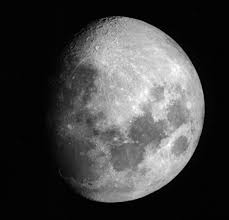
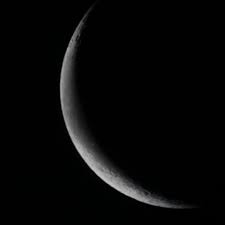
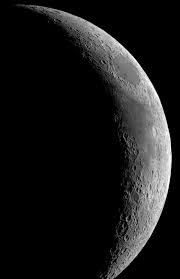
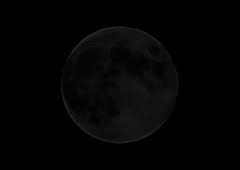
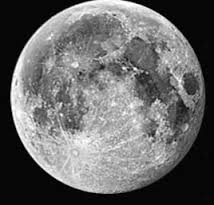
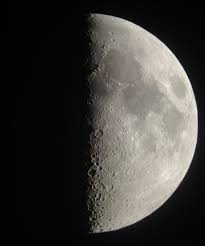
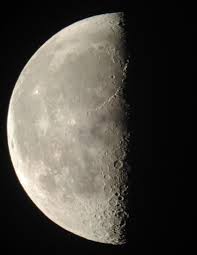


The moon is a _____.
Satellite
Star
Planet
Moon
Other Planet
It takes the moon ABOUT how long to go through its phases
a year
a day
a month
a week
The earth and moon both ______ around the sun
revolve
drive
rotate
dance


What phase of the moon is this?
Waxing Gibbous
Waning Gibbous
Waxing crescent
Waning crescent
What makes it possible for you to see the surface of the moon from Earth?
The moon gives off its own light.
Light from Earth is reflected by the moon’s surface.
Light from the sun is reflected by the moon’s surface.
The moon absorbs sunlight during the day and glows at night.

Name the phase
First Quarter
Waxing Crescent
New
Waxing Gibbous

Name this phase
Full
Waning Gibbous
Third Quarter
Waning Crescent

Name the phase
First Quarter
Waxing Crescent
New
Waxing Gibbous
What eclipse is the order Sun-Moon- Earth
Solar Eclipse
Lunar Eclipse
Umbra
Penumbra
What eclipse happens less often
Solar Eclipse
Lunar Eclipse
Umbra
Penumbra
This Eclipse happens during a full moon
Solar Eclipse
Lunar Eclipse
Umbra
Penumbra
Darker part of an eclipse
Solar Eclipse
Lunar Eclipse
Umbra
Penumbra
Happens more often
Solar Eclipse
Lunar Eclipse
Umbra
Penumbra
Lighter part of an eclipse
Solar Eclipse
Lunar Eclipse
Umbra
Penumbra
Many people on Earth may see this type of an eclipse
Solar Eclipse
Lunar Eclipse
Umbra
Penumbra
What eclipse is the order Sun-Earth- Moon
Solar Eclipse
Lunar Eclipse
Umbra
Penumbra
Few people on Earth may see this type of an eclipse
Solar Eclipse
Lunar Eclipse
Umbra
Penumbra
This Eclipse happens during a new moon
Solar Eclipse
Lunar Eclipse
Umbra
Penumbra

What type of eclipse is this an example of?
Lunar Eclipse
Solar Eclipse

What type of eclipse is this an example of?
Lunar Eclipse
Solar Eclipse
How many types of Lunar Eclipses are there?
a) Three
b) One
c) Two
d) Four
What is a Solar Eclipse?
a) When the moon is covered by the sun
b) When the sun is covering the moon
c) When earth covers the moon from the sun
d) When the sun is covered by the moon
What type of eclipse occurs when the moon blocks the sun's light and cast a shadow on earth?
a) Solar
b) Lunar
Which of the following is NOT true about a Total Solar Eclipse?
a) It can be viewed from every spot on earth
b) It is dangerous to look at without the proper device
c) You must be within the earth's penumbra
d) You must be within the moon's umbra to see it

What moon phase occurs during a Solar Eclipse?
a) Waxing gibbous
b) New moon
c) 1st quarter
c) Full moon
What moon phase occurs during a Lunar Eclipse?
a) Full moon
b) New moon
c) 3rd quarter
d) Waxing crescent

For a solar eclipse to occur, the alignment must be ?
none of the above
Sun, moon, Earth
Earth, sun, moon
sun, Earth, moon
What eclipse is the order Sun-Moon- Earth
Solar Eclipse
Lunar Eclipse
Umbra
Penumbra
What eclipse happens less often
Solar Eclipse
Lunar Eclipse
Umbra
Penumbra
This Eclipse happens during a full moon
Solar Eclipse
Lunar Eclipse
Umbra
Penumbra
Darker part of an eclipse
Solar Eclipse
Lunar Eclipse
Umbra
Penumbra
Happens more often
Solar Eclipse
Lunar Eclipse
Umbra
Penumbra
Lighter part of an eclipse
Solar Eclipse
Lunar Eclipse
Umbra
Penumbra
Many people on Earth may see this type of an eclipse
Solar Eclipse
Lunar Eclipse
Umbra
Penumbra
What eclipse is the order Sun-Earth- Moon
Solar Eclipse
Lunar Eclipse
Umbra
Penumbra
Few people on Earth may see this type of an eclipse
Solar Eclipse
Lunar Eclipse
Umbra
Penumbra
This Eclipse happens during a new moon
Solar Eclipse
Lunar Eclipse
Umbra
Penumbra
What type of eclipse is this an example of?
Lunar Eclipse
Solar Eclipse
What type of eclipse is this an example of?
Lunar Eclipse
Solar Eclipse
How many types of Lunar Eclipses are there?
a) Three
b) One
c) Two
d) Four
What is a Solar Eclipse?
a) When the moon is covered by the sun
b) When the sun is covering the moon
c) When earth covers the moon from the sun
d) When the sun is covered by the moon
What type of eclipse occurs when the moon blocks the sun's light and cast a shadow on earth?
a) Solar
b) Lunar
Which of the following is NOT true about a Total Solar Eclipse?
a) It can be viewed from every spot on earth
b) It is dangerous to look at without the proper device
c) You must be within the earth's penumbra
d) You must be within the moon's umbra to see it
What moon phase occurs during a Solar Eclipse?
a) Waxing gibbous
b) New moon
c) 1st quarter
c) Full moon
What moon phase occurs during a Lunar Eclipse?
a) Full moon
b) New moon
c) 3rd quarter
d) Waxing crescent
For a solar eclipse to occur, the alignment must be ?
none of the above
Sun, moon, Earth
Earth, sun, moon
sun, Earth, moon
For a solar eclipse to occur, the alignment must be ?
none of the above
Sun, moon, Earth
Earth, sun, moon
sun, Earth, moon

During what phase of the moon can a lunar eclipse occur?
waxing gibbous
first quarter
new moon
full moon

You are less likely to see a total solar eclipse than a total lunar eclipse because
new moon phases occur less often than full moon phases.
the moon's shadow covers all of Earth during a solar eclipse.
only people on the daytime side of Earth can see a solar eclipse.
the moon's umbra only covers a small area on Earth's surface.

A total solar eclipse is visible from
only within the moon's penumbra.
only within the moon's umbra.
only the dark side of Earth.
all over Earth.

During a total lunar eclipse, an observer on Earth would see
a new moon.
a first quarter moon.
no change in the moon's brightness.
the moon turning a red color.

the moon turning a red color.
almost the same length as a solar eclipse.
shorter than a solar eclipse.
none of the above.
longer than a solar eclipse.
The red color during a lunar eclipse is due to
dust in the Earth's atmosphere
dust in space
dust from Mars
dust in the moon's atmosphere

What is the correct alignment during a total lunar eclipse?
sun , Earth, moon
none of the above
Earth, sun, moon
Sun, moon, Earth
The moon's orbit is tilted about _____ degrees relative to Earth's orbit around the sun.
5
23.5
27.3
29.5

The part of the shadow surrounding the darkest part of the shadow is called the
axis
umbra
penumbra
orbit

Use the diagram to find where winter is on the northern and southern hemisphere?
CE
AG
EG
EC

What letters show you Summer for the northern and southern hemisphere?
AG
BH
CE
DF
Why does the earth experience day and night?
Earth is rotating around the sun.
Earth is rotating around the sun and moon.
Earth makes one full rotation on its axis every 24 hours.
Earth makes one full revolution around the sun in 365 days.

What season is represented in the northern hemisphere?
Fall
Winter
Spring
Summer

What season is represented in the southern hemisphere?
Summer
Winter
Fall
Spring

What season will come next in the norther hemisphere?
Summer
Winter
Spring
Fall

What season will it be in the southern hemisphere in 6 months?
Summer
Spring
Fall
Winter

Which hemisphere will experience shorter days and longer nights?
Northern
Southern

What will the south pole have in this diagram?
50% daylight and night
100% night
100% daylight
How does the revolution of the Earth around the Sun cause the seasons to change?
Earth rotates in 24 hours.
Earth always tilts in the same direction and receives direct or indirect sunlight on a specific hemisphere as it moves around the sun.
Earth revolves around the moon every 30 days.
The sun revolves around the sun every 365 days.


What is the name for the first day of summer?
Summer Equinox
Summer Solstice
What is the name for the first day of fall?
Fall Equinox
Fall Solstice
What is the name for the first day of winter?
Winter Equinox
Winter Solstice
What is the name for the first day of spring?
Spring Equinox
Spring Solstice
What is special about the length of daylight on the spring equinox?
Day and night are equal
Longest day of the year
Shortest day of the year
What is special about the length of daylight on the fall equinox?
Day and night are equal
Longest day of the year
Shortest day of the year
What is special about the length of daylight on the summer solstice?
Day and night are equal
Longest day of the year
Shortest day of the year
What is special about the length of daylight on the winter solstice?
Day and night are equal
Longest day of the year
Shortest day of the year
Where are the sun's rays shining most directly on the spring equinox?
Equator
Northern Hemisphere
Southern Hemisphere
Where are the sun's rays shining most directly on the fall equinox?
Equator
Northern Hemisphere
Southern Hemisphere
Where are the sun's rays shining most directly on the summer solstice?
Equator
Northern Hemisphere
Southern Hemisphere
Where are the sun's rays shining most directly on the winter solstice?
Equator
Northern Hemisphere
Southern Hemisphere
What occurs on March 20th or 21st?
Spring Equinox
Summer Solstice
Fall Equinox
Winter Solstice
What occurs on June 20th or 21st?
Spring Equinox
Summer Solstice
Fall Equinox
Winter Solstice
What occurs on September 22nd or 23rd?
Spring Equinox
Summer Solstice
Fall Equinox
Winter Solstice
What occurs on December 21st or 22nd?
Spring Equinox
Summer Solstice
Fall Equinox
Winter Solstice
How much is the Earth tilted on its axis?
0 degrees
23.5 degrees
47.2 degrees
98.8 degrees
What causes seasons?
Tilt of the Earth on its axis
Earth's distance from the sun
What is the tilt of the Earth responsible for?
Day and night
Seasons
Gravity
Moon phases
What happens to the length of daylight as we move from spring equinox to summer solstice?
It decreases
It increases
It remains the same
Where are the sun's rays shining most directly on the equinoxes?
Equator
Northern Hemisphere
Southern Hemisphere
What happens to the length of daylight as we move from summer solstice to fall equinox?
It decreases
It increases
It remains the same
What occurs on June 20th or 21st in the Southern Hemisphere?
Spring Equinox
Summer Solstice
Fall Equinox
Winter Solstice

