
 Worksheets
Genetics Exam
Total questions: 100
Worksheet time: 1hrs 26mins
ATG TGA CAG

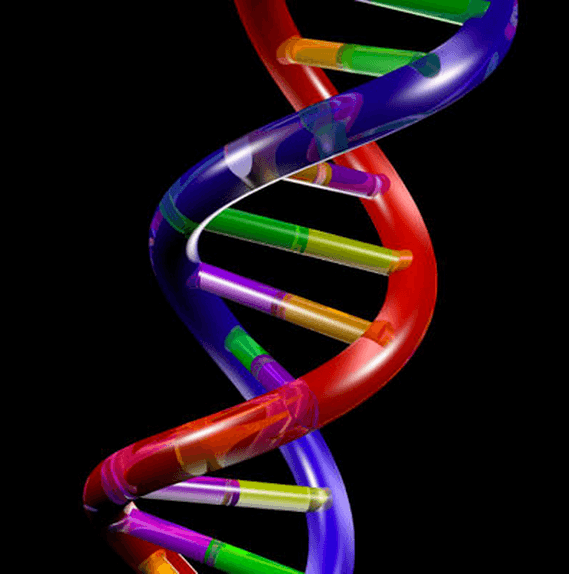
What is the correct complimentary strand for the following DNA? ATCGAG
TACGAG
ATCGAG
TAGCTG
TAGCTC
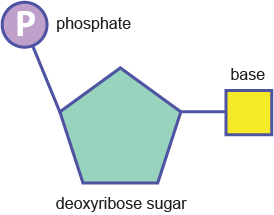
Nucleotides are made up of a sugar, phosphate, and..?
amino acid
nucleic acid
cholesterol
fatty acid
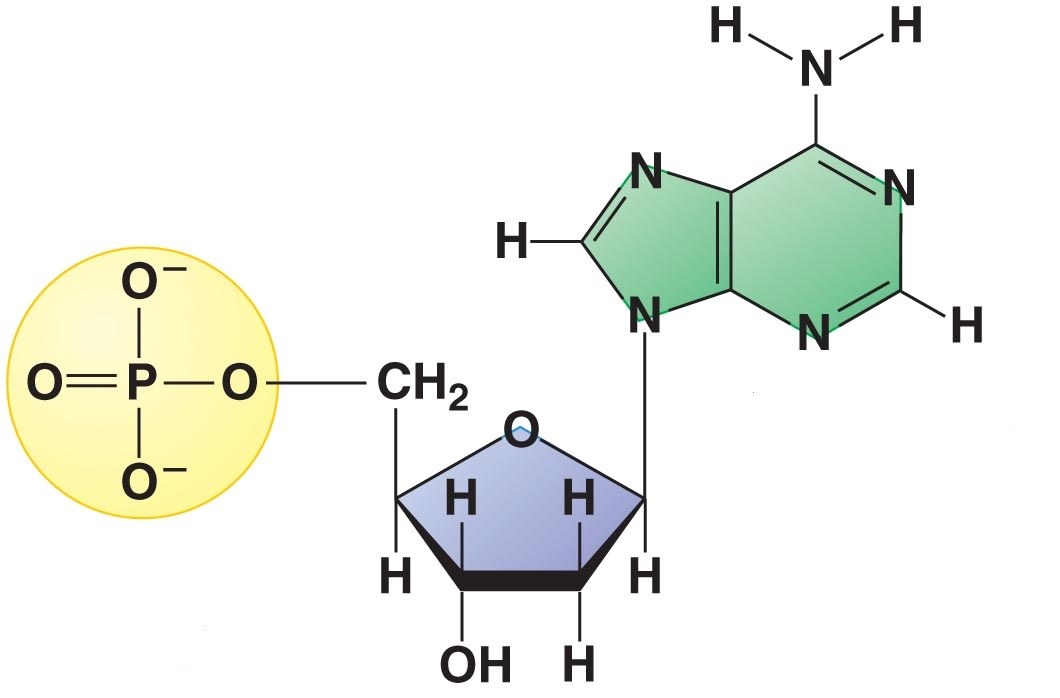
Name the CIRCULAR is structure
phosphate group
pentose sugar
double helix
hydrogen bond
nitrogen base

The sides of the ladders (ribbons)
Nitrogen Bases
Phosphate group
Sugar-Phosphate Backbone
Nucleotides

Which two bear species are most closely related?
Bear 1 and Bear 2
Bear 1 and Bear 3
Bear 2 and Bear 3
There’s no way to tell


The hole that the DNA is injected into
Power Source
Lane
Well
Tank
Marker / DNA Ladder
A ruler used to measure the length of fragments in a gel
Power Source
Lane
Well
Tank
Marker / DNA Ladder

3'-GCT-5'
T-G-A-C-C-A
T-G-A-G-C-A
GAG-CTC-GAC-AGA
Mutant
GAG CTC-CAC-AGA
CAC-GTG-ACA-GCG
AGA-TTC-ATA-GCG
Mutant-
AGA-TTC-AAT-AGC-G
The mutated DNA segment is TTCGCAAG. This is an example of ___ mutation.
The mutated DNA segment is TTACGCAAC. This is an example of ___ mutation.
ATG CCA AAT

Deletion
A
B
C
Frameshift mutation
Addition of one or more nucleic acids
Removal of one or more nucleic acids
Replacement of one or more nucleic acids
When codons shift ---nucleic acids are separated from their original marriage
Copying or doubling of a sequence
Duplication
Addition of one or more nucleic acids
Removal of one or more nucleic acids
Replacement of one or more nucleic acids
When codons shift ---nucleic acids are separated from their original marriage
Copying or doubling of a sequence

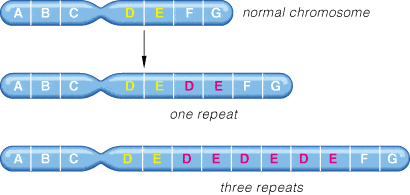

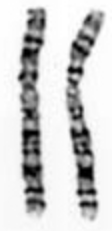
Notice the abnormal 23rd chromosome. This individual has an extra X chromosome. What type of mutation is this?
Translocation
Nondisjunction
Dublication
Inversion
Deletion
Inversion
When a segment of a chromosome breaks off.
When a segment of a chromosome breaks off, flips, and reattaches.
When a segment of a chromosome is copied or doubles.
When a segment of a chromosome breaks and attaches to a non homologous chromosome.
When entire chromosomes don't separate evenly during meiosis.
Translocation
When a segment of a chromosome breaks off.
When a segment of a chromosome breaks off, flips, and reattaches.
When a segment of a chromosome is copied or doubles.
When a segment of a chromosome breaks and attaches to a non homologous chromosome.
When entire chromosomes don't separate evenly during meiosis.

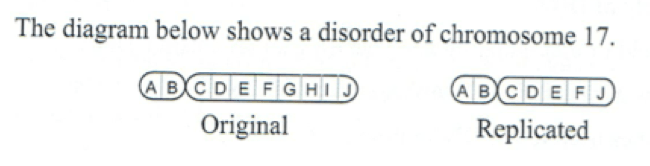
Inversion
A
B
C
D

Duplication
A
B
C
D
E

Translocation
A
B
C
D
Synapsis: Homologous Chromosomes align gene by gene
Prophase I
Prophase II
Metaphase I
Metaphase II
Anaphase I
Crossing-Over: physical exchange of segments of DNA with non-sister chromatids
Prophase I
Prophase II
Metaphase I
Metaphase II
Anaphase I
Pairs of homologous chromosomes line up at metaphase plate---one facing each pole.
Prophase I
Prophase II
Metaphase I
Metaphase II
Anaphase I
Duplicated chromosomes line up on metaphase plate with sister chromatids facing each pole.
Prophase I
Prophase II
Metaphase I
Metaphase II
Anaphase I
Homologous Chromosomes are separated towards opposite poles guided by spindles.
Anaphase I
Anaphase II
Telophase I & Cytokinesis
Telophase II & Cytokinesis
Prophase I
Each side has a haploid set of duplicated chromosomes (n = 23)
Anaphase I
Anaphase II
Telophase I & Cytokinesis
Telophase II & Cytokinesis
Prophase I
Each side has a haploid set of unduplicated chromosomes (n = 23)
Anaphase I
Anaphase II
Telophase I & Cytokinesis
Telophase II & Cytokinesis
Prophase I
Product: Haploid cells with unduplicated chromosomes
Meiosis I
Meiosis II
Mitosis
Product: Diploid cells with unduplicated chromosomes
Meiosis I
Meiosis II
Mitosis

Prophase I
Prophase II
Metaphase I
Metaphase II
Anaphase I

Metaphase I
Metaphase II
Anaphase I
Anaphase II
Telophase I & Cytokinesis

Prophase I
Prophase II
Metaphase I
Metaphase II
Anaphase I

Prophase I
Prophase II
Telophase I & Cytokinesis
Telophase II & Cytokinesis
Anaphase II

Prophase I
Prophase II
Telophase I & Cytokinesis
Telophase II & Cytokinesis
Anaphase II
Body Cells not including reproductive cells
Sex Cells
Sex Chromosomes
Somatic Cells
Autosomes
Egg & Sperm
Sex Cells
Gametes
Sex Chromosomes
Somatic Cells
Autosomes
Egg & Sperm
Chromosomes 1-22
Gametes
Sex Chromosomes
Somatic Cells
Autosomes
Egg & Sperm
Transmission or “passing on” of traits from one generation to the next
Egg & Sperm
Inheritance
Sexual Reproduction
Fertilization
Zygote
Production of new offspring by combining genetic information from two individuals of different sexes.
Egg & Sperm
Inheritance
Sexual Reproduction
Fertilization
Zygote
Fusion of egg and sperm to form a zygote.
Egg & Sperm
Inheritance
Sexual Reproduction
Fertilization
Zygote
Diploid (2n) cell resulting from fusion of two haploid gametes; a fertilized egg.
Egg & Sperm
Inheritance
Sexual Reproduction
Fertilization
Zygote
a photograph or picture of chromosomes grouped in ordered pairs is a ______________
pedigree
Punnett Square
Venn Diagram
Karyotype
A normal human zygote should have _____ chromosomes inside.
46
23
92
64


Based on the karyotype, what is the sex of this baby?
Male
Female



A group of inherited red blood cell disorders
Anemia
Sickle Cell Anemia
Sickle Cell Trait
Episodes of Pain
Red Blood Cells
A condition in which the blood doesn't have enough healthy red blood cells.
Anemia
Sickle Cell Anemia
Sickle Cell Trait
Episodes of Pain
Red Blood Cells
The sickle-shaped cells can also stick to vessel walls, causing a blockage that slows or stops the flow of blood. When this happens, oxygen can't reach nearby tissues. The lack of oxygen can cause ______.
Anemia
Sickle Cell Anemia
Sickle Cell Trait
Episodes of Pain
Red Blood Cells
Hemoglobin is a protein in ________ that carries oxygen throughout the body.
Anemia
Sickle Cell Anemia
Sickle Cell Trait
Episodes of Pain
Red Blood Cells
If you have SCD, there is a problem with your ______. It is a protein in red blood cells that carries oxygen throughout the body.
Anemia
Sickle Cell Anemia
Sickle Cell Trait
Episodes of Pain
Hemoglobin
With SCD, the hemoglobin forms into _____ rods within the red blood cells. This changes the shape of the red blood cells to ___________.
stiff; crescent-shaped
stiff; disk-shaped
flexible; crescent-shaped
flexible; disk-shaped
Sickled cells live ___ days and healthy read blood cells live ___ days.
90 to 120 day; 10 to 20 days
10 to 20 days; 90 to 120 days
50 to 60 days; 200 to 500 days
200 to 500 days; 50 to 60 days
The sickle-shaped cells can also ______ vessel walls, causing a blockage that slows or stops the flow of blood. When this happens, _____ can't reach nearby tissues.
stick to, oxygen
scrape, oxygen
burst through, carbon dioxide
scrape, carbon dioxide
stick to, carbon oxygen
Individuals with SCD have ___ copies of a mutated gene.
1
2
3
4
People with sickle cell trait are generally ___.
Healthy
Unhealthy
Healthy most of the time
Unhealthy sometimes
Who is at risk for sickle cell disease?
African Americans
Hispanics
Asians
Native Americans
Caucasians

Assume the biomolecule pictured in the illustration is normal. The entire molecule is called ____________.
Hemoglobin S
Heme
Iron (Fe)
Beta-Chains
Hemoglobin
Assume the biomolecule pictured in the illustration is normal. "C" (rectangular discs) represent _________.
Hemoglobin S
Heme
Iron (Fe)
Beta-Chains
Hemoglobin
Hemoglobin is classified as which type of biomolecule...
Protein
Carbohydrate
Lipid
Nucleic Acid
None of the above.
Which of the following BEST describes the relationship between Hemoglobin and Red Blood Cells (RBCs)?
Hemoglobin is filled with thousands of RBCs which bind to oxygen.
RBCs are filled with thousands of hemoglobins which bind to oxygen.
Hemoglobins are filled with thousands of oxygens which bind to RBCs.
Hemoglobin move alongside thousands of RBCs in the blood and move oxygen into the RBCs.
RBCs move alongside thousands of Hemoglobins in the blood and move oxygen into the RBCs.
Normal Hemoglobin contains 2 of these
Hemoglobin S
Heme
Iron (Fe)
Beta-Chains
Hemoglobin
Abnormal Hemoglobin contains 2 of these
Hemoglobin S
Heme
Iron (Fe)
Beta-Chains
Hemoglobin
A normal Hemoglobin Subunit Beta (HBB) Gene codes for making the ___________ protein.
Hemoglobin S
Heme
Iron (Fe)
Beta-Chains
Hemoglobin
A mutated Hemoglobin Subunit Beta (HBB) Gene causes beta-globins in Hemoglobin to be replaced by ...
Hemoglobin S
Heme
Iron (Fe)
Alpha-Chains
Betaglobin
An abnormal RBC is ____.
Disc-Shaped, Biconcave
Cresent-Shaped, Sickle-Shaped
Globular
Flexible
Clumped (Fibrous)
Why does Hemoglobin S make an RBC sickle-shaped?
Abnormal HbS subunit sticks together and form long, rigid molecules that bend the RBCs into a sickled-shaped.
Abnormal Alpha-Chains subunits stick together and form long, rigid molecules that bend the RBCs into a sickled-shaped.
Abnormal Alpha-Chains subunits stick to HbS chains and form long, rigid molecules that bend the RBCs into a sickled-shaped.
Abnormal HbS subunits stick to normal Alpha-Globin chains and form long, rigid molecules that bend the RBCs into a sickled-shaped.

