wayground logo

Free Printable Worksheets

Font size

S
M
L
XL
Worksheets

HBS Final Exam Review

Total questions: 166

Worksheet time: 2hrs 45mins

Name
Class
Date
1.

This pelvis most likely belongs to a

a)

male

b)

female

2.

The sternum is ______ to the humerus.

a)

medial

b)

lateral

c)

superior

d)

inferior

3.

If you fracture your ulna, you have broken a bone in your

a)

arm

b)

leg

c)

foot

d)

hand

4.

Blood, bone, and fat are all examples of _____ tissue.

a)

transport

b)

support

c)

connective

d)

epithelial

5.

A restriction enzyme

a)

cuts DNA in a defined pattern, such as every 5th BP

b)

Can Cut DNA randomly

c)

recognizes a specific sequence and cuts DNA

d)

all of the above

6.
What type of Connective tissue is found at the ends of bones to reduce friction?
a)
Cartilage
b)
Dense connective tissue
c)
Adipose Tissue
d)
Loose connective tissue
7.
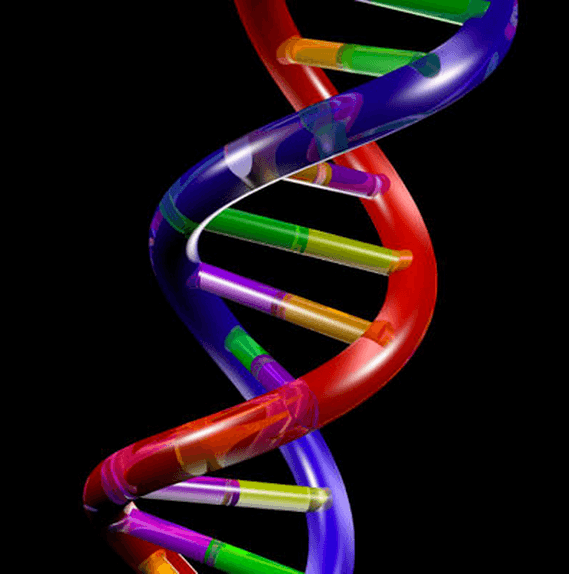
What determines the code, or information, of a DNA molecule?
a)
the shape (structure) of the nitrogen bases
b)
the order (sequence) of the nitrogen bases
c)
the color of the nitrogen bases
d)
the frequency (number) of nitrogen bases
8.
What type of muscle tissue is VOLUNTARILY controlled
a)
Skeletal Only
b)
Skeletal and Cardiac
c)
Smooth and Cardiac
d)
Cardiac Only
9.

Gel electrophoresis is used to separate DNA fragments on the basis of which property?

a)

size

b)

color

c)

functions

d)

chromosomes

10.

Which suspect should be charged with the crime?

a)

Suspect 1

b)

Suspect 2

c)

Suspect 3

d)

None of these suspects

11.

The pieces of DNA left after a Restriction enzyme digests the DNA are called

a)

amplicons

b)

short term nucleotides

c)

restriction fragment length polymorphisms

d)

nucleodigests

12.

The bones highlighted in red are called the

a)

tibia

b)

fibula

c)

ulna

d)

femur

13.

The divisions of the nervous system (choose all terms that apply)

a)

central

b)

peripheral

c)

sensory

d)

motor

14.

The part of the brain responsible for processing sight

a)

frontal

b)

temporal

c)

occipital

d)

cerebellum

15.
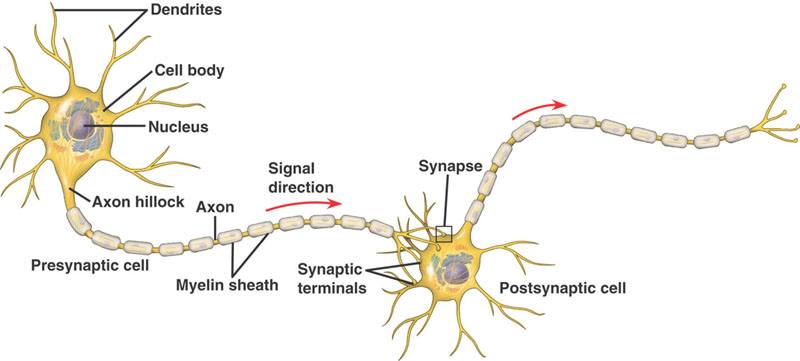
Which part of the neuron is a long fiber that send information to other cells?
a)
dendrite
b)
terminal
c)
cell body
d)
axon
16.
Which part of the brain controls balance and body position?
a)
cerebrum
b)
medulla
c)
cerebellum
d)
impluses
17.
If I step on a nail...what type of neuron take that signal TO the CENTRAL NERVOUS SYSTEM?
a)
interneurons
b)
motor
c)
sensory 
d)
receptors
18.
Which part of the brain controls vital functions such as breathing and heart rate?
a)
Diencephalon
b)
Frontal Lobe
c)
Brain Stem
d)
Cerebellum
19.
Neurons send signals in the brain and body via...
a)
neurotransmitters only
b)
electrical impulses only
c)
wifi
d)
neurotransmitters AND electrical signals
20.

Phineas Gage suffered a traumatic brain injury to his _________ that changed his personality and impulse control.

a)

frontal lobe

b)

parietal lobe

c)

temporal lobe

d)

cerebellum

21.

The 'master gland' that controls all the other endocrine glands in the body is the _________ gland

a)

thyroid

b)

pituitary

c)

adrenal

d)

thymus

22.

This endocrine gland regulates metabolism

a)

thymus

b)

hypothalamus

c)

pituitary

d)

thyroid

23.

The adrenal glands release two hormones, one is a 'fight' or 'flight' hormone and the other is a stress hormone (two answers)

a)

cortisol

b)

adrenaline

c)

melatonin

d)

ACH

24.

This hormone, released by the pancreas, helps RAISE blood glucose levels

a)

insulin

b)

glucagon

25.
The purpose of the endocrine system is to
a)
maintain homeostasis by reacting quickly to stimuli
b)
produce substances that protect the body from bacteria 
c)
maintain metabolism, growth and development in homeostasis 
d)
transport molecules throughout the body
26.
targets bone and muscle to promote growth and development
a)
growth hormone
b)
prolactin
c)
oxytocin
d)
ADH (antidiuretic hormone)
27.
a disease by which people cannot control sugar levels in the blood
a)
hypertension
b)
sleep apnea
c)
diabetes
d)
hyperthyroidism
28.
The correct order of the glands/organs shown in the diagram is 
a)
hypothalamus, thyroid, pancreas, kidneys, ovaries, testes
b)
pituitary, thyroid, adrenal, pancreas, ovaries, testes
c)
pituitary, parathyroid, pancreas, adrenal, testes, ovaries
d)
non are correctly ordered
29.

Which ions are involved in the electrical nerve impulse (action potential)?

a)

Iodine and Sodium

b)

Potassium and Sodium

c)

Iron and Sodium

d)

Calcium and Iodine

30.
The knee joint is
a)
Hinge
b)
Gliding
c)
Ball and socket
d)
Pivot
31.
What type of tissue is bone?
a)
Nerve
b)
Muscle
c)
Epithelium
d)
Connective
32.
Connects bone to bone
a)
Ligament
b)
Tendon
c)
Cartilidge
33.
This type of joint allows the C1 and C2 to rotate as in shaking your head no
a)
condyloid
b)
gliding
c)
pivot
d)
saddle
34.
What is the name for the connector that attaches muscle to bone?
a)
ligament
b)
tendon
c)
patella
d)
string
35.
What are the 3 types of muscle tissue?
a)
Thigh, Calf, & Shoulder
b)
Traps, Forearm, & Abs
c)
Hamstring, Biceps, & Triceps
d)
Smooth Muscle, Cardiac Muscle, & Skeletal Muscle
36.
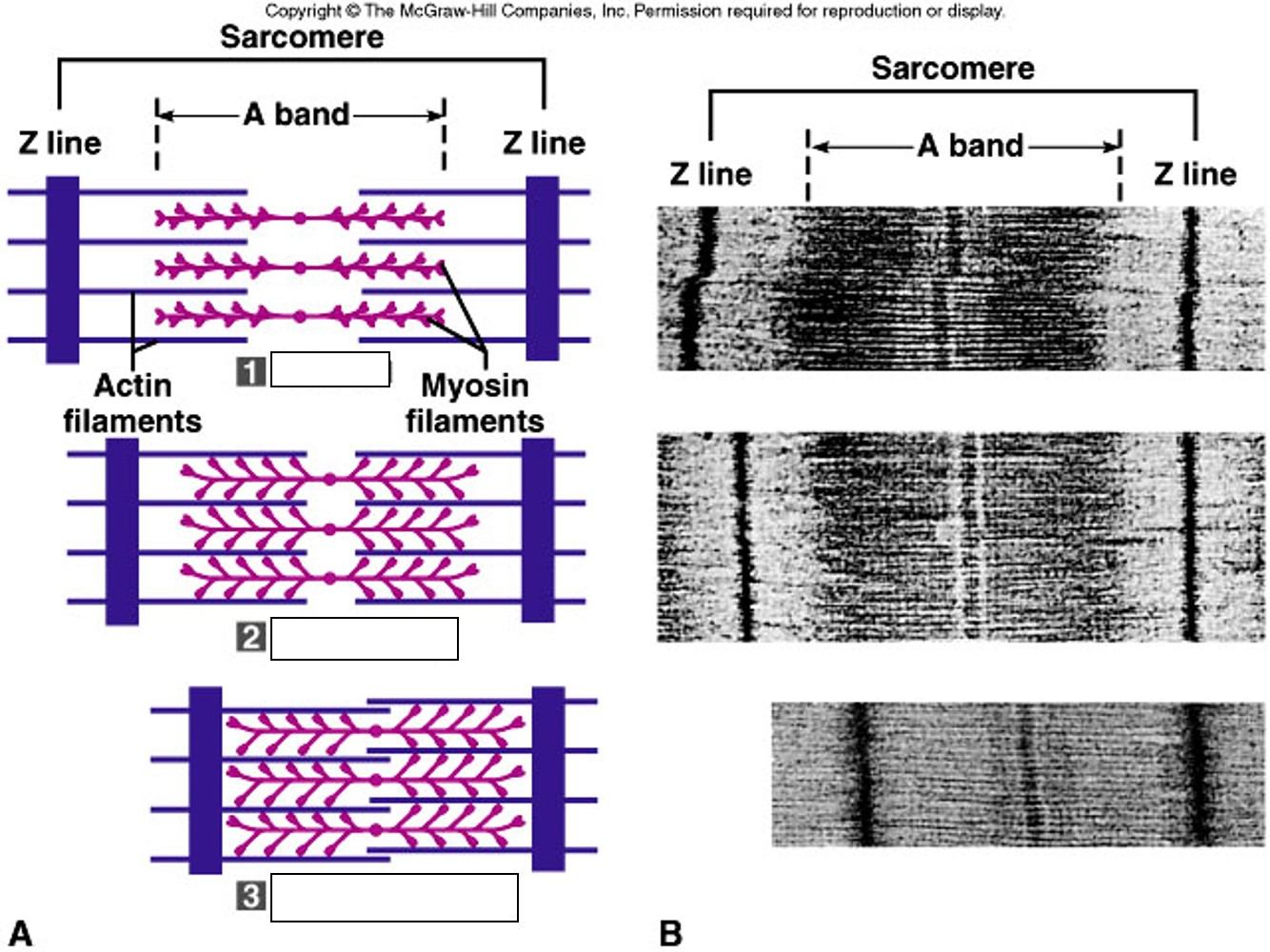
What state is the sarcomere in #1
a)
Relaxed
b)
Contracting
c)
Fully Contracted
d)
None of the above
37.
What two chemicals are necessary for muscle contraction to occur?
a)
Niacin and Potassium
b)
Calcium and ATP
c)
Sodium and Potassium
d)
Ach and Potassium
38.
the thin filament in muscle cells
a)
myosin
b)
actin
c)
myoglobin
d)
hemoglobin
39.
What is required in order to allow the myosin head to bind to the actin binding site?
a)
glucose
b)
glycogen
c)
ATP
d)
the Na+/K+ pump
40.
The flow of blood between the heart and cells of body
a)
Systemic circulation
b)
Pulmonary circulation
c)
Oxygenated blood
d)
Deoxygenated blood
41.

The flow of blood between the heart and the lungs

a)

systemic circulation

b)

oxygenated circulation

c)

Pulmonary circulation

d)

none of the above

42.
________carry blood back to the heart
a)
arteries
b)
capillaries
c)
veins
d)
arterioles
43.
Identify
a)
Left atrium
b)
Right atrium
c)
Left ventricle
d)
Right ventricle
44.
What is the pressure inside the arteries during contraction called.
a)
systolic
b)
diastolic
45.
A group of disorders that cause a thickening and hardening of the arteries
a)
Heart Disease
b)
Arteriosclerosis
c)
Hypertension
d)
Stroke
46.
Which of the following is a possible long-term side effect of smoking?
a)
Heart Disease
b)
Cancer
c)
Stroke
d)
All of these
47.
Enlarged, twisted, superficial veins, most commonly seen in the lower extremities.
a)
thrombophlebitis
b)
athreosclerosis
c)
arteriosclerosis
d)
varicose veins
48.

Smoking increases the risk of this condition, in which an artery is completely blocked and blood flow is compromised.

a)

myocardial infarction

b)

peripheral artery disease

c)

stroke

d)

congestive heart failure

49.

Arteries are more efficient than veins in blood flow

a)

true

b)

false

50.
Which is the thin, most superficial layer of skin?
a)
Epidermis
b)
Dermis
c)
Hypodermis
51.
Which layer contains accessory structures such as sweat glands, sebaceous glands, and hair follicles?
a)
epidermis
b)
dermis
c)
hypodermis
d)
hyperdermis
52.
This function of the skin allows  the body to retain or lose heat.
a)
body temperature regulation
b)
storage
c)
excretion
d)
absorption
53.
The skin helps to produce _______________ by using UV rays from the sun.
a)
Vitamin A
b)
Vitamin C
c)
Vitamin D
d)
Vitamin K
54.
Place in order from outside to inside:
A.) Dermis;
B.) Epidermis;
C.) Subcutaneous tissue
a)
A B C
b)
B A C
c)
B C A 
d)
A C B 
55.
What is the biggest bone in your body?
a)
fibula
b)
humerus
c)
pelvis
d)
femur
56.
What does your bone marrow make?
a)
muscles
b)
cartilage
c)
blood cells
d)
germs
57.

A Ballerina reports to the emergency room with severe leg pain, not able to walk on the leg. She states that she was doing a spin and she landed incorrectly, twisting her ankle and leg. Her X-ray does indicate a fracture. What type fracture does she most likely have?

a)

greenstick fracture

b)

spiral fracture

c)

comminuted fracture

d)

compound fracture

58.

This type of fracture is most likely a

a)

greenstick

b)

compound

c)

spiral

d)

transverse

59.

True or false: pain is a sensation that can be overridden with adrenaline and other endorphins

a)

true

b)

false

60.
Upper, anterior thorax, above the heart also considered an endorcrine gland
a)
Lymph
b)
thymus gland
c)
immunity
d)
passive acquired immunity
61.
The body's ability to resist bacterial invasion and disease.
a)
Immunity
b)
Passive acquired immunity
c)
natural immunity
d)
artificial acquired immunity
62.

What are the oval-shaped structures that store lymphocytes and filter out pathogens?

a)

Lymph

b)

Lymph Vessels

c)

Lymph Nodes

d)

Lymph Glands

63.

What transports lymph fluid back to the circulatory system?

a)

Lymph

b)

Lymph Vessels

c)

Lymph Nodes

d)

Lymph Glands

64.
What is the purpose of antibodies?
a)
To pump lymph through the vessels
b)
To create lymph
c)
To fight infection
d)
To remove old red blood cells
65.

Which hormone promotes potassium excretion into the urine?

a)

ACTH

b)

ADH

c)

Angiotensin I

d)

Aldosterone

66.

What is the functional structure of the kidney?

a)

glomerulus

b)

cortex

c)

nephron

d)

renal pelvis

67.

Which of the following is the correct sequence of urine movement in the urinary system?

a)

Kidney, urethra, bladder, ureter

b)

Urethra, kidney, bladder, ureter

c)

Kidney, ureter, bladder, urethra

d)

Urethra, kidney, ureter, bladder

68.

Which of the following lists the correct sequence of urine movement through the kidney?

1. Collecting duct 4. Distal Tubule

2. Bowman’s capsule 5. Loop of Henle

3.Calyx 6. Proximal Tubule

a)

2,4,5,6,1,3

b)

2,3,4,5,6,1

c)

2,6,5,4,1,3

d)

5,4,6,2,1,3

69.

Which of the following urine tests determines the ketone content of the urine?

a)

microscopic

b)

chemical

c)

macroscopic

70.

Urine formation occurs in the nephron and requires 3 steps. Which sequence is correct?

a)

Filtration, reabsorption, secretion

b)

Reabsorption, secretion, filtration

c)

Secretion, reabsorption, filtration

d)

Filtration, secretion, reabsorption

71.

The sum of all chemical activity in an organism is

a)

BMR

b)

metabolism

c)

homeostasis

d)

BMI

72.

The loop of Henle is the most inferior portion of the nephron. What is it responsible for?

a)

Secretion of water, chloride and sodium

b)

Reabsorption of water, chloride and sodium

c)

Filtration of water, chloride and sodium

d)

Secretion of proteins

73.

1. Alcohol:


a. Stimulates the release of ADH

b. Inhibits the release of ADH

c. Acts like a diuretic

a)

A

b)

B

c)

C

d)

both B and C

74.

Decreased concentration of enzymes will cause the reaction to

a)

slow down

b)

speed up

c)

stay the same

d)

not occur

75.

Which organ produces a bolus?

a)

oral cavity

b)

stomach

c)

small intestine

d)

large intestine

76.

What process involves moving substances from the blood capillaries to Bowman’s capsule?

a)

reabsorption

b)

secretion

c)

filtration

d)

absorption

77.

Primary function is to produce the semi-fluid paste called chyme and start breakdown of proteins.

a)

esophagus

b)

stomach

c)

small intestine

d)

large intestine

78.
The maintenance of relatively stable internal physiological conditions (as body temperature or the pH of blood) in higher animals under fluctuating environmental conditions.
a)
Equillibrium
b)
Static Equilibrium
c)
Homeosapiis
d)
Homeostasis
79.
A very large molecule (as of a protein, nucleic acid, or carbohydrate) built up from smaller chemical structures.
a)
Macrophage
b)
Micromolecule
c)
Macroroni
d)
Macromolecule
80.
An adenine-containing nucleoside triphosphate that releases free energy when its phosphate bonds are hydrolyzed. This energy is used to drive endergonic reactions in the cell.
a)
Adenosine cophosphate (ACT)
b)
Adenosine monophosphate (AMP)
c)
Adenosine triphosphate (ATP)
d)
Adenosine diphosphate (ADP)
81.
The rate at which heat is given off by an organism at complete rest.
a)
Thermal dynamic output (TDO)
b)
Metabolic Output (MO)
c)
Basal metabolic rate (BMR)
d)
Body Mass Index (BMI)
82.
Synthetic, energy-requiring reactions whereby small molecules are built up into larger ones.
a)
Catabolism
b)
Metabolism
c)
Anabolism
d)
Canabolism
83.
A measure of body fat that is the ratio of the weight of the body in kilograms to the square of its height in meters.
a)
Basal Metobolic Rate (BMR)
b)
Body Mass Index (BMI)
c)
Body weight index (BWI)
d)
Basal Mass Index (BMI)
84.
Chemical reactions that break down complex organic compounds into simple ones, with the net release of energy.
a)
Catabolism
b)
Anabolism
c)
Metabolism
d)
Canabolism
85.
A protein serving as a catalyst, a chemical agent that changes the rate of reaction without being consumed by the reaction.
a)
Energy Molecule
b)
Enzyme
c)
Synthesist
d)
Accelorator
86.
A muscular tube that in adult humans is about nine inches (23 centimeters) long and passes from the pharynx down the neck between the trachea and the spinal column and behind the left bronchus where it pierces the diaphragm slightly to the left of the middle line and joins the cardiac end of the stomach.
a)
Pharnyx
b)
Esophagus
c)
Larynx
d)
Larnyx
87.
A membranous muscular sac in which bile from the liver is stored.
a)
Kidney
b)
Bile Duct
c)
Gallbladder
d)
Sphincter
88.
The stomach and intestine as a functional unit.
a)
Digestive Tract
b)
Gastric by-pass
c)
Gastrointestinal tract
d)
Gastric tract
89.
The largest internal organ in the vertebrate body; performs diverse functions such as producing bile, preparing nitrogenous wastes for disposal, and detoxifying poisonous chemicals in the blood.
a)
Stomach
b)
Skin
c)
Lungs
d)
Liver
90.
The totality of an organism's chemical reactions, consisting of catabolic and anabolic pathways.
a)
Digestion
b)
Excretion
c)
Cellular Respiration
d)
Metabolism
91.
A molecule that can combine with others to form a polymer.
a)
Unomer
b)
Polymer
c)
Duonomer
d)
Monomer
92.
The part of the mouth behind the gums and teeth that is bounded above by the hard and soft palates and below by the tongue and by the mucous membrane connecting it with the inner part of the mandible.
a)
Oral Space
b)
Oral Groove
c)
Oral cavity
d)
Oral Area
93.
Successive muscular contractions along the wall of a hollow muscular structure.
a)
Peralysis
b)
Periostasis
c)
Peristalsis
d)
Peristylus
94.
A large molecule composed of repeating structural units or monomers.
a)
Monomer
b)
Polymer
c)
Multimer
d)
Diameter
95.
A salivary gland enzyme that hydrolyzes starch.
a)
Alpha amylase
b)
Salivary amylase
c)
Lipase
d)
Salivary Tryptase
96.
A substance acted upon by an enzyme.
a)
Amylase
b)
Substrate
c)
Accelerator
d)
Lipase
97.
Terminal air sacs that constitute the gas exchange surface of the lungs.
a)
Brachiae
b)
Alveoli
c)
Brachioles
d)
Bronchi
98.
A sheet of muscle that forms the bottom wall of the thoracic cavity in mammals; active in ventilating the lungs.
a)
Cardiac Notch
b)
Pulmonary Vein
c)
Diaphragm
d)
Pulmonary Muscle
99.
An instrument for measuring the air entering and leaving the lungs.
a)
Lung Volume Meter
b)
Air Flow Meter
c)
Spirometer
d)
Aerometer
100.
The volume of air remaining in lungs after maximum exhalation.
a)
Tidal Volume
b)
Residual Volume
c)
External Volume
d)
Total Volume
101.
Muscle located between the ribs.
a)
Rectus Abdominus
b)
Serratus Anterior
c)
Intercostal Muscle
d)
Internal Obliques
102.
The total volume of air that can be exhaled after maximal inhalation.
a)
Total Lung Capacity
b)
Exhalation Total Volume
c)
Inspiratory Volume
d)
Vital Capacity
103.
The first step in urine formation in which substances in blood pass through the filtration membrane and the filtrate enters the proximal convoluted tubule of the nephron.
a)
Bowman's Capsule Filtration
b)
Glomerular Filtration
c)
Distal Tube Filtration
d)
Loop of Henle Filtration
104.
A tube that releases urine from the body near the vagina in females or through the penis in males; also serves in males as the exit tube for the reproductive system.
a)
Urethra
b)
Ureter
c)
Urine Tubules
d)
Urine Pathway
105.
Waste material that is secreted by the kidney, that forms a clear amber and usually slightly acid fluid.
a)
Urine
b)
Urea
c)
Uric Acid
d)
Creatinine
106.
The muscles tissue of this organ is called __________ and is __________.
a)
Smooth/Voluntary
b)
Cardiac/Voluntary
c)
Cardiac/Involuntary
d)
Skeletal/Voluntary 
107.
The muscle tissues of this system are called ________ and they are ________.
a)
Smooth/Involuntary
b)
Skeletal/Voluntary
c)
Cardiac/Involuntary
d)
Smooth/Voluntary
108.
This is an example of what type of muscle?
a)
Voluntary
b)
Involuntary
109.
Which enzyme below is involved in the following chemical digestion process?
FATS---->FATTY ACIDS / GLYCEROL
a)
Lipase
b)
Trypsin
c)
Amylase
d)
Pepsin
110.
Which enzyme below is involved in the following chemical digestion process?
PROTEINS---->POLYPEPTIDES
a)
Lipase
b)
Amylase
c)
Pepsin
d)
Maltase
111.
This muscular tube moves food down to the stomach.
a)
Large Intestine
b)
Urethra
c)
Small Intestine
d)
Esophagus
112.
This organ does not actually touch the food but it produces bile to help break down fats.
a)
Stomach
b)
Gallbladder
c)
Pancreas
d)
Liver
113.
This organ does not actually touch the food but it secretes enzymes to help break down foods.
a)
Liver
b)
Pancreas
c)
Stomach
d)
Gallbladder
114.
Which structures shown in the Figure make up the ADP molecule?
a)
A and B
b)
A, B and C
c)
A, B, C, and D
d)
C and D
115.
A minute blood vessel connecting arterioles and venules
a)
Artery
b)
Capillary
c)
Thrombus
d)
Veine
116.
The __________________ side of the heart pumps oxygenated blood into systemic circulation
a)
Right
b)
Left
117.
The bottom number of a blood pressure reading represents the __________________ pressure, of the resting phase of the heart when blood is entering the chambers
a)
Diastolic
b)
Systolic
118.
Cells need oxygen and glucose for __.
a)
Cellular Respiration
b)
Photosynthesis
c)
Waste
d)
Kidneys
119.
Capillaries are best known for ... 
a)
Connecting cells together 
b)
Connecting veins and arteries together 
c)
Moving blood away from the heart 
d)
Moving blood towards the heart 
120.
The heart can beat outside the body because ... 
a)
The sinoatrical node is found outside but on the heart 
b)
Contraction and relaxation signals exist within the heart itself 
c)
Relaxation signals exist within the heart itself 
d)
The 4 chambers work together using signals to communicate with each other 
121.
How many chambers does the heart have ? 
a)
4
b)
6
c)
3
d)
1
122.
Which order is correct? 
a)
Superior and inferior vena cavas into the right atrium through the tricuspid valve
b)
Superior and inferior vena cavas into the left atrium through the bicuspid valve
c)
right ventricle through the tricuspid valve into the right atrium
d)
body cells and tissues to the aorta through the aortic valve
123.
What protein is wrapped around myosin that prevents it from contacting actin
a)
Troponin
b)
Tropomyosin
c)
Calcium
d)
None of the above
124.
The contractile unit of a muscle is called the __________.
a)
Sarcolemma
b)
Sarcoplasmic reticulum
c)
Sarcoplasm
d)
Sarcomere
125.
The Ions that are responsible for removing Troponin from Tropomyosin.
a)
Sodium
b)
Calcium
c)
Potassium
d)
Magnesium
126.
During crossbridge formation
a)
myosin attaches to actin
b)
myosin attaches to troponin
c)
actin attaches to troponin
d)
actin attaches to tropomyosin
127.

Vascular disease affecting blood vessels outside of the heart and especially those vessels supplying the extremities.

a)

Peripheral Vascular Disease

b)

Posterior Tibial Vein

c)

Inferior Vena Cava

d)

Dorsal Venous Network

128.
What is the light blue area called?
a)
Temporal lobe
b)
Frontal lobe
c)
Occipital lobe
d)
Parietal lobe
129.
What is the yellow area called?
a)
Posterior lobe
b)
Lateral lobe
c)
Temporal lobe
d)
Occipital lobe
130.
What is the green area called?
a)
Frontal lobe
b)
Parietal lobe
c)
Occipital lobe
d)
Cerebrum
131.
What is the red area called?
a)
Cerebrum
b)
Cerebellum
c)
Brain Stem
d)
Occipital lobe
132.
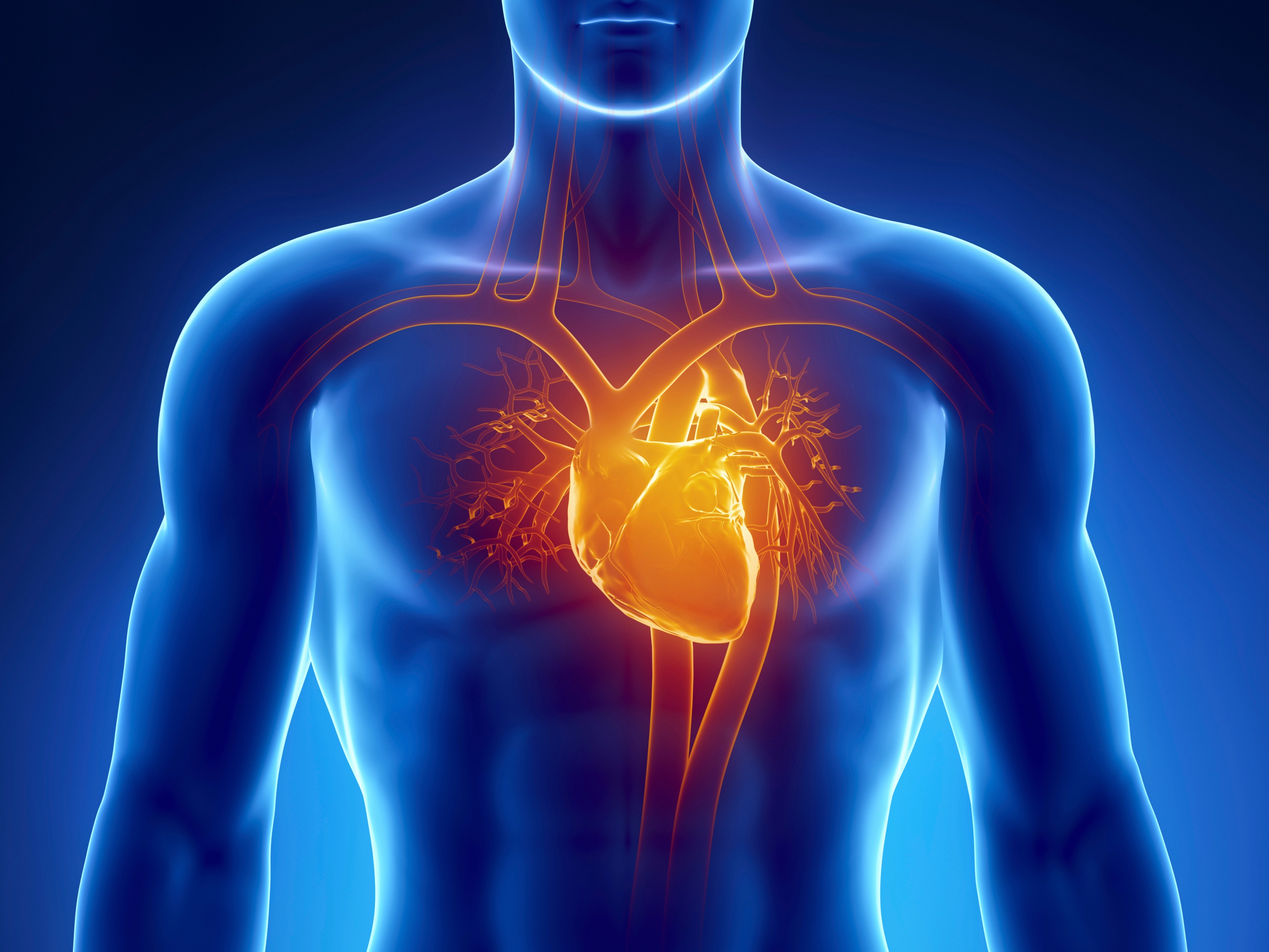
Which part of the heart is this?
a)
Aorta
b)
Right Ventricle
c)
Left Atrium
d)
Left Ventricle
133.
The number of times the heart Ventricles beat in one minute is known as?
a)
Heart Rate
b)
Stroke Volume
c)
Cardiac Output
134.

Which of these NOT a role of water in the body?

a)

storing minerals

b)

breaking down food molecules

c)

regulating body temperature

d)

lubricating joints

135.
Order the phases an action potential travels in the conduction system
a)
SA node--> AV bundle branches--> AV node--> Purkinje fibers
b)
SA node--> AV node--> AV bundle branches-->  Purkinje fibers
c)
Av bundle branches--> AV node--> SA node--> Purkinje fibers
d)
Purkinje fibers--> SA node--> AV node--> AV bundle branches
136.
Lipid digestion begins after emulsification in the
a)
oral cavity 
b)
stomach
c)
duodenum
d)
jejunum
137.
Which of the following is NOT a respiratory condition?
a)
asthma
b)
pneumonia
c)
bronchitis
d)
anorexia
138.
What is the name of the vertebrae of the waist area?
a)
Thoracic Vertebrae
b)
Lumbar Vertebrae
c)
Cervical Vertebrae
d)
Sacrum
139.
The human skeleton can be subdivided into two parts. What part is made up of the skull, sternum, vertebral column and rib cage?
a)
appendicular
b)
axial
140.
Damage this and you won't form new memories
a)
Hypothalamus
b)
Hippocampus
c)
Amygdala
d)
Thalamus
141.
Makes decisions, plans, reasons, and carries out behaviors
a)
Frontal Lobe
b)
Parietal Lobe
c)
Occipital Lobe
d)
Temporal Lobe
142.
Controls hearing, and language comprehension
a)
Frontal Lobe
b)
Temporal Lobe
c)
Occipital Lobe
d)
Parietal Lobe
143.
Processes visual information
a)
Frontal Lobe
b)
Temporal Lobe
c)
Occipital Lobe
d)
Parietal Lobe
144.
A  person has difficulty speaking possibly due to a stroke.
a)
Broca's Aphasia
b)
Wernicke's Aphasia
c)
Visual Agnosia
d)
Neglect Syndrome
145.
What light sensitive cells are stimulated in dim light?
a)
rods
b)
cones
146.
Which nerve transmits information from the eye to the brain?
a)
Optic
b)
Olfactory
c)
Occulomotor
d)
Trigeminal
147.
What is letter E?
a)
Vitreous humor
b)
Retina
c)
Cornea
d)
Optic nerve
148.
What is letter I?
a)
Cornea
b)
Lens
c)
Vitreous humor
d)
Optic nerve
149.
part of a neuron that receives information from other neurons
a)
axon
b)
dendrites
c)
myelin sheath
d)
synapse
150.
Label the Neuron-What does the letter "G"
represent?
a)
Axon Terminal
b)
Node of Ranvier
c)
Nucleus
d)
Myelin Sheath
151.
Label the Neuron-What does the letter "A" represent?
a)
Axon
b)
Dendrite
c)
Axon Terminal
d)
Cell Body
152.
What is the insulating membrane that surrounds parts of the axon that helps to protect & propagate action potential?
a)
Axon
b)
Dendrites
c)
Node of Ranvier
d)
Myelin Sheath
153.
A sudden change in the polarity of the membrane of a neuron, gland cell, or muscle fiber that causes the transmission of electrical impulses
a)
Action potential
b)
Membrane potential
c)
Resting potential
d)
Threshold
154.
Which eye care professional does corrective surgery?
a)
Opthalmologist
b)
Optician
c)
Optometrist
155.
The eye care professional that makes corrective lenses.
a)
Opthalmologist
b)
Optician
c)
Optometrist
156.

What movement is indicated by Letter A

a)

Rotation

b)

Circumduction

c)

Abduction

d)

Adduction

157.

What movement is indicated by Letter C

a)

Lateral Rotation

b)

Flexion

c)

Abduction

d)

Adduction

158.

What movement is indicated by letter B

a)

Rotation

b)

Extension

c)

Abduction

d)

Adduction

159.

What is the function for a ligament?

a)

connect bone to bone

b)

Connect muscle to bone

c)

allows you to move

d)

Connects muscle to the nervous system

160.
What are joints
a)
A place where one bone meets 
b)
A place where  two  bones meet 
c)
Bones don't meet 
d)
A place where three bones meet 
161.
Hip and shoulder have examples of this type of joint
a)
ball and socket
b)
condyloid
c)
hinge
d)
gliding
162.
The skull is an example of what type of joint?
a)
Cartilaginous
b)
Synovial
c)
Fibrous
163.
Movement away from the mid-line is called _____________.
a)
abduction
b)
adduction
c)
internal rotation
d)
external rotation
164.
Name this joint 
a)
gliding
b)
saddle
c)
hinge
d)
ball and socket
165.
Fibrous joints are?
a)
freely moveable
b)
partially moveable
c)
immovable
d)
slightly moveable
166.
Name this joint.
a)
Saddle
b)
Ball and Socket
c)
Condylar
d)
Hinge