
 Worksheets
Cells Revision 1
Total questions: 112
Worksheet time: 2hrs 42mins

packages and distributes proteins
proteins may be modified here
golgi body
chloroplast
ribosomes
lysosome

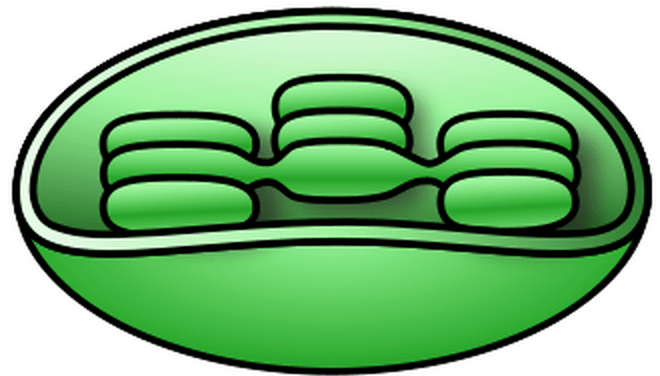
uses sunlight, carbon dioxide, and water to make glucose and oxygen
chloroplast
nucleus
endoplasmic reticulum
lysosome

site of many cellular reactions
can be rough or smooth
transports proteins
endoplasmic reticulum
golgi body
ribosomes
mitochondria
a metabolic pathway consists of ...
a series of reactions
a series of enzymes
a series of chemical reactions
a series of biological reactions
what controls a metabolic pathway
enzymes
chemicals
intermediates
energy
energy required to start off a chemical reaction sequence
reaction rate
activation energy
reaction energy
optimum energy
A feature of a catabolic reaction.
Breaks down complex molecules into simple ones
Builds up complex molecules from simple ones
Breaks down simple molecules into complex ones
Builds up simple molecules from complex ones
A feature of an anabolic reaction
Breaks down simple molecules into complex ones
Builds up simple molecules from complex ones
Builds up complex molecules from simple ones
Breaks down complex molecules into simple ones
What type of fermentation occurs in most organisms, including animals?
Aerobic
Alcoholic
Citric Acid
Lactic Acid

What is the correct order for aerobic cellular respiration?
glycolysis-->ETC--> Krebs Cycle
ETC-->glycolysis-->Krebs Cycle
glycolysis-->Krebs Cycle-->ETC
Krebs Cycle-->glycolysis-->ETC


Which of the following images shows a cell in Telophase?


Bacteria reproduce asexually by a process called
replication
meiosis
mitosis
binary fission

DNA begins to replicate at the origins of replication.
Step 1
Step 2
Step 3
Step 4
Step 5
Replication continues and the cell begins to elongate.
Step 1
Step 2
Step 3
Step 4
Step 5
A cell continues to elongates and pinches inward
Step 1
Step 2
Step 3
Step 4
Step 5
A new cell wall is deposited between the two forming cells
Step 1
Step 2
Step 3
Step 4
Step 5
The cells separate (cytokinesis) into two identical daughter cells
Step 1
Step 2
Step 3
Step 4
Step 5
The two daughters cells formed from binary fission...
Are identical and contain their own copy of the chromosome, ribosomes, cell wall, etc.
Are genetically unique from each other


Two proteins responsible for serving as the signal to promote cells through the cell cycle.
cyclin
tumor
CDK
contact inhibition
Cell-to-cell communication that tells cells when to stop growing.
apoptosis
contact inhibition
differentiation
carcinogen
Cancer causing agent
apoptosis
contact inhibition
differentiation
carcinogen
Programmed cell death
apoptosis
contact inhibition
differentiation
carcinogen
Collection of cancer cells
tumor
metastasize
interleukin
melanin


Most prokaryotic organisms reproduce mainly by the process of
regeneration
binary fission
budding
production of spores
Sister chromatids are
found only when a cell is not actively dividing
tightly linked together at the centromere
formed when chromatids separated during cell division
made only of DNA
When a eukaryotic cell is not dividing, its genetic material can be found in the form of very long thin fibers called
chromatin
chromosomes
the nucleolus
RNA
The cell cycle control system
receives messages from the outside of the cell that influence cell division
triggers and controls major events in the cell cycle
is influenced by growth factors that bind to cell receptors
all of the above
A benign tumor differs from a malignant tumor in that a benign tumor
is cancerous
spreads from the original site
does not metastisize
never causes health problems
What is the purpose the the cell cycle checkpoints?
To repair damaged cells before they enter cell division.
To remove damaged cells from an organism.
How many cell cycle checkpoints are there?
1
2
3
4
What is the first checkpoint of the cell cycle?
Mitosis checkpoint
G1 checkpoint
G2 checkpoint
When is apoptosis initiated?
When DNA damage is repaired.
When cells are removed from the cell cycle.
When DNA damage cannot be repaired.
Name the 3 checkpoints of the cell cycle
Anaphase checkpoint, mitosis/metaphase checkpoint, and telophase checkpoint
Interphase checkpoint, S phase checkpoint, and M phase checkpoint
G1 checkpoint, G2 checkpoint, and S phase checkpoint
G1 checkpoint, G2 checkpoint, and mitosis/metaphase checkpoint

