wayground logo

Free Printable Worksheets

Font size

S
M
L
XL
Worksheets

BHS 8 Science Semester 1

Total questions: 130

Worksheet time: 2hrs 40mins

Name
Class
Date
1.

Melting Ice

a)

Physical Change

b)

Chemical Change

2.

Cutting Paper

a)

Physical Change

b)

Chemical Change

3.

Frying Eggs

a)

Physical Change

b)

Chemical Change

4.

Toasting Bread

a)

Physical Change

b)

Chemical Change

5.

Burning Wood

a)

Physical Change

b)

Chemical Change

6.

Rotting Fruit (Like a brown banana)

a)

Physical Change

b)

Chemical Change

7.

Boiling Water

a)

Physical Change

b)

Chemical Change

8.

What is the process by which a chemical change occurs?

a)

Conservation of Matter

b)

Physical Change

c)

Chemical reaction

d)

Condensation

9.

What always happens during a chemical change?

a)

The material and its properties change

b)

The material dissolves

c)

The total mass of the material changes

d)

The material changes state from a solid to a liquid

10.

What is the best definition of a chemical change?

a)

A change in the state of matter in which the form changes but the properties stay the same.

b)

A change in the state of matter in which the material changes into an entirely different material with properties that are different from the original material.

c)

A change in the state of matter in which the material is still the same just in a different form.

11.

Which is not a sign that a chemical reaction has occurred.

a)

A change in mass

b)

bubbling

c)

production of an odor or smell

d)

change in color

12.

Which is not evidence that a chemical reaction has occured

a)

Production of flames

b)

Change in temperature or heat

c)

freezing

d)

Production of light

13.

The total mass after a chemical reaction is that same as the total mass before a chemical reaction

a)

True

b)

False

14.

The mixing of two or more substances can result in a new substance.

a)

True

b)

False

15.

When toast burns, the evidence that a chemical reaction took place is a change in both mass and texture.

a)

True

b)

False

16.
A change in the shape of an object is an example of _________________.
a)
a chemical change
b)
energy
c)
an endothermic change
d)
a physical change
17.
What type of change occurs when a new substance is formed that has different properties from the original substances?
a)
chemical change
b)
nuclear change
c)
physical change
d)
mutation
18.
Which of the following represents a chemical change?
a)
cutting a piece of paper with scissors
b)
cooling a mixture of air and kerosene vapor to obtain liquid kerosene
c)
burning a piece of notebook paper in the presence of oxygen
d)
heating water over a flame to its boiling point
19.
Which of the following is an example of a physical change?
a)
souring milk
b)
mixing baking soda and vinegar
c)
rusting metal
d)
mixing oil and vinegar
20.
Which of the following is a chemical change?
a)
the rusting of iron
b)
dissolving salt in water
c)
melting an ice cube
d)
bending a copper wire
21.
Which of the following is an example of a chemical change?
a)
rusting of a bicycle
b)
painting a house
c)
washing a dog
d)
tearing up a newspaper
22.
Which is an example of a physical change?
a)
sodium and chlorine form salt
b)
a copper ring turns white and green
c)
a log burns in a fire
d)
using sand and water to build a sand castle on a beach
23.
Which of the following is an example of a physical change?
a)
wood burning
b)
ice melting
c)
food digesting
d)
iron rusting
24.
Number 2 represents a ________
a)
solid
b)
liquid
c)
gas
d)
plasma
25.
Particles in a _____________ are tightly packed together.
a)
solid
b)
liquid
c)
gas
d)
plasma
26.
Particles in a _________ take the shape of the container.
a)
solid
b)
liquid
c)
gas
d)
plasma
27.
As particles are exposed to warmer temperatures they __________
a)
speed up
b)
slow down
c)
stay the same
d)
vibrate
28.
As particles are exposed to colder temperatures they _____
a)
speed up
b)
slow down
c)
stay the same
d)
become ions
29.
What am I? I have a fixed mass, a fixed volume, I cannot be squashed and I have a shape that changes to fit the bottom of my container?
a)
solid
b)
liquid
c)
gas
d)
plasma
30.
An inflated balloon is placed in a refrigerator. Which statement describes the movement of the gas particles in the balloon?
a)
The particles move more slowly and become closer together.
b)
The particles move more slowly and become further apart.
c)
The particles move faster and become closer together.
d)
The particles move faster and become further apart. 
31.

What is MATTER?

a)

Anything that has MASS

b)

Anything that takes up SPACE

c)

Anything that has MASS and takes up SPACE

d)

Anything that DOES NOT have mass or take up space

32.

All matter is made up of tiny _______________

a)

energy

b)

particles (atoms and molecules)

c)

bits

d)

antimatter

33.

Particles at a higher temperature, move _____________ than those at a lower temperature.

a)

faster

b)

slower

34.
a)

Solid

b)

Liquid

c)

Gass

35.
What is happening when my water bottle in the freezer goes from a liquid state to a solid state?
a)
melting
b)
evaporating
c)
freezing
d)
cutting
36.
What is happening when my ice cream changes from a solid to a liquid?
a)
freezing
b)
melting
c)
burning
d)
evaporation
37.
What happens when my glass of water is sitting in the sun and disappears into a gas?
a)
evaporation
b)
burning
c)
melting
d)
freezing
38.
My glass of ice water is sitting in the sun and has droplets of water on the outside of the glass. What is happening?
a)
condensation
b)
evaporation
c)
melting
d)
freezing
39.
Melting
a)
liquid to solid
b)
solid to liquid
c)
solid to gas
d)
gas to liquid
40.
Freezing
a)
Solid to gas
b)
Liquid to solid
c)
Gas to solid
d)
Liquid to gas
41.
Boiling
a)
liquid to gas
b)
gas to solid
c)
gas to liquid
d)
solid to liquid
42.
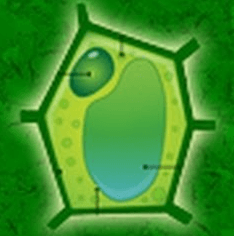
Which cell structure is found in plant and animals cells and controls what can come into or leave a cell?
a)
cell membrane
b)
cytoplasm
c)
nucleus
d)
vacuole
43.
Which structures are found in every living cell?
a)
cell membrane and cytoplasm
b)
chloroplasts and mitochondria
c)
a cell wall and nucleus
d)
chloroplasts and cell wall
44.
What is the function of the cell nucleus found in both plant and animal cells?
a)
to produce energy
b)
to control cell activity
c)
to remove waste products
d)
to allow molecules to enter the cell
45.
What is one basic function of the vacuoles?
a)
circulating oxygen
b)
producing food
c)
controlling cell processes
d)
storing water
46.
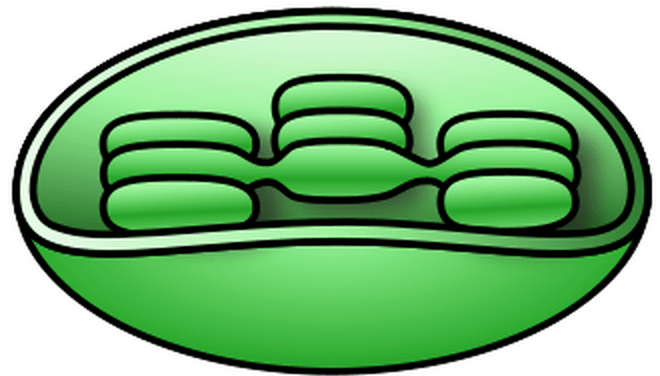
Chloroplasts in plant cells allow the plant to perform a function that animal cells cannot do.  What is the main function of the chloroplasts found in plant cells?
a)
to absorb light energy and manufacture food
b)
to remove waste materials by active transport
c)
to manufacture chemical energy from food
d)
to control the shape of the cell
47.
All cells need energy to function.  Which cell organelle is responsible for producing energy in the cell?
a)
chloroplasts
b)
mitochondria
c)
nucleus
d)
vacuoles
48.
What is the function of a cell wall?
a)
to protect and support the cell
b)
to perform different functions in each cell
c)
to prevent water from passing through it
d)
to prevent oxygen from entering the cell
49.
In what part of the plant cell does the process of photosynthesis take place?
a)
nucleus
b)
mitochondria
c)
chloroplasts
d)
vacuoles
50.
 Starch and water molecules in potato cells are stored in what organelle?
a)
mitochondria
b)
nucleus
c)
cell wall
d)
vacuole
51.
A rigid layer that lies outside the cell's  membrane is...
a)
Cytoskeleton
b)
Cilia
c)
Cell Wall
d)
Flagella
52.
What organelle is called the "powerhouse" of a cell?

a)
Endoplasmic Reticulum
b)
Nucleus
c)
Mitochondria
d)
Nucleolus
53.
I am only found in a plant cell. What am I?
a)
cell wall
b)
mitochondria
c)
cytoplasm
d)
chloroplast
54.
Consists of a jellylike substance that contains many organelles.
a)
ribosomes
b)
cytoplasm
c)
chloroplasts
d)
cell wall
55.
Controls the cell and contains DNA
a)
Nucleus
b)
Mitochondria
c)
Chloroplast
d)
Cell Wall
56.
The ____________ packages and processes material before it exports out of the cell.
a)
Vacuoles
b)
mitochondria
c)
Golgi apparatus 
d)
nucleus 
57.
The major function of ribosomes is to
a)
Make fats
b)
Synthesize protein
c)
Digest protein
d)
Make sugars
58.
The arrow is point to the 
a)
mitochondria 
b)
Cell membrane 
c)
nucleus 
d)
ribosome
59.
Rough endoplasmic reticulum has ________________ attached to it. 
a)
ribosomes 
b)
chromosomes 
c)
Golgi apparatus 
d)
nucleolus 
60.
which of the following transports material within the cell?
a)
Golgi apparatus 
b)
Endoplasmic reticulum
c)
cell wall 
d)
ribosomes
61.
Major organs of the digestive system
a)
Kidneys, nephrons
b)
Stomach, intestines, mouth
c)
Heart, blood vessels, blood
d)
Liver, kidneys, heart
62.
Major organs of the nervous system
a)
Kidneys, nephrons
b)
Stomach, intestines, mouth
c)
Heart, blood vessels, blood
d)
Brain, spinal cord, nerve
63.
Major organs of the skeletal system
a)
Muscles, tendons
b)
Bones, ligaments
c)
Marrow, periostium, nerves
d)
Ribs, quadriceps, femur
64.
Heart, blood vessels, blood
a)
Digestive system
b)
Excretory system
c)
Circulatory system
d)
Immune system
65.
Nose, trachea, lungs, alveoli
a)
Respiratory system
b)
Endocrine system
c)
Muscular system
d)
Skeletal system
66.
Kidneys, lungs, skin, nephrons
a)
Digestive system
b)
Excretory system
c)
Integumentary system
d)
Respiratory system
67.
Major organs of the muscular system
a)
Shoulder-blade, kneecap, triceps
b)
Muscles, tendons
c)
Bones, ligaments
d)
Heart, intestines, stomach
68.
Pituitary gland, pancreas, thyroid, adrenal gland
a)
Digestive system
b)
Integumentary system
c)
Endocrine system
d)
Immune system
69.
Major organs of the immune system
a)
Kidneys, lymph nodes, nose
b)
Stomach, brain, pituitary gland
c)
Skin, stomach, breathing passages, blood
d)
Bacteria, virus, fungi
70.
Which organ belongs to the digestive system?
a)
heart
b)
stomach
c)
femur
d)
brain
71.
Which organ belongs to the endocrine system?
a)
pancreas
b)
small intestine
c)
gluteus maximus
d)
spinal cord
72.
Which organ system does the brain belong to?
a)
Reproductive
b)
Cardiovascular
c)
Integumentary
d)
Nervous
73.
Which organ belongs to the reproductive system?
a)
ovaries
b)
spleen
c)
large intestine
d)
liver
74.
Which organ belongs to the reproductive system?
a)
gluteus maximus
b)
humerus
c)
radial artery
d)
testes
75.
Which organ belongs to the respiratory system?
a)
biceps brachii
b)
humerus
c)
stomach
d)
right lung
76.
Which organ belongs to the respiratory system?
a)
left lung
b)
small intestine
c)
spleen
d)
pancreas
77.
The veins of the body belong to which organ system?
a)
nervous
b)
lymphatic
c)
digestive
d)
circulatory
78.
Which of the following is NOT part of the skeletal system?
a)
humerus
b)
appendix
c)
femur
d)
cranium
79.

What is a group of cells that are alike and work together?

a)

a cell team

b)

a tissue

c)

a cell family

80.

A group of tissues that work together is a(n) ______________________.

a)

cell

b)

organ

c)

organ system

81.

Organs that work together are part of a(n) ________________________.

a)

cells

b)

tissue

c)

organ system

82.

The dark structure in the middle of each cell is a

a)

nucleus

b)

lysosome

c)

mitochondria

83.

Muscle tissue is made of ...

a)

muscle cells

b)

skin tissue

c)

stem cells

84.

A specialized cell is a cell that has ...

a)

the ability to divide

b)

a specific role to do

c)

no specific function in the bod

85.

When similar cells group together it is called a tissue

a)

true

b)

false

86.

This muscle tissue is only found in the heart.

a)

Skeletal

b)

Smooth

c)

Cardiac

87.

These are the muscles attached to your bones.

a)

Skeletal

b)

Smooth

c)

Rough

88.

These are the muscles found in your organs (like your stomach).

a)

Skeletal

b)

Smooth

c)

Rough

89.

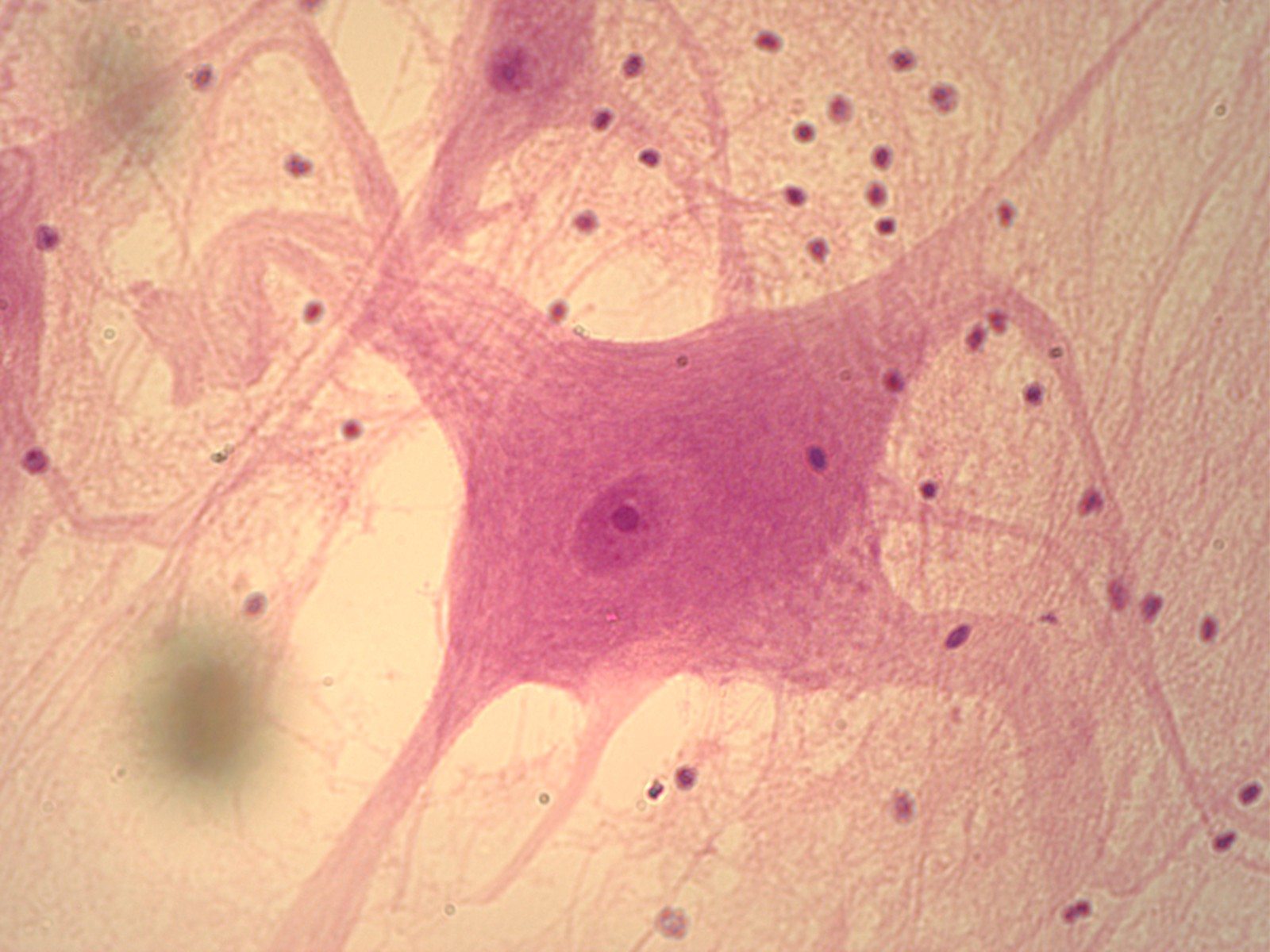
This type of tissue shown in the picture transmits information throughout the body to and from the brain.

a)

Nervous Tissue

b)

Connective Tissue

c)

Muscular Tissue

90.

organ systems make up.....

a)

Tissues

b)

Organs

c)

Organ systems

d)

organisms

91.

What is the correct order of organization?

a)

cells->tissue->organs->organ systems-> organism

b)

tissue->cells->organs->organ systems-> organism

c)

organs->organ systems-> organism->cells->tissue
92.

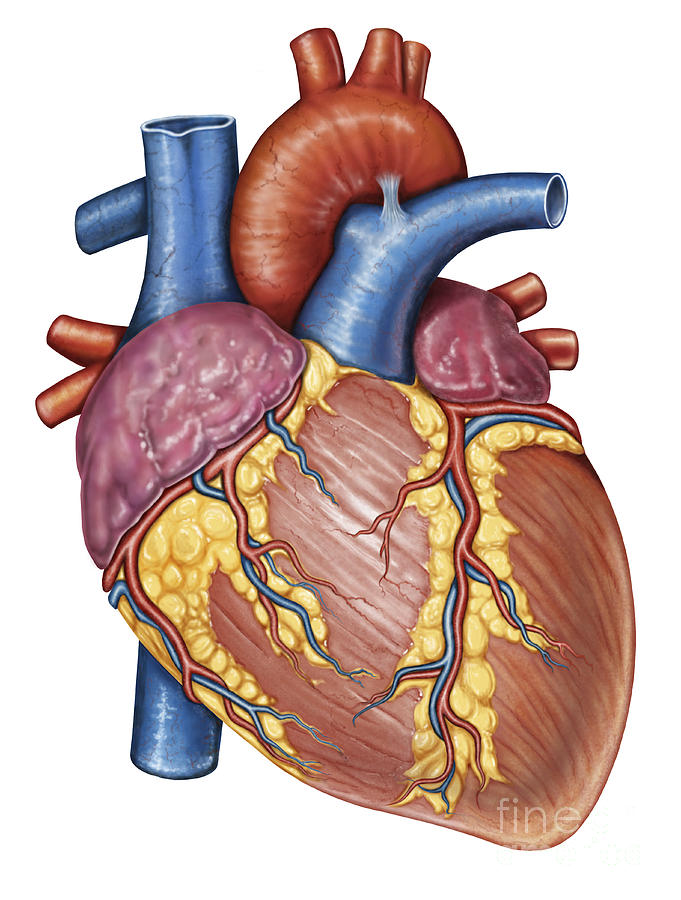
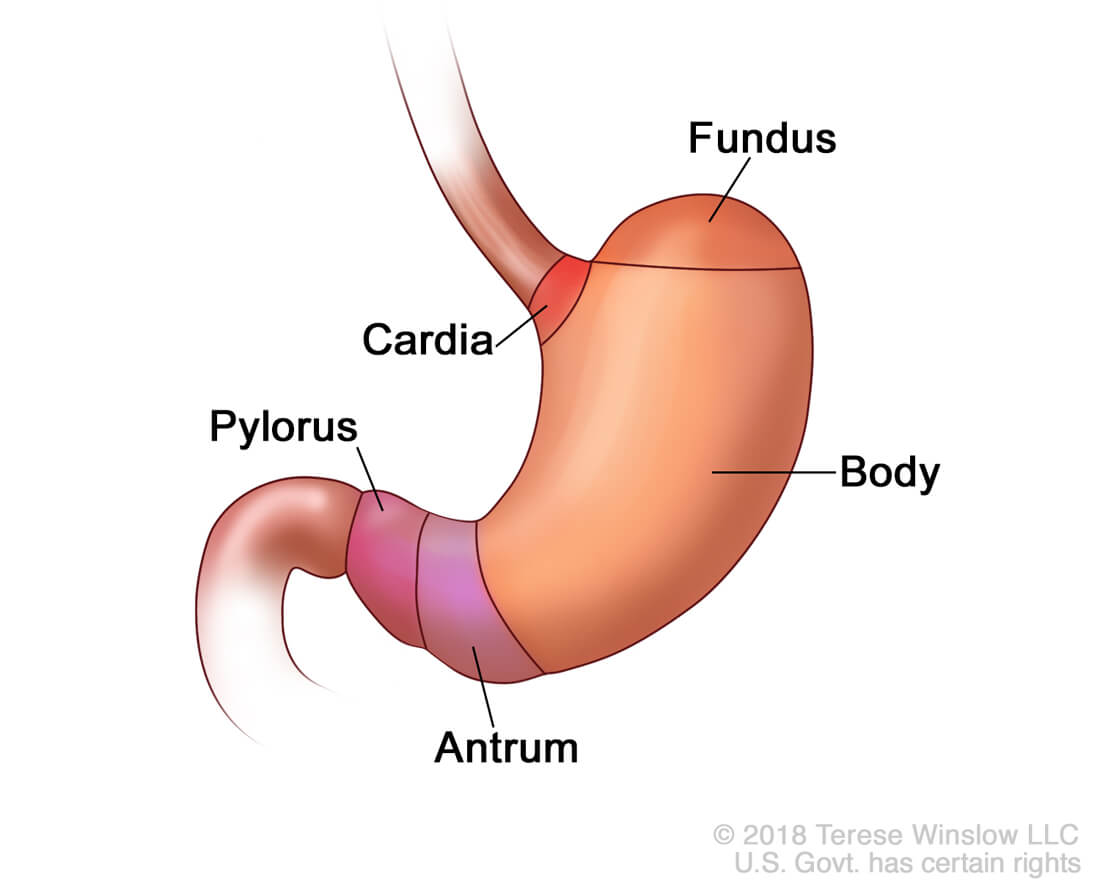
What organ is this?

a)

heart

b)

stomach

c)

lungs

d)

brain

93.

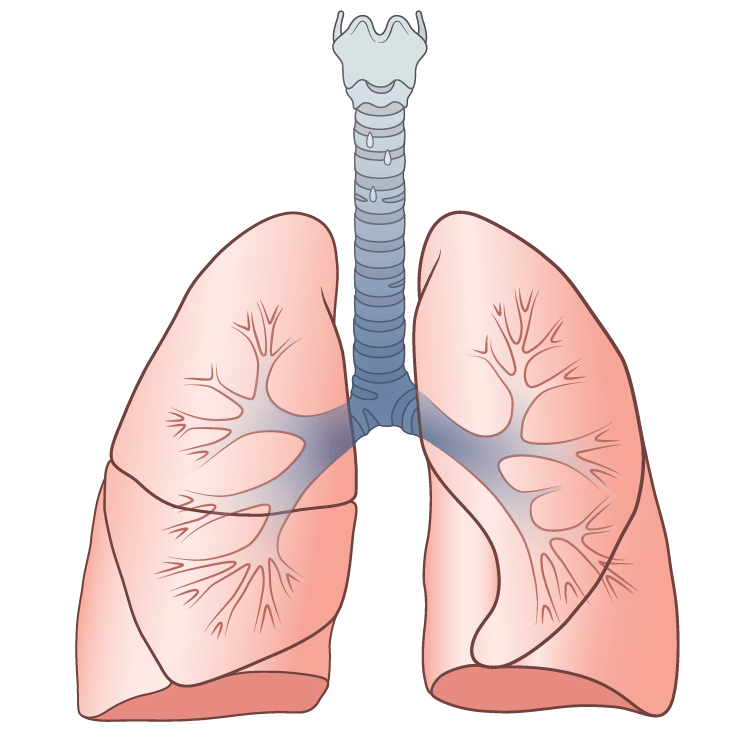
What organ is this?

a)

heart

b)

stomach

c)

liver

d)

lungs

94.

What organ is this?

a)

heart

b)

lungs

c)

liver

d)

stomach

95.
a)
rectum
b)
mouth
c)
stomach
d)
liver
96.
a)
pancreas
b)
liver
c)
trachea
d)
lung
97.
a)
liver
b)
rectum
c)
large intestine
d)
bronchi
98.
a)
large intestine
b)
pancreas
c)
diaphragm
d)
esophagus
99.
a)
small intestine
b)
esophagus
c)
lung
d)
bronchi
100.
a)
esophagus
b)
oral cavity
c)
liver
d)
rectum
101.
a)
stomach
b)
small intestine
c)
rectum
d)
diagraphagm
102.
a)
trachea
b)
stomach
c)
lung
d)
nasal cavity
103.
a)
bronchi
b)
pancreas
c)
stomach
d)
diaphragm
104.
a)
diaphragm
b)
stomach
c)
rectum
d)
trachea
105.
A testable explanation to a problem that has not yet been tested. 
a)
data
b)
theory
c)
hypothesis
d)
fact
106.
This variable in an experiment is the one being changed by the scientist. 
a)
dependent variable
b)
independent variable
c)
data
d)
control group
107.
An experiment is performed on plants to see how different liquids affect plant growth. Each plant in the experiment is given a different liquid; water, apple juice, or milk. Each plant has the same amount of soil, sunlight, and listens to the same music. In this investigation, the independent variable is ...
a)
The type of plant
b)
The amount of sunlight
c)
The type of music
d)
The type of liquid
108.
Dependent variable means
a)
the scientist controls what to test
b)
educated guess
c)
ask a question
d)
what is being measured
109.
If you increase the amount of spinach you eat, then you will increase the iron in your blood. 
What's the dependent variable?
a)
increase the amount of iron in your blood
b)
spinach you eat
110.
This part of the experiment serves as a basis of comparison; the one variable being tested has been omitted. 
a)
experimental group
b)
control group
c)
data
d)
variables
111.
A student wants to test the effects of type of exercise on heart rate.  What is the dependent variable?
a)
heart rate
b)
type of exercise
c)
amount of exercise
d)
time of day exercise occurs
112.
On what axis should the independent variable always be?
a)
X
b)
Y
113.
An experiment is performed on plants to see how different liquids affect plant growth. Each plant in the experiment is given a different liquid; water, apple juice, or milk. Each plant has the same amount of soil, sunlight, and listens to the same music. In this investigation, what are the controlled variables?
a)
Type of plant, amount of music, and sunlight
b)
Water, apple juice, milk
c)
Plant growth
114.
Squidward found new reeds to tryout for his clarinet.  He used an APPLAUSOMETER to measure applause after playing  Under the Sea with each reed.  The results were put in the table.
What was controlled?
a)
The Song
b)
The Reed
c)
The Applause
115.
Squidward found new reeds to tryout for his clarinet.  He used an APPLAUSOMETER to measure applause after playing  Under the Sea with each reed.  The results were put in the table.
What was the independent variable?
a)
The Song
b)
The Reed
c)
The Applause
116.
Squidward found new reeds to tryout for his clarinet.  He used an APPLAUSOMETER to measure applause after playing  Under the Sea with each reed.  The results were put in the table.
What was the dependent variable?
a)
The Song
b)
The Reed
c)
The Applause
117.

What tool is this??

a)

Test Tube

b)

Beaker

c)

Flask

d)

Graduated Cylinder

118.

What tool is this??

a)

Beakers

b)

Flasks

c)

Tasks

d)

Graduated Cylinders

119.

What tool is this??

a)

Flasks

b)

Graduated Cylinders

c)

Beakers

d)

Test Tubes

120.

What tool is this??

a)

Squeezy Thing

b)

Pipette

c)

Tongs

d)

Beaker

121.

What tool is this??

a)

Beaker

b)

Graduated Cylinder

c)

Flasks

d)

Test Tubes

122.

What tool is this??

a)

Bunsen Burner

b)

Flame Thrower

c)

Gas Guzzler

d)

Fire Frenzy

123.

Which of these pieces of equipment is beaker?

a)
b)
c)
d)
124.

Which piece of equipment should you use to measure out liquids?

a)
b)
c)
d)
125.

Which of these should be used for stirring a solution?

a)
b)
c)
d)
e)

Any of these

126.

Which piece of equipment should be used to hold a hot test tube?

a)
b)
c)
d)
127.

What colour is the flame of a Bunsen Burner with a closed air hole?

a)

Red

b)

Orange

c)

Green

d)

Blue

128.

What is this piece of equipment called?

a)

Retort stand

b)

Parallel stand

c)

Test tube stand

d)

Chemistry stand

129.
a)

Retort stand

b)

Tripod

c)

Beaker

d)

watch-glass

130.
a)

Conical flask

b)

Beaker

c)

test tube

d)

measuring cylinder