
 Worksheets
Cell theory and Symbiotic Relationships
Total questions: 120
Worksheet time: 2hrs 45mins
There are three parts of the Cell Theory. Which of the following is NOT a part?
Cells are the basic structure and function of life.
All living things are made of one or more cells.
The cell is the basic unit of matter.
All cells come from preexisting cells.
Which choice is NOT part of the cell theory.
All organisms are composed of cells.
Cells are the basic unit of life.
All cells come from previous cells.
Cells are always the same size and shape.

Which of the following does NOT belong to the cell theory?
all living organisms have the same type of cell
All living organisms are composed of one or more cells
All cells come pre-existing cells
Cells are the basic unit of life
True or false- fire is made of cells
true
false
Which of the following does NOT belong to the cell theory?
all living organisms have the same type of cell
All living organisms are composed of one or more cells
All cells come pre-existing cells
Cells are the basic unit of life
There are three parts of the Cell Theory. Which of the following is NOT a part?
Cells are the basic structure and function of life.
All living things are made of one or more cells.
The cell is the basic unit of matter.
All cells come from preexisting cells.
Who coined the term "cell" by looking at cork?
Hooke
Leeuwenhooke
Schwann
Virchow
Which is NOT a part of the cell theory
All organisms are composed of one or more cells.
The cell is the basic unit of structure and organization in organisms.
All cells come from preexisting cells.
The invention of the microscope allowed scientist to investigate plant and animal cells.
Who is the scientist that studied plants under a microscope and realized all plants are made of cells?
Hooke
Virchow
Schwann
Schleiden
What is the name of the scientist who studied animal cells and realized all animals are made of cells?
Leeuwenhooke
Schwann
Virchow
Hooke
What is the name of the scientist who provided research proving cells come from other cells?
Hooke
Schleiden
Leeuwenhooke
Virchow
___________ made his own microscope and discovered bacteria. He called them "animalcules".
Hooke
Leeuwenhooke
Schwann
Schleiden
How did the microscope influence the development of cell theory?
Let to them asking more questions and making more discoveries.
Allowed scientist to investigate plants and animals in their world.
Realized that living things are made of cells.
All of the above.


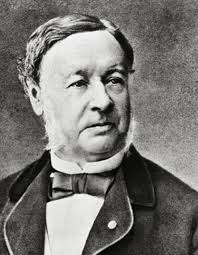
Who was Anton van Leeuwenhoek? What did he discover?
He was a biologist that made lenses for microscopes.
He was a biologist that found "animalcules" in pond water, we call them bacteria.
He discovered a way to split cells.
He was a biologist that enjoyed looking at cells.
Who was Robert Hooke? What did he identify?
He was a scientist who invented the telescope.
He was a biologist that was the first to identify cells under a microscope.
He developed the Cell Theory.
He was the first person every to look under a microscope.
Who coined the term "cell" by looking at cork?
Hooke
Leeuwenhooke
Schwann
Virchow
Who is the scientist that studied plants under a microscope and realized all plants are made of cells?
Hooke
Virchow
Schwann
Schleiden
What is the name of the scientist who studied animal cells and realized all animals are made of cells?
Leeuwenhooke
Schwann
Virchow
Hooke
What is the name of the scientist who provided research proving cells come from other cells?
Hooke
Schleiden
Leeuwenhooke
Virchow
___________ made his own microscope and discovered bacteria. He called them "animalcules".
Hooke
Leeuwenhooke
Schwann
Schleiden
How did the microscope influence the development of cell theory?
Let to them asking more questions and making more discoveries.
Allowed scientist to investigate plants and animals in their world.
Realized that living things are made of cells.
All of the above.

Which scientist contributed to the 3rd part of the cell theory
Matthias Schleiden
Robert Hooke
Rudolf Virchow
Theodor Schwann
What did Matthias Schleiden observe?
Plant Cells
Animal Cells
Bacteria
What did Theodore Schwann observe?
Plant Cells
Animal Cells
Bacteria
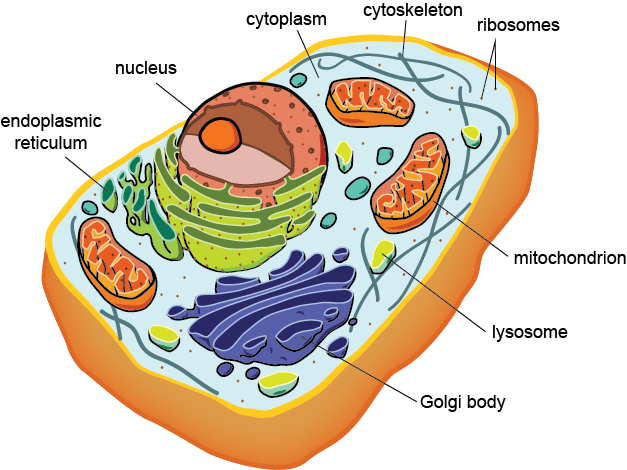
Cell theory states that...
cells are the basic building block of life
cells are cool
cells are microscopic
cells cannot be destroyed
Which of the following is NOT made up of cells?
snowflake
earthworm
tree
human
All living things are made of cells
Cell Theory Part 1
Cell Theory Part 2
Cell Theory Part 3
Cell Theory Part 4
The cell is the most basic unit of structure and function
Cell Theory Part 1
Cell Theory Part 2
Cell Theory Part 3
Cell Theory Part 4
All cells come from pre-existing cells
Cell Theory Part 1
Cell Theory Part 2
Cell Theory Part 3
Cell Theory Part 4


The picture shows a ladybug on the petal of a flower. Both the ladybug and the flower
have wings.
have antennae.
are made of cells.
are supported by stems.

Oxpeckers feed on ticks found on rhinoceros. The oxpeckers get a meal, and the rhinoceros benefit from the ticks' removal. This relationship is an example of:
Parasitism
Commensalism
Mutualism

Mia observed bees pollinating flowers in a garden; this is an example of mutualism because...
both organisms benefit.
one organism benefits, one is not affected.
one organism benefits, one is harmed.
both organisms are harmed.

Some species of barnacles attach themselves to sea turtles or whales. As the whales or sea turtles travel, the barnacles access food in nutrient-rich waters. Their host neither benefits nor is harmed by its riders. This relationship is an example of:
Mutualism
Parasitism
Commensalism

Cattle egrets forage (feed) in fields among cattle. The egret gets easy access to flying insects stirred up by the cattle, and the cattle don't care if they are there. This relationship is an example of:
Mutualism
Commensalism
Competition
Parasitism

Arjun noticed a flea feeding on a mouse’s blood. This is good for the flea but bad for the mouse. This relationship is an example of:
Mutualism
Commensalism
Parasitism

In a relationship where one organism benefits and the other is harmed, such as a tapeworm in a human, this is an example of:
Commensalism
Mutualism
Parasitism

Clownfish live among the tentacles of sea anemones. The clownfish get protection from predators, and the anemones get cleaned by the clownfish.
This relationship is an example of:
Parasitism
Commensalism
Mutualism

Remora fish attach to sharks and feed on the leftovers from the shark's meals.
The shark is neither helped nor harmed.
This relationship is known as:
Mutualism
Commensalism
Parasitism

In a forest, a bird builds its nest in a tree. The tree is not affected by the presence of the nest. This relationship is an example of:
Mutualism
Commensalism
Parasitism

A hermit crab uses a shell discarded by a snail for protection. The snail is not affected. This relationship is an example of:
Mutualism
Commensalism
Parasitism

A mosquito feeds on human blood, benefiting the mosquito but harming the human. This relationship is an example of:
Mutualism
Commensalism
Parasitism

In a symbiotic relationship where one organism benefits and the other is unaffected, such as orchids growing on tree branches, this is an example of:
Mutualism
Commensalism
Parasitism

Ants protect aphids from predators and in return, they feed on the honeydew produced by the aphids. This relationship is an example of:
Parasitism
Commensalism
Mutualism

In a symbiotic relationship where both organisms benefit, such as a bird cleaning a crocodile's teeth, this is an example of:
Parasitism
Commensalism
Mutualism

In a coral reef, cleaner fish remove parasites from larger fish. The cleaner fish get food, and the larger fish get cleaned. This relationship is an example of:
Parasitism
Commensalism
Mutualism

In a forest, a fungus grows on a tree, extracting nutrients and harming the tree. This relationship is an example of:
Mutualism
Commensalism
Parasitism

A cuckoo bird lays its eggs in the nests of other birds, leading the host bird to raise the cuckoo's young at the expense of its own. This relationship is an example of:
Mutualism
Commensalism
Parasitism

A permanent living relationship between two organisms of different species (fleas on a dog). Types: mutualism, commensalism, and parasitism
biological community
ecosystem
population
symbiotic relationships


Aphids are tiny insects that live on and eat the leaves of plants, removing vital nutrients from the plants.
Predation
Parasitism
Commensalism
Mutualism


A cuckoo and a warbler are both birds. A cuckoo will find the nest of warbler instead of building her own, and she harms the warbler by knocking a warbler egg out of nest and laying her own. When the warbler mother returns, she isn’t aware of the switch. The warbler will then raise the baby cuckoo bird instead of her own baby. Which term best describes this relationship?
Predation
Parasitism
Commensalism
Mutualism
Ostriches and gazelles are two animals that live in Africa. They graze for food near each other because they help each other spot predators. The gazelle has excellent eyesight, but poor hearing, and the ostrich has excellent hearing, but poor eyesight. These two animals will alert one another when danger is near. Which term best describes this relationship?
Predation
Commensalism
Mutualism
Parasitism
1000
African wild dogs might be small, but they make up for it by resorting to pack behavior and their remarkable stamina. In a coordinated attack, they isolate a zebra, tire it, and bring it down by grabbing its tail and nose. This is an example of -
Mutualism
Commensalism
Parasitism
Predation
Lions and cheetahs of the African savanna compete for the same antelope and gazelle prey. This is an example of -
Mutualism
Competition
Parasitism
Predation
The following are symbiotic relationships EXCEPT for -
Mutualism
Commensalism
Parasitism
Predation

Bees fly from flower to flower gathering nectar, which they make into food, benefitting the the bees. When they land on a flower they get some pollen on their hairly bodies, and when they land on the next flower, some of the pollen from the first one rubs off, pollinating the plant. This benefits the plant.
Mutualism
Parasitism
Commensalism
Predator-Prey

A certain type of bacteria lives in the intestines of humans and many other organisms. The bacteria eat the food that the humans cannot digest and partially digest it. Humans can then finish the job of digesting. Both humans and the bacteria get nutrition.
Mutualism
Parasitism
Commensalism
Predator-Prey

Cats will patiently wait hours for a mouse to appear. The cat will then catch the mouse with its paws and eat the mouse for nutrition.
Mutualism
Parasitism
Commensalism
Predator-Prey

Small relatives of the jellyfish called hydroids, travel to their feeding grounds by sharing snail shells with hermit crabs. The crabs are unaffected because the hydroids and the crabs eat different foods
Parasitism
Commensalism
Mutualism
Competition
This early cell theory scientist looked in a microscope and discovered "animalcules" in the gunk from his teeth and pond water.
Schleiden
Leeowenhoek
Hooke
Virchow
Schwann
Who noted that all animals are made of cells and helped write the first two parts of cell theory?
Rudolf Virchow
Anton van Leeuwenhoek
Theodor Schwann
Robert Hooke
Who discovered that all cells come from other living cells and had research that lead to the last major principle of cell theory?
Matthias Schleiden
Theodore Schwann
Robert Hooke
Rudolf Virchow
Robert Hooke, Anton van Leeuwenhoek, Theodor Schwann, Rudolf Virchow, and Matthias Schliden were all responsible for what theory?
The Theory of Gravity
The Theory of Relativity
The Cell Theory
The Theory of Continental Drift
Name the 3 parts of the Cell Theory
1. All nonliving things are composed of
cells
2. Cells are the basic unit of structure
and function in living things
3. All cells are produced by existing
cells
1. All living things are composed of
cells
2. Cells are the basic unit of structure
and function in living things
3. All cells are produced by existing
cells
1. All living things are composed of
cells
2. Cells are the secondary unit of structure
and function in living things
3. All cells are produced by existing
cells
1. All living things are composed of
cells
2. Cells are the basic unit of structure
and function in nonliving things
3. All cells are produced by existing
cells

