Wayground logo

Free Printable Worksheets

Font size

S
M
L
XL
Worksheets

Unit 2

Total questions: 155

Worksheet time: 3hrs 35mins
Name
Class
Date
1.
The phase change from water vapor to liquid water is known as...
a)
evaporation
b)
precipitation
c)
condensation
d)
sublimation
2.
2. A change of state from a liquid to a solid is called....
a)
Melting
b)
Freezing
c)
Evaporation
3.
5. What is it called when a solid turns directly into a gas?
a)
Sublimation
b)
Condensation
c)
Liquid
4.
7. All phase changes (changing states) requires energy to be added or taken away.
a)
True
b)
False
5.
4. What type of state of matter is a gas that has electrons flowing through it?
a)
Gas
b)
Liquid
c)
Plasma
d)
Solid
6.
Change from Gas to Solid is called........
a)
Sublimation
b)
Deposition
c)
Fusion
d)
condensation
7.
Change from gas to liquid...
a)
condensation
b)
evaporation
c)
expansion
d)
movement
8.
Change from Liquid to Solid is call......
a)
fusion
b)
Freezing
c)
sublimation
d)
evaporation
9.
change from liquid to gas is called....
a)
expansion
b)
evaporation
c)
condensation
d)
sublimation
10.
All changes in the state of matter of a substance requires
a)
vibration
b)
water
c)
permission
d)
energy
11.
What happens to particles when they are heated?
a)
They speed up and spread out
b)
They slow down and compress
c)
They stop moving
d)
They move closer together and speed up
12.
What is deposition?
a)
Phase change from gas to solid
b)
phase change from liquid to solid
c)
Phase change from solid to gas
d)
Phase change from liquid to gas
13.
What is sublimation?
a)
phase change between solid and liquid
b)
pahse change from gas to solid
c)
phase change from solid to gas
d)
phase change from solid to solid
14.
Melting is ...
a)
liquid to solid
b)
solid to liquid
c)
solid to gas
d)
gas to liquid
15.
Freezing is...
a)
Solid to gas
b)
Liquid to solid
c)
Gas to solid
d)
Liquid to gas
16.
Boiling is ...
a)
liquid to gas
b)
gas to solid
c)
gas to liquid
d)
solid to liquid
17.

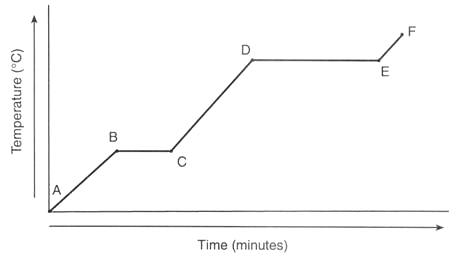
Is the substance gaining or losing energy?

a)

Gaining

b)

Losing

18.

Are the particles moving faster or slower as time goes on?

a)

Faster

b)

Slower

19.

What is happening to the particles in the substance between points A and B?

a)

Melting

b)

Freezing

c)

Speeding Up

d)

Slowing Down

20.

What is happening to the particles in the substance between points D and E?

a)

Melting

b)

Freezing

c)

Vaporizing

d)

Sublimating

21.

Where on the graph are phase changes taking place?

a)

1

b)

2

c)

3

d)

4

e)

5

22.

Is the substance gaining or losing energy?

a)

Gaining

b)

Losing

23.
Which of the following has a full valence shell?
a)
Oxygen
b)
Neon
c)
Barium
d)
Carbon
24.
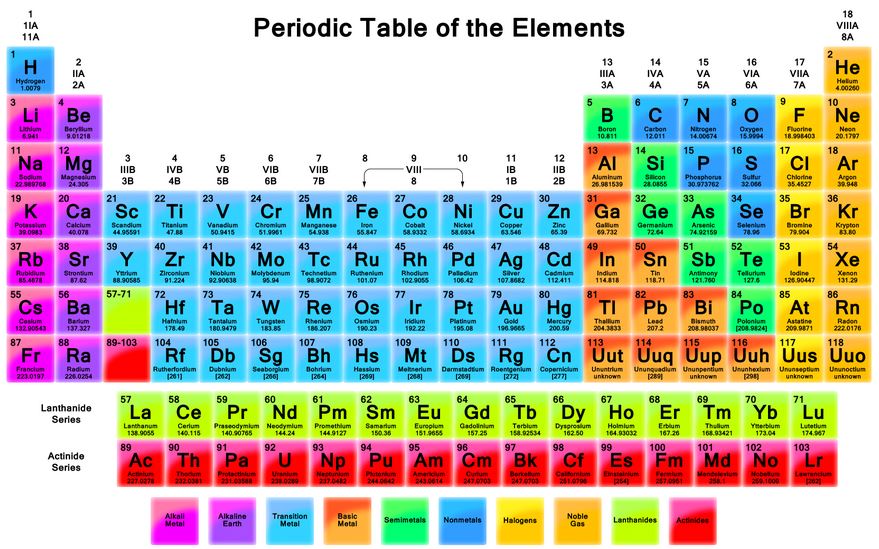
Elements on the LEFT side of the periodic table will most likely form:
a)
Positive ions
b)
Negative ions
c)
Neutral Ions
d)
None of these
25.
An ionic bond forms when atoms ___________ electrons.
a)
gain
b)
share
c)
increase
d)
transfer
26.
Which type of bond has a transfer of an electron from on atom to another?
a)
Polar Covalent 
b)
Non Polar Covalent
c)
Ionic
d)
Metallic
27.
All chemical bonds involve two atoms sharing electrons.
a)
True
b)
False
28.
Chemical bonds form when atoms
a)
combined nuclei
b)
give up neutrons
c)
gain protons
d)
share or transfer electrons
29.
If an atom loses two electrons what charge will it have?
a)
+ 2
b)
 - 2
c)
+1
d)
-1
30.
If an atom gains one electron what charge will it have?
a)
-2
b)
-1
c)
+1
31.
Covalent compounds
a)
Share electrons
b)
transfer electrons
c)
contain a sea of electrons
d)
conduct electricity
32.
What is the number of valence electrons for Oxygen?
a)
8
b)
6
c)
2
d)
1
33.
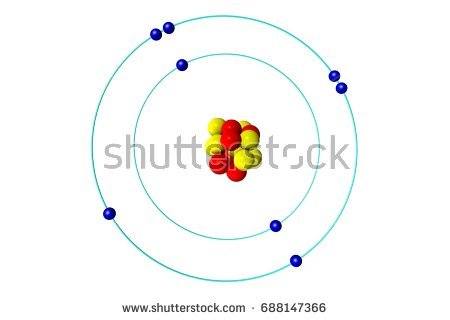
How many valence electrons in this structure?
a)
6
b)
5
c)
4
d)
7
34.
A bond that forms when electrons are transferred is called a/an
a)
ionic bond
b)
covalent bond
c)
hydrogen bond
35.

Why do atoms bond?

a)

They typically don't bond

b)

To add or take away energy levels

c)

To have a full valance shell.

d)

To have a full inner shell

36.

Which bond does this picture best represent?

a)

Metallic bond

b)

ionic bond

c)

covalent bond

d)

James Bond

37.

What do positive ions tend to do?

a)

lose electrons

b)

gain electrons

c)

lose protons

d)

gain protons

38.

What happens when magnesium loses 2 electrons?

a)

It stabilizes to a net charge of 0

b)

It turns into an atom

c)

It becomes negatively charged

d)

It becomes positively charged

39.

Predict the bond between Mg and Cl

a)

covalent

b)

ionic

c)

metallic

d)

none of the above

40.

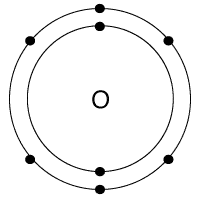
Which is the correct Lewis Structure for oxygen?

a)
b)
c)
d)
41.

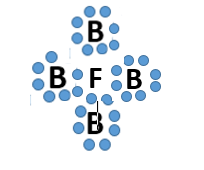
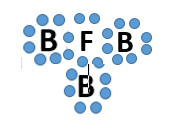
What is the correct Lewis structure for BF3?
a)
b)
c)
d)

BF3 (The formula is the Lewis Structure)

42.

What is the chemical formula for Lithium Nitride?

a)

Li3N

b)

LiN3

c)

NLi3

d)

N3Li

43.

What is the ionic formula for a bond between Calcium and Phosphorus?

a)

Ca2P3

b)

Ca3P2

c)

Ca2P5

d)

P5Ca2

44.

What category of element usually forms a positive ion?

a)

Metals

b)

Nonmetals

c)

metalloids

d)

Noble gases

45.

Which category of elements usually form negative ions?

a)

metals

b)

nonmetals

c)

metalloids

d)

noble gases

46.

CaCl2 is an example of what type of bond?

a)

Covalent

b)

Metallic

c)

Ionic

47.
What elements generally make an ionic bond?
a)
metal and nonmetal
b)
2 nonmetals
c)
metal
d)
none of the above
48.
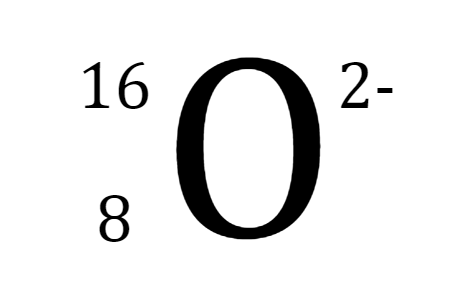
If an oxygen atom has 8 protons (+) and 10 electrons (-), what is it's charge?
a)
O10-
b)
O8+
c)
O2-
d)
O10+
49.
What is the correct term for "atom with more protons than electrons"?
a)
positive ion (cation)
b)
negative ion (anion)
c)
neutral atom
d)
stable atom
50.
What is the correct term for "atom with more electrons than protons"?
a)
positive ion (cation)
b)
negative ion (anion)
c)
neutral atom
d)
stable atom
51.
The correct formula for the diagram is _________.
a)
K2O
b)
2KO
c)
KOK2
d)
KO2
52.
Carbon has four electrons in its valence shell. How many nore electrons does carbon need to have a full valence shell?
a)
2 more
b)
4 more
c)
8 more
d)
0 more, it is already full
53.
Which of the following formulas represents the harmful gas, carbon monoxide?
a)
CO
b)
CO2
c)
NO
d)
SO2
54.
Which compound contains covalent bonds?
a)
NaI
b)
K2O
c)
N2O3
d)
BeO
55.
Which two elements would form an ionic bond?
a)
carbon and hydrogen
b)
oxygen and silicon
c)
cesium and iodine
d)
potassium and calcium
56.
Which of the following is a property of all covalent compounds?
a)
They are formed froma metal and a nonmetal.
b)
They are solids.
c)
They share electrons.
d)
They conduct electricity.
57.
Which is not a property of ionic compounds?
a)
They are formed when nonmetals bond to nonmetals.
b)
They form crystals.
c)
They dissolve in water.
d)
They have high melting points.
58.

Which of the following is NOT a cation?

a)

iron (III) ion

b)

sulfate

c)

Ca2+

d)

sodium ion

59.

Which of the following is true about the composition of ionic compounds?

a)

They are composed of anions and cations.

b)

They are composed of anions only.

c)

They are composed of cations only.

d)

They are formed from two or more nonmetallic elements.

60.

The chemical formula for CaS is

a)

Cerium sulfide

b)

Carbon sulfur

c)

Calcium sulfide

d)

Calcium sulfur

61.

The name for the ionic compound NaF is

a)

Sodium fluoride

b)

Nappium fluoride

c)

Sodium fluorine

d)

Fluorine sodiumide

62.

A cation is where

a)

There are more electrons than protons

b)

Protons and electrons are equal

c)

The number of electrons are less than the number of protons

63.

Anions are formed from

a)

Metals giving away electrons

b)

Non-metals receiving additional electrons

c)

Non-metals giving away electrons

d)

Cations losing their charge

64.

The name for the ion O2- is

a)

Oxygen anion

b)

Oxide anion

c)

Oxygen

d)

Oxide cation

65.

Lost an electron?

a)

Positively, you better keep an ion it.

b)

You're anion.

66.

Name the ionic compound, LiCl

a)

lithium chlorine

b)

lithium chloride

c)

lithium chlorate

d)

lithium monochloride

67.

Name the molecular compound CO

a)

carbon monoxide

b)

monocarbon monoxide

c)

carbide

d)

oxygen carbide

68.
K20 - name?
a)
potassium dioxide
b)
potassium oxide
c)
potassium oxygen
d)
dipotassium dioxide
69.
How many valence electrons are in an atom of phosphorus (P)?
a)
5
b)
4
c)
3
d)
2
70.
How many valence electrons are in an ion of arsenide, As3-?
a)
5
b)
18
c)
8
d)
2
71.
How many valence electrons are in a calcium ion (Ca2+)?
a)
2
b)
8
c)
18
d)
0
72.
Which of the following is the correct name for the chemical formula Li2S?
a)
Lithium sulfate
b)
lithium sulfide
c)
lithium sulfite
d)
lithium hyposulfite
73.
A water molecule contains
a)
one hydrogen atom and two oxygen atoms
b)
two hydrogen atoms and one oxygen atom
c)
two hydrogen atoms and two oxygen atoms
d)
two hydrogen atoms and no oxygen atoms
74.
What is the common name for NaCl?
a)
salt
b)
acid
c)
base
d)
water
75.
Which of these elements is the basis for all life?
a)
hydrogen
b)
oxygen
c)
carbon
d)
sodium
76.
CsCl
a)
Monocesium monochloride
b)
Cesium monochloride
c)
Cesium Chloride
77.
MgS 
a)
Magnesium sulfide
b)
Monomagnesium monosulfide
c)
Magnesium monosulfide
78.
Na2S
a)

Disodium sulfide

Disodium sulfide

b)
Sodium sulfide
c)
Sodium monosulfide
79.
What is the formula for magnesium phosphide?
a)
Mg3P2
b)
Mg2P3
c)
Mg2PO3
d)
Mg3(PO3)2
80.
Al2S3
a)
Dialuminum Trisulfide
b)
Aluminum sulfide
81.
The chemical formula for an ionic compound of potassium and oxygen is
a)
KO.
b)
K2O.
c)
K2O2.
d)
KO2.
82.
What is a cation?
a)
positive ion
b)
Neutral atom
c)
Two additional protons
d)
negative ion
83.
Name this compound: 
NaBr
a)
Bromide sodide
b)
Sodium bromide
c)
Sodium bromate
d)
Sodium bromite
84.
Name this compound: 
KF
a)
Potassium fluoride
b)
Potassium fluorite
c)
Fluorine potasside 
d)
Potassium fluorate
85.
Which of these compounds is ionic? 
a)
Carbon dioxide
b)
Dinitrogen Trioxide
c)
Silicon tetrachloride
d)
Lithium bromide
86.
What is the correct formula for Sodium Oxide?
a)
NaO
b)
NaO2
c)
Na2O
d)
Na2O2
87.
diphosphorus pentoxide
a)
P2O5
b)
PO5
c)
P5O2
d)
P2O6
88.
silicon dioxide
a)
SO2
b)
NaO2
c)
SiO2
d)
SiO
89.
SiCl4
a)
silicon tetrachloride
b)
silicon quadchloride
c)
monosilicon tetrachloride
d)
silicon chloride
90.
The chemical formula of sulfur hexabromide is
a)
SBr₆
b)
S₆Br
c)
S(VI)Br
d)
S6Br
91.
The chemical formula of carbon tetrachloride is
a)
CCl
b)
C₄Cl
c)
CCl₄
d)
C(IV)Cl
92.
The chemical formula of dinitrogen textroxide is
a)
Ni₂O₄
b)
NiO
c)
N₂O₄
d)
NiO₂
93.
The name of P₄S₁₀ is
a)
phosphorous sulfide
b)
phosphorus sulfide
c)
tetraphosphorus decasulfide
d)
phosphorus (X) sulfide
94.
The chemical formula of tetraphosphorus heptaoxide is
a)
F₄O₁₀
b)
P₄O7
c)
PO
d)
P₁₀O₄
95.
The chemical formula of dinitrogen textroxide is
a)
Ni₂O₄
b)
NiO
c)
N₂O₄
d)
NiO₂
96.
What's the formula for chlorine dioxide
a)
ClO2
b)
CLO
c)
ClO3
d)
HClO2
97.
What is the formula for Hexaboron Monosilicide
a)
B6Si
b)
BSi
c)
BSi6
d)
B6Si6
98.
What is the OFFICIAL name for H2O
a)
Hydrogen Oxide
b)
Oxygen Dinitride
c)
Agua
d)
Dihydrogen Monoxide
99.
BrO3
a)
bromine oxide
b)
monobromine trioxide
c)
bromine trioxide
d)
bromine (III) oxide
100.
What is the formula for Tricarbon Octahydride?
a)
Ca3O
b)
C2H8
c)
C3H8
d)
Ca3H8
101.
What is the correct name for NO?
a)
Mononitrogen Monoxide
b)
Nitrogen Monoxide
c)
Mononitrogen Dioxide
d)
Nitrogen Oxide
102.
Which of the following is NOT an ionic compound:
a)
CaO
b)
NaOH
c)
BaCl2
d)
Br2
103.
What is the correct chemical formula for Nitrogen Triiodide?
a)
NI3
b)
N3I3
c)
NOI
d)
NeI3
104.
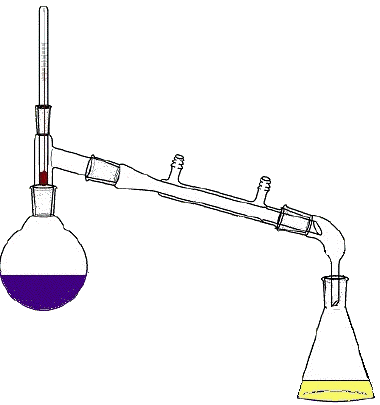
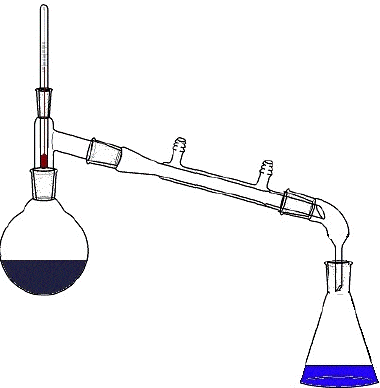
Which of the following pairs of substances may best be separated through distillation
a)
 sand and soil
b)
water and soil
c)
salt and sand
d)
 water and alcohol
105.
Which one of the following techniques would best be used to separate soil and water?
a)
Decanting
b)
distillation
c)
Filtration
d)
Chromatography
106.
Which one of the following solids is insoluble in water?
a)
sugar
b)
sand
c)
copper sulfate
d)
salt
107.
Two or more substances mingled together, but not chemically combined are known as a
a)
residue
b)
solution
c)
distillate
d)
mixture
108.

In a coffee machine, the ground coffee is separated from the coffee solution by using..

a)

sand paper

b)

filter paper

c)

toilet paper

d)

tissue paper

109.
Water and alcohol are easily separated by distillation because of their
a)
 different melting points
b)
different colours
c)
different densities
d)
different boiling points
110.

Which one of the following is NOT considered a mixture?

a)

Sugar

b)

Paint

c)

Crude oil

d)

Air

111.
Iron fillings can be separated from iron and Sulphur mixture by
a)
sedementation
b)
heating
c)
magnetic attraction
d)
seiving
112.

The substance that is dissolved into a solvent is called the ...?

a)

solution

b)

solute

c)

mixture

d)

compound

113.
What is a solvent?
a)
The substance that does the dissolving in a solution.
b)
The substance that is being dissolved in a solution.
c)
The mixing of different substances.
d)
The process in which neutral molecules lose or gain electrons
114.
In the above picture, a powder is about to be poured into the liquid. Which of the following should be done to make this powder dissolve faster?

a)
stir the powder in the liquid
b)
freeze the mixture
c)
add more powder to the liquid
d)
store the mixture in a dark place
115.

Kool-Aid Powder, sugar, and water

Of these three,which one is the solvent?

a)

water

b)

powder

c)

sugar

d)

powder and sugar

116.

To make lemonade we use: water, lemon juice, and sugar. Which substance is a solute?

a)

water

b)

lemon juice

c)

sugar

117.

When the solute dissolves into a solvent and disappears it is called a _____________.

a)

mixture

b)

solution

c)

element

118.

Which is an example of a solution?

a)

trail mix

b)

cereal with milk and banannas

c)

a bag of candy

d)

tea

119.
What is a mixture?
a)
A chemical combination of two or more different substances.
b)
A physical combination of two or more different substances.
c)
A chemically pure substance.
d)
A special type of solution
120.
What type of mixture is uniform in composition?
a)
A chemical mixture
b)
A homogeneous mixture
c)
A heterogeneous
d)
A compound
121.
Which separation technique is most helpful in removing dust in air or impurities? 
a)
Mechanical separation
b)
Magnetism
c)
Filtration
d)
Heating and Cooling
122.

An element

a)

contains one type of atom

b)

contains two or more different type of atoms

c)

is two or more different substances not chemically combined

d)

is the way something is put together or combined

123.

A pure substance is

a)

the way something is put together or combined

b)

two or more different substances not chemically combined

c)

a kind of matter that always has a specific composition chemically combined.

d)

a small number that tells the amount of each element in a compound

124.

Contains two or more different substances that are physically, not chemically, combined

a)

a mixture

b)

an element

c)

a compound

d)

a chemical formula

125.

What is this?

a)

element

b)

compound

c)

mixture

126.

What is this?

a)

element

b)

compound

c)

mixture

127.

What is this?

a)

element

b)

compound

c)

mixture

128.

What is this?

salt (NaCl)

a)

element

b)

compound

c)

mixture

129.

What is this?

lithium (Li)

a)

element

b)

compound

c)

mixture

130.

What is this?

salt water

a)

element

b)

compound

c)

mixture

131.

Air

a)

Homogeneous mixture

b)

Heterogeneous mixture

132.

Homogeneous mixture

a)

A mixture with a composition that varies from point to point

b)

A mixture with a uniform composition and appears visually the same throughout

133.

Sand

a)

Mixture

b)

Compound

134.

Chicken noodle soup

a)

Homogeneous mixture

b)

Heterogeneous mixture

135.

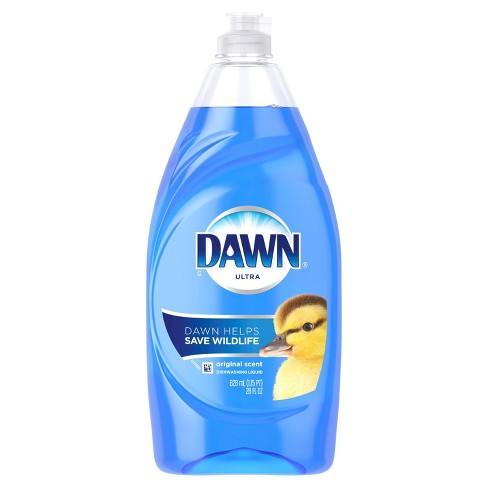
A bottle of dishwashing detergent contains a clear, viscous liquid. The label has a long list of ingredients, including water, sodium lauryl sulfate, fragrance, and Blue dye #5.

What can you infer about the material in the bottle from this label and the appearance of the liquid?

a)

It is a pure substance.

b)

It is a compound.

c)

It is a heterogeneous mixture.

d)

It is a homogeneous mixture.

136.

In a mixture, which of the following is always true?

a)

It is a liquid.

b)

It contains dissolved solids.

c)

It is composed of two or more pure substances.

d)

It cannot be separated into individual components.

137.

A 14-karat gold ring consists of 14 parts gold and 10 parts copper. This alloy can be separated by density when melted. Which type of matter is the 14-karat gold ring?

a)

Compound

b)

Pure Substance

c)

Homogeneous Mixture

d)

Heterogeneous Mixture

138.

Which is an example of a container filled with a pure substance?

a)

a glass of iced tea

b)

a bucket of salt water

c)

a tire filled with air

d)

a balloon filled with helium

139.

What type of substance is pictured?

a)

element

b)

compound

c)

mixture

d)

solution

140.

What type of substance is pictured?

a)

element

b)

compound

c)

mixture

d)

solution

141.

A substance that can NOT be broken down by physical or chemical means

a)

element

b)

compound

c)

mixture

142.

Matter that is composed of one type of atom is ...

a)

an element

b)

a compound

c)

a molecule

d)

a mixture

143.
This is the correct dot diagram for sodium (Na)
a)
true
b)
false
144.
This could be the dot diagram of
a)
Mg
b)
Cl
c)
C
d)
O
145.
This could be the dot diagram of 
a)
Ne
b)
Si
c)
Al
d)
Be
146.

What is the correct Lewis Dot Structure for ammonia NH3

a)
b)
c)
d)
147.

How many total valence electrons are participating in bonding in the molecule above?

a)

8

b)

4

c)

2

d)

3

148.

Which is the correct molecular structure for carbon dioxide?

a)
b)
c)
d)
149.

CO2 has how many lone pairs?

a)

0

b)

1

c)

2

d)

3

e)

4

150.
Which of the following is the correct Lewis dot structure for the molecule fluorine (F2)?
a)
A
b)
B
c)
C
d)
D
151.

CCl4 has how many double bonds?

a)

0

b)

1

c)

2

d)

3

152.

In HCN (Carbon is usually the central atom) what kind of bond is between the C and N

a)

Single

b)

Double

c)

Triple

153.

CHCl3 has how many double bonds?

a)

0

b)

1

c)

2

d)

3

154.

CH2O has which of the following?

a)

Multiple double bonds

b)

Multiple single bonds

c)

One double bond

d)

One single bond

e)

A lone pair

155.

Which of the following elements are an exception to the octet rule and require less than 8 valence electrons?

a)

H

b)

Li

c)

Be

d)

B

e)

C