wayground logo

Free Printable Worksheets

Font size

S
M
L
XL
Worksheets

Bonding & Naming Review (ALL)

Total questions: 150

Worksheet time: 9hrs 27mins

Name
Class
Date
1.
A bond that involves the sharing of electrons with an unequal attraction for those electrons.
a)
nonpolar covalent
b)
polar covalent
c)
ionic
d)
metallic
2.
Which type of bond forms compounds that are made up of cations and anions?
a)
ionic
b)
polar covalent
c)
nonpolar covalent
d)
metallic
3.
Which type of bond forms compounds that are nonconductors as solids but conductors in water?
a)
metallic
b)
ionic
c)
nonpolar covalent
d)
polar covalent
4.
Which type of bond involves a compound that has low boiling and melting points
a)
ionic
b)
metallic
c)
covalent
5.
Which of the following compounds contains a polar covalent bond?
H = 2.1      Cl = 3.0
a)
Cl2
b)
H2
c)
HCl
6.
If two covalently bonded atoms are identical, the bond is
a)
nonpolar
b)
polar
c)
ionic
d)
coordinate
7.
Which statement is true?
a)
metals give up electrons and become anions
b)
metals give up electrons and become cations
c)
metals take electrons to become anions
d)
metals take electrons to become cations
8.
Which family/group on the periodic table loses one electron to become a 1+ charge?
a)
alkali metals
b)
alkaline earth metals
c)
halogens
d)
noble gases
9.
Which of the following is the most common charge for the sulfide ion?
a)
S1-
b)
S2-
c)
Na1+
d)
S1+
10.
What shape does the molecule of ammonia (NH3) have?
a)
tetrahedral
b)
trigonal pyramidal
c)
trigonal planar
d)
angular (bent)
11.
What shape does the molecule carbon dioxide (CO2) have?
a)
tetrahedral
b)
angular (bent)
c)
linear
d)
trigonal pyramidal
12.
What shape does the carbonate ion (CO32-) have?
a)
tetrahedral
b)
angular (bent)
c)
trigonal planar
d)
linear
13.
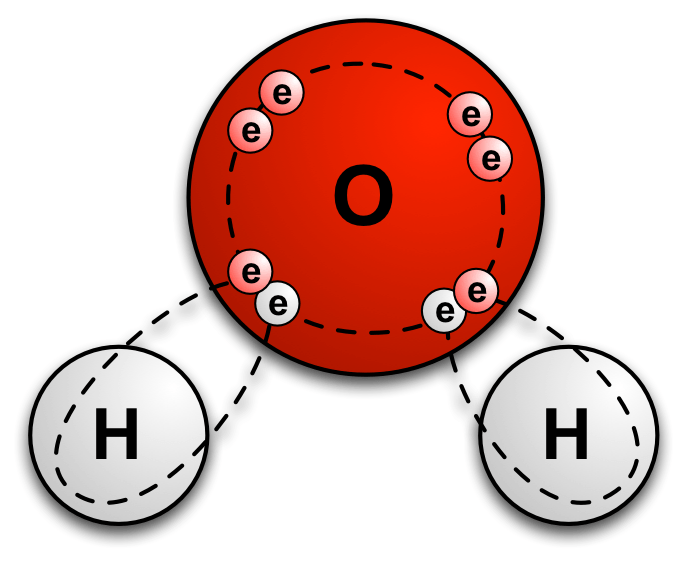
The following molecules contain polar bonds. The only polar molecule is
a)
CCl4
b)
CO2
c)
H2O
d)
BF3
14.
Which of the following is the correct formula for zinc chloride?
Zn2+ &  Cl1-
a)
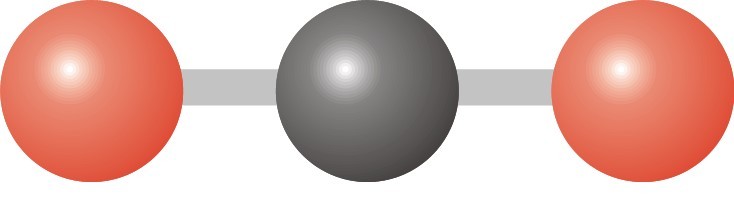
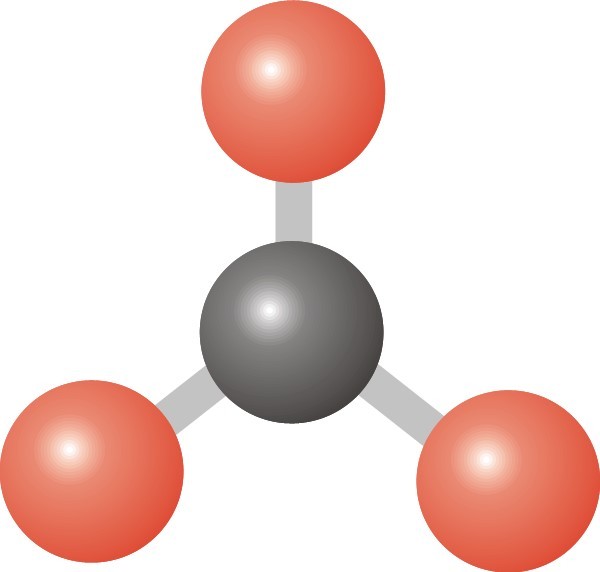
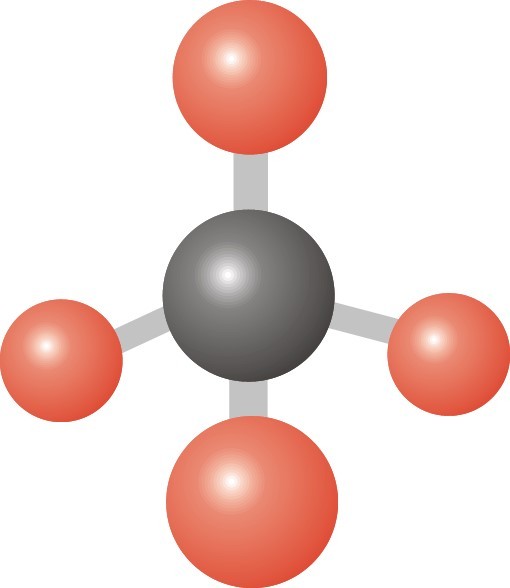
ZnCl
b)
ZnCl2
c)
Zn2Cl3
d)
Zn3Cl2
15.
Name the compound -  FeO
a)
iron oxide
b)
iron(II) oxide
c)
iron(III) oxide
d)
ironide oxygen
16.
What is the compound formed from aluminum and hydroxide ions?
Al3+ & (OH1-)
a)
AlOH
b)
Al(OH)2
c)
Al(OH)3
d)
AlOH2
17.
What is the proper name for the compound -- N2O3
a)
sodium tetroxide
b)
dinitrogen trioxide
c)
binitrogen oxide
d)
nitrogen(II) oxide
18.
Which of the following bonds is the strongest?
a)
single bonds
b)
double bonds
c)
triple bonds
d)
Harambe bonds
19.
Which of the following bonds is the shortest?
a)
single bonds
b)
double bonds
c)
triple bonds
d)
James Bond
20.
Name the compound KNO3
a)
potassium nitrate
b)
potassium mononitrogen trioxide
c)
potassium nitroxide
d)
potassium trioxide
21.
Choose which polyatomic ion is known as the ammonium ion.
a)
NH4+
b)
NO31-
c)
NO21-
d)
N3-
22.
Which of the following metals makes multiple charges (transition metal)?
a)
calcium (Ca)
b)
sodium (Na)
c)
iron (Fe)
d)
zinc (Zn)
23.
What charge does the name copper(II) indicate?
a)
1+
b)
2+
c)
3+
d)
4+
24.
What kind of bond forms when one kind of atom gives electrons to another kind of atom?
a)
Chemical bon
b)
Ionic bond
c)
Covalent bond
d)
Electron bond
25.
What is the formula for Hydrophosphoric Acid
a)
H3P
b)
HP
c)
HPO4
d)
H3PO4
26.
What is the formula for sulfuric acid?
a)
HSO3
b)
H2SO3
c)
H2SO4
d)
H3SO4
27.
Name the acid: HC2H3O2
a)
Acetic Acid
b)
Acetous Acid
c)
Hydrogen Acetate
d)
Hydrogen Dicarbon Trihydrogen Dioxygen
28.
What is the formula for nitric acid?
a)
HNO2
b)
HNO3
c)
HNO4
d)
H2NO3
29.
What is the formula for hydrochloric acid?
a)
HCl
b)
HClO
c)
H3ClO3
d)
HClO3
30.
What is the name of bromic acid?
a)
HBr
b)
HBrO2
c)
HBrO3
d)
H3BrO3
31.
What is the formula for perchloric acid?
a)
H3ClO3
b)
H3ClO4
c)
HClO3
d)
HClO4
32.
What is the formula for phosphorous acid?
a)
H3PO4
b)
H2PO4
c)
H3P
d)
H3PO3
33.
Name the acid: HC2H3O2
a)
Acetic Acid
b)
Acetous Acid
c)
Hydrogen Acetate
d)
Hydrogen Dicarbon Trihydrogen Dioxygen
34.
Name the Acid: H2S
a)
Sulfuric Acid
b)
Sulfurous Acid
c)
Hydrosulfuric Acid
d)
Hydrosulfurous Acid
35.
Name the acid: H2SO3
a)
Sulfurous Acid
b)
Sulfuric Acid
c)
Hydrosulfuric Acid
d)
Hydrosulfurous Acid
36.
Name the Acid: HCl
a)
Hydrochloric Acid
b)
Hydrochlorous Acid
c)
Chloric Acid
d)
Chlrorous Acid
37.
Name the acid: HBrO3
a)
Hypobromous Acid
b)
Bromous Acid
c)
Bromic Acid
d)
Perbromic Acid
38.
What is the formula for: Hydrosulfuric Acid
a)
H2S
b)
H2SO4
c)
HS
d)
H2SO3
39.
What is the formula for: Nitric Acid
a)
HNO2
b)
HNO3
c)
HN
d)
HCN
40.
What is the formula for: Phosphorous Acid
a)
H3PO3
b)
H2PO3
c)
HPO2
d)
H3PO4
41.
What is the formula for Carbonic Acid?
a)
H2CO3
b)
HCO3
c)
HC
d)
H2CO2
42.
The chemical formula for sulfuric acid is H2SO4.
a)
true
b)
fasle
43.
What is the formula for sulfuric acid?
a)
HSO3
b)
H2SO3
c)
H2SO4
d)
H3SO4
44.
What is the formula for nitric acid?
a)
HNO2
b)
HNO3
c)
HNO4
d)
H2NO3
45.
What is the formula for hydrochloric acid?
a)
HCl
b)
HClO
c)
H3ClO3
d)
HClO3
46.
What is the formula for perchloric acid?
a)
H3ClO3
b)
H3ClO4
c)
HClO3
d)
HClO4
47.
Name the acid: H2SO3
a)
Sulfurous Acid
b)
Sulfuric Acid
c)
Hydrosulfuric Acid
d)
Hydrosulfurous Acid
48.
What is the formula for hydrosulfuric acid?
a)
H2SO3
b)
H2S
c)
H2SO2
d)
H2SO4
49.
What kind of bond forms when atoms share electrons?
a)
Chemical bond
b)
Ionic bond
c)
Covalent bond
d)
Electron bond
50.
What kind of bond forms when one kind of atom gives electrons to another kind of atom?
a)
Chemical bon
b)
Ionic bond
c)
Covalent bond
d)
Electron bond
51.
What is the name of Ca(NO3)2
a)
calcium nitrite
b)
calcium II nitrate
c)
calcium nitrate
d)
carbon nitrate
52.
Name that Ion
Li+
a)
copper (III)
b)
lithium
c)
ladmium
d)
iodine
53.
Br-
a)
bromide
b)
bromine
c)
boron
d)
barium
54.
Name the following ionic compound: LiNO3
a)
lithium nitrate
b)
lithium III nitrate
c)
lithium nitride
d)
lithium oxide
55.

MgF2

(a)  

56.

Name the following ionic compound: Cs2S

(a)  

57.
Al+3  combines with (PO4)-3 to make the following compound
a)
Ai(PO4)
b)
Al(PO4)
c)
Al(PO4)3
d)

Ai(SO)7

58.
Phosphorous trichloride
a)
PCl3
b)
P3Cl
c)
P3Cl3
d)
PCL
59.
Bromine monoflouride
a)
Br1F1
b)
BrF
c)
Br2F
d)
BrF2
60.
Disulfur trioxide
a)
S3O2
b)
SO
c)
S2O3
d)
S2O
61.
SeF4
a)
Tetraselenium fluoride
b)
Selenium Fluoride
c)
Selenium tetraflouride
d)
Selenium (IV) Fluoride
62.
PBr5
a)
Phosphorus Bromide
b)
Phosphorus Pentabromide
c)
Pentaphosphorus bromide
d)
Phosphorus Bromine
63.
Lower in energy =
a)
More stability
b)
Less stability
c)
No stability at all
d)
No valid answer 
64.
What does prefix tetra mean?  
a)
8
b)
3
c)
7
d)
4
65.
Covalent bond forms between....
a)
Nonmetals
b)
Metals
c)
Nonmetal and a Metal
d)
Metal and a Nonmetal
66.
What does prefix penta mean?  
a)
idk
b)
5
c)
2
d)
10
67.
What molecule is this?
a)
CO
b)
CO2
c)
C2O
d)
C2O2
68.
Are the atoms more stable when they are bonded together or when they are apart? 
a)
Bonded Together
b)
Apart
69.
Is Hydrogen considered a metal or a non-metal?
a)
Metal
b)
Non-metal
70.
Covalent bonding is typically explained as a bond that forms when
a)
atoms are sharing electrons
b)
atoms are sharing protons
c)
atoms are not sharing anything
d)
atoms are sharing electons
71.
What does prefix Mono mean?  
a)
0
b)
2
c)
1
d)
5
72.
What do the prefixes in front of the element name tell us?
a)
they tell us how many atoms are not present 
b)
they tell us how many protons are in the molecule
c)
how many atoms of that element are present in that molecule
73.
A single covalent bond results in how many shared electrons?
a)
1
b)
2
c)
4
d)
3
74.
What is the difference between covalent bonds and ionic bonds?
a)
Covalent bonds consist of one atom giving up an electron, while ionic bonds consist of two atoms sharing electrons
b)
Covalent bonds consist of two atoms sharing electrons, while ionic bonds consist of one atom giving up an electron
c)
There is a difference in the number of atoms in each
d)
They occur at different atmospheric levels
75.

P2O5

(a)  

76.

CO

(a)  

77.

What is the formula for this molecule?

a)
SNa3
b)
H3O
c)
NaCl
d)

H2O

78.

What is the chemical formula for dinitrogen trioxide?

(a)  

79.
phosphorus trichloride
a)
KCl3
b)
PCl3
c)
K3Cl
d)
P3Cl
80.
silicon dioxide
a)
SO2
b)
NaO2
c)
SiO2
d)
SiO
81.

P₄S₁₀

a)

tetrapotassium decasulfide

b)

phosphorus decasulfide

c)

tetraphosphorus decasulfide

d)

phosphorus (X) sulfide

82.
SiCl4
a)
silicon tetrachloride
b)
silicon quadchloride
c)
monosilicon tetrachloride
d)
silicon chloride
83.

SO₃

a)

sulfate

b)

sulfur oxide

c)

sulfur trioxide

d)

monosulfur trioxide

84.

tetraphosphorus heptoxide

(a)  

85.

hexaboron monosilicide

(a)  

86.

What is the OFFICIAL name for H2O? Hint.. This is a trick question so choose carefully!

a)

Hydrogen Oxide

b)

Oxygen Dinitride

c)

Water

d)

Dihydrogen Monoxide

87.

How many Nitrogen atoms are in Dinitrogen Monoxide

a)
1
b)
2
c)
3
d)
4
88.
Name the following ionic compound: MgSO4
a)
magnesium sulfoxide
b)
magnesium sulfide
c)
magnesium sulfate
d)
magnesium oxide
89.
CN-
a)
cyanide
b)
carbon nitride
90.
Name this compound: 
NH4F
a)
Ammonia fluoride
b)
Ammonium fluorite
c)
Ammonia fluorate
d)
Ammonium fluoride
91.
What is the name of NH4Cl?
a)
nitrogen tetrahydrogen chloride
b)
ammonium chlorine
c)
ammonium chloride
d)
ammonium chlorate
92.
What's the name of the compound NH4NO?
a)
nitrogen hydrogen oxygen
b)
ammonium nitrite
c)
nitrogenous water
d)
ammonium nitrate
93.
What is the name of Mg(OH)2?
a)
Magnesium Hydride
b)
Magnesium Dihydride
c)
Magnesium Dihydroxide
d)
Magnesium Hydroxide
94.
What is the name of Al(NO3)3?
a)
Aluminum trinitrate
b)
Monoaluminum nitrate
c)
Aluminum (III) nitrate
d)
Aluminum Nitrate
95.

Name the following compound: NaNO3

a)

Sodium Nitrogen Oxide

b)

Sodium nitrate

c)

Sodium nitrite

d)

Sodium nitride

96.

What is the name of K3PO4?

(a)  

97.

What is the name of Al(NO3)3?

(a)  

98.

SO42-

(a)  

99.

Name the following ionic compound: LiNO3

(a)  

100.

What is the name of CO32-?

(a)  

101.

What is the name of ClO3-?

a)
chlorite
b)
chlorate
102.
How many valence electrons are in Phosphorus?
a)
15
b)
4
c)
5
d)
31
103.
How are covalent bonds explained?
a)
When one atom takes the other atom's electron
b)
When the atom shares an electron with an another atom
c)
When the two nucleus merge
d)
When the neutrons leave the nucleus
104.
How many electrons are easily available for bonding in a chlorine atom when drawing the Lewis dot symbol of a chlorine?
a)
7
b)
3
c)
5
d)
1
105.
The molecular geometry of boron trichloride is...
a)
tetrahedral
b)
trigonal planar
c)
trigonal bipyramidal
d)
trigonal pyramidal
106.
Which molecule contains one unshared pair of valence electrons? 
a)
H2O
b)
NH3
c)
CH4
d)
CO2
107.
A molecule consists of four bonds and no lone pairs. What is its structure? 
a)
square planar
b)
tetrahedral
c)
linear
d)
square pyramidal 
108.
*
a)
linear
b)
trigonal planar
c)
trigonal pyramid
d)
bent of angular
109.
*
a)
trigonal pyramid
b)
linear
c)
bent
d)
angular
110.
*
a)
tetrahedral
b)
trigonal pyramid
c)
angular or bent
d)
trigonal plane
111.
Hint: Draw the Lewis dot structure for NH3.
a)
tetrahedral
b)
trigonal pyramid
c)
trigonal planar
d)
bent or angular
112.
BCl3 would have what structure?
a)
linear
b)
tetrahedral
c)
trigonal planar
d)
trigonal pyramidal
113.
Which of these has a double bond?
a)
Cl2
b)
H2
c)
N2
d)
O2
114.
Which of the following describes water?
a)
Linear structure, nonpolar
b)
Linear structure, polar
c)
Angular/bent structure, nonpolar
d)
Angular/bent structure, polar
115.
How many lone pairs are on the central atom in ammonia (NH3)?
a)
0
b)
1
c)
2
d)
3
116.
VSEPR stands for ________ theory.
a)
Valence Structure of Electron Pyramids and Regression
b)
Varied Structures of Electrons Paired and Replaced
c)
Varied Shell Energy of Protons and Radiation
d)
Valence Shell Electron Pair Repulsion
117.
A molecule consists of four bonds and no lone pairs. What is its structure? 
a)
square planar
b)
tetrahedral
c)
linear
d)
square pyramidal 
118.
Which of the following is a covalent compound? 
a)
SrI2
b)
P4O10 
c)
LiOH 
d)
ZnS 
119.
What two types of atoms make a covalent bond?
a)
2 Nonmetals
b)
1 Nonmetal and 1 Metal
c)
2 Metals
d)
2 Noble Gases
120.
How many electrons are shared in a triple bond?
a)
6
b)
3
c)
6 pairs
d)
5
121.
How many valence electrons do elements in Group 2A have?
a)
12
b)
4
c)
1
d)
2
122.
Draw the Lewis structure for OF2 and determine the number of lone pairs on the central atom.
a)
none
b)
1
c)
2
d)
it's ionic
123.
What is the name of pairs of electrons that do not participate in bonding? 
a)
outer pair
b)
unvalenced pair
c)
unshared pair
d)
inner pair
124.
The shape of Carbon Dioxide is called ______. 
a)
tetrahedral
b)
square
c)
planar
d)
linear
125.
An ionic bond forms when atoms ___________ electrons.
a)
gain
b)
share
c)
increase
d)
transfer
126.
Which type of bond has an equal sharing of electrons?
a)
Polar Covalent 
b)
Non Polar Covalent
c)
Ionic
d)
Metallic
127.
Which type of bond has an unequal sharing of electrons?
a)
Polar Covalent 
b)
Non Polar Covalent
c)
Ionic
d)
Metallic
128.
All chemical bonds involve two atoms sharing electrons.
a)
True
b)
False
129.
How many valence electrons in this structure?
a)
6
b)
5
c)
4
d)
7
130.
Which type of bond creates a "pool" of electrons between atoms?
a)
Ionic Bonds
b)
Covalent Bonds
c)
Metallic Bonds
d)
Saving Bonds
131.

What usually forms the positive ion?

a)

Metal

b)

Nonmetals

c)

None

132.
Using electronegativities, what type of bond is formed by S and Br.
a)
ionic
b)
polar covalent
c)
non-polar covalent
133.
Using electronegativities, what type of bond is formed by Co and F.
a)
ionic
b)
polar covalent
c)
non-polar covalent
134.
Soluble in Water
a)
Ionic
b)
Covalent
135.
High Melting & Boiling Points
a)
Ionic
b)
Covalent
136.
Relatively soft
a)
Ionic
b)
Covalent
137.
Valence electrons are: 
a)
Electrons farthest away from the nucleus
b)
Electrons closest to the nucleus
c)
Electrons that just come and go - they don't stay with the atom
d)
Electrons in the second shell
138.

Which of these is incorrect?

a)
b)
139.
What would you name this molecule?
a)
SNa3
b)
H3O
c)
NaCl
d)
H2O
140.
Which of these is NOT an alloy?
a)
bronze
b)
copper
c)
brass
d)
stainless steel
141.
What is the basis of a metallic bond?
a)
the attraction of neutral metal atoms.
b)
the attraction between protons and neutrons.
c)
the attraction between positive metal ions and interlocking electrons.
d)
the attraction between positive metal ions and free floating electrons.
142.
Electrons that are free to move in metals
a)
delocalized electrons
b)
oxidation number
c)
chemical bond
d)
salts
143.
How many electrons are shared in a double bond?
a)
2
b)
4
c)
6
d)
8
144.
What two types of atoms make a covalent bond?
a)
2 Nonmetals
b)
1 Nonmetal and 1 Metal
c)
2 Metals
d)
2 Noble Gases
145.
Which molecule would have this shape?
a)
BF3
b)
CH4
c)
PCl5
d)
CO2
146.
What molecule could this be? 
a)
BF3
b)
CH4
c)
H2O
d)
CO2
147.
Who could this molecule be?
a)
CH4
b)
CO2
c)
PCl5
d)
BF3
148.

Is this molecule polar or non-polar?

a)

Non-polar

b)

Polar

149.
What VSEPR structure is this?
a)
Trigonal Pyrimidal
b)
Trigonal Planar
c)
Tetrahedral
150.

Oxygen in the air that we breathe is a molecule of two oxygen atoms held together by a double bond (O2).

How many electrons are being shared between the two atoms?

a)

4

b)

8

c)

12

d)

16