wayground logo

Free Printable Worksheets

Font size

S
M
L
XL
Worksheets

whayatever

Total questions: 158

Worksheet time: 4hrs 34mins

Name
Class
Date
1.
What is a coefficient?
a)
The small number on the right of the chemical symbol.
b)
The large number to the left of a formula.
2.
Which side of a chemical equation is the product side?
a)
Left (before the arrow)
b)
Right (after the arrow)
3.
Which side of a chemical equation is the reactant side?
a)
Left (before the arrow)
b)
Right (after the arrow)
4.
Which problem is balanced?
a)
PbO2 + 2H2
b)
SO2 + H20 --> H2SO4
c)
2Na + 2H2O --> 2NaOH + H2
5.
Is the equation balanced?: 2H2O + O2 --> 4MgO + 3Fe
a)
Yes
b)
No
6.
What is the little number after an element in a chemical equation called.
Example: H2
a)
Coefficient 
b)
Subscript
c)
Atom
d)
Equation
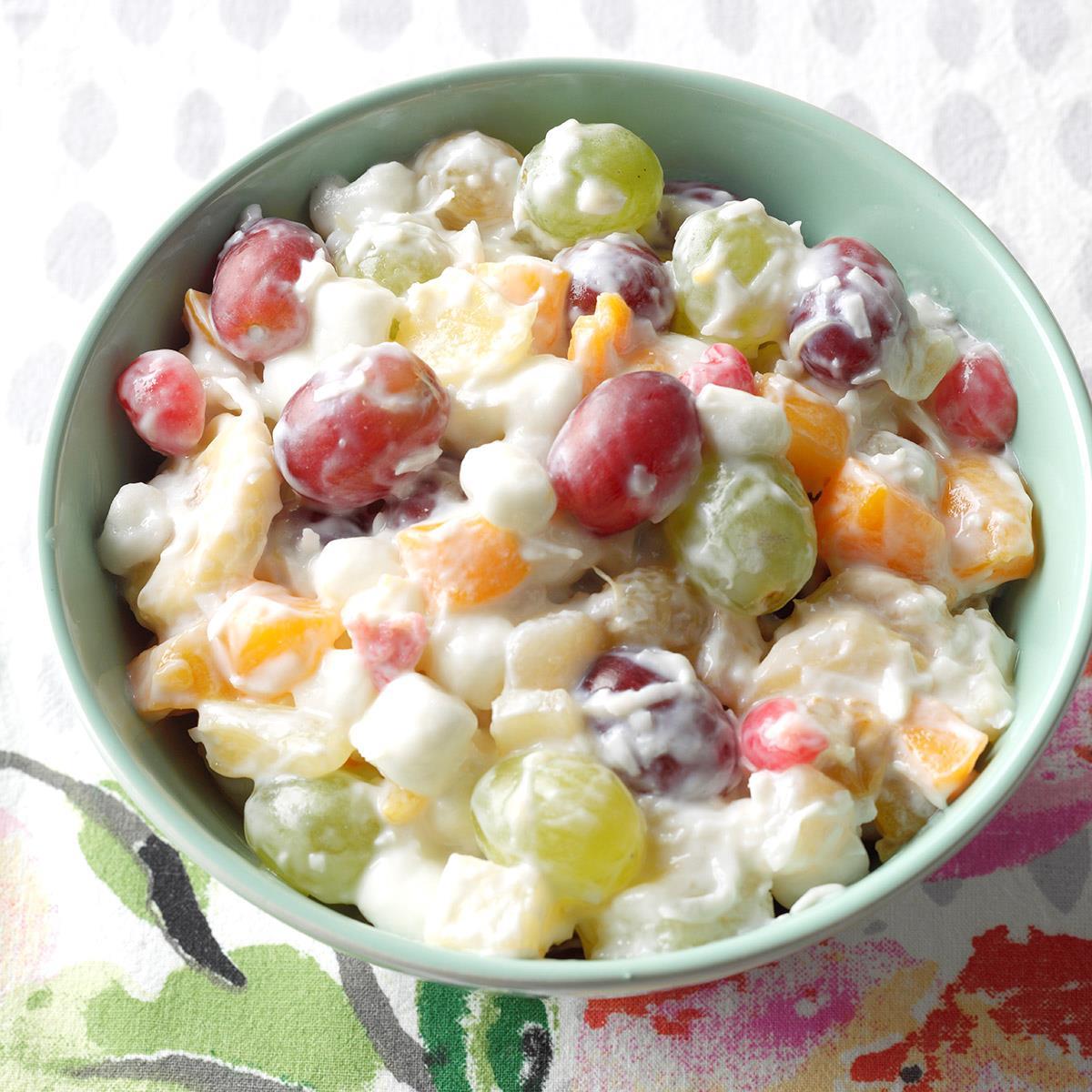
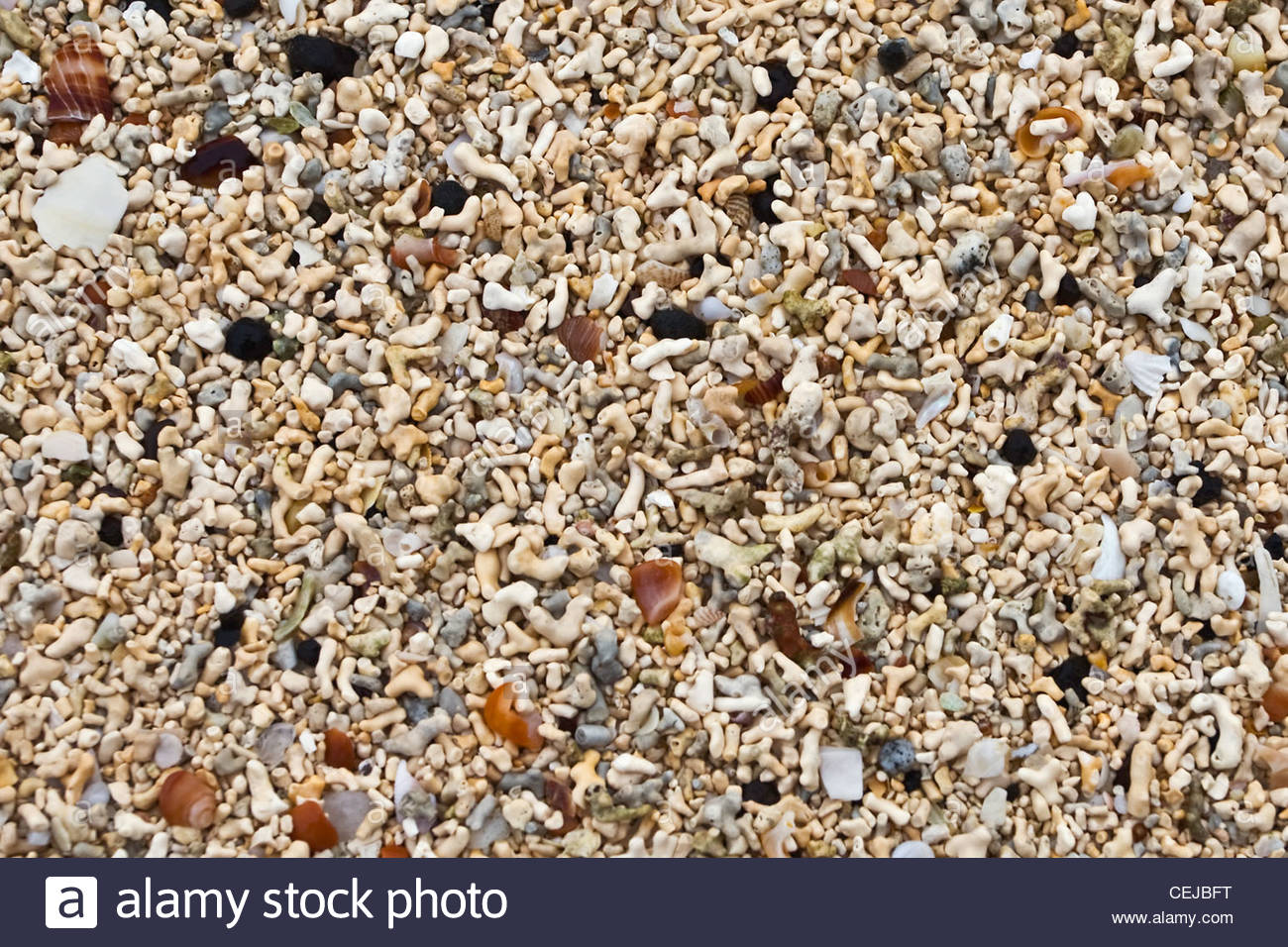
7.
Balance this equation
_Zn+_HCl-->_ZnCl+_H2
a)
1,1,2,1
b)
1,1,1,2
c)
1,2,1,1
d)
2,1,1,1
8.
Balance this equation.
_Mg + _Cl--> _MgCl2
a)
1, 2,1
b)
already balanced
c)
2,1,1
d)
1,1,2
9.
What does the Law of Conservation of Mass state?
a)
Matter cannot be gained or lost in a chemical reaction.
b)
Matter can only be lost in a chemical reaction.
c)
Matter can only be gained in a chemical reaction.
d)
Matter can be gained and lost in a chemical reaction. 
10.
Is this balanced?...
Fe + S --> FeS
a)
YES!
b)
NO!
11.
KNO3 --> KNO2 + O2
What coefficients are needed to balance the reaction?
a)
2, 2, 1
b)
2, 3, 2
c)
1, 2, 2
d)
1, 3, 1
12.
Balance this equation-
__P+ __O--> __P2O3
a)
it is already balanced
b)
2, 1, 3
c)
1, 2, 3
d)
1, 3, 2
13.
Balance this equation.
_Mg + _Cl--> _MgCl2
a)
1, 2,1
b)
already balanced
c)
2,1,1
d)
1,1,2
14.
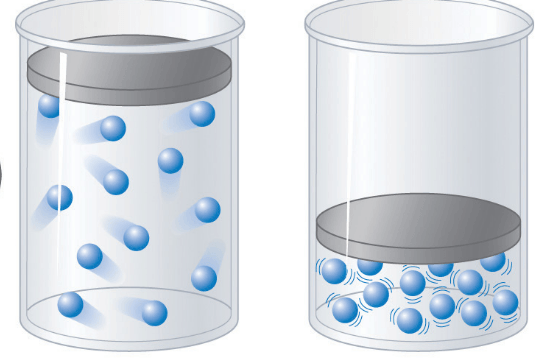
Balance this equation.
_CH4 + _O--> _CO+ _H2O
a)
1,2,1,1
b)
2,1,2,1
c)
1,2,1,2
d)
0,2,0,2
15.
Is the equation balanced?: 2H2O + O2 --> 4MgO + 3Fe
a)
Yes
b)
No
16.
Balance this equation
_N+ _H--> _NH3
a)
1,2,3
b)
1,3,2
c)
1,1,2
d)
2,1,1
17.

PCl5 + ___ H2O → ___ HCl + H3PO4

a)

4, 5

b)

1, 6

c)

3, 8

d)

2,2

18.
What is the right ratio of chemicals for the BCE (Balanced Chemical Equation)?__Na + __H2O --> __NaOH + __H2
a)
2,2 --> 2,1
b)
4,4 --> 4,1
c)
1,2 --> 2,4
d)
1,2 --> 2,1
19.
What is the right ratio of chemicals for the BCE (Balanced Chemical Equation)?__AgNO3 + __H2S --> __Ag2S+ __HNO3
a)
2,1 --> 1,2
b)
1,2 --> 1,1
c)
1,2 --> 1,2
d)
1,2 --> 2,1
20.
What is the right ratio of chemicals for the BCE (Balanced Chemical Equation)?__H2 + __S --> __H2S
a)
1,1 --> 1
b)
2,2 --> 2
c)
1,2 --> 1
d)
1,2 --> 2
21.
What is the right ratio of chemicals for the BCE (Balanced Chemical Equation)?__H2SO3 + __KOH--> __H2O+ __K2SO3
a)
2,1 --> 2,1
b)
1,2 --> 1,1
c)
1,2 --> 1,2
d)
1,2 --> 2,1
22.
What is the right ratio of chemicals for the BCE (Balanced Chemical Equation)?__Al + __O2--> __Al2O3
a)
4,1 --> 2
b)
4,3 --> 4
c)
3,4 --> 1
d)
4,3 --> 2
23.
What is the right ratio of chemicals for the BCE (Balanced Chemical Equation)?__MnO2 + __HCl --> __MnCl2 + __H2O __Cl2
a)
4,1 --> 2,1,2
b)
1,2 --> 1,1,4
c)
1,4 --> 1,2,1
d)
1,4 --> 2,2,1
24.
What is the right ratio of chemicals for the BCE (Balanced Chemical Equation)?__FeCl3 + __Ca(OH)2 --> __Fe(OH)3 + __CaCl2
a)
4,3--> 2,1
b)
3,2 --> 3,1
c)
2,3 --> 2,2
d)
2,3 --> 2,3
25.
What is a mixture?
a)
elements chemically combined
b)
a combination of different things
c)
it is found on the Periodic Table 
d)
it is made of chemical
26.
What type of mixture is this?
a)
heterogeneous 
b)
homogeneous
27.

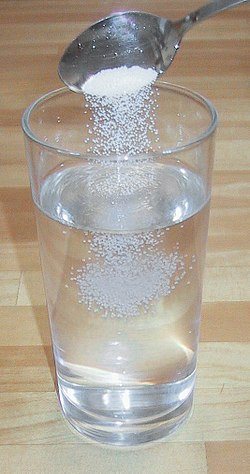
In a solution the substance which the solute dissolves

a)

solvent

b)

suspension

c)

colloid

d)

solution

28.

In a solution the substance that dissolves in the solvent.

a)

Solute

b)

Suspension

c)

Colloid

d)

Solvent

29.
____ is another name for a homogeneous mixture. 
a)
Solution
b)
Suspension
c)
Substance
d)
Liquid 
30.
A substance that contains only one type of atom is a(n)
a)
compound
b)
element
c)
heterogeneous mixture
d)
homogeneous mixture
31.
What do we call a chemical substance made up of 2 or more different types atoms bonded together?
a)
formula
b)
atom
c)
subscript
d)
compound
32.
All ____________ are made up of two or more atoms bonded together.
a)
atoms
b)
molecules
c)
electrons
d)
elements
33.
Bonds between atoms in a molecule form as a result of the sharing  of?
a)
formulas
b)
electrons
c)
atoms
d)
chemicals
34.
When __________ form, the elements lose there individual chemical properties and take on new properties.
a)
compounds
b)
atoms
c)
subscript
d)
formula
35.
2H2O
How many Oxygen atoms are present?
a)
2
b)
4
c)
1
d)
5
36.
 2H2O
How many Hydrogen atoms are present?
a)
2
b)
4
c)
1
d)
10
37.
2H2O
How many H2O molecules are present?
a)
1
b)
4
c)
2
d)
8
38.

Which statement is true about compounds?

a)

a pure substance where two or more elements are chemically combined

b)

a homogenous mixture of 2 or more elements

c)

a pure substance containing only one type of atom

d)

a heterogeneous mixture of 2 or more elements chemically combined

39.

What does this illustrate

a)

Elements

b)

Compunds

c)

Mixture of Elements and Compunds

d)

Mixture of Compounds

40.

What does this pic illustrate?

a)

Element

b)

Mixture of Compunds

c)

Mixture of elemets

d)

Compounds

41.
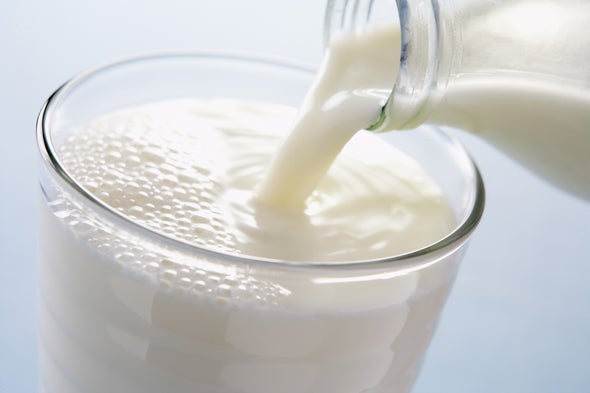
Examples are milk and gasoline.
a)
elements
b)
mixtures
c)
compounds
42.

Examples are diamonds (C) and Uranium (U)

a)

elements

b)

mixtures

c)

compounds

43.
Is sugar (C12H22O11) an element or a compound?
a)
Element
b)
Compound
44.
Which of the following is not a compound?
a)
HCl
b)
Cl
c)
NaCl
d)
CO2
45.

diagram "a" is an example of a(n)

a)

element

b)

compound

c)

mixture

46.

diagram "b" is an example of a(n)

a)

element

b)

compound

c)

mixture

47.

diagram "c" is an example of a(n)

a)

element

b)

compound

c)

mixture

48.

diagram "d" is an example of a(n)

a)

element

b)

compound

c)

mixture

49.

What does this illustrate

a)

Elements

b)

Compunds

c)

Mixture of Elements and Compunds

d)

Mixture of Compounds

50.

NIPS

a)

Homogeneous

b)

Heterogeneous

51.

Milk powder + Water

a)

Homogeneous

b)

Heterogeneous

52.

Buko extract + Water

a)

Homogeneous

b)

Heterogeneous

53.

Coffee + Milk + Water

a)

Homogeneous

b)

Heterogeneous

54.

Which of the following is a heterogeneous mixture?

a)

brass

b)

sand

c)

Kool-aid

d)

vanilla yogurt

55.

Which of the following is a homogeneous mixture?

a)

jello

b)

granite

c)

dirt

d)

salsa

56.

Which option below best describes mixture?

a)

a mixture is a combination of two or more substances in which each component retain its individual chemical properties

b)

a mixture can be homogeneous

c)

a mixture is a combination of two or more substances in which each component does not retain its individual chemical properties

d)

a mixture can be heterogeneous also

57.

Mixture is classified into two: Homogeneous and Heterogeneous. All are examples of heterogeneous mixture except ________.
a)
b)
c)
d)
58.

Mrs. Jennie Cruz wanted to prepare a healthy and delicious food for her family for lunch like Pinakbet. She mixes and seasoned to taste all the vegetables like squash, eggplant, okra, ampalaya, string beans and meat cuts. Pinakbet can be categorized as what type of mixture?

a)

Homogeneous

b)

Solid homogeneous

c)

Heterogeneous

d)

Homogeneous and heterogeneous

59.

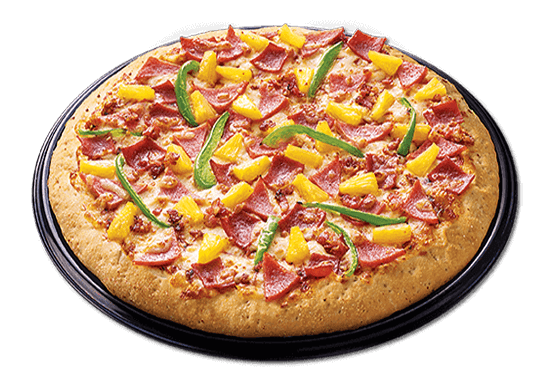
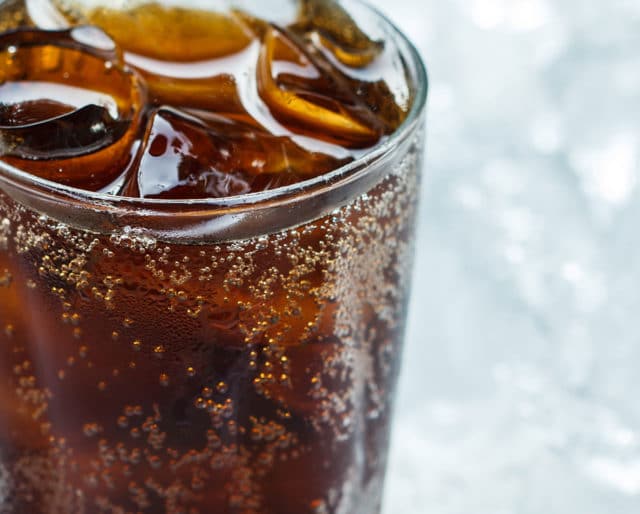
A homogeneous mixture is a combination of two substances which produce a uniform or the same appearance in their product after the mixing procedure. Which among the choices below show a uniform appearance of the product?
a)
b)
c)
d)
60.

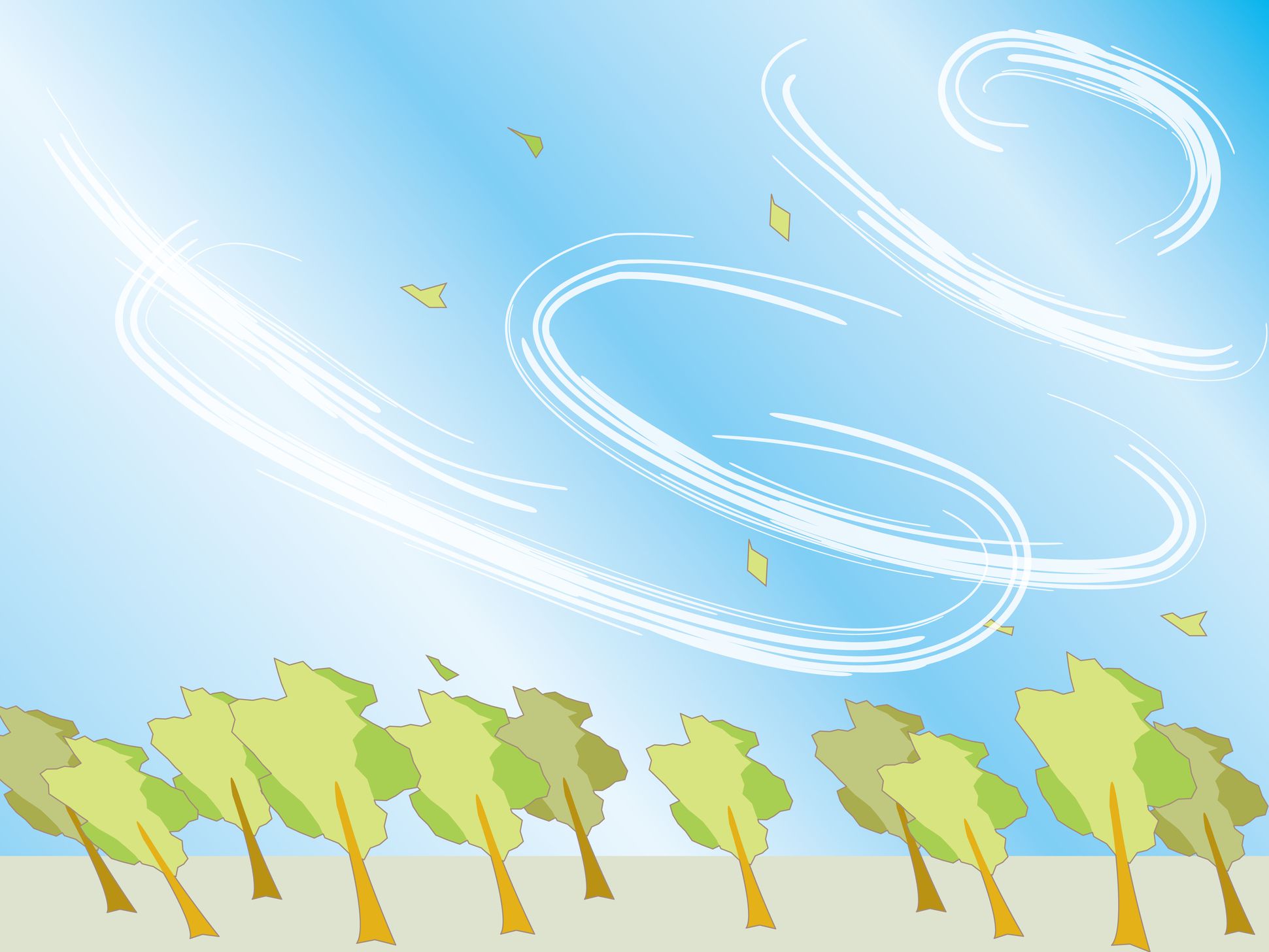
Refer to the image shown. Air is a mixture of different gases like oxygen, nitrogen and carbon dioxide. The italicized statement best describes air as_____________________.

a)

heterogeneous

b)

homogeneous

c)

gas mixture

d)

air mixture

61.

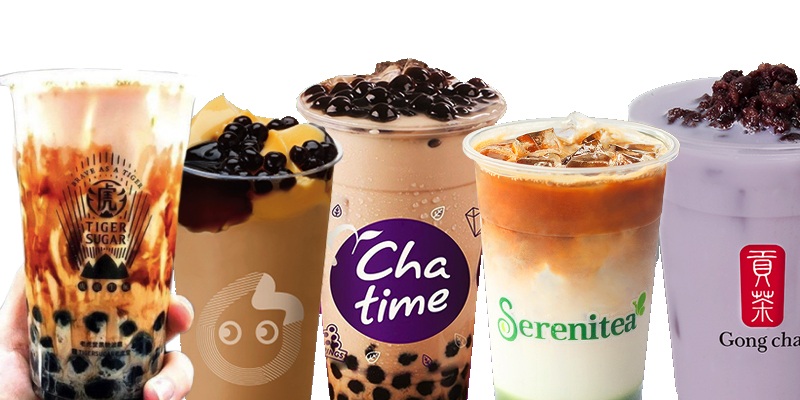
The term "milk tea" refers to any tea drink with milk added. It can be as simple as a splash of milk in a hot cup of tea, or it can be a complex recipe including various ingredients, like the popular bubble tea. Adding milk mellows and smooths out the flavors of tea, particularly some of the bitter notes found in black tea. Milk tea is enjoyed throughout the world as both a hot and cold beverage. Milk tea is an example of what type of mixture?

a)

heterogeneous

b)

homogeneous

c)

liquid homogeneous

d)

solid and liquid mixture

62.

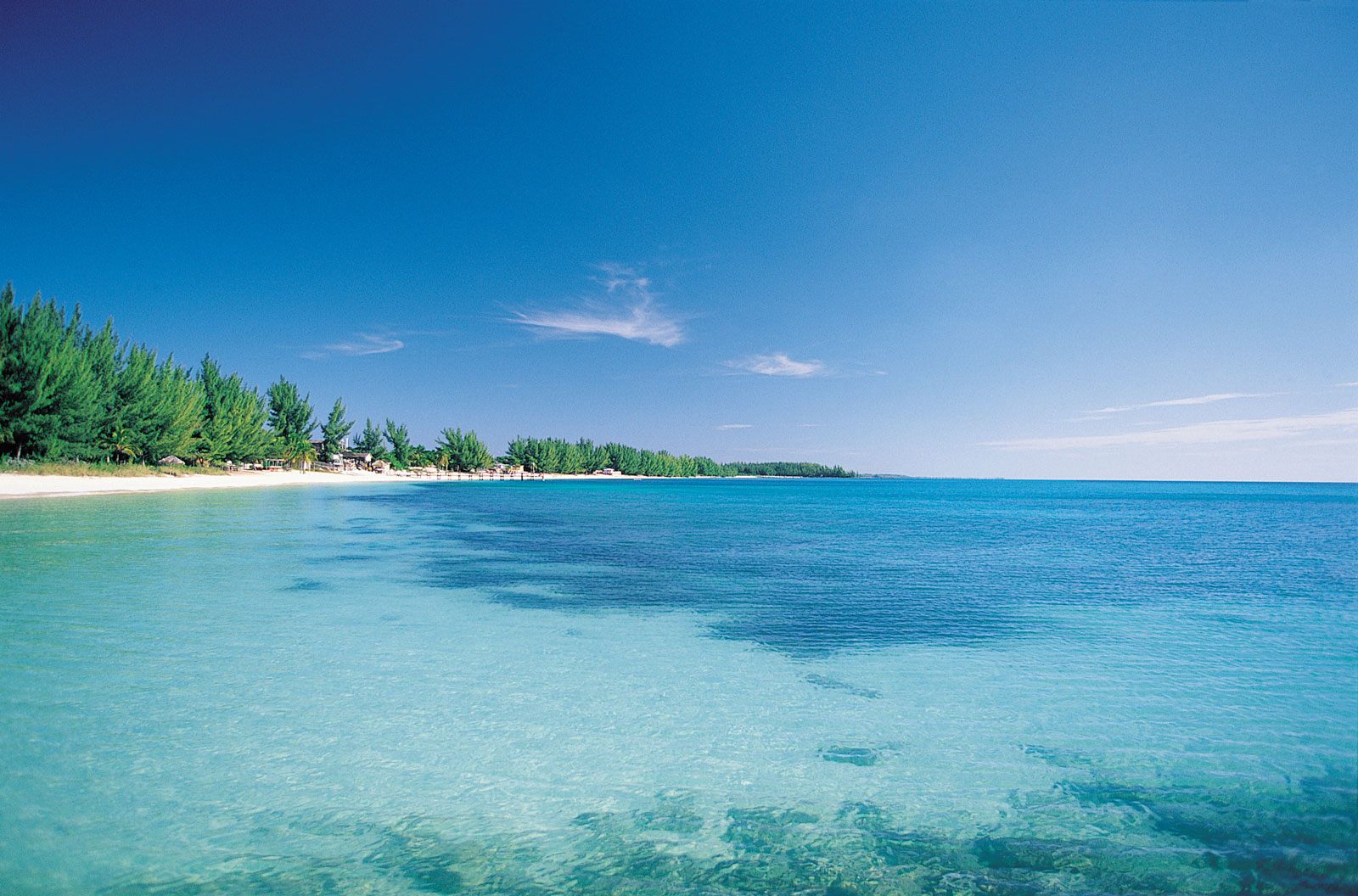
How do you describe the image above as to its type as mixture?

a)

Seawater is homogeneous.

b)

The seawater is heterogeneous because it is composed of salt and water.

c)

Saltwater is homogeneous because it has salt.

d)

Seawater is heterogeneous.

63.

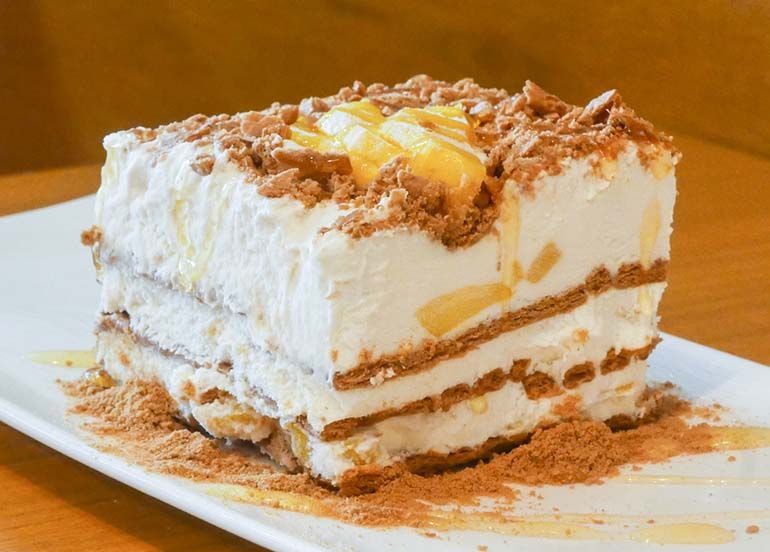
One famous heterogeneous mixture is mango float or crema de mangga. It is a Filipino icebox cake dessert made with layers of ladyfingers (broas) or graham crackers, whipped cream, condensed milk, and ripe mangoes. Which statement below best describes mango float?

a)

The components of of mango float such as mango, whipped cream and milk are still recognizable even after the mixing procedure.

b)

The components of of mango float such as mango, whipped cream and milk are no longer recognizable even after the mixing procedure.

c)

Mango float is a heterogeneous mixture because after the mixing procedure, the parts are not anymore uniform in appearance.

d)

Mango float is a heterogeneous mixture because after the mixing procedure, there are few recognizable components or substances.

64.

What is a mixture?

a)

combination of elements to make a new substance

b)

chemically combined substance

c)

combination of substances where new substances are formed through a reaction

d)

Is a physical combination of two or more substances that retains their own chemical properties

65.

It can be solid, liquid and gas what is it?

a)

Mixtures

b)

Milkshake

c)

Oil and water

d)

Brass meta

66.

Which option below best describes mixture?

a)

a mixture is a combination of two or more substances in which each component retain its individual chemical properties

b)

a mixture can be homogeneous

c)

a mixture is a combination of two or more substances in which each component does not retain its individual chemical properties

d)

a mixture can be heterogeneous also

67.
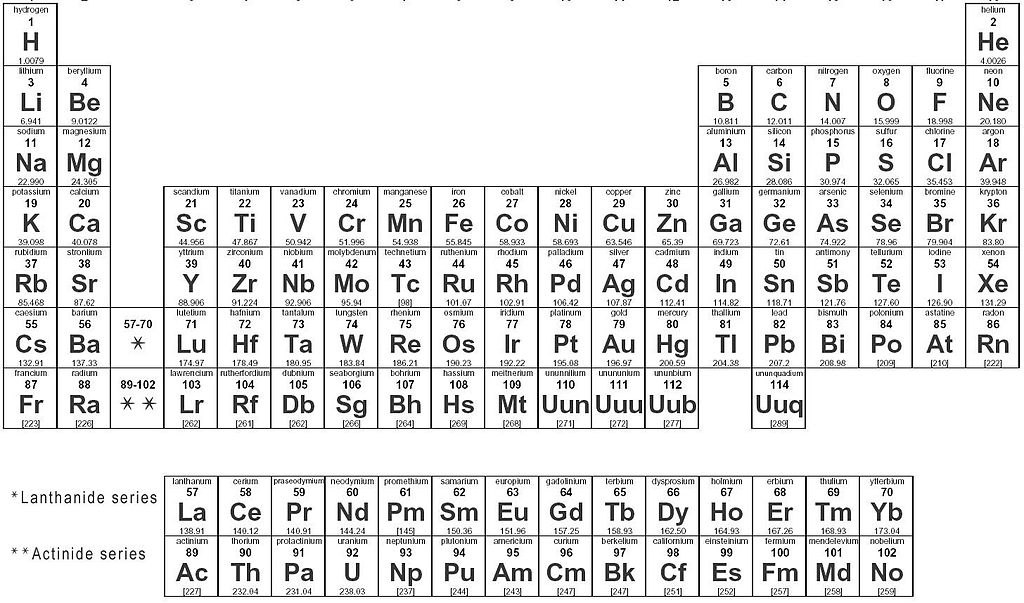
What side of the periodic table are metals on?
a)
left
b)
right
c)
top
d)
bottom
68.
What does malleable mean?
a)
able to bend
b)
will break easily
c)
can be used for wire
d)
is shiny
69.
What does ductile mean?
a)
electricity flows easily
b)
quacks like a duck
c)
can be drawn into a wire
d)
able to bend
70.
What side of the periodic table are nonmetals on?
a)
left
b)
right 
c)
top
d)
bottom
71.
Is oxygen metal or nonmetal?
a)
metal
b)
nonmetal
72.
Is gold metal or nonmetal?
a)
metal
b)
nonmetal
73.

What is a positive ion called?

a)

anion

b)

cation

c)

isotope

d)

covalent

74.

What is a negative ion called?

a)

anion

b)

cation

c)

covalent

d)

isotope

75.

Which types of elements from cations?

a)

metals

b)

nonmetals

c)

metalloids

d)

noble gases

76.

Which types of elements from anions?

a)

metals

b)

nonmetals

c)

metalloids

d)

noble gases

77.

Why do elements form bonds?

a)

to get a charge

b)

so they can make friends

c)

to become stable by getting a full valence shell

d)

to become stable by increasing their mass

78.

If an atom loses electrons, the charge will be positive.

a)

true

b)

false

79.

A Bromine ion gains 1 electron, which of the following is the correct symbol for a Bromine ion?

a)

Br-1

b)

Br+1

c)

Br+7

d)

Br-7

80.

Anything that takes up space and has mass is

a)

Matter

b)

Volume

c)

Liquid

d)

Atom

81.

In a _______ the molecules are close together.

a)

solid

b)

liquid

c)

gas

82.

All _______ can move and flow.

a)

liquids

b)

solids

c)

gases

83.

Particles move quickly in each direction

a)

Solid

b)

Liquid

c)

Gas

84.
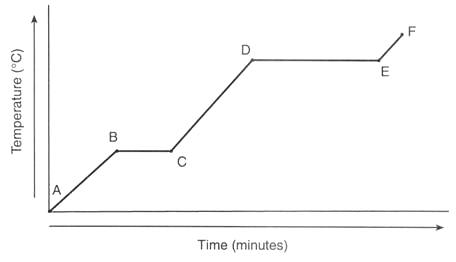
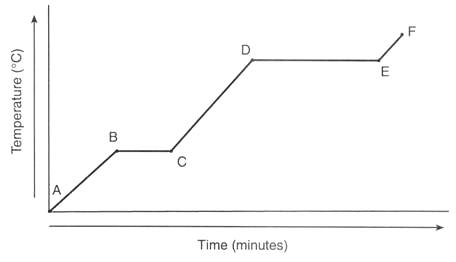
What line segment represents only the solid state?
a)
A-B
b)
B-C
c)
C-D
d)
D-E
85.
Which segment represents the heat of fusion?
a)
A-B
b)
B-C
c)
C-D
d)
D-E
86.
In which segment is the kinetic energy remaining constant?
a)
A-B
b)
B-C
c)
C-D
d)
E-F
87.
Which process takes the longest to occur?
a)
melting
b)
boiling
c)
freezing
d)
heating the solid
88.
What state(s) of matter are present at D-E?
a)
Solid-liquid
b)
Liquid
c)
Liquid-gas
d)
Gas-Solid
89.
Between which points is the temperature of the substance remaining constant?
a)
A-B only. 
b)
A-B, C-D, E-F
c)
B-C only. 
d)
B-C, D-E
90.
Between which points is the temperature of the substance remaining constant?
a)
A-B only. 
b)
A-B, C-D, E-F
c)
B-C only. 
d)
B-C, D-E
91.
Between which points is the temperature of the substance increasing?
a)
A-B only. 
b)
A-B, C-D, E-F
c)
B-C only. 
d)
B-C, D-E
92.
Between which points is the substance changing state?
a)
A-B only. 
b)
A-B, C-D, E-F
c)
B-C only. 
d)
B-C, D-E
93.

What letter on the diagram represents a gas?

a)

A

b)

B

c)

C

d)

D

94.

What letter on the diagram represents a liquid?

a)

A

b)

B

c)

C

d)

D

95.

What letter on the diagram represents a solid?

a)

A

b)

B

c)

C

d)

D

96.

What letter on the diagram represents the triple point?

a)

A

b)

B

c)

C

d)

D

97.

What is the melting point of this substance at 1 ATM of pressure?

a)

40

b)

60

c)

100

d)

110

98.

What is the boiling point of this substance at 1 ATM of pressure?

a)

40

b)

60

c)

100

d)

110

99.

What would the state of this substance be at 0.5 ATM of pressure at a 100 degrees Celsius?

a)

Solid

b)

Liquid

c)

Gas

d)

Michigan

100.

What would the state of this substance be at 1 ATM of pressure at a 80 degrees Celsius?

a)

Solid

b)

Liquid

c)

Gas

d)

Michigan

101.

The average atmospheric pressure in Michigan is close to 1 ATM. What state would this substance be in if it was a nice summer day with a temperature of 80 o F (27 o C)?

a)

Solid

b)

Liquid

c)

Gas

d)

Michigan

102.

Based on what you have learned... Is this substance likely water?

a)

Yes

b)

No

103.
Water exists as a _____________ at 700 mmHg and 50 °C.
a)
solid
b)
liquid
c)
gas
d)
supercritical fluid
104.
What phase change(s) may occur at pressures below 4.58 mmHg?
a)
sublimation/deposition
b)
melting/freezing
c)
all phase changes are possible at these pressures
d)
vaporization/condensation
105.
The pressure is increased on a sample of water at 0 °C from 0 mmHg to 800 mmHg.  In order, what changes occur?
a)
deposition, melting
b)
sublimation, melting
c)
condensation, freezing
d)
deposition, freezing
106.
What is true regarding CO2 for temperatures above 31 °C?
a)
It can never be liquified.
b)
It decomposes.
c)
It has a high pressure.
d)
It is a plasma.
107.
At 10 atm, dry ice is heated from -100 °C to 30 °C.  What changes occur?
a)
freezing, then condensation
b)
melting only
c)
sublimation only
d)
melting, then boiling
108.
What is the normal melting point of CO2?
a)
-78.5 °C
b)
-56.7 °C
c)
31 °C
d)
It doesn't have a normal melting point.
109.
What is the normal boiling point of CO2?
a)
-78.5 °C
b)
-56.7 °C
c)
31 °C
d)
It doesn't have a normal boiling point.
110.
What state of matter is X?
a)
solid 
b)
liquid
c)
gas
d)
supercritical fluid
111.
What state of matter is Y?
a)
solid 
b)
liquid
c)
gas
d)
supercritical fluid
112.
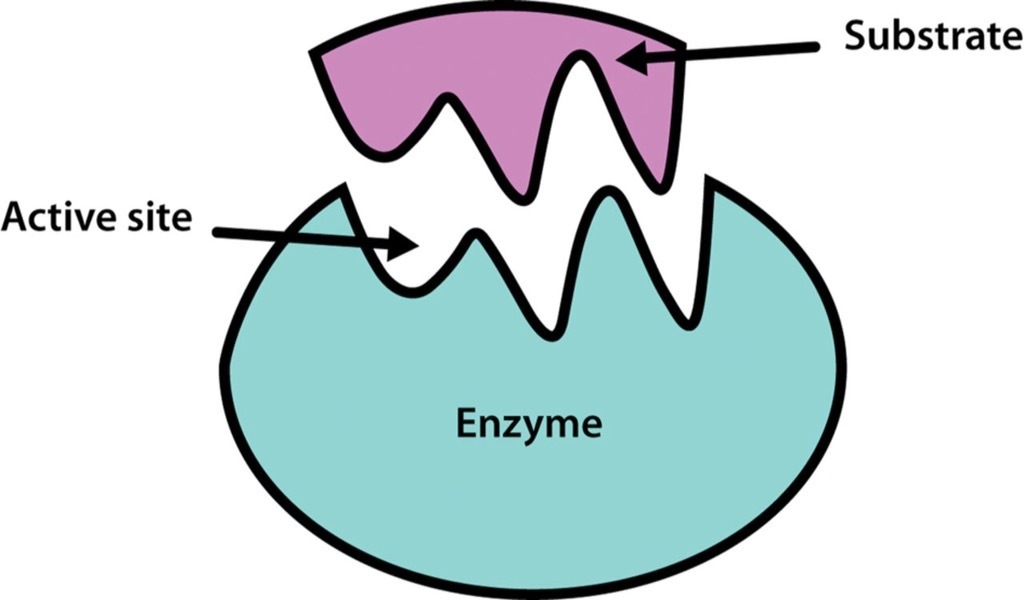
What biomolecule do enzymes belong to? 
a)
Carbohydrate
b)
Lipid
c)
Nucleic Acid
d)
Protein
113.
Which biomolecule is a main source of quick energy?
a)
Nucleic Acid
b)
Protein
c)
Lipid
d)
Carbohydrate
114.
What is the function of a nucleic acid?
a)
Stores genetic information
b)
Stores energy
c)
Quick source of energy
d)
Builds structures
115.
What is 50 C in Kelvin?
a)
223
b)
323
c)
100
d)
50
116.

(Charles Law) There are 65 liters of helium in a balloon at 35 K. If the temperature of the balloon is increased to 40 K, what will the new volume of the balloon be?

a)

40 L

b)

70 L

c)

74.3 L

d)

75.9 L

117.

(Charles Law) There are 40 liters of helium in a balloon at 100 K. If the temperature of the balloon is increased to 200 K, what will the new volume of the balloon be?

a)

80 L

b)

45 L

c)

54 L

d)

45.33 L

118.
Tom Brady enjoys balloon animals from the carnival. He just received a balloon giraffe that has an initial temperature of 39.0°C and a volume of 1.28 L. If Gronkowski plays a trick on Tom, and puts his balloon giraffe into the freezer, what would be the new volume of the balloon if the temperature drops down to 8.0°C?
(Don’t forget about what must be done to temperatures!)
a)
1.42 L
b)
6.85 x 10⁴ L
c)
3.78 L
d)
1.15 L
119.
Tom wants his balloon back to normal size so he decides to put it on a heating vent. If the balloon initially has a volume of 0.6 L and a temperature of 293 K, what will the volume of the balloon be when it heats up to a temperature of 176°C?
a)
0.39 L
b)
0.92 L
c)
0.78 L
d)
0.92 K
120.
Edelman and Gronkowski want to play a game of beach volleyball. If the beach ball has a volume of  261 L at a temperature of 502 K, what will the temperature of the balloon be if the volume decreases to 176 L?
a)
744 K
b)
0.0030 K
c)
339 K
d)
512 K
121.
If 200 mL of a gas at 27°C is cooled to -33°C at a constant pressure, the volume will be
a)
250 mL
b)
204 mL
c)
196 mL
d)
160 mL
122.
The volume of a sample of a gas at 273 oC is 200 liters. If the volume is decreased to 100 liters at constant pressure, what will be the new temperature of the gas?
a)
0 K
b)
546 K
c)
273 K
d)
100 K
123.

A 28.965 L sample of Kr experiences a change in pressure from 358.34 kPa to 729.71 kPa. What is the resulting volume in liters? Express answer with correct number of sig figs.

(a)  

124.

What is the formula for Boyle's Law?

a)

P1V1=P2V2

b)

P1V1/P2V2

c)

P1V2=P2V1

d)

P1/V1=P2/V2

125.
When Pressure increases then the Volume must...
a)
Increase
b)
decrease
126.
When Volume increases then Pressure must...
a)
Increase
b)
Decrease
127.
A gas occupies 4.98 L at 2.6 atm of pressure. What volume does it occupy at 1.8 atm pressure?
a)
12.9 L
b)
0.72 L
c)
7.2 L
d)
3.44 L
128.
A gas at a volume of 4 liters is at a pressure of 2 atm. The volume is changed to 16 Liters, what must the new pressure be?
a)
2 atm
b)
12 atm
c)
10 atm
d)
0.5 atm
129.
What type of relationship to pressure and volume have?
a)
direct
b)
inverse
c)
no relationship
d)
I don't know
130.
Which container will have a lower pressure?
a)
left
b)
right
c)
they both have the same pressure
d)
I don't know
131.
The relationship of which two variables are compared in Boyle's Law?
a)
pressure & volume
b)
volume & temperature
c)
temperature & pressure
d)
volume & moles (amount of gas)
132.

What law deals with temperature and volume?

(a)  

133.

Temperature and pressure are (a)   proportional.

134.

A gas filled weather balloon with a volume of 55.0 liters is released at sea-level conditions of 755 torr. The balloon can expand to a maximum volume of 835 liters. What is the pressure at which this volume is reached? Round answer to one decimal place.

(a)  

135.

A sample of sulfur hexafluoride gas occupies a volume of 5.10 liters at 198 degrees Celsius. What temperature is needed to reduce the volume to 2.50 liters? Round answer to one decimal place.

(a)  

136.

Hydrogen gas has a pressure of 14.2 psi at a temperature of 28 degrees Celsius. If the pressure is increased to 18.4 psi, what will be the new temperature in degrees Celsius? Round answer to one decimal place.

(a)  

137.

Volume and temperature are (a)   proportional.

138.

A gas has a pressure of 98kPa at 30 degrees Celsius. What will be the new pressure if the temperature is increased to 35 degrees Celsius. Round answer to one decimal place.

(a)  

139.
Choose the set that goes from lowest to highest electronegativity?
a)
Cu, Mg, Sr, Ca
b)
F, Cl, Br, Si
c)
Cs, Rb, Ca, Mg
d)
Zn, Cd, Ag, Cu
140.
Electronegativity is...
a)
how good an atom is at attracting electrons
b)
the ability of an atom to lose electrons
c)
the energy required to remove an electron from a specific atom
d)
how easy it is to make friends. 
141.
The element with the largest electronegativity in the halogens is - 
a)
At
b)
F
c)
Cl
d)
Br
142.
 Which of the following generally applies to the noble gases? 
a)
high ionization energy, low electronegativity, high reactivity
b)
high ionization energy, high electronegativity, high reactivity
c)
low ionization energy, low electronegativity, low reactivity
d)
high ionization energy, low electronegativity, low reactivity 
143.
Elements closer to the noble gases have stronger attraction for electrons.
a)
True
b)
False
144.
Which of the following is the least electronegative element?
a)
oxygen
b)
potassium
c)
fluorine
d)
nitrogen
145.
Which has the greater EN: 
N or C?
a)
C
b)
N
146.
Which has the greater EN: 
H or F?
a)
H
b)
F
147.
What type of bond forms when 2 or more electrons are SHARED?
a)
Covalent bond
b)
Incomplete bond
c)
Ionic bond
d)
Metallic bond
148.
A(n) _________ is an electrically charged atom or group of atoms.
a)
compound
b)
element
c)
solute
d)
ion
149.
A(n) _________ is an ion with a positive (+) charge.
a)
anion
b)
cation
c)
ion
d)
solute
150.
A(n) _________ is an ion with a negative (-) charge.
a)
anion
b)
ion
c)
cation
d)
solute
151.
Which of the following is NOT a characteristic of a COVALENT COMPOUNDS
a)
High melting point
b)
Contains only nonmetals
c)
Low boiling point
d)
All solids
152.
Heterotroph is when an organism...
a)
Has to eat other things
b)
has to make it's own food
153.
Autotroph is when..
a)
An organism makes it's own food
b)
An organism has to eat other things
154.

Tomato plants and oak trees are in what kingdom

a)

Fungi

b)

Plants

c)

Protists

d)

Animal

155.

Tigers, Jellyfish, Gorillas and Sponges are all part of kingdom _______.

a)

Animal

b)

Plant

c)

Fungi

d)

Bacteria

156.

what kingdom?- multi-celled, autotroph

a)

animal

b)

plant

c)

protist

d)

fungi

157.

AMOEBA-PARAMECIUM-EUGLENA-DINOFLAGELLATES BELONG TO WHAT KINGDOM

a)

PLANT

b)

PROTIST

c)

FUNGI

d)

ANIMAL

e)

ARCHAEBACTERIA

158.

Which kingdom are single celled and have no nucleus

a)

Protists

b)

plants

c)

animals

d)

bacteria