wayground logo

Free Printable Worksheets

Font size

S
M
L
XL
Worksheets

[Biology] Semester 1 Review 2022

Total questions: 80

Worksheet time: 1hrs 17mins

Name
Class
Date
1.

Scientists conduct controlled experiments which include a ________ to serve as a basis for comparison.

a)

independent variable

b)

control group

c)

dependent variable

d)

controlled experiments

2.

Scientists conduct controlled experiments which include a control group to serve as a basis for comparison and include _______ that can be changed.

a)

an independent variable

b)

control group

c)

a dependent variable

d)

controlled experiments

3.

___________ responds to change.

a)

An independent variable

b)

A control group

c)

A dependent variable

d)

Controlled experiments

4.

Biologists have certain criteria that must be met if something is to be considered living. All living things are made up of cells and have ___________, which carries the genetic code.

a)

metabolism

b)

DNA

c)

evolve

d)

stimuli

e)

homeostasis

5.

The chemical reactions of __________ help an organism use materials and energy to stay alive.

a)

reproduce

b)

metabolism

c)

evolve

d)

stimuli

e)

homeostasis

6.

Living things respond to ___________, signals that come from within or from the environment.

a)

reproduce

b)

metabolism

c)

evolve

d)

stimuli

e)

homeostasis

7.

Most organisms maintain a stable internal environment and the process by which they do this is ___________.

a)

reproduce

b)

metabolism

c)

evolve

d)

stimuli

e)

homeostasis

8.

Living things can also change over time, or ___________.

a)

reproduce

b)

metabolism

c)

evolve

d)

stimuli

e)

homeostasis

9.

Which of the following models correctly shows how organisms are organized?

a)

atoms -> molecules -> cells -> organs -> organ systems -> tissues

b)

molecules -> atoms -> cells -> tissues -> organs -> organ systems

c)

atoms -> molecules -> cells -> tissues -> organs -> organ systems

d)

cells -> atoms -> molecules -> tissues -> organs -> organ systems

10.
Made of monomers of amino acids
a)
Carbohydrates 
b)
Lipids
c)
Proteins 
d)
Nucleic Acids
11.
Made of monomers of monosaccharides
a)
Carbohydrates
b)
Lipids
c)
Proteins
d)
Nucleic Acids
12.
Made of glycerol and fatty acids
a)
Carbohydrates
b)
Lipids
c)
Proteins
d)
Nucleic Acids
13.
Include waxes, oils, steroids (hormones)
a)
Carbohydrates
b)
Lipids
c)
Proteins
d)
Nucleic Acids
14.
Includes catalase (enzyme), actin, and myosin (muscle fibers)
a)
Carbohydrates
b)
Lipids
c)
Proteins
d)
Nucleic Acids
15.
Includes DNA and RNA
a)
Carbohydrates
b)
Lipids
c)
Proteins
d)
Nucleic Acids
16.
Provide quick energy 
a)
Carbohydrates
b)
Lipids
c)
Proteins
d)
Nucleic Acids
17.
Waterproofs, insulates, and stores energy long-term
a)
Carbohydrates
b)
Lipids
c)
Proteins
d)
Nucleic Acids
18.
Speed up chemical reactions, protects against infections, and structural component of hair, skin, and muscles
a)
Carbohydrates
b)
Lipids
c)
Proteins
d)
Nucleic Acids
19.
Stores genetic information and carries out protein synthesis
a)
Carbohydrates
b)
Lipids
c)
Proteins
d)
Nucleic Acids
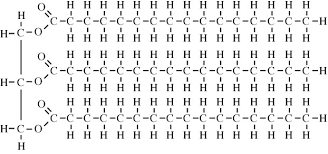
20.

Identify the macromolecule associated with this image.

a)

Protein

b)

Carbohydrate

c)

Lipid

d)

Nucleic Acid

21.

Identify the macromolecule associated with this image.

a)

Protein

b)

Carbohydrate

c)

Lipid

d)

Nucleic Acid

22.

Which organic molecule contains carbon, oxygen and hydrogen, often in a 1:2:1 ratio?

a)

carbohydrates

b)

functional groups

c)

enyzme

d)

monosaccaride

23.

Which organic molecule contains nitrogen and sulfur?

a)

carbohydrates

b)

lipids

c)

proteins

d)

nucleic acids

24.

Identify all of the organic molecules from the choices below:

a)

H2O

b)

C5H10O5

c)

CO2

d)

C11H12N2O2

e)

CNCl

25.
There are some similarities between prokaryotic and eukaryotic cells. Which of the following structures is found in both prokaryotic and eukaryotic cells?
a)
lysosome
b)
mitochondrion
c)
nucleus
d)
ribosome
26.
Which type(s) of cells have genetic material that is contained in a nucleus?
a)
bacteria
b)
only animal cells
c)
protists
d)
both plant and animal cells
27.
Which characteristic do most plants have in common?
a)
they are unicellular
b)
they are prokaryotic
c)
they produce seeds
d)
they are autotrophic
28.
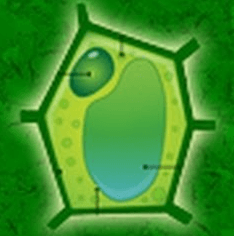
The diagram below represents a cell of a green plant. Solar energy is used to produce energy-rich compounds in which structure? 
a)
A
b)
B
c)
C
d)
D
29.
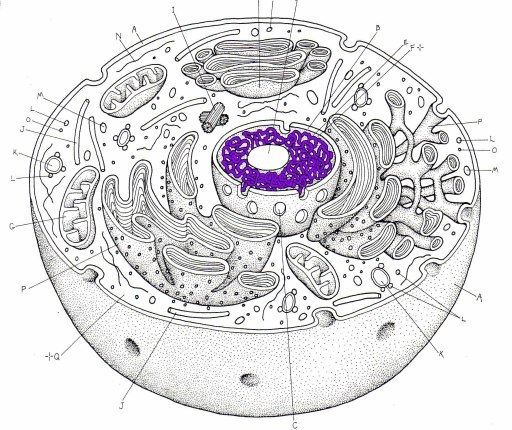
The diagram below represents a cell. Which organelle is the site where amino acids are synthesized into proteins? 
a)
1
b)
2
c)
3
d)
4
30.
 Cells can be classified into two different categories: prokaryotic and eukaryotic. Which of the following information is needed in order to determine if an organism is prokaryotic?
a)
The organism’s color and mass.
b)
The organism’s internal structures.
c)
. If the organism is unicellular or multicellular
d)
The methods the organism uses to feed and move.
31.
 A specific type of cell is being studied by a scientist. She notices the cell contains a nucleus, lysosomes, a cell membrane and cell wall. What is the correct classification of this cell?
a)
 A prokaryotic animal cell
b)
 A prokaryotic plant cell
c)
 A eukaryotic animal cell
d)
A eukaryotic plant cell
32.
All living things are made up of _____. 
a)
Cells 
b)
Bacteria 
c)
Virus 
d)
ATP
33.
Prokaryotic cells do NOT have a nucleus. 
a)
True 
b)
False 
34.
Which of the following is an example of a prokaryotic cell? 
a)
Virus 
b)
Plant Cell 
c)
Bacteria 
d)
Animal Cell 
35.
Which of the following is a Eukaryotic cell?
a)
Bacteria 
b)
Virus 
c)
Animal/Plant Cell 
d)
All of the above. 
36.
Directs all cell activities through the DNA located there.
a)
Lysosomes
b)
Nucleus
c)
ribosomes
d)
Mitochondria
37.
I am the outer most layer of an animal cell. What am I?
a)
cell wall
b)
nucleus
c)
cell membrane 
d)
cell skin
38.
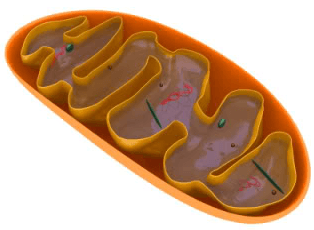
What are tiny organelles that convert glucose into ATP?
a)
Ribosomes
b)
Vesicles
c)
Cytoskeleton
d)
Mitochondria
39.
A rigid layer that lies outside the cell's  membrane is...
a)
Cytoskeleton
b)
Cilia
c)
Cell Wall
d)
Flagella
40.
The site of photosynthesis
a)
ribosome
b)
mitochondria
c)
chloroplast
d)
nucleus
41.
What kind of cell is this?
a)
Eukaryotic
b)
Prokaryotic
42.
Which of the following would be found in both eukaryotic AND prokaryotic cells?
a)
chloroplast
b)
DNA
c)
nucleus
d)
endoplasmic reticulum
43.
What do plants give off after photosynthesis?
a)
Oxygen
b)
carbon
c)
nitrogen
d)
hydrogen
44.
Plants need ________from the air for photosynthesis
a)
oxygen
b)
soil
c)
carbon dioxide
d)
sugar
45.
Which gas is removed from the atmosphere during photosynthesis?
a)
hydrogen
b)
oxygen
c)
nitrogen
d)
carbon dioxide
46.
The products of photosynthesis are
a)
water and carbon dioxide
b)
oxygen and water
c)
sugar and cabon dioxide
d)
oxygen and sugar (glucose)
47.
In what part of the cell does photosynthesis occur?
a)
Nucleus
b)
Chloroplast
c)
Epidermis
d)
Vacuole
48.
After photosynthesis, plants store their energy as _________ .
a)
chlorophyll
b)
pigment
c)
glucose (sugar)
d)
Oxygen
49.
Which of the following go through the process of photosynthesis?
a)
bees
b)
algae
c)
humans
d)
mushrooms
50.
What are the reactants (what's needed) for photosynthesis?
a)
glucose and oxygen
b)
light, water, and carbon dioxide
51.
What is the purpose of photosynthesis?
a)
make glucose
b)
make ATP
c)
make light
d)
release carbon dioxide
52.
Where does cellular respiration take place in the cell?
a)
Cell Membrane
b)
Nucleus
c)
Mitochondria
d)
Vacuole
53.
What is the purpose of cellular respiration?
a)
to break down food
b)
to create energy in the body
c)
to release energy from food
d)
there is none; it's a waste of time
54.
What is the correct equation for cellular respiration?
a)
6O2 + C6H12O6 -> 6CO2 + 6H2O + Energy
b)
6O2 + C6H12O6 + Energy -> 6CO2 + 6H2O
c)
6CO2 + 6H2O -> 6O2 + C6H12O6 + Energy
d)
6CO2 + 6H2O + Energy -> 6O2 + C6H12O6
55.

you breathe in oxygen for

a)

photosynthesis

b)

fermentation

c)

mitosis

d)

cellular respiration

56.

What is one of the reactants of cellular respiration?

a)

energy

b)

oxygen

c)

carbon dioxide

57.

The mitochondria is responsible for ...

a)

photosynthesis

b)

cellular respiration

58.

Cellular respiration is different from fermentation in that respiration needs...

a)

oxygen

b)

carbon dioxide

59.
Which of the following formulas represents photosynthesis?
a)
6 H2O + 6 O2 = C6H12O6 + 6 CO2
b)
6 H2O + 6 CO2 = C6H12O6 + 6 O2
c)
 C6H12O6 + + 6 O2 = 6 H2O + 6 CO2
60.

Which term is also known as a producer?

a)

autotroph

b)

heterotroph

61.

What is Chlorophyll?

a)

A type of reproduction.

b)

A green pigment responsible for the absorption of light to provide energy for photosynthesis.

c)

A stage of mitosis.

62.

Which of the following is an example of an AUTOTROPH?

a)

Appletree

b)

Dog

c)

Mushroom

63.

What is the purpose of cellular respiration?

a)

To convert oxygen into carbon dioxide

b)

To convert carbon dioxide into oxygen

c)

To convert glucose energy into ATP energy

64.

If your body runs out of oxygen, it will begin to perform ______.

a)

alcohol fermentation

b)

photosynthesis

c)

lactic acid fermentation

65.
the base that pairs with Thymine in DNA
a)
adenine
b)
guanine
c)
helicase
d)
nucleotide
66.
nitrogen base that pairs with guanine
a)
adenine
b)
cytosine
c)
nucloetide
d)
deoxyribose
67.
the process of making a copy of DNA
a)
transcription
b)
double helix
c)
DNA replication
d)
replication fork
68.
The shape of DNA.
a)
double helix
b)
nucleotide
c)
DNA polymerase
d)
single stranded
69.
A nitrogen base that bonds with cytosine; a purine
a)
thymine
b)
guanine
c)
helicase
d)
double helix
70.
If we think of DNA as a ladder, which parts are the steps of the ladder?
a)
the nitrogenous base pairs
b)
the phosphate-sugar backbone
c)
the genes
d)
the phospholipid bilayer
71.
If we think of DNA as a ladder, which parts are the sides of the ladder?
a)
the nitrogenous base pairs
b)
the phosphate-sugar backbone
c)
the genes
d)
the phospholipid bilayer
72.
DNA is a polymer made of:
a)
Nucleotides
b)
Ribosomes
c)
Purines
d)
Pyrimidines
73.
Why is DNA important?
a)
it is very small and very complicated
b)
it's in everything
c)
it serves as the blueprint for traits of all living things
d)
because we eat it every day for energy
74.
Which organelle is DNA usually found in?
a)
cell membrane
b)
vacuole
c)
ribosome
d)
nucleus
75.
Which enzyme fixes the Okazaki fragments in the lagging strand?
a)
Helicase
b)
Polymerase
c)
Ligase
d)
Primerase
76.
If a strand reads:
3' A A A T T T C 5'
The matching strand would read...
a)
5' T T T A A A G 3'
b)
3' T T T A A A G 5'
c)
5' A A A T T T C 3'
d)
3' U U U A A A G 5'
77.
This picture is illustrating the ____ nature of DNA.
a)
anti-parallel
b)
deoxyribosic
c)
helical
d)
radioactive
78.
A DNA nucleotide contains all of the following, except...
a)
Deoxyribose
b)
Phosphate group
c)
Nitrogenous base
d)
Cholesterol
79.
DNA replication turns one strand of DNA into two new strands of DNA. What percent of each new strand is the old strand?
a)
Half of each new DNA is the old DNA
b)
The old strand of DNA was digested, so none
c)
The new DNA is entirely made up of the old DNA
d)
About every sixth base comes from the old DNA
80.

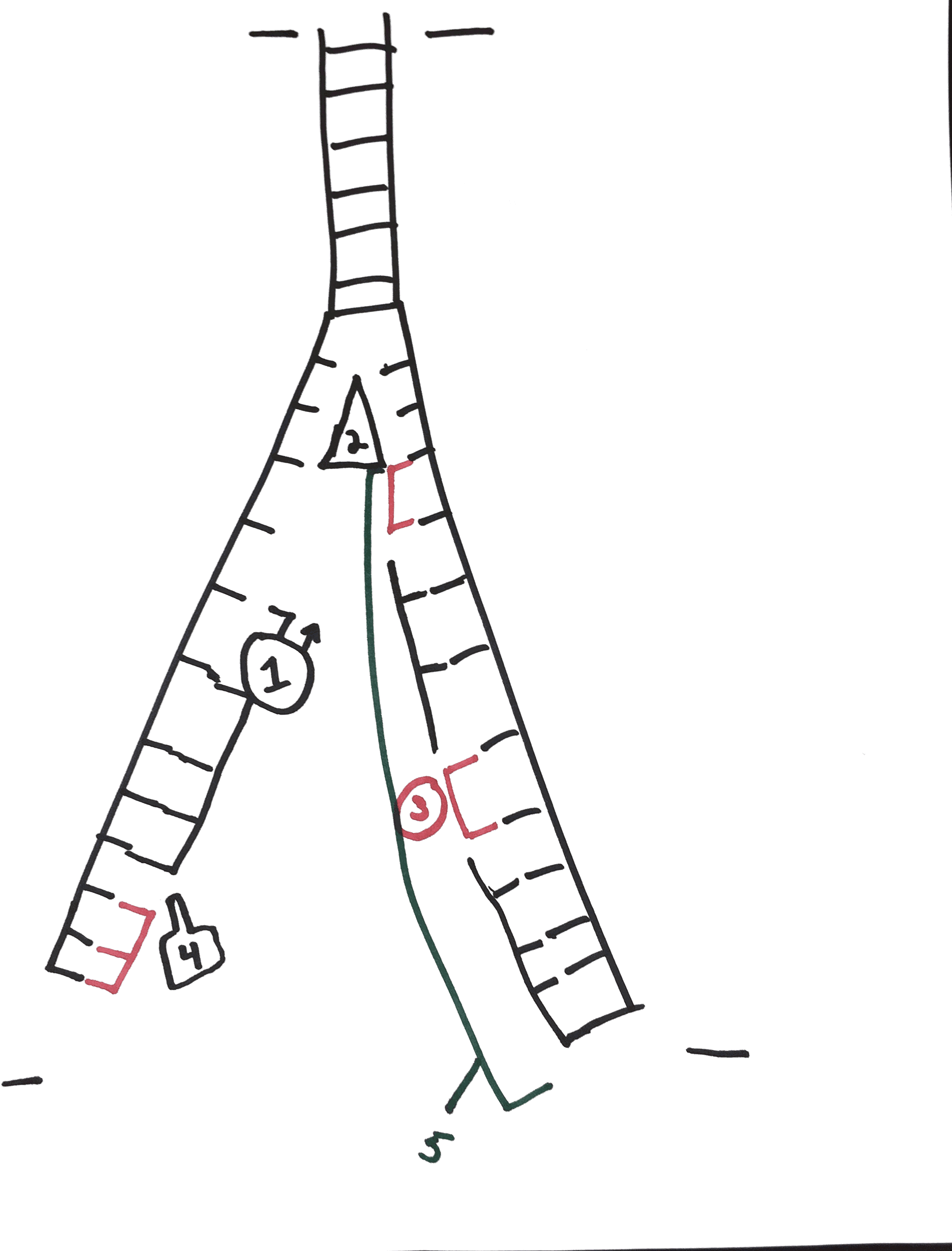
#1 in the picture above (builder)

a)

Helicase

b)

Primase

c)

Polymerase

d)

Ligase