
 Worksheets
Atomic structure
Total questions: 164
Worksheet time: 3hrs 51mins
Subatomic particles with a negative charge
Electrons
Neutrons
Protons
Quarks

The smallest particle of an element.
Element
Molecule
Atom
A chemical bond where electrons are shared between two atoms. In this type of bond no ions are. You will find these bonds when carbon bonds to other elements.
Covalent bond
Element
Hydrogen bond

A chemical bond that has hydrogen covalently bonded to an electronegative atom. It happens when oxygen bonds to hydrogen.
Ionic bond
Hydrogen bond
Molecule
A combination of two or more atoms
Period
Molecule
Atom
Family
A diagram that shows the bonding between atoms of a molecule and the lone pair of electrons that may exists in the molecule
Hydrogen bond
Bohr Model
Electron dot diagram
Element


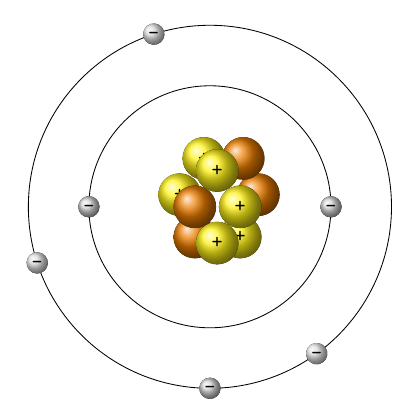


Electrons have a ____________ charge.
positive
negative
neutral
Protons have a ________________charge.
positive
negative
neutral
Which two subatomic particles are in the nucleus?
Protons and Neutrons
Protons and Electrons
Neutrons and Electrons
Which is NOT part of an atom?
protons
neutrons
neurons
electrons
Which subatomic particle has the less mass?
protons
neutrons
electrons
Electrons are located______.
outside the nucleus
inside the nucleus
Which two particles have about the same amount of mass?
neutrons and protons
protons and electrons
electrons and neutrons
Which two particles have about the same amount of mass?
neutrons and protons
protons and electrons
electrons and neutrons


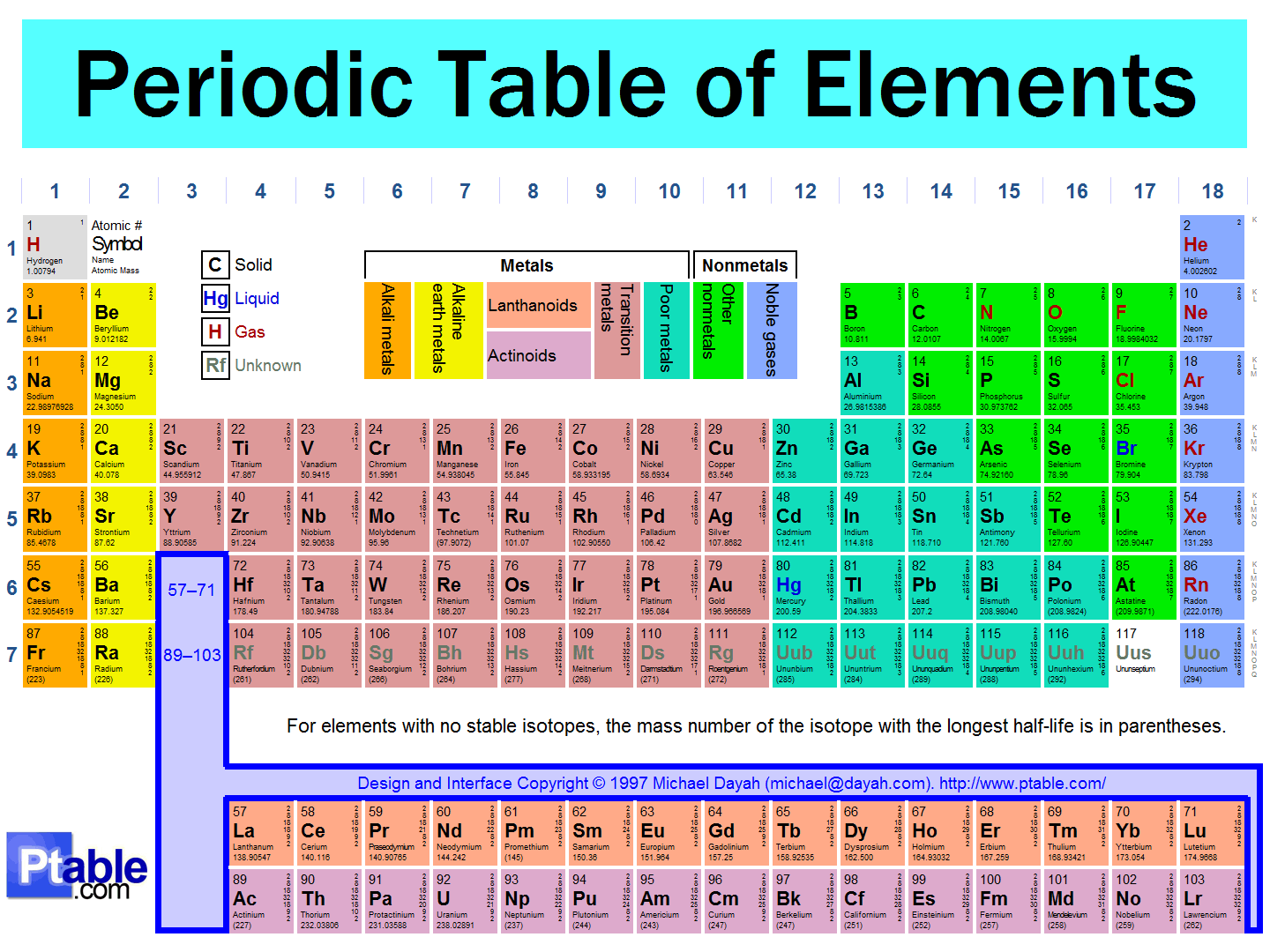
Which color on the image of the periodic table corresponds with the halogens.
red
black
blue
orange
Vertical columns on the periodic table are called ___?
groups
periods
rows
families
Which color on the image of the periodic table corresponds with the lanthanides.
red
black
blue
orange
Which color on the image of the periodic table corresponds with the noble gases.
red
black
blue
orange
Which color on the image of the periodic table corresponds with the metalloids.
bright yellow
gold
teal
light blue
Which color on the image of the periodic table corresponds with the alkaline earth metals.
yellow
dark yellow
blue/green
teal
Mendeleev first ordered the periodic table of elements by increasing
atomic number
atomic mass
atomic symbol
atomic weight


Which element is a metalloid?
H
Re
Ne
B

What is the atomic mass of Neon?
10
20.18
10.18
21


How many electrons does a neutral atom of Iodine have?
53
126
73
179
The vertical (up and down) columns in the Periodic Table are called
groups
towers
periods
atomic numbers
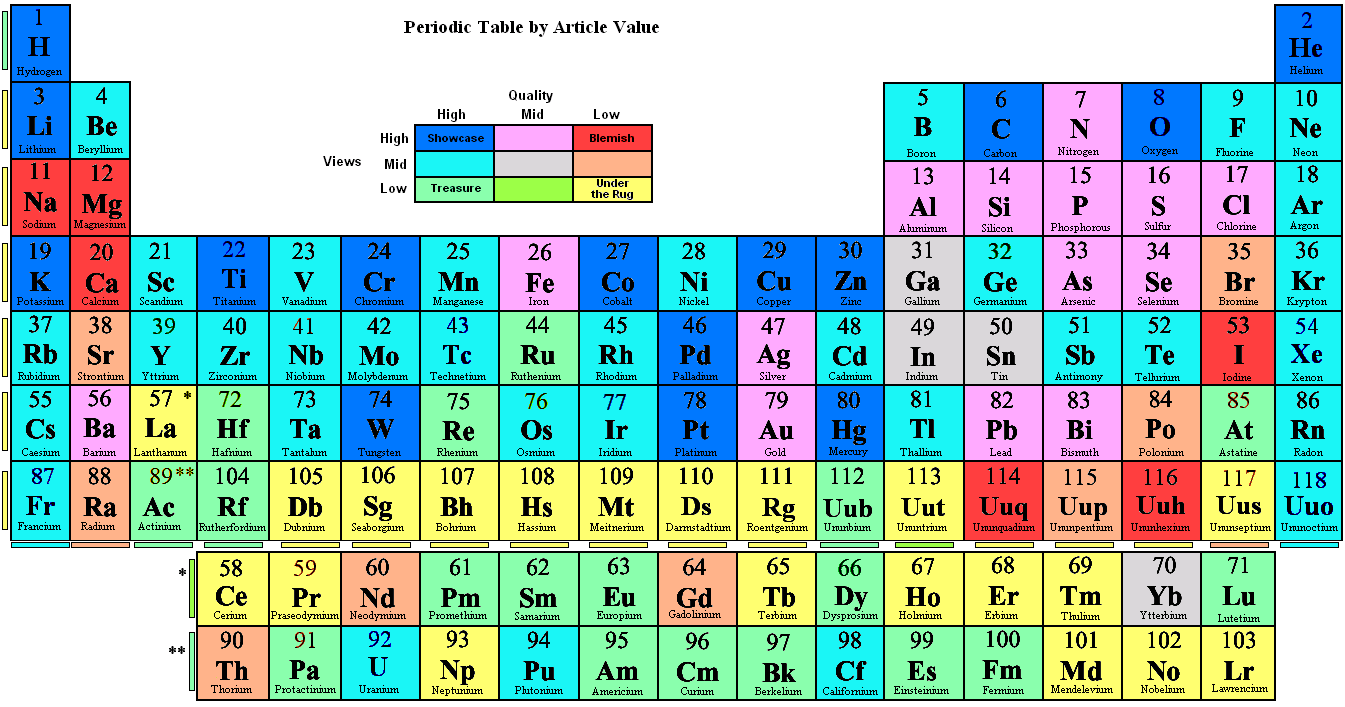
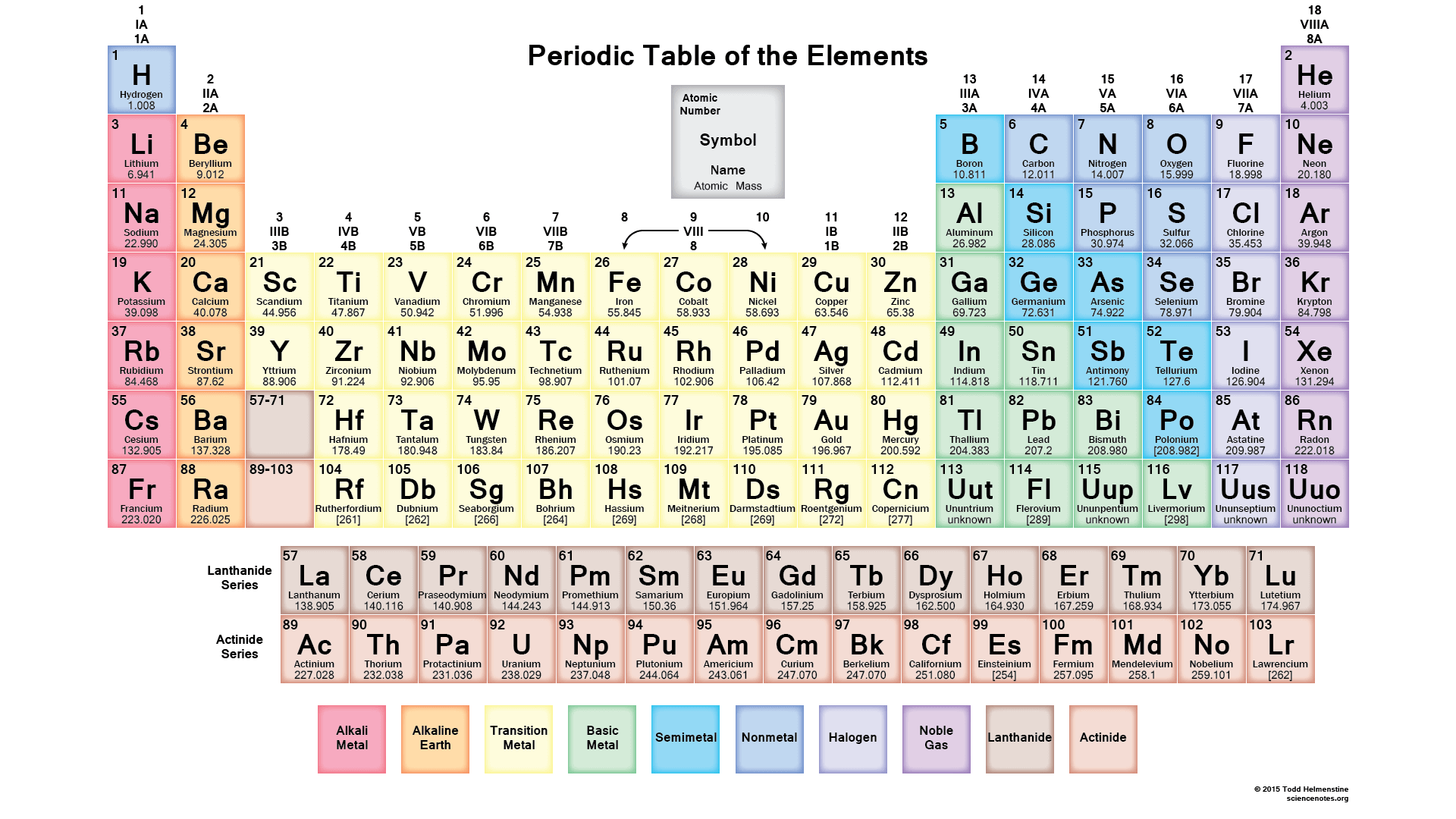
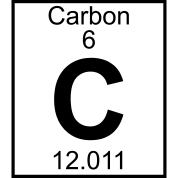
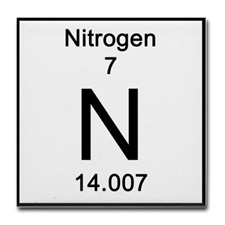


Which of the following element in period 3 would be classified as a metal?
Boron (B)
Sodium (Na)
Argon (Ar)
Silicon (Si)


In an element box, the number at top is the
atomic number
atomic name
atomic mass
atomic symbol

___________________ are positively charged particles located in the nucleus of an atom.
Electrons
Neutrons
Protons
Isotopes
Elements on the Periodic Table are ordered according to their
element name
element symbol
number of atoms
atomic number

The elements that touch the zigzag line on the Periodic Table are called
metals
nonmetals
metalloids
gasses

Column in the Periodic Table are called
Periods
Groups/Families
Cousins
Metals

The nucleus of an atom is located in its
electron cloud
center
proton
backpack

A scientist creates a hypothesis, but the data she collects fail to support that hypothesis. The scientist should then
change the data to support the hypothesis.
change the hypothesis to match the results.
forget the whole idea and walk away.
use the data to develop and test a new hypothesis.

Protons have a ____________ charge, neutrons have a ____________ charge, and electrons have a ____________ charge.
positive; negative, neutral
positive, neutral, negative
neutral, negative, positive
negative, neutral, positive

The history of the Atomic Theory involves many changes from its early form. Theories change because
people decide to no longer agree with them.
all theories must be changed after a certain time.
new evidence is found that allows the theory to be changed.
when scientists die, their theories are always changed.

The chemical symbol in this element box is
26
Fe
Iron
55.845
The variable that is changed in an experiment is the
independent variable.
the dependent variable.
the controlled variable.
the data variable

