
 Worksheets
UE4 Review
Total questions: 162
Worksheet time: 3hrs 32mins

The step of the nitrogen cycle that is in red is called...
Denitrification
Nitrification
Nitrogen Fixation
Ammonification

The step of the nitrogen cycle that is in red is called...
Denitrification
Nitrification
Nitrogen Fixation
Ammonification

The step of the nitrogen cycle that is in red is called...
Denitrification
Nitrification
Nitrogen Fixation
Ammonification

The step of the nitrogen cycle that is in red is called...
Denitrification
Nitrification
Nitrogen Fixation
Ammonification

The step of the nitrogen cycle that is in red is called...
Denitrification
Nitrification
Assimilation
Ammonification
Nitrogen fixation...
animals eat the plants and other animals that contain nitrogen and release it through their waste
Bacteria in the soil and lightning in the atmosphere “fix” the nitrogen
Once in the ground, bacteria in the soil also nitrify the nitrogen
plants absorb nitrogen through their roots and return it back to the atmosphere
Nitrification...
animals eat the plants and other animals that contain nitrogen and release it through their waste
Bacteria in the soil and lightning in the atmosphere “fix” the nitrogen
Once in the ground, bacteria in the soil also nitrify the nitrogen
plants absorb nitrogen through their roots and return it back to the atmosphere
Ammonification...
animals eat the plants and other animals that contain nitrogen and release it through their waste
Bacteria in the soil and lightning in the atmosphere “fix” the nitrogen
Once in the ground, bacteria in the soil also nitrify the nitrogen
plants absorb nitrogen through their roots and return it back to the atmosphere
Assimilation...
animals eat the plants and other animals that contain nitrogen and release it through their waste
Bacteria in the soil and lightning in the atmosphere “fix” the nitrogen
Once in the ground, bacteria in the soil also nitrify the nitrogen
plants absorb nitrogen through their roots and return it back to the atmosphere
Denitrification...
animals eat the plants and other animals that contain nitrogen and release it through their waste
Bacteria in the soil and lightning in the atmosphere “fix” the nitrogen
nitrogen is released back into the atmosphere from the animal’s waste or decomposers
plants absorb nitrogen through their roots and return it back to the atmosphere

Choose all the items made out of carbon
Food
Animals
Plants
Tennis Racket
Pretty much everything

What do 'plants' do with the carbon they receive?
They turn it into water
They don't need carbon
They turn it into food by photosynthesis
They keep it forever

How does carbon get from animals and back into the atmosphere? (CHOOSE ALL THAT APPLY)
Respiration (breathing)
After they die, they are broken down by decomposers
Photosynthesis
None of these

How do animals get carbon?
Photosynthesis
They absorb it from the atmosphere
The sun
They eat other plants and animals

What is CO2?
Air
Oxygen
Carbon Dioxide
Dioxide

All things are made out of carbon or need carbon to live.
True
False

What is causing global warming? (Choose All That Apply)
The earth is too close to the sun
There is too much carbon dioxide in the atmosphere
Because we're running out of water
Because we're cutting down all the trees and not planting more

Why can't life live on Venus?
Way too hot
Too small
Too far away
Not enough gravity

What made Venus way too hot for anything to live on it? (Choose All That Apply)
Global Warming
Too much Carbon Dioxide in the Atmosphere
Too close to the sun
It's just hot

How is carbon recycled?
The carbon cycle
At the recycle plant
It can't be recycled
Through water
Choose the things that take carbon dioxide (CO2) out of the air.
Plants
Water
Trees
Humans

What are the top things that contribute to global warming? (Choose more than one)
Cow Farts
Burning Gas in cars and factories
Cutting down Trees
Solar Power

What are some ways we can fight global warming? (Choose all that apply)
Eat chicken instead of beef
Plant trees
Recycle
Tell others to help fight
Natural Selection is driven by a change in the environment and survival of the
Smartest
Fastest
Most well adapted
Biggest
Mutations are a change in what?
DNA
phenotype
genotype
What word describes a trait that helps an organism survive in its environment?
natural selection
mutation
camouflage
adaptation
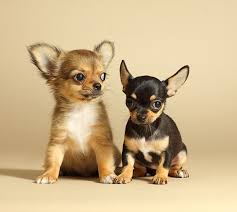
Dogs evolved from wolves as an example of....
Selective Breeding
Natural Selection
Mutations
Extinction
What is it called when humans decide which traits of an organism are the most desirable and only allow those organisms with the specific, desired traits to breed.
biological evolution
evolution by natural selection
selective breeding
inbreeding
1. The process of choosing parent organisms for desired characteristics is called
natural selection
Artificial selection
random selection
genetic manipulation
What is an example of artificial selection?
Letting dogs choose their own mate
Letting plants pollinate on their own
Crossing a labrador and a poodle to create a labradoodle
Which statement is true comparing natural selection and artificial selection?
In natural selection, traits benefit humans and in artificial selection, the traits benefit the species
In natural selection, traits benefit the species and in artificial selection, the traits benefit humans
In natural and artificial selection, the process takes hundreds of years to occur
In natural and artificial selection, nature determines what traits will be passed down to offspring.
Artificial selection is also known as
natural selection
selective hearing
genetic manipulation
selective breeding
When humans select desirable traits to be passed down to offspring
natural selection
artificial selection
Artificial Selection is
a new concept
discovered by Darwin and used ever since
used for thousands of years
a 19th century concept
The change that occurs over long periods of time in the characteristics and diversity of organisms
natural selection
artificial selection
evolution
acquired characteristics
The primary difference natural and artificial selection is
In nature selection the “pressure” comes from the environment; In artificial selection the “pressure” comes from humans (or another species).
In artificial selection the “pressure” comes from the environment; In natural selection the “pressure” comes from humans (or another species).
Natural selections is when humans breed the animal; Artificial selection is when humans direct genes directly.
They are different terms for the same concept.
These cause variations.
mutations
adaptations
a desire to change
breeding
Which of these is not a benefit of artificial selection.
Organism can become stronger
Breeding can be expensive
Farmers and breeder will have better business.
Migration
1. Artificial selection has been a big factor in the evolution of:
Dogs
Panda bears
Snakes
Jellyfish
What is a goal of selective breeding?
I. To increase the value of species to humans
II. To produce species that resist disease
III. To produce species with specific traits
I and II
II and III
I and III
I, II, and III

When a farmer breeds only his or her best livestock, the process involved is.......
natural selection
artificial variation
artificial selection
survival of the fittest
An example of selective breeding is
a dog breeder mating 2 dogs to make more dogs
a farmer grows bees to pollinate the plants on his farm
a person pollinates 2 white rose plants to only create white roses
Which of these is the first step in selective breeding flowers.
Repeat the process only with the offspring with the desired traits
watch the seeds grow
Choose plants that have the desired trait to pollinate
chose which trait is desirable
GMOs can be
plants only
animals only
plants and animals
What is a good argument for genetically modifying animals?
Produce more meat
Figure out how to make Spiderman
Modifying your kids to make them more awesome
New genes are needed to create new species
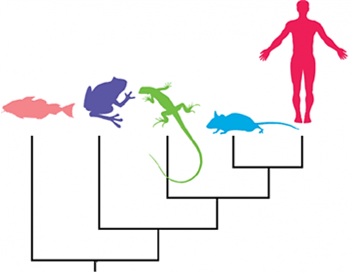
What is the human most closely related to?
Fish
mouse
Salamander
Human

Where is the alligator and T. rex's common ancestor?
Point A
Point B
Point C
Point D
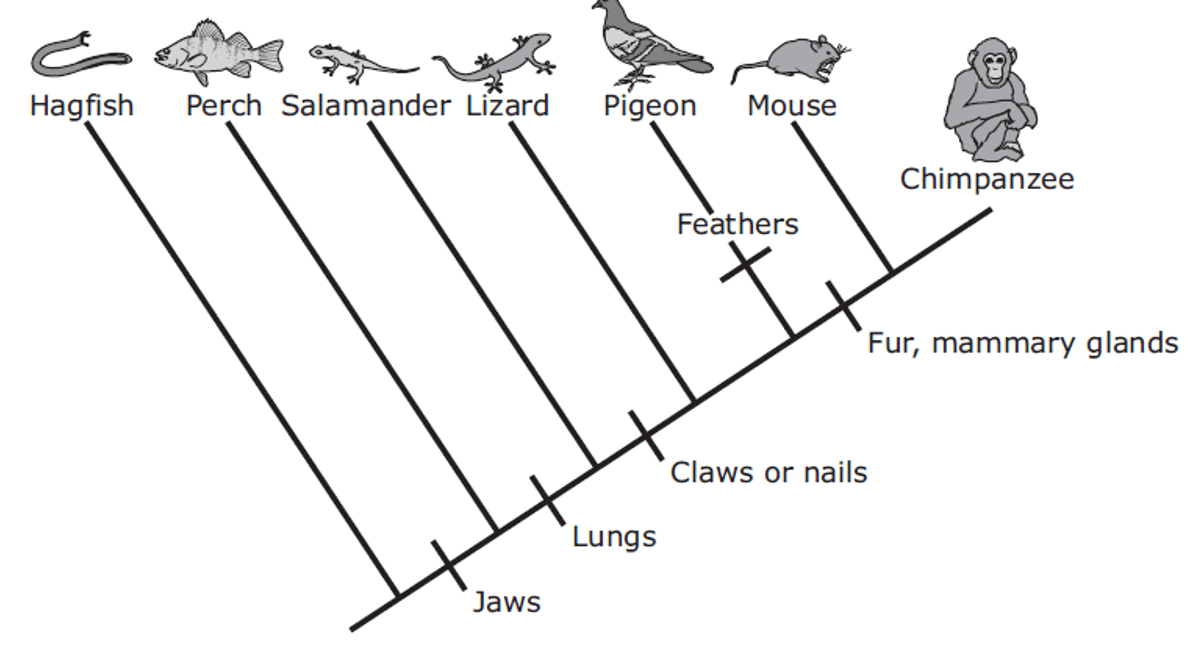
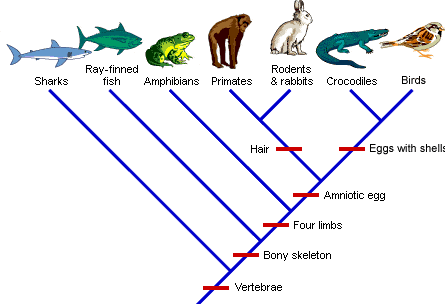
What is the purpose of a cladogram?
To map the ancestral relationships and shared traits of different organisms.
To trace the inherited traits of a single species over time.
To check the likelihood of an offspring having a particular trait.
To monitor mutations that arise among different populations.

What do both the squirrel and lion have in common that the other animals do not?
They are both vertebrates
They both have lungs
They are both mammals
They both lose their canine teeth.

What do amphibians, birds, prosimians and humans all have in common? Check all that apply.
Hair
Endothermic
Eukaryotic
Tetrapod
Vertebrate

Which letter represents the most recent common ancestor of sponges and mushrooms?
A
B
C
D
E

Which trait should go where A is on the cladogram?
eyes
feet
lips
hat

Which organism goes in the B position?


According to the diagram, what is the common ancestor of ALL organisms on the phylogenetic tree?
B
C
D
E

What is the common ancestor of Letters A, B, C, D, E?
1
2
3
4

Using the cladogram, which two organisms are more closely related Lizards and Newts OR Lamreys and Sharks
Newts and Lizards
Lampreys and Sharks

Which trait(s) do conifers have?
vascular tissue only
vascular tissue and seeds
vascular tissue, seeds and flowers
seeds only
How has technology helped us in understanding evolutionary relationships?
We can travel back in time to observe different organisms in their habitats.
We clone different organisms using DNA from fossils so we can bring them back and observe.
We can now compare the DNA of different organisms to help determine the relationships between them.
We can follow different organisms on Twitter to look for similar traits and characteristics.
How can a cladogram be used to show how closely related two organisms are?
The further apart two organisms are on a cladogram the more they have in common.
If two organisms are next to each other on a cladogram then they must be the same species.
All organisms share a common ancestor.
You can use a cladogram to see how many traits two organisms have in common. The more in common, the more closely related they are.
Which of the following pictures is an example of a cladogram?


According to the tree, who is the closest relative to the human?
Yeast
Pine
Giardia
Fern

Based on the cladogram, what trait was last developed?
Opposable thumbs
lungs
claws / nails
fur / mammory glands

Which organisms lack tissues?
Roundworms
Flatworms
Cnidarians
Sponges
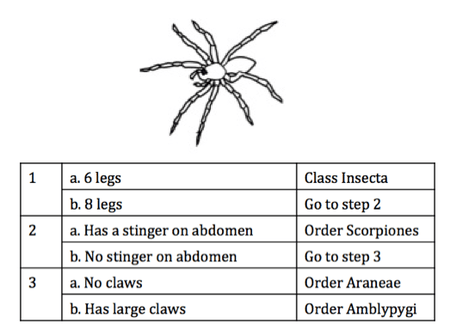

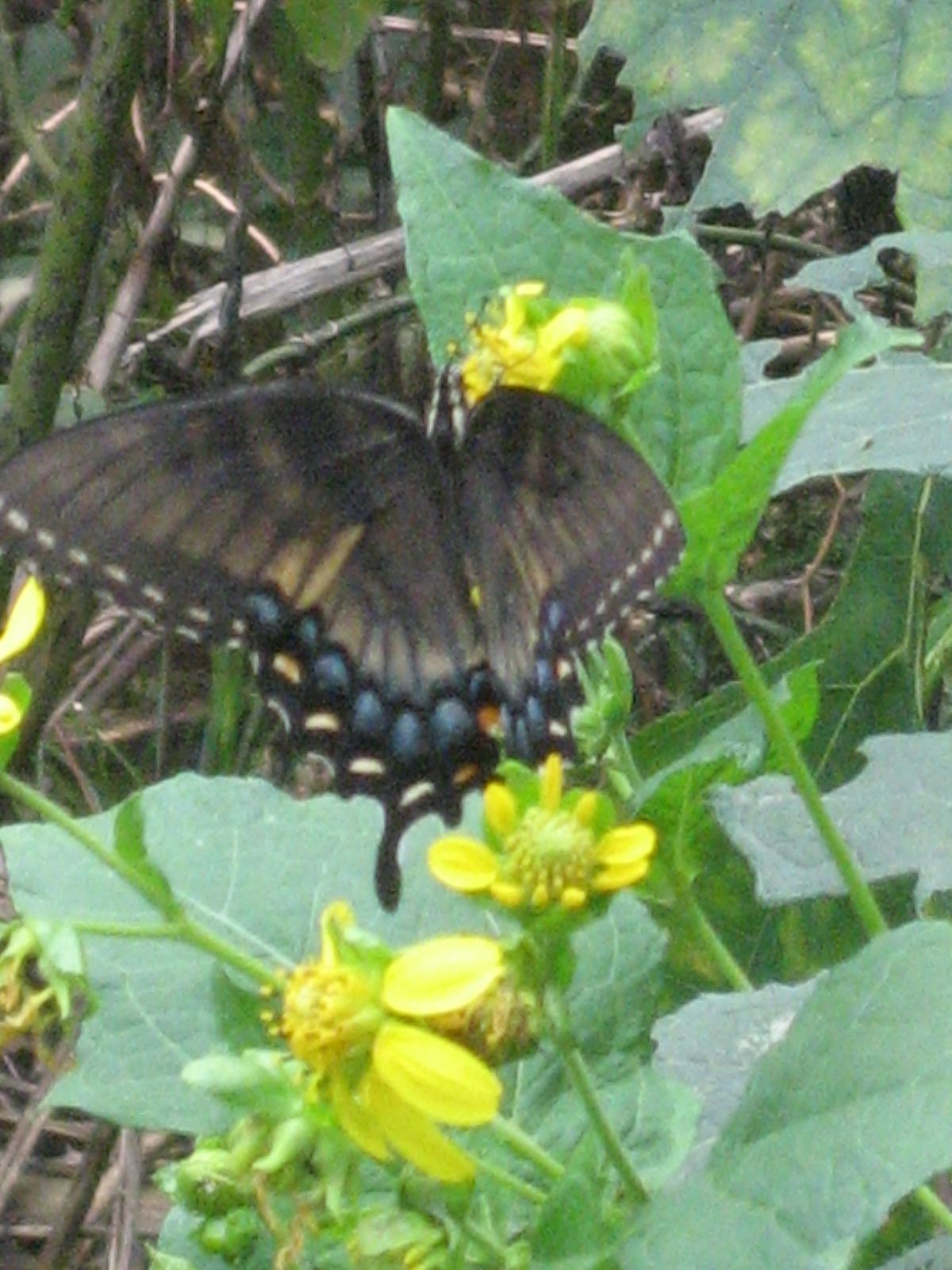
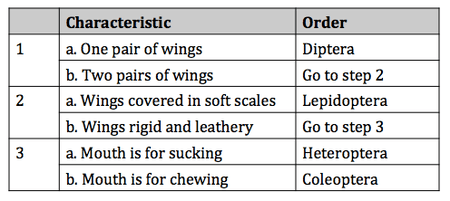
arachnids and insects?
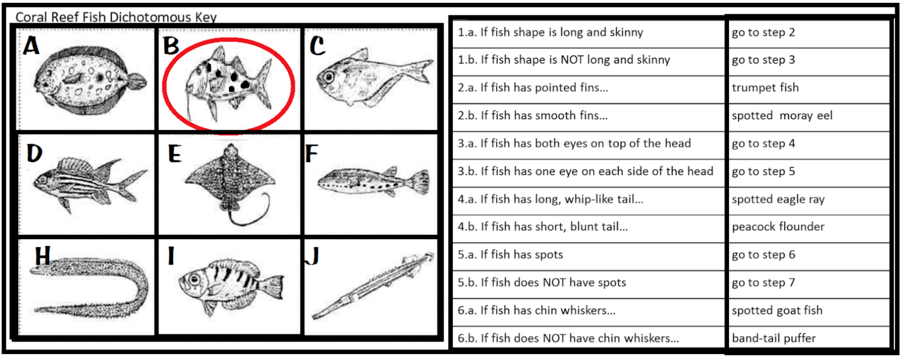
following observations of the plant’s characteristics would be useful in determining its identity with a dichotomous key?

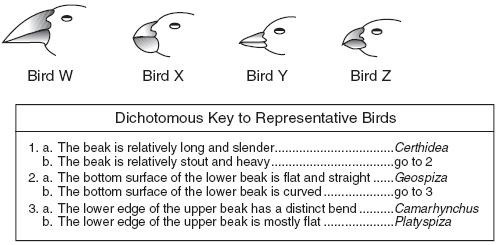
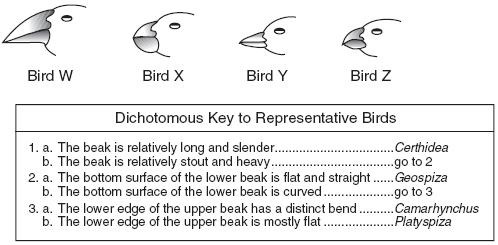


arachnids and insects?
following observations of the plant’s characteristics would be useful in determining its identity with a dichotomous key?
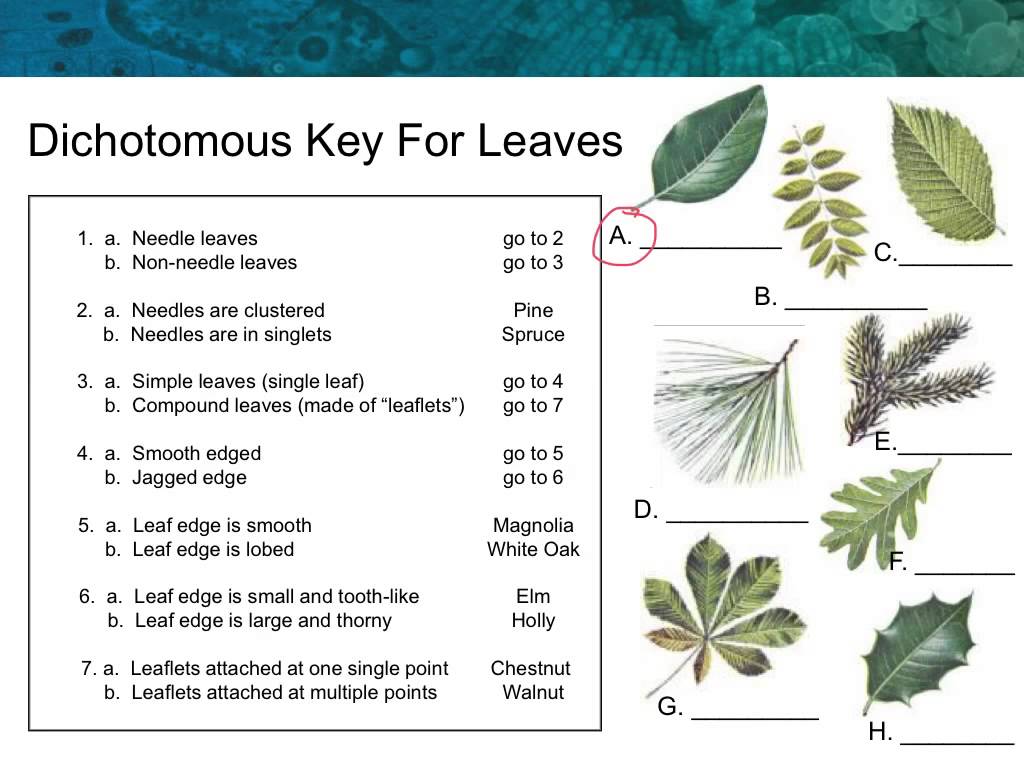



Who created the most commonly used system of taxonomy?
Niels Bohr
Watson and Crick
Charles Darwin
Carl Linnaeus
Which is the correct order?
Kingdom Phylum Order Class
Class Order Family Genus
Domain Phylum Kingdom Species
Order Family Species Genus
Identify the one that is NOT an archaea.
Methanogen
Thermophile
Halophile
Virus
You find a species that seems to be unicellular and is eating smaller cells around it. It has organelles and a nucleus. Which kingdom is it MOST likely a part of?
Fungi
Bacteria
Protists
Plants
Which of the following is NOT a unicellular kingdom?
Prokaryotes
Protists
Archaea
Fungi
Which one is NOT a difference between plants and fungi?
Plants use cellulose but fungi use chitin
Plants are autotrophs but fungi are heterotrophs
Plants have cell walls but fungi don't
Plants make their own food and fungi decompose their food
You identify a small living organism that is eating something at your feet. It's visible but pretty tiny, you take it to a lab and find that it has cell walls made of chitin. Which is its domain and kingdom?
Prokaryote, Fungi
Eukaryote, Fungi
Prokaryote, Plant
Eukaryote, Plant
Which is NOT a eukaryote?
Plants
Animals
Archaea
Protists
How are mammals different from all the other classes of vertebrates?
They don't have keratin
They don't have a backbone
They don't lay eggs (except two)
They aren't animals
Which best explains why a sponge is an animal?

All animals breath and sponges breath
Animals live underwater and so do sponges
Animals are multicellular heterotrophs and so are sponges
What kind of organisms eat other organisms for energy?
Consumer
Producer
Decomposer
None of the above
What kind of organisms break down other organisms to obtain their energy.
Consumers
Producers
Decomposeres
None of the above
Organisms that do not have a nucleus are classified as...
Prokaryotic
Eukaryotic
Producer
None of the above
Which of the following shows the correct order of the levels of classification from largest to smallest?
Species - Class- Order - Kingdom - Genus - Family - Phylum
Species - Genus - Family - Order - Class - Phylum - Kingdom
Kingdom - Phylum - Class- Order - Family - Genus - Species
None of the above
The science of grouping and naming organisms.
Classification
Binomial Nomenclature
Dichotomous Key
Taxonomy
The two word name system used to identify species.
Taxonomy
Binomial Nomenclature
Classification
Dichotomous Key
A tool used to help identify an organism’s scientific name.
Dichotomous Key
Microscope
Multi cellular
Graduated Cylinder
A system of grouping by common characteristics.
Taxonomy
Cladograms
Classification
Latin
Which category would contain the most organisms?
Phylum
Species
Kingdom
Animalia
What is the smallest, most specific category used to classify organisms?
Kingdom
Species
Genus
Family
We know that Canis lupus is a gray wolf and Canis latrans is a coyote. What level of classification do they have in common?
the Species name is the same
They are both Cats
the Genus name is the same
They are Prokaryotes
Most organisms on earth are:
unicellular
eukaryotic
multicellular
humans

