
 Worksheets
Flowers, Fruits, and Seeds
Total questions: 96
Worksheet time: 2hrs 56mins

Special type of leaf that protects the flower bud.
petal
stigma
style
sepal

Movement of pollen from a stamen to a pistil.
fertilization
pollination
germination
seed dispersal

The transport of seeds away from the parent plant.
fertilization
pollination
germination
seed dispersal

What is the purpose of fruit?
To be sweet and delicious
To give us nutrients
To protect the seeds
To look pretty on the plant
The purpose of seed dispersal is for the seeds to __________.
germinate at the same time
move to the same place and grow
move further away from the parent plant
compete with one another for minerals in the soil
State the characters ideal for dispersion by wind.
Small, light and hair-like
Small, light and sharp hooks
Big, light and fibrous husk
Big, light and explode
This fruit category has skin covering a soft flesh that surrounds a singular hard pit
berries
drupes
pomes
pepo
This fruit category has thick rinds with thin membranes inside that separate the flesh into segments.
hesperidium
aggregate
pomes
drupes
This fruit category has a central seeded core surrounded by flesh of the fruit.
drupes
pomes
hesperidium
berries
This fruit category has small and juicy thin skinned fruits.
hesperidium
pomes
berries
drupes
Which nutrient is NOT commonly found in fruit?
fiber
vitamin C
cholesterol
Calcium
Which category does an orange belong to?
Pepo
Hesperidium
Pomes
Berries
Which category does a pineapple belong to?
Aggregate
Multiple
Berries
Pomes
Flowering plants whose seeds typically contain only one embryonic leaf.
Monocot
Dicot
Epicotyl
Hypocotyl
Inner part of the pericarp that surrounds the seed
Endocarp
Mesocarp
Exocarp
Pit
Fruit develops from a flower with multiple pistils
Simple
Multiple
Aggregate
Fleshy
Fruit with a fleshy exterior, single, hard stony pit in the middle
Hesperidium
Pepo
Drupe
Pome
Fruits that split open at maturity (pod fruits, like soybeans)
Indehiscent
Dehiscent
Disseminated
Parthenocarpy
Fruit that develops from flowers that fuse together
Simple
Aggregate
Multiple
Fleshy
The outer skin or wall of the fruit
Exocarp
Mesocarp
Endocarp
Pit
These fruits hold juices to prevent the seeds from drying out
Fleshy
Multiple
Aggregate
Berry
The middle, fleshy part of a fruit
Exocarp
Mesocarp
Endocarp
Pit
Fruit with a leathery rind
Hesperidium
Pepo
Drupe
Pome
Fruit with a hard rind and fleshy inside matrix that holds the seeds
Drupe
Pepo
Berry
Pome
Fruits that don't split open at maturity
Indehiscent
Dehiscent
Multiple
Aggregate
Single seed with a membrane wing
Samara
Nut
Drupe
Pepo
The Following are the female reproductive organ of a plant EXCEPT:
Style
Filament
Carpel
Ovary
Which one of these is NOT a fleshy fruit?


What is this image depicting?
Fleshy Fruit
Tree Fruit
Dry Fruit
Dicot Fruit
Flowering plants whose seeds have two embryonic leaves:
Monocot
Dicot
Dehiscent
Indehiscent


Cycads, ginkgo, and conifers are examples of __________.
Angiosperm
Gymnosperm
Pteridophytes
Bryophytes
Why are flower petals colored?
They attract different kinds of animals.
The colors attract different pollen.
The colors show which flowers are poisonous to bugs.
They attract seeds.
What is the largest group of gymnosperms?
conifers
spruce
cedars
deciduous
Where do the seeds of a gymnosperm come from?
fruit
flowers
spores
cones
Which of the following groups of gymnosperms contains only one species?
cycads
horestails
gnetophytes
conifers
ginkgoes
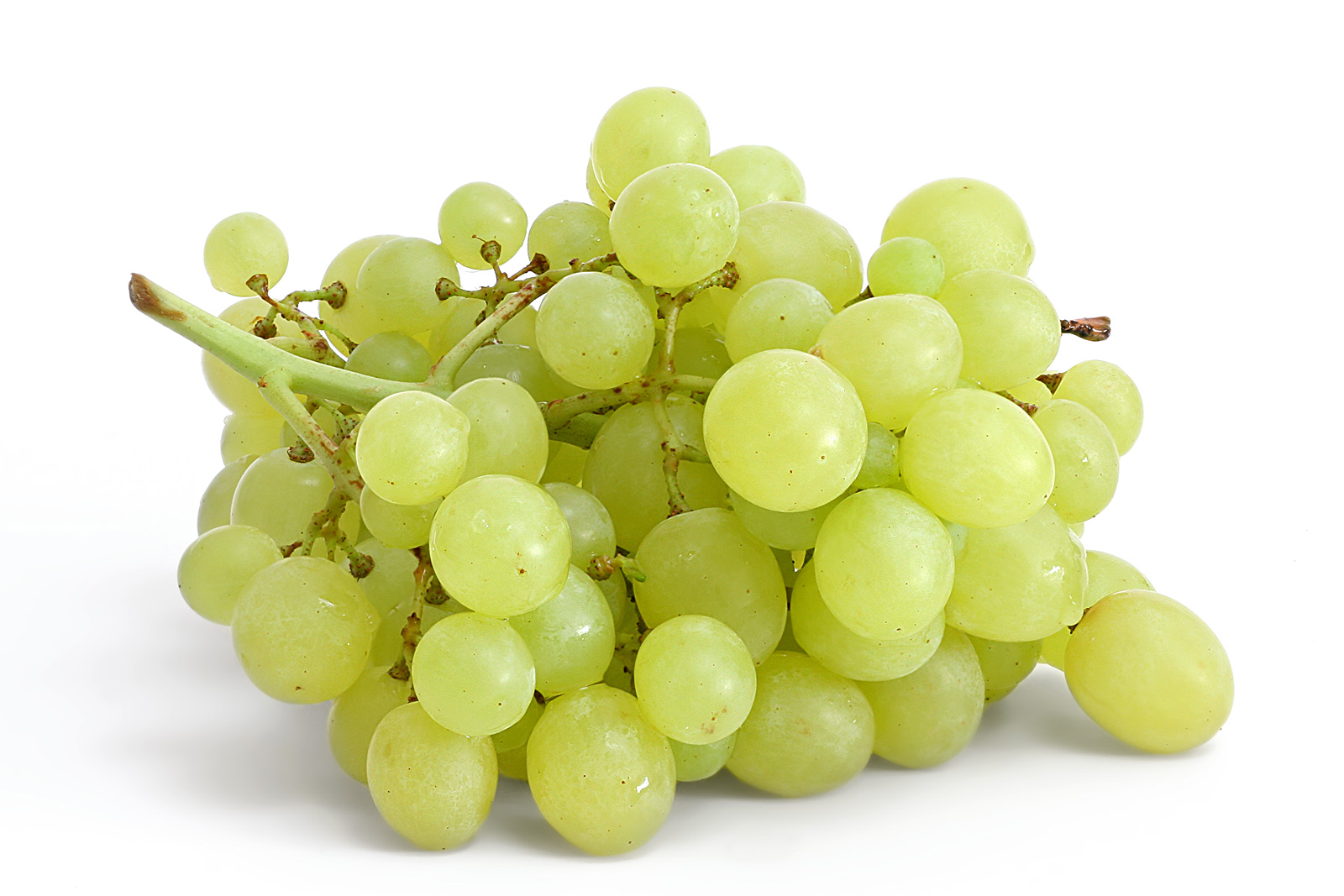
Why are grape seeds able to be dispersed by animals?
It is light and has wing-like structure
It is juicy and edible
It has a fibrous husk that makes it float
It has dry pods that split open
The function of a plant's roots is to absorb _____ and _________ from the soil.
nutrients & dirt
water & nutrients
sunlight & pollen
water & seeds
Which part of a plant is the site of photosynthesis?
Stem
Petals
Leaves
Stamen
The ______ helps to support the plant. It holds the leaves up to get sunlight to make food.
leaves
stem
roots
fruits
flowers
Plants have _______ to trap sunlight to make food.
leaves
stem
roots
flowers
fruits
True or False: All plants have flowers.
True
False

What is the function of tendrils?
Support the plant
Conserve water
Absorb water
Climb to reach sunlight

What is the function of shallow roots?
Conserve water plant
Absorb water for plant
Attract insects
Make food for the plant

What is the function of needles for the plant?
Conserve water
Protect the plants from animals
Attract animals to plant
Sweet smelling

What is the function of long stems for plants?
Allow plants to reach above surface to get sunlight
Absorb water
Protect the plant
Look pretty

What is the function of floating roots?
Sweet smelling
Conserve Water
Camouflage plant
Allow plant to move with the water.

How do wing-shaped seeds travel?
By water
By air
By attaching to animal fur
By being eaten

The image shows (a) leaf.

What is the venation of this leaf?
Parallel
Pinnate
Palmate

What is the venation of this leaf?
Parallel
Pinnate
Palmate

What is this leaf part?
Midrib
Stipule
Vein
Stem

What is this leaf part?
Vein
Stipule
Midrib
Petiole
What part of a plant moves water from the roots to the leaves?
Xylem
Phloem
Both
What part of a plant moves nutrients from the roots to the leaves and sugars from the leaves to the rest of the plant?
Xylem
Phloem
Both
Which of the roots reach deep into the soil to reach water
tap roots
fibrous roots
What happen to the plants, if roots get damaged?
It will grow.
It will stop growing.
It will damaged with the roots instantly.
The function of a plant's roots is to absorb _____ and _________ from the soil.
nutrients & dirt
water & nutrients
sunlight & pollen
water & seeds
Which part of a plant is the site of photosynthesis?
Stem
Petals
Leaves
Stamen
The ______ helps to support the plant. It holds the leaves up to get sunlight to make food.
leaves
stem
roots
fruits
flowers
Plants have _______ to trap sunlight to make food.
leaves
stem
roots
flowers
fruits
True or False: All plants have flowers.
True
False
What is the function of tendrils?
Support the plant
Conserve water
Absorb water
Climb to reach sunlight
What is the function of shallow roots?
Conserve water plant
Absorb water for plant
Attract insects
Make food for the plant
What is the function of needles for the plant?
Conserve water
Protect the plants from animals
Attract animals to plant
Sweet smelling
What is the function of long stems for plants?
Allow plants to reach above surface to get sunlight
Absorb water
Protect the plant
Look pretty
What is the function of floating roots?
Sweet smelling
Conserve Water
Camouflage plant
Allow plant to move with the water.
How do wing-shaped seeds travel?
By water
By air
By attaching to animal fur
By being eaten
The image shows (a) leaf.
What is the venation of this leaf?
Parallel
Pinnate
Palmate
What is the venation of this leaf?
Parallel
Pinnate
Palmate
What is this leaf part?
Midrib
Stipule
Vein
Stem
What is this leaf part?
Vein
Stipule
Midrib
Petiole
What part of a plant moves water from the roots to the leaves?
Xylem
Phloem
Both
What part of a plant moves nutrients from the roots to the leaves and sugars from the leaves to the rest of the plant?
Xylem
Phloem
Both
Which of the roots reach deep into the soil to reach water
tap roots
fibrous roots
What happen to the plants, if roots get damaged?
It will grow.
It will stop growing.
It will damaged with the roots instantly.

