wayground logo

Free Printable Worksheets

Font size

S
M
L
XL
Worksheets

Midterm Review

Total questions: 168

Worksheet time: 3hrs 24mins

Name
Class
Date
1.
The biome known for trees with broad leaves that fall off the trees in the winter.
a)
Coniferous Forests
b)
Deciduous Forests
c)
Deserts
d)
Tropical Rain Forests
2.
One characteristic feature of the tundra is that only the surface thaws in the summer and refreezes in the winter, leaving a permanently frozen subsoil. This characteristic is known as 
a)
Hoarfrost
b)
Glaciation
c)
Permafrost
d)
Crystallization 
3.
The kangaroo rat is able to get all of the water it needs through it's food and therefore, never needs to drink liquid. This animal has adapted to survive in which biome that rains less than 2 inches a year?
a)
Forest
b)
Tundra
c)
Desert
d)
Grassland
4.
Which biome, because of its climate, has the largest number of species of plants and animals?
a)
Tundra
b)
Tropical Rainforest
c)
Desert
d)
Pineforest
5.
The taiga:
a)
a cold, treeless, desert-like biome found near the North and South Poles
b)
found mostly in Africa
c)
a forest biome dominated by coniferous trees, such as pine, fir, and spruce
d)
a dry, rocky biome found in the central part of South America.
6.
Name the biome that has cold winters, warm summers, moderate seasonal precipitation, fertile soils and occasional wildfires.
a)
Tropical Dry Forest
b)
Tropical Grassland
c)
Temperate Grassland
d)
Temperate Woodland/Shrubland
7.
Regions of Earth that are defined by their climate and the unique plants & animals that live there
a)
biome
b)
ecosystem
c)
environment
d)
niche
8.
Which type of trees is found in a temperate forest?
a)
deciduous
b)
evergreen
c)
ginko
d)
palm
9.
What are the key features of the Tundra?
a)
cold winter, thin acidic soil, evergreen trees
b)
treeless, permafrost, cold dark winters
c)
ong cool summers, short dark winters, migrating animals
d)
many evergreen trees, short moist summers, long snowy winters
10.
Taiga is a biome consisting of evergreen trees (conifers).  Where is taiga found?
a)
northern parts of Mexico
b)
midwestern states such as Kansas
c)
northeastern states such as Maine
d)
southwestern parts of Canada
11.
Which of the following is not a decomposer
a)
Vulture
b)
Fungus
c)
Worm
d)
Bacteria
12.
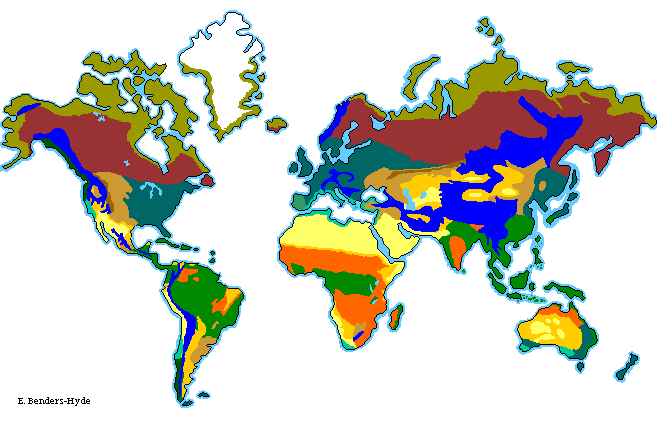
What Biome does this climate graph belong to?
a)
Desert
b)
Tropical Rainforest
c)
Temperate Forest
d)
Tundra
13.
a)
temperate deciduous forest
b)
desert
c)
grassland
d)
rainforest
14.
What is the term used to describe all living things in an ecosystem?
a)
Biotic Factors
b)
Abiotic Factors
c)
Environmental Factors
d)
Population
15.
Choose the correct order of organization from smallest to largest
a)
Species--> Population--> Community--> Ecosystem-->Biosphere
b)
Community--> Species--> Population--> Biosphere --> Ecosystem
c)
Ecosystem--> Community--> Species--> Population--> Biosphere 
d)
Population-->Species--> Community--> Ecosystem-->Biosphere
16.
What biomolecule do enzymes belong to? 
a)
Carbohydrate
b)
Lipid
c)
Nucleic Acid
d)
Protein
17.
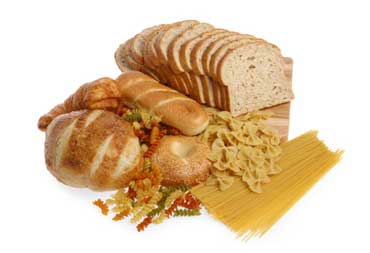
Which biomolecule is found in pasta and bread?
a)
Lipid
b)
Protein
c)
Nucleic Acid
d)
Carbohydrate
18.
Which biomolecule is a main source of quick energy?
a)
Nucleic Acid
b)
Protein
c)
Lipid
d)
Carbohydrate
19.
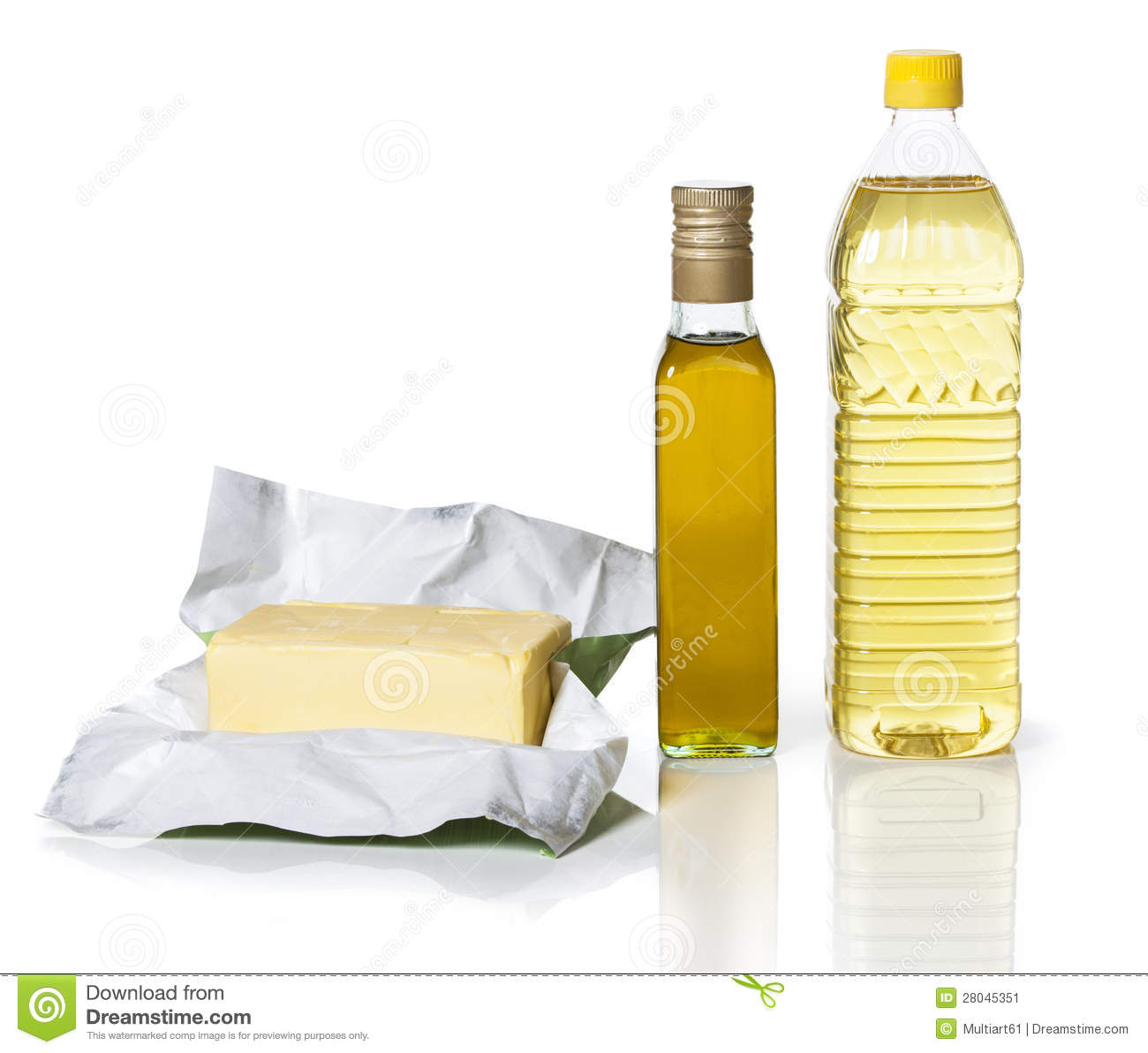
Which biomolecule is found in fats, oils, and waxes and is a source of long-term energy
a)
Proteins
b)
Nucleic Acid
c)
Lipids
d)
Carbohydrate
20.
What is the function of a nucleic acid?
a)
Stores genetic information
b)
Stores energy
c)
Quick source of energy
d)
Builds structures
21.

Which biomolecule helps form muscles?

a)

Nucleic Acid

b)

Carbohydrate

c)

Protein

d)

Lipids

22.
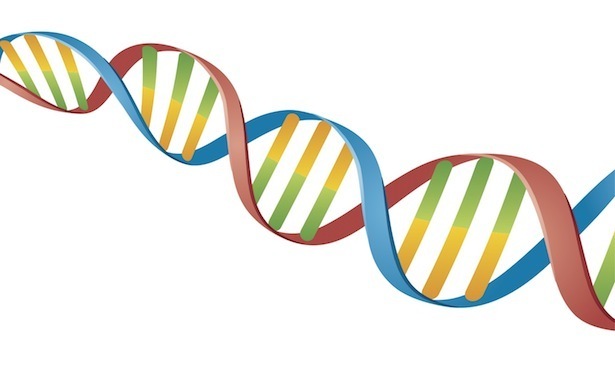
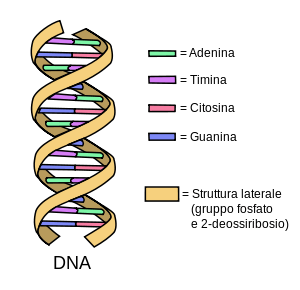
Which biomolecule is made of nucleotides and contain you DNA?
a)
Carbohydrate
b)
Lipids
c)
Protein
d)
Nucleic Acid
23.
Which biomolecule is responsible for insulation and energy storage?
a)
Protein
b)
Nucleic Acid
c)
Lipid
d)
Carbohydrate
24.
Which biomolecule has sugars and starches?
a)
Lipids
b)
Proteins
c)
Carbohydrates
d)
Nucleic Acid
25.
What type of molecule is this?
a)
Nucleic acid
b)
Protein
c)
Carbohydrate
d)
Lipid
26.
A monomer is ...
a)
a single atom
b)
a building block for polymers
c)
a single element
d)
is an inorganic molecule
27.
Enzymes are considered to be 
a)
Lipids
b)
Carbohydrate
c)
Protein
d)
Nucleic Acid
28.
What is the purpose  of an enzyme?
a)
give permission for the reaction
b)
raise activation energy
c)
speed up reactions
d)
control how many reactions occur
29.
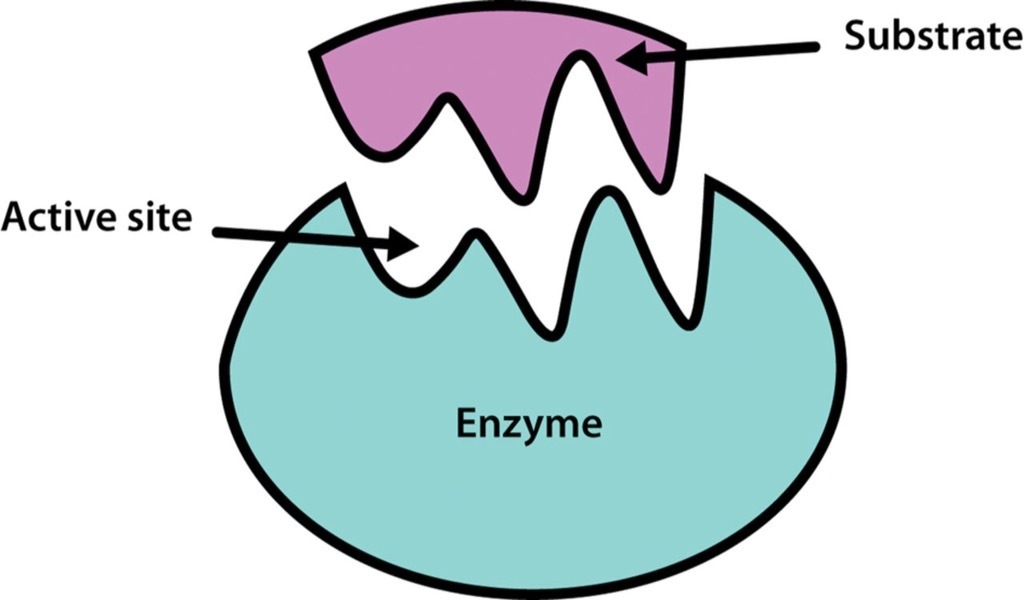
Letter D...
a)
active site
b)
enzyme
c)
substrate
d)
products
30.
A relationship between two species where one benefits while the other is harmed.
a)
Mutualism
b)
Commensalism
c)
Parasitism
d)
Naturalism
31.
A tapeworm and a cat have this type of relationship.
a)
mutualism
b)
parasitism
c)
commensalism
d)
competition
32.
A frog eats a fly. The frog and fly are demonstrating ________.
a)
mutualism
b)
competition
c)
predator/prey
d)
parasitism
33.
A tick and a dog have this type of relationship.
a)
mutualism
b)
commensalism
c)
neutralism
d)
parasitism
34.
A relationship between two organisms in which one organism benefits and the other is unharmed
a)
Mutualism 
b)
Competition
c)
Parasitsm 
d)
Commensalism 
35.
A relationship between two organisms in which both organisms benefit. 
a)
Mutualism 
b)
Competition
c)
Parasitsm 
d)
Commensalism 
36.
Barnacles create home sites by attaching themselves to whales. This neither harms nor benefits the whales.  What kind of relationship is this?
a)
Mutualism 
b)
Parasitism 
c)
Commensalism 
37.
A relationship in which two species live closely together.
a)
resource
b)
mutualism
c)
succession
d)
symbiosis
38.
What type of symbiosis is this?
*
Hermit crabs find shells left by snails that have died and move in.
*
  Snails die and leave behind their shells.
a)
commensalism
b)
mutualism
c)
parasitism
d)
predation
39.
In this picture, the ZEBRA is the __________________
a)
predator
b)
prey
40.
In this picture, the lion is the __________________
a)
predator
b)
prey
41.
The crocodile and bird have a _______________ relationship.  The crocodile benefits by having its teeth cleaned.  The bird benefits by gaining food and protection.  Both animals benefit from this relationship.
a)
parasitism
b)
predator and prey
c)
mutualism
d)
commensalism
42.
a relationship between two organisms in which one organism benefits and the other is unaffected
a)
camouflage
b)
parasite
c)
host
d)
commensalism
43.
a relationship between two species in which one species, the parasite, benefits from the other species, the host, which is harmed
a)
parasitism
b)
symbiosis
c)
predation
d)
hunting
44.
a relationship between two species in which both species benefit
a)
mutualism
b)
commensalism
c)
symbiosis
d)
camouflage
45.
a relationship in which two different organisms live in close association with each other
a)
mutualism
b)
commensalism
c)
symbiosis
d)
parasitism
46.
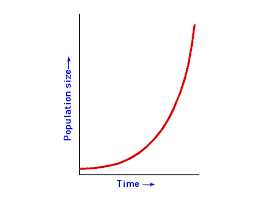
What type of growth is shown in the diagram?
a)
exponential growth
b)
logistic growth 
c)
predator-prey cycle
d)
boom-bust curve
47.
Largest number of individuals of a population that the environment can support...  
a)
carrying capacity
b)
population crash
c)
lag phase
d)
mutualism
48.
What do you call a period of rapid growth?
a)
exponential growth
b)
logistic growth
c)
emigration
d)
predator-prey cycle
49.
Which type of growth is best illustrated by this rabbit population?
a)
exponential
b)
logistic
c)
S-shaped
d)
predator-prey
50.
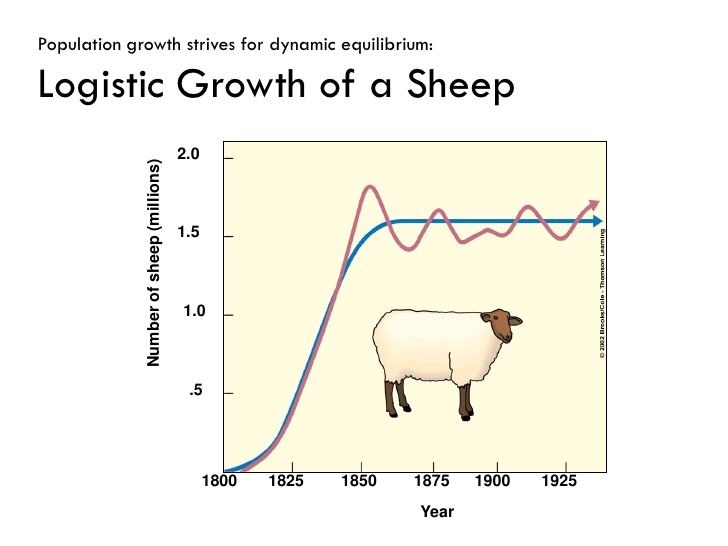
What is the carrying capacity for this sheep population?
a)
1.8 million
b)
1.25 million
c)
1.6 million
d)
1.o million
51.

Type of growth occurs when disease and parasites are present...

a)

exponential

b)

J-shaped

c)

predator-prey

d)

logistic

52.
What is the carrying capacity of this population?
a)
100
b)
200
c)
300
d)
400
53.
Why has the population been able to grow so quickly in such a short period of time?
a)
Doctors have developed easier and safer ways to have babies
b)
People needed more help to work their farms so they had more children
c)
Because people stayed in one place and only moved when crowded out
d)
Because of medical care, clean water and better access to nutritious food
54.
If a disease destroying barley plants in a field swept through an ecosystem, what would happen to the barley eating bird population in the the field ?
a)
The bird population would stay the same
b)
The bird population would infinitely increase
c)
The bird population would decrease
55.
What point on the graph represents the carrying capacity?
a)
A
b)
B
c)
C
d)
D
56.
Will competition increase/decrease the carrying capacity of an ecosystem for the animal in competition?
a)
Decrease
b)
Increase
57.
When a population grows past the ecosystem's carrying capacity, what happens to the population?
a)
Continues to grow
b)
The population starts to die off to return to carrying capcity
c)
The population will go extinct due to lack of resources
d)
The population grows then finds a new carrying capacity
58.
Limiting factors are sometimes helpful because they can keep the population from getting to large.
a)
True
b)
False
59.
Which limiting factor would increase due to the number of individuals in a population?
a)
Unusual weather
b)
Natural disaster
c)
Disease
60.
Which limiting factor is density independent?
a)
competition
b)
disease
c)
natural disasters
61.
What causes growth to stop in logistic growth?
a)
Emigration
b)
Immigration
c)
Carrying Capacity
62.
The graph of logistic growth can be described as...
a)
S-shaped
b)
J-shaped
c)
U-shaped
63.
An environmental factor such as predation, disease, and competition that depends on the number of members in a population per unit
a)
dispersion
b)
density- independent factor
c)
density- dependent factor
64.
If the number of births in a population is the same as the number of deaths in a population, what will happen to the growth of the population?
a)
It will increase.
b)
It will decrease.
c)
It will stay the same.
d)
It will fluctuate.
65.
The number of births compared to the total number of people in a population
a)
death rate
b)
birth rate
c)
baby boom
d)
doubling time
66.
Which is NOT a reason for the decreasing death rate?
a)
Better health care
b)
Greater food supply
c)
Cleaner water
d)
More pollution
67.
If the number of births is greater than the number of deaths in a population, what will happen to the growth of the population?
a)
It will increase.
b)
It will decrease.
c)
It will stay the same.
d)
It will fluctuate.
68.

What might happen if the earth exceeds its carrying capacity?

a)

There might not be room for people to move around.

b)

There might not be enough food and water for everyone.

c)

The continents might sink into the oceans.

d)

Most of the people on the planet would starve.

69.

Why would advances in medicine lead to population growth?

a)

Curing deadly diseases allows people to live longer

b)

People are unable to have babies without medical help

c)

Babies do not grow if they don't take their medicine

d)

New drugs allow mothers to have multiple births, like octuplets

70.

How can population growth lead to more pollution?

a)

Too many people breathing causes too much carbon dioxide to enter the atmosphere

b)

The body heat generated by billions of people leads to an increase in global warming

c)

More people being born means more paper is needed to print birth certificates

d)

All people produce waste, so more people equals more waste

71.

Before 1800, the infant mortality rate was much higher than it is now. What does that mean?

a)

People didn't have a lot of babies before 1800

b)

Children did not grow very tall before 1800

c)

Most women were unable to have babies before 1800

d)

A lot more babies died during childhood before 1800

72.

Which of the following describes a population?

a)

The total number of people, animals, and plants in New York City

b)

The total number of houses in Atlanta

c)

The total number of people living in the state of Texas

d)

The total number of fish in all the world's oceans
73.

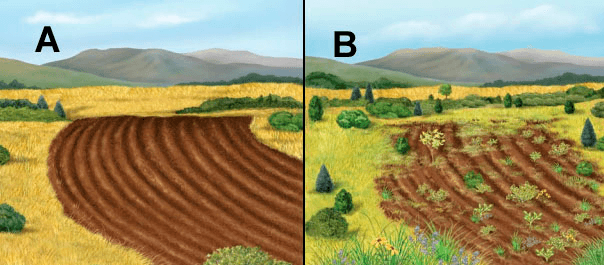
What type of succession is shown going from figure A to figure B?

a)

primary succession

b)

ecological succession

c)

secondary succession

d)

intermediate species

74.

What is the role of the pioneer species in Primary Succession?

a)

To kill any remaining organisms from before the disturbance

b)

To break down rock and rebuild soil

c)

To provide food for large animals

d)

To put fresh oxygen into the air

75.

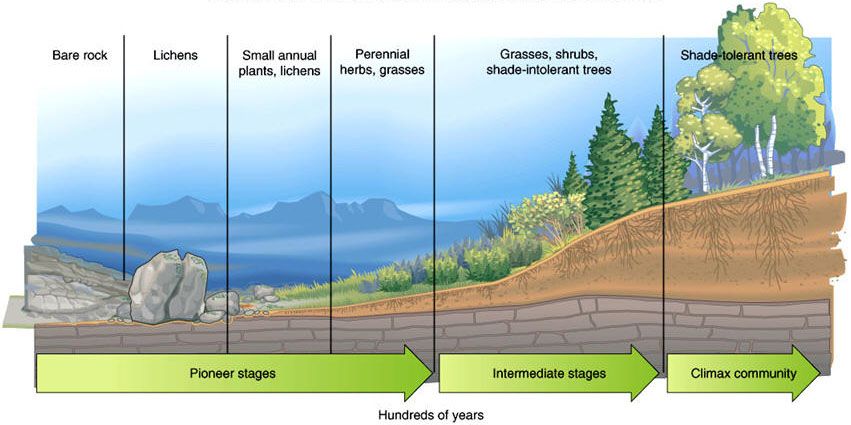
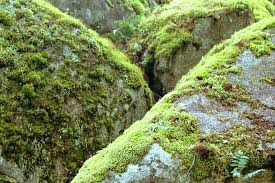
The picture shows what type of succession?

a)

primary

b)

secondary

c)

tertiary

d)

quadanary

76.

What are examples of pioneer species in a primary succession?

a)

Bushes and Shrubs

b)

Oak trees

c)

Mossess and Lichens

d)

A rose Bush

77.

After a volcanic eruption, lava covers the land. What is the order that plants grow to repopulate the area?

a)

Lichens → Shrubs → Grasses → Trees

b)

Lichens → tree → shrubs→Grasses

c)

Grasses → Lichens → Shrubs → Trees

d)

Lichens → Grasses → Shrubs → Trees

78.

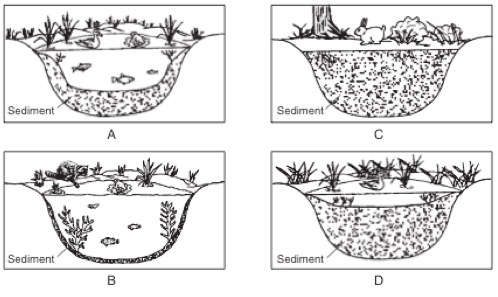
What is the correct order in this pond succession? (YOUNGEST to OLDEST)

a)

A, B, C, D

b)

D, C, B, A

c)

B, A, D, C

d)

C, D, A, B

79.

Starts with BARE ROCK followed by lichen

a)

primary succession

b)

secondary succession

c)

both types of succession

80.

What type of species/community is a redwood forest?

a)

Climax Community

b)

Pioneer Species

c)

Intermediate Species

d)

Tertiary Community

81.

What does "organic matter" refer to in biology?

a)

Living and/or dead organisms

b)

Crops that don't use pesticides

c)

Carbon based chemicals

d)

Food that isn't genetically modified

82.

Which of these is an example of a climax community?

a)
b)
c)
d)
83.

Natural disturbances, such as fires or hurricanes, can result in

a)

A.parasitism.

b)

B.competition.

c)

C.commensalism.

d)

D.succession.

84.

The end result of ecological succession is usually a(n)

a)

A.land biome.

b)

B.aquatic biome.

c)

C.unstable community.

d)

D.climax community.

85.

. Which of the following is an example of primary succession?

a)

A.lichens growing on rocks following a volcanic eruption

b)

B.grasses growing after a forest fire

c)

C.oak trees replacing pine trees in a forest

d)

D. non-native species introduced into a climax community

86.

Which of the following describes how an abiotic factor can impact the population dynamics in an ecosystem?

a)

A. A parasite that invades a host can reproduce and cause a decline in the host species population.

b)

B. Organisms that compete for the same resources will keep each other from overpopulating.

c)

C. Predators will prevent herbivores from depleting the plants and other resources in an ecosystem.

d)

D. Seasonal variations in temperature can cause some of the individuals in a population to die.

87.

How is primary succession different from secondary succession?

a)

Primary succession starts with soil.

b)

Secondary succession start with bare rock.

c)

Primary succession starts with bare rock, with lichens and moss.

d)

Fire is an example of primary succession.

88.

Several years after a building had been torn down and the ground cleared, grasses began to grow in that area. After 10 years, small bushes replaced the grasses. This pattern of plant growth is known as:

a)

Biological

control

b)

Cover cropping

c)

Ecological

succession

d)

Land-use

management

89.

A volcano in a mountainous, wooded region erupts, spewing tons of ash and destroying the forested area around the volcano. If the volcano remains dormant during

the next 1000 years, what will probably happen?

a)

The area will be repopulated by trees, eventually becoming a

forest again.

b)

The mountains will erode and remain without life.

c)

The area will remain unchanged, covered by volcanic ash.

d)

The area will turn into a completely different habitat, such as

desert of plains.

90.

Abandoned railroad tracks are overgrown with weeds. Ten years later there are small aspen trees growing in the middle of the tracks. This change is an example of:

a)

Primary succession

b)

Biological evolution

c)

Secondary succession

d)

Heterotrophic nutrition
91.
Which is a producer?
a)
deer
b)
tall grass
c)
lion
d)
worm
92.
What is this called?
a)
Food Web
b)
Food Chain
c)
Abiotic Factors
93.
If a frog is the prey, what could be the predator?
a)
Grass
b)
Insect
c)
Snake
d)
Snail
94.
What does a Primary Consumer eat?
a)
Tertiary Consumers
b)
Secondary Consumers
c)
Producers
95.
An organism that lives by breaking apart dead organic matter into simpler parts is...
a)
scavenger
b)
consumer
c)
decomposer
d)
carnivore
96.
A third-level consumer has to be which type?
a)
Carnivore.
b)
Decomposer.
c)
Producer.
d)
Herbivore.
97.
An animal that eats other animals is a....
a)
carnivore
b)
omnivore
c)
herbivore
d)
decomposer
98.
In a food web, arrows point at:
a)
who gets energy.
b)
who gets eaten.
99.
In a food web, arrows point at:
a)
who gets energy.
b)
who gets eaten.
100.
In a food web, arrows point at:
a)
who gets energy.
b)
who gets eaten.
101.
Bacteria, fungi, and earthworms are examples of: 
a)
scavengers
b)
predators
c)
prey
d)
decomposers
102.
What does a food web represent?
a)
All connections of energy flow throughout all organisms in a ecosystem.
b)
The specific ways that mutualism is carried out.
c)
A single pathway or energy flow between organisms. 
d)
How carnivores get their food. 
103.
Which of the following is a herbivore?
a)
cricket
b)
frog
c)
hawk
d)
shrew
104.
A community of living and nonliving things in their natural environment makes up a 
a)
food web
b)
ecosystem
c)
food chain
105.
__________ is an organism that eats BOTH plants and animals for energy.
a)
Omnivore
b)
Darnivore
c)
Carnivore
d)
Herbiovre
106.
If the grasshopper were to be removed completely from the food web, what organism would be most effected?
a)
The squirrel
b)
The shrew
c)
The deer
d)
The rabbit
107.
Which organism recieves the least amount of energy from the producer?
a)
Owl
b)
Grasshopper
c)
Lilypad
d)
Mouse
108.
What organism consumes both rabbits and birds?
a)
The Hawk
b)
The Wolf
c)
The Plant
d)
The Mushroom
109.
How many primary consumers are in this food web?  
a)
1
b)
2
c)
3
d)
4
110.
Look at the blank Energy Pyramid.  Which Trophic Level is where we would find the Tertiary Consumers?  
a)
The bottom level
b)
The second from the bottom level
c)
The top level
d)
The second from the top level
111.
Which of the following are abiotic factors in an environment?
a)
People
b)
Cow
c)
Salinity
d)
Chicken
112.
What level consumer could you consider the deer?  
a)
Primary
b)
Secondary
c)
Tertiary
d)
Quarternary
113.
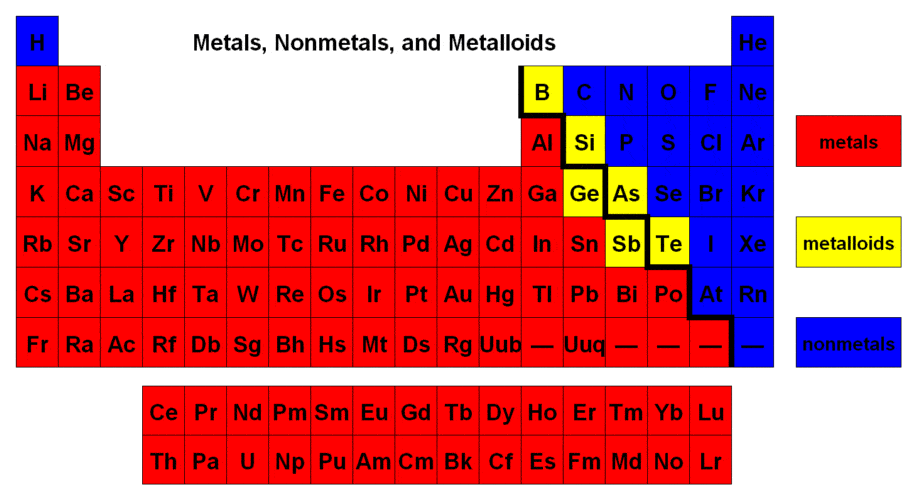
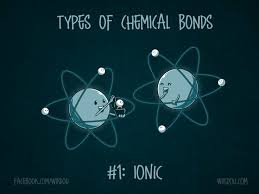
What elements generally make an ionic bond?
a)
metal and nonmetal
b)
2 or more nonmetals
c)
metal
d)
none of the above
114.
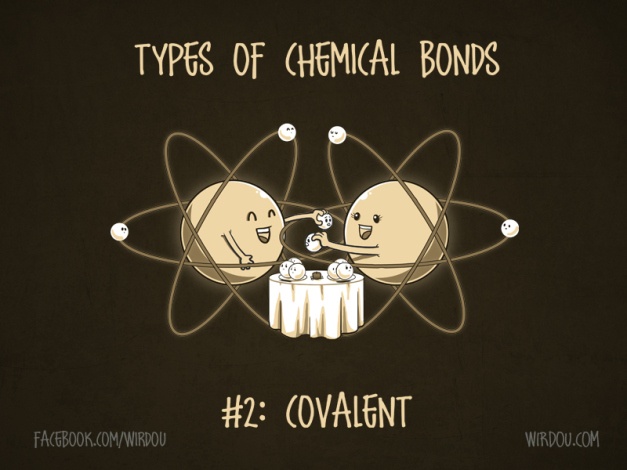
What elements generally make a covalent bond?
a)
metal and nonmetal
b)
2 or more nonmetals
c)
metal
d)
none of the above
115.
In chemical compounds, covalent bonds form when
a)
the electronegativity difference between two atoms is very large.
b)
electrons are completely transferred between two metals.
c)
pairs of electrons are shared between two nonmetal atoms.
d)
two nonmetal atoms are attracted to each other by opposite charges.
116.
An ionic bond forms when 
a)
Valence electrons are shared
b)
a sea of mobile electrons surround the cations
c)
valence electrons are transferred between atoms
d)
none of the above
117.
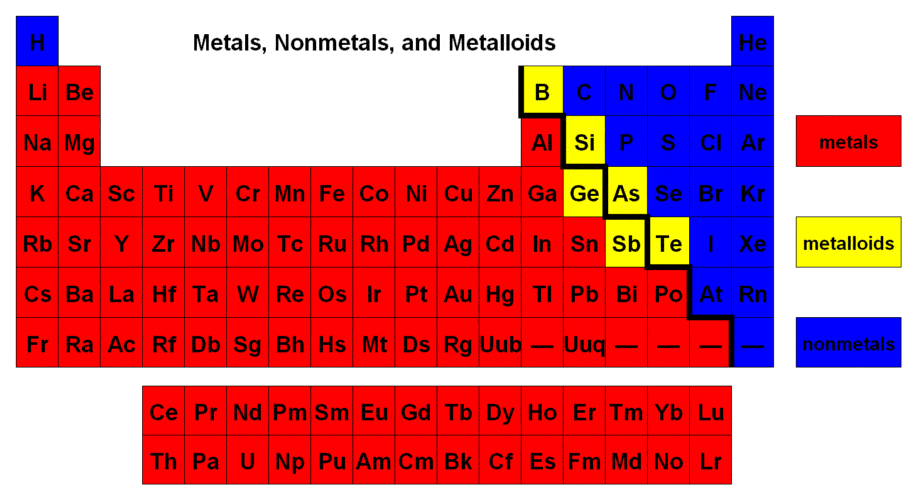
Predict the bond that will form between Be and F.
a)
Ionic
b)
Covalent
118.
Substance made from two or more combined atoms. 
a)
ion
b)
covalent bond
c)
ionic bond
d)
compound
119.
What two elements make up water?
a)
Helium and oxygen
b)
Hydrogen and oxygen
c)
helium and carbon
d)
oxygen and carbon
120.

A insect like a water strider can skate along the top of a pond because:

a)

covalent bonds result in water cohesion

b)

hydrogen bonds result in water cohesion (surface tension)

c)

low surface tension of water

121.
What word describes when water is attracted to other substances?
a)
cohesion
b)
adhesion
c)
capillary action
d)
surface tension
122.
Attractions between the negative Oxygen atom of one water molecule and the positive Hydrogen atom of another water molecule are called
a)
Covalent bonds
b)
Ionic bonds
c)
Polar bonds
d)
Hydrogen bonds
123.

Water travels up from the roots of a tree to the top because of

a)

adhesion and cohesion

b)

surface tension

c)

specific heat capacity

d)

density of water compared to ice

124.
Water droplets take a spherical shape (as pictured) because of ____________
a)
adhesion
b)
cohesion
c)
capillary action
d)
solubility
125.
A molecule with electrically charged areas is called a _______________.
a)
magnet
b)
polar molecule
c)
solution
d)
electrical molecule
126.

As you add drops of water to the surface of a coin, each drop sticks to the other water droplet because of ________________, and sticks to the penny because of ______________.

a)

adhesion, cohesion

b)

cohesion, adhesion

c)

capillary action, specific heat

d)

specific heat, capillary action

127.
Which end of the water molecule has a slightly positive charge?
a)
the oxygen end
b)
the hydrogen end
c)
both ends are slightly positive
d)
neither end is positive
128.

Which characteristic of water will allow a paperclip to remain floating on water when the paperclip is gently placed on top of the water?

a)

adhesion

b)

surface tension due to cohesion

c)

solvent properties

d)

nonpolar

129.
What are the two main groups of aquatic biomes?
a)
saltwater and freshwater
b)
marine and freshwater
c)
marine and estuarine
d)
oligotrophic and eutrophic
130.
Which of these is NOT a marine biome?
a)
open ocean
b)
deep ocean floor
c)
seashore
d)
wetlands
131.
Which of these is NOT a freshwater biome?
a)
coral reef
b)
flowing water
c)
wetlands
d)
ponds and lakes
132.
What do you call the non-living parts of an environment?
a)
biotic
b)
abiotic
c)
biome
d)
aquatic
133.
What do you call the living things that shape an environment?
a)
biotic
b)
abiotic
c)
biome
d)
aquatic
134.
Aquatic food webs begin with what?
a)
krill
b)
zooplankton
c)
phytoplankton
d)
plankton
135.
Plankton that make food by photosynthesis are called what?
a)
krill
b)
zooplankton
c)
phytoplankton
d)
plankton
136.
Plankton that are more animal in nature are called what?
a)
krill
b)
zooplankton
c)
phytoplankton
d)
plankton
137.
A large ecosystem is called a ______
a)
Ecosystem
b)
Habitat
c)
Biome
d)
Niche
138.

What is the defining difference between the marine, freshwater, and estuary biomes?

a)

Salinity (dissolved salt)

b)

Sunlight

c)

Oxygen

d)

Amount of Water

139.

Which aquatic biome is characterized by where rivers meet oceans?

a)

Marine

b)

Freshwater

c)

Coral Reef

d)

Estuary

140.

In a coral reef, are the corals living organisms?

a)

Yes

b)

No

141.

Wetland dominated by woody shrubs

a)

benthic zone

b)

glade

c)

marsh

d)

swamp

142.

Which of the following are functions of wetlands?

a)

absorb pollutants

b)

provide habitat for many animals

c)

control floods by acting as a sponge for excess water

d)

all of the above

143.

The nutrient increase in a body of water caused by fertilizer runoff

a)

littoral zone

b)

fertilization

c)

benthic photosurrealism

d)

eutrophication

144.

Aquatic biome dominated by marsh grasses

a)

rivers

b)

lakes and ponds

c)

salt marshes

d)

all of these

145.

Which would NOT be a threat to ocean organisms?

a)

oil spills

b)

chemicals

c)

overfishing

d)

none of these

146.
This biome has the most diverse species of plants and animals.
a)
desert
b)
tropical rainforest
c)
savanna
d)
tundra
147.
Which two biomes have the least precipitation?
a)
tropical rain forest and temperate grasslan
b)
savanna and tropical dry forest
c)
tundra and desert
d)
boreal forest and temperate woodland
148.
The photic zone
a)
extends to the bottom of the open ocean
b)
extends to a depth of about 200 meters
c)
is deep, cold, and permanently dark
d)
is where chemosynthetic bacteria are the producers
149.
The aphotic zone is
a)
the ocean's dark lower layer where photosynthesis cannot occur
b)
the sunlit upper layer of the ocean where photosynthesis occurs
c)
on the bottom of lakes, streams, and oceans.
d)
where benthos are found
150.
The intertidal zone of oceans
a)
surrounds continents
b)
is on the coastline
c)
has tides that rise and fall each day
d)
is the open ocean
151.
Which factor(s) affect aquatic ecosystems?
a)
depth
b)
flow
c)
nutrients
d)
all affect aquatic ecosystems
152.
Circulating water in lakes and ponds is important for distributing 
a)
heat
b)
oxygen
c)
nutrients
d)
all of these
153.
phytoplankton are
a)
tiny autotrophic organisms in water
b)
large plants 
c)
tiny heterotrophic organisms in water
d)
large animals
154.
An ecosystem where water covers the soil or water is near the surface of the soil is called
a)
a desert
b)
an ocean
c)
an estuary
d)
a wetland
155.
Estuaries form where 
a)
a lake evaporates
b)
a river meets the sea
c)
a river becomes dammed
d)
a wetland becomes filled in
156.

Living things are made up of units called

a)

DNA

b)

Cells

c)

Homeostasis

d)

Seeds

157.

If an organism is made entirely of one cell it is called...

a)

Multicellular

b)

Prokaryotic

c)

Unicellular

d)

Eukaryotic

158.

Reproduction that only involves one parent and all offspring are identical; for example, binary fission of bacteria or amoebas.

a)

Asexual

b)

Sexual

c)

Division

d)

Addition

159.

Reproduction that involves two cells from different parents unite to produce the first cell of a new organism.

a)

Asexual

b)

Sexual

c)

Budding

d)

Division

160.

Living things are based on a universal genetic

code. What molecule is responsible for that code?

a)

RNA

b)

Lipid

c)

Protein

d)

DNA

161.

For single-celled organisms, _____ is

mostly an increase in size.


Multicellular organisms go through a

process called __________, where cells

divide and differentiate into different

kinds of cells.

a)

Evolve, respond to stimulus

b)

Expansion, progress

c)

Growth, development

d)

Production, evolution

162.

The combination of chemical reactions through

which an organism builds up or breaks down

materials as it carries out its life processes is called ...

a)

absorption

b)

metabolism

c)

digestion

d)

consumption

163.

Maintaining a stable internal

environment is called

a)

homeostasis

b)

equilibrium

c)

balance

d)

evenness

164.
When you step out into the cold, your body shivers in order to keep its temperature at 98.6F.
a)
All living things use energy
b)
All living things contain cells
c)
All living things maintain homeostasis
d)
All living things grow
165.
Green plants produce their own food through the process of photosynthesis.
a)
All living things use energy
b)
All living things contain cells
c)
All living things maintain homeostasis
d)
All living things grow
166.
A baby song bird hatches from its egg with both parent songbirds watching.
a)
All living things reproduce
b)
All living things maintain homeostasis
c)
All living things use energy
d)
All living things grow
167.
A camel has eyelashes that work to keep the dust and sand out of its eyes.
a)
All living things adapt to their environment
b)
All living things grow
c)
All living things have cells
d)
All living things use energy
168.
A worm turns away from light is an example of a worm
a)
reproducing
b)
doing cellular respiration
c)
having cells
d)
responding to its environment