wayground logo

Free Printable Worksheets

Font size

S
M
L
XL
Worksheets

Atmosphere & Climate Change Review

Total questions: 61

Worksheet time: 43mins

Name
Class
Date
1.
The process that traps heat in our atmosphere is
a)
condensation.
b)
the Greenhouse Effect.
c)
Global Energy Systems.
2.

In what layer of the atmosphere is the ozone layer?

a)

troposphere

b)

mesosphere

c)

stratosphere

3.

Average temperature and precipitation combine to make

a)

climate

b)

weather

c)

atmosphere

4.

Ozone-destroying molecules

a)

CFCs

b)

Oxygen

c)

Carbon Dioxide

5.

Ozone in the atmosphere is bad, but ozone on the Earth's surface is good

a)

true

b)

false

6.
The impact on the planet due to global warming is called...
a)
climate change
b)
the seasons
c)
the weather
d)
natural change
7.
Increasing quantities of CO2 (Carbon Dioxide) in the atmosphere will cause air temperatures to be _____. 
a)
warmer
b)
cooler
8.
Climate change causes extreme weather conditions such as:
a)
Flooding
b)
Heat Waves
c)
Hurricanes
d)
All of the above
9.
Which human activity contributes the MOST carbon dioxide to the atmosphere?
a)
Fishing
b)
Breathing
c)
Burning Fossil Fuels
d)
Farming
10.
Global Warming does not affect humans, only plants and animals
a)
True
b)
False
11.
Industrialization is a contributing factor to climate change.
a)
True
b)
False
12.
The two largest fuel sources are?
a)
wood and coal
b)
wood and natural gas
c)
oil and nuclear power
d)
coal and oil
13.
Increasingly severe weather systems such as monsoons or drought could lead to military conflicts.
a)
True
b)
False
14.
Climate change can cause increases in asthma, allergies and heart disease.
a)
True
b)
False
15.
Scientists predict that the hurricanes coming off the warming waters of the Gulf of Mexico will be less severe and less frequent.
a)
True
b)
False
16.
How do scientists collect evidence about climate?  
a)
using remote sensing from space with satellites
b)
by ground-based measurements of surface temperatures, carbon dioxide concentration and sea level
c)
by collecting “proxy data” from tree rings, ice cores, and historical records
d)
all of the above
17.
Which of the following have been linked to climate change?  
a)
droughts
b)
flooding
c)
melting of polar ice caps
d)
all of the above
18.
The average temperature of the surface of Earth has increased approximately 1°C in the past century. Which reason best explains this increase in temperature?
a)
lower levels of ozone in the atmosphere
b)
lower levels of nitrogen in the atmosphere
c)
higher levels of carbon dioxide in the atmosphere
d)
higher levels of oxygen in the atmosphere
19.

What gas do cars and factories add to the atmosphere?

a)

oxygen

b)

carbon dioxide

c)

nitrogen

d)

water vapor

20.

Which of the following are NOT natural climate change factors. Check all that apply.

a)

volcanoes

b)

smoke from factories

c)

changes in Earth's orbit

d)

solar output

e)

deforestation

21.

The increasing intensity of hurricanes over the past decades may be caused by climate change.

a)

True

b)

False

22.

Glaciers are meltiing causing ocean levels to rise as a result of climate change.

a)

Fact

b)

Fiction

23.

What is the primary energy source for all weather and climate?

a)

gravity

b)

earth's rotation

c)

the sun

d)

the oceans

24.

What is climate?

a)

What's going on with the atmosphere at any particular time.

b)

The type of weather that occurs during a particular season.

c)

An area's pattern of weather over a long period of time.

d)

How much sunshine an area gets.

25.

Most scientists agree that as carbon dioxide in the atmosphere increases...

a)

global temperatures decrease.

b)

global temperatures stay the same.

c)

global temperatures increase

26.

Why has Earth's climate changed so quickly in recent years?

a)

People are eating too many plants.

b)

People are burning too many fossil fuels.

c)

The sun has gotten much hotter.

d)

The Earth is rotating too slowly to cool off.

27.

Which of the following is a man made climate change factor?

a)

Earth's orbit

b)

sunlight

c)

volcanos

d)

car pollution

28.

Which evidence supports global climate change?

a)

Rise in carbon dioxide levels.

b)

Increase in sea levels and temperature

c)

Increase in severe weather.

d)

All of the above

29.

What helps keep the energy from the sun from escaping back into space?

a)

the atmosphere

b)

the land

c)

rising sea levels

d)

infrared radiation

30.

In general, the farther a location is from the equator, the cooler the climate.

a)

true

b)

false

31.
CFC's cause harm to our 
a)
Troposphere
b)
Inversion Layer
c)
Ozone Layer
d)
Carbon Dioxide
32.

Where is the Ozone Layer found in our atmosphere?

a)

Troposphere (lower portion)

b)

Stratosphere (upper portion)

33.
Burning fossil fuels cause ________ that cause pollution.
a)
temperature decrease
b)
headaches
c)
emissions
d)
natural pollution
34.
Select the natural form of air pollution.
a)
CFC's
b)
Burning Fossil Fuels
c)
Forest Fires
d)
Paints and Solvents
35.

______________ ______________ is produced when fuels containing sulfur are burned in the presence of oxygen.

a)

Carbon dioxide

b)

Sulfur dioxide

c)

Carbon monoxide

d)

Greenhouse gas

36.
What is a primary pollutant? 
a)
pollutant that is put directly into air by human activities
b)
pollutants that react with other primary pollutants
37.

A type of pollution found both indoors and outdoors, which includes pollen, dander, soot, carbon, and dust.

a)

Water droplets

b)

Allergens

c)

Particulate matter

d)

Combustibles

38.
The ozone layer protects us from
a)
UV rays
b)
CFCs
c)
Increased atmospheric heat
d)
Decreased atmospheric heat
39.

Where is the "GOOD" ozone located?

a)

troposphere

b)

stratosphere

c)

mesosphere

d)

thermosphere

40.

Which layer of the atmosphere contains the ionosphere?

a)

troposphere

b)

stratosphere

c)

mesosphere

d)

thermosphere

41.

Which layer of the atmosphere has weather?

a)

troposphere

b)

stratosphere

c)

mesosphere

d)

thermosphere

42.

Which gas makes up the largest portion of air?

a)

oxygen

b)

nitrogen

c)

carbon dioxide

d)

methane

43.

The energy we use to function in our everyday lives can be classified as...

a)

Renewable or non-renewable

b)

Natural or non-renewable

c)

Renewable and Natural

d)

All of them

44.
Why is solar energy considered renewable energy?
a)
It's cheaper than fossil fuels
b)
The sun's energy would not run out for billions of years
c)
Solar energy recharges batteries
d)
All of them
45.

Renewable energy resources produce less_____________ than fossil fuels.

a)

pollution

b)

energy

c)

wind

d)

light

46.
_____________ power is electricity produced by flowing water.
a)
Solar 
b)
Wind 
c)
Hydroelectric 
d)
water
47.

What is a renewable resource?

a)

A resource you can reuse over and over

b)

An object you cannot replace

c)

Fossil fuels

d)

A resource that has a nearly unlimited supply
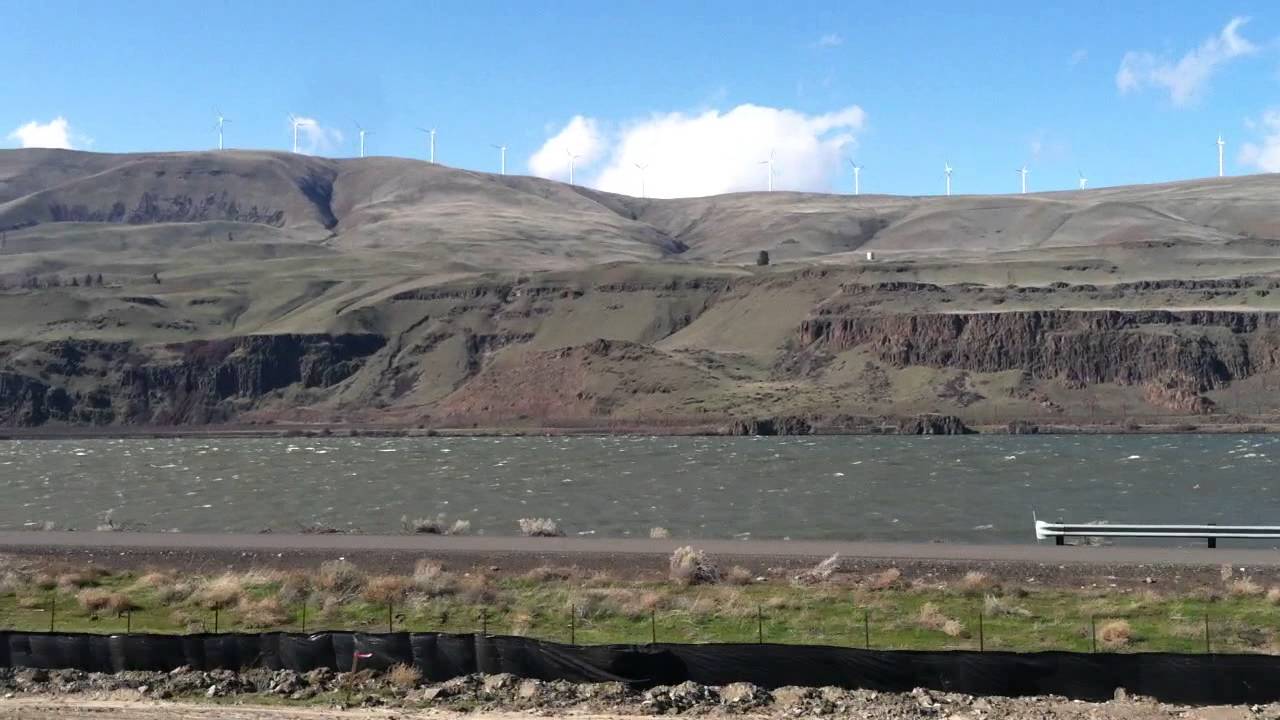
48.
Wind Energy is...
a)
 Energy that comes from harnessing the movement of the air
b)
Energy that comes from the Sun
c)
A source of renewable energy, such as solar, wind, or geothermal energy
d)
Fuel from plant material
49.
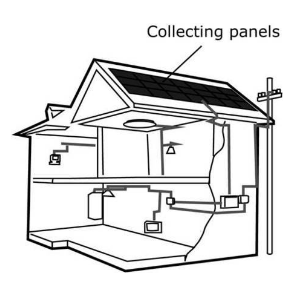
The house illustrated here uses panels on the roof to collect a natural resource and convert it into electricity that can be used.
Which alternative energy source does this house use?
a)
Water
b)
Wind
c)
Solar
d)
Geothermal
50.
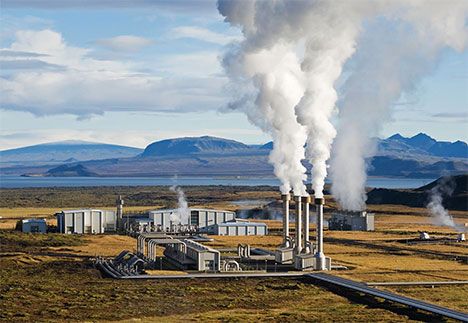
Heat transferred from beneath the surface of Earth and used to produce energy for human use is...
a)
Hydropower
b)
Wind Energy
c)
Geothermal Energy
d)
Solar Energy
51.

All of the following are considered renewable energy sources EXCEPT –

a)

Wind

b)

Coal

c)

Biomass

d)

Solar

52.
What do we call large areas of windmills?
a)
Wind farms
b)
Hurricanes
c)
Turbines
d)
Wind tunnels
53.

Which one of these is NOT a type of renewable energy?

a)

solar

b)

wind

c)

biomass

d)

nuclear

54.
Oil is a __________ energy resource.
a)
Renewable
b)
Nonrenewable
55.
Natural Gas is a __________ energy resource.
a)
Renewable
b)
Nonrenewable
56.
Which is not an advantage of Wind energy?
a)
Land can be used for other purposes
b)
Can be quickly built; not too expensive
c)
Long operating life
d)
Danger to birds
57.

if a tractor trailer truck is 20% efficient, what happened to the other 80%

a)

energy is destroyed

b)

energy is lost as heat

c)

the 80% is still in the gas tank

d)

energy is converted into matter

58.

Fossil fuels are considered nonrenewable because they

a)

do not produce pollution

b)

are no longer used by humans

c)

are created so quickly

d)

take millions of years to form, so once they're gone, they're gone

59.

What are the main fossil fuels?

a)

Coal

b)

Oil

c)

Natural Gas

d)

Nuclear Energy

60.

Which fossil fuel is created from the remains of dead plants and forms into a "rock?"

a)

Coal

b)

Petroleum

c)

Natural Gas

d)

Nuclear Energy

61.

In order to use the energy inside of fossil fuels, they must be...

a)

burned

b)

melted

c)

crushed

d)

cut