wayground logo

Free Printable Worksheets

Font size

S
M
L
XL
Worksheets

DT1 : Unit 1 - 3A

Total questions: 155

Worksheet time: 4hrs 16mins

Name
Class
Date
1.

What is the product of mitosis?

a)

2 genetically identical daughter cells

b)

4 genetically identical daughter cells

c)

2 genetically diverse daughter cells

d)

4 genetically diverse daughter cells

2.

What is the product of meiosis?

a)

2 genetically identical daughter cells

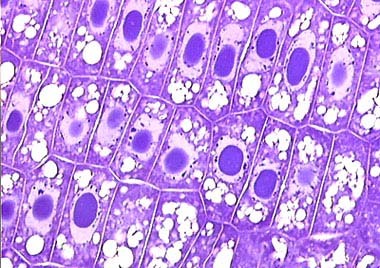
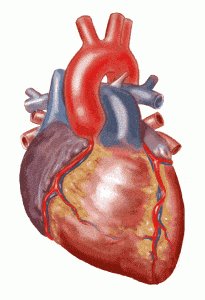
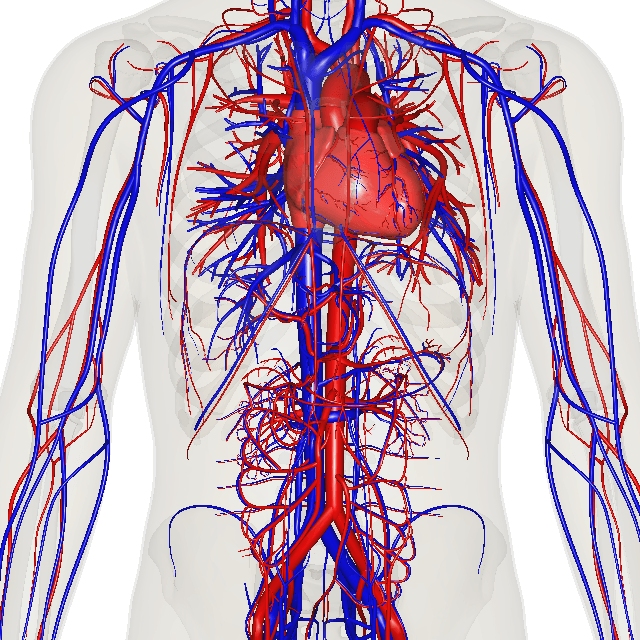
b)

4 genetically identical daughter cells

c)

2 genetically diverse daughter cells

d)

4 genetically diverse daughter cells

3.

Which of the following is not a characteristic of life?

a)

Made up of cells

b)

Can maintain homeostasis

c)

Ability to move

d)

Can respond to stimuli

4.

Which of the following is the most complex level of organization?

a)

Heart

b)

Cardiac cell

c)

Muscle cell

d)

Cardiovascular system

5.
Pick the true statement about cellular organization:
a)
cells working together make tissues
b)
cells working together make organs
c)
tissues working together make organ systems
d)
organs working together make cells
6.
Which is the most complex of the choices below?
a)
cell
b)
tissue
c)
organ
d)
organ system
7.
Which is the most complex of the choices below?
a)
cell
b)
tissue
c)
organ
d)
organ system
8.
What is the most basic unit of life?
a)
cell
b)
tissue
c)
organ
d)
organ system
9.
How do consumers get the energy they need to survive?
a)
photosynthesis
b)
eating other organisms
c)
decomposing dead materials
d)
chemosynthesis
10.
A _____ is something in the environment that causes an organism to respond.
a)
stimulus
b)
response
c)
cause
d)
effect
11.
Which choice shows the levels of organization in order from LARGEST to smallest.
a)
organism, organ system, organ, tissue, cell
b)
cell, tissue, organ, organ system, organism
c)
organism, cell, organ system, tissue, organ
d)
cell, cell, cell, cell, cell
12.
When a baby kitten becomes an adult cat, this is an example of...
a)
energy metabolism
b)
growth and development
c)
response to stimuli
d)
having cells
13.
Your body shivers when you are cold. This is because of the concept of...
a)
homeostasis
b)
heredity
c)
energy metabolism
d)
cellular organization
14.

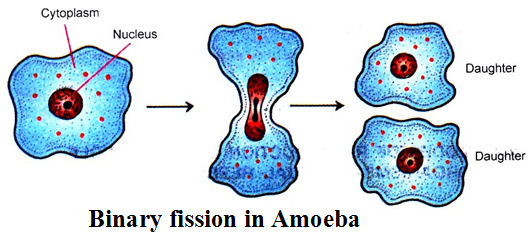
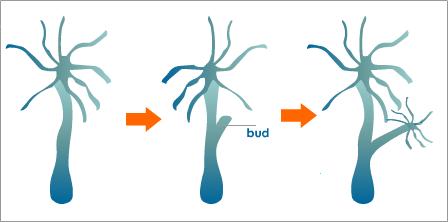
Reproduction that only involves one parent and all offspring are identical; for example, binary fission of bacteria or amoebas.

a)

Asexual

b)

Sexual

c)

Division

d)

Addition

15.

If an organism is made entirely of one cell it is called...

a)

Multicellular

b)

Prokaryotic

c)

Unicellular

d)

Eukaryotic

16.

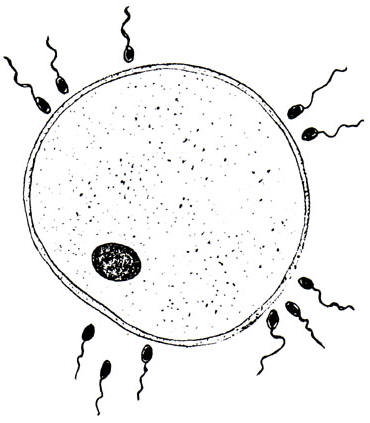
Reproduction that involves two cells from different parents unite to produce the first cell of a new organism.

a)

Asexual

b)

Sexual

c)

Budding

d)

Division

17.

Living things are based on a universal genetic

code. What molecule is responsible for that code?

a)

RNA

b)

Lipid

c)

Protein

d)

DNA

18.

Living things are based on a universal genetic

code. What molecule is responsible for that code?

a)

RNA

b)

Lipid

c)

Protein

d)

DNA

19.

Maintaining a stable internal

environment is called

a)

homeostasis

b)

equilibrium

c)

balance

d)

evenness

20.
Green plants produce their own food through the process of photosynthesis.
a)
All living things use energy
b)
All living things contain cells
c)
All living things maintain homeostasis
d)
All living things grow
21.
A camel has eyelashes that work to keep the dust and sand out of its eyes.
a)
All living things adapt to their environment
b)
All living things grow
c)
All living things have cells
d)
All living things use energy
22.

A structure made up of different types of tissue and performs a specific job.

a)

cells

b)

tissue

c)

organ

d)

organ system

23.
A group of similar cells that perform the same function.
a)
tissue
b)
organelle
c)
mass
d)
tendon
24.
A group of organs that work together to perform a major function is an organ
a)
system
b)
column
c)
bank
d)
stack
25.
An unspecialized cell that can develop into many different cell types is called a/an _____.
a)
tissue
b)
organ
c)
stem cell
d)
organ system
26.
Which is true of unicellular organisms?
a)
they lack cells
b)
they all are eukaryotic
c)
they lack cell differentiation
27.
What is the correct order of organization
a)
tissues-cells-organs-organ systems-organism
b)
cell-tissue-organs-organ systems-organism
c)
organism-cells-tissues-organ systems-organism
d)
tissues-cells-organs-organ sytems-organism
28.
This is a example of ........
a)
cell
b)
tissue
c)
organ 
d)
organ system
29.
This is a example of ........
a)
cell
b)
organ system
c)
organ
d)
tissue
30.
This is a example of ........
a)
organ
b)
organ system
c)
tissue
d)
cell
31.
When many organ systems work together it can form...
a)
a cell
b)
an organ
c)
an organ system
d)
an organism
32.
Viruses are...
a)
prokaryotic
b)
eukaryotic
c)
non-living
d)
endospores
33.
Needs host cell to reproduce.
a)
Virus
b)
Bacteria
c)
Fungus
d)
Protozoan
34.
How does a virus cause a person to develop the common cold?
a)
invades the host cell to reproduce
b)
removes energy from the host cell
c)
produces toxins in the host cell
d)
protects the host cell from bacteria
35.
When a virus invades a living cell, its _______
takes over the cell's functions.
a)
outer coat
b)
genetic material
c)
core
d)
cytoplasm
36.
When a virus invades a living cell, its _______
takes over the cell's functions.
a)
outer coat
b)
genetic material
c)
core
d)
cytoplasm
37.
One reason that viruses are considered to be nonliving is that they are not made of ______.
a)
protein
b)
viruses
c)
bacteria
d)
cells
38.
What do viruses have in common with living cells? They both...
a)
store genetic information
b)
have chloroplasts
c)
use glucose for cellular respiration
d)
have endoplasmic reticulum
39.
What part of the phage is the DNA?
a)
A
b)
B
c)
C
d)
D
40.
Viruses are cells. 
a)
True 
b)
False
41.
Antibiotics kill viruses
a)
True
b)
False
42.
What part of the virus is number 1?
a)
Capsid
b)
DNA
c)
Surface Markers
d)
Envelope
43.

What organelle do viruses hijack to create energy for reproduction?

a)

Ribosomes

b)

Mitochondria

c)

Nucleus

d)

Golgi Body

44.

What type of cells does mitosis form?

a)

Somatic cells

b)

Sperm cells

c)

Egg cells

46.

What type of cells does meiosis form?

a)

Liver cells

b)

Gamete cells

c)

Skin cells

d)

Somatic Cells

46.

What type of cells does meiosis form?

a)

Liver cells

b)

Gamete cells

c)

Skin cells

d)

Somatic Cells

47.

What process do bacteria reproduce by asexually?

a)

Conjugation

b)

Fertilization

c)

Binary Fission

d)

Pollination

48.
2 parents needed.
a)
asexual
b)
sexual
49.
one parent needed.
a)
sexual
b)
asexual
50.
more genetic diversity among offspring.
a)
sexual
b)
asexual
51.
offspring are identical to the parent.
a)
sexual
b)
asexual
52.
occurs in more simple organisms.
a)
sexual
b)
asexual
53.
occurs in more complex organisms.
a)
sexual
b)
asexual
54.
a)
sexual
b)
asexual
55.
a)
sexual
b)
asexual
56.
a)
sexual
b)
asexual
57.
a)
sexual
b)
asexual
58.

Where does an offspring get its traits in asexual reproduction?

a)

From both parents

b)

From only one parent

c)

From neither parent

d)

There are no traits handed down

59.
What causes genetic variation in meiosis?
a)
chromosomes lining up
b)
crossing over of chromosomes
c)
separation of chromosomes
d)
chromosomes pulling apart
60.
What kind of cells are made in MEIOSIS?
a)
Haploid cells
b)
Diploid Cells
c)
Skin Cells
d)
Liver Cells
61.
Diploid Cells are represented by
a)
2n
b)
n
c)
4n
d)
1/2 n
62.
If the Diploid number of Carrots is 18, the haploid number is
a)
18
b)
9
c)
27
d)
36
63.
The process of crossing over occurs in what phase of meiosis?
a)
anaphase 1
b)
prophase 1
c)
prophase 2
d)
telophase 1
64.
The chromosomes that pair up during meiosis, are called __________ chromosomes.  
a)
homozygous 
b)
asexual
c)
homologous
d)
genes
65.
When homologous chromosomes match up, they form a structure call a ___________.
a)
tetrad (pair of chromosomes, one from mom and one from dad)
b)
triad
c)
diploid
d)
quad (group of 4 replicated chromosomes, 2 from mom and 2 from dad)
66.
Crossing over creates
a)
male genotype
b)
genetic variation (differences)
c)
DNA replication
d)
mitosis
67.
Which cellular process is shown?
a)
meiosis
b)
endocytosis
c)
mitosis
d)
phagocytosis
68.
Which of the following best describes meiosis?
a)
It is carried out in all tissues theat require cell replacement
b)
It occurs only in cells in the reproductive structures of an organism
c)
It happens in all of the tissues except the brain and spinal cord
d)
It is the first stage of mitosis
69.
What phase is represented?
a)
metaphase 1
b)
metaphase 2
c)
anaphase 1
d)
anaphase 2
70.
What phase is  shown in the picture?
a)
metaphase 2
b)
anaphase 2
c)
metaphase 1
d)
telophase 1
71.
products of meiosis are genetically
a)
different
b)
identical
72.
A human zygote should have _____ chromosomes inside.
a)
46
b)
23
c)
92
d)
64
73.
Which of the following represents chromosome # during fertilization?
a)
n+n=2n
b)
n=n
c)
2n=n+n
d)
2n=2n
74.
Meiosis makes sperm and egg cells. In humans, sperm and egg cells each have _____ chromosomes. Therefore a fertilized human egg cell (sperm and egg cell combined) would create a cell with _____ chromosomes.
a)
23, 46
b)
46, 23
c)
2, 4
d)
50, 100
75.
How many daughter cells does Meiosis create?
a)
2
b)
4
c)
8
d)
1
76.
What phase of mitosis is shown in the picture?
a)
Prophase
b)
Anaphase
c)
Telophase
d)
Metaphase
77.
Chromatid pairs line up in the middle of the cell.
a)
Metaphase
b)
Telophase
c)
Anaphase
d)
Interphase
78.
What phase of mitosis is shown in the picture?
a)
Prophase
b)
Anaphase
c)
Telophase
d)
Metaphase
79.
What phase of mitosis is shown in the picture?
a)
Prophase
b)
Anaphase
c)
Telophase
d)
Metaphase
80.
A new organism is produced from one parent organism.
a)
Sexual Reproduction
b)
Asexual Reproduction
81.
Mitosis is a type of ________________ reproduction.
a)
Sexual
b)
Asexual
82.
What phase of mitosis is shown in the picture?
a)
Prophase
b)
Anaphase
c)
Telophase
d)
Metaphase
83.
Chromatid pairs separate and move to opposite ends of the cell
a)
Metaphase
b)
Telophase
c)
Interphase
d)
Anaphase
84.
Chromosomes duplicate, the cell grows and develops
a)
Metaphase
b)
Telophase
c)
Interphase
d)
Anaphase
85.
What phase of mitosis is shown in the picture?
a)
Prophase
b)
Anaphase
c)
Telophase
d)
Metaphase
86.
Results of cell division or mitosis include all of the following EXCEPT?
a)
growth
b)
repair damaged cells
c)
replace damaged cells
d)
dead cells
87.
Chromatid pairs can be seen, spindle fibers form and nuclear membrane disappears
a)
Metaphase
b)
Telophase
c)
Anaphase
d)
Prophase
88.
Two new nuclei form and the cytoplasm splits
a)
Metaphase 
b)
Telophase
c)
Anaphase
d)
Prophase
89.
How many chromosomes does a human cell have?
a)
42
b)
46
c)
24
d)
64
90.
Which of the following lists, in order, the phases of mitosis?
a)
interphase, metaphase, anaphase, telophase
b)
prophase, metaphase, anaphase, telophase
c)
prophase, metaphase, anaphase, interphase
d)
prophase, anaphase, metaphase, telophase
91.
How many daughter cells are produced in mitosis?
a)
1
b)
2
c)
4
d)
6
92.

What is the purpose of photosynthesis?

a)

To convert chemical energy and carbon dioxide into sunlight to be used by the plant

b)

To convert sunlight energy and carbon dioxide into glucose and oxygen

c)

To convert sunlight energy into water and carbon dioxide

d)

To create ATP

93.

What organelle is the site of photosynthesis?

a)

Mitochondria

b)

Ribosome

c)

Nucleus

d)

Chloroplast

94.

What organelle is the site of cellular respiration?

a)

Mitochondria

b)

Ribosome

c)

Chloroplast

d)

Nucleus

95.

What is the stage of photosynthesis does NOT require light energy?

a)

Kreb's Cycle

b)

Calvin Cycle

c)

Light dependent

d)

Electron Transport chain

96.

What cycle produces ATP, NADPH, and Oxygen?

a)

Kreb's Cycle

b)

Calvin Cycle

c)

Light Dependent Reaction

d)

Electron Transport Chain

97.

What are the reactants in photosynthesis?

a)

Glucose and oxygen

b)

Carbon dioxide, Water, and chemical energy

c)

Carbon dioxide, glucose, and light energy

d)

Carbon dioxide, water and light energy

98.

What are the products of photosynthesis?

a)

Glucose and water

b)

Glucose and ATP

c)

Glucose and Oxygen

d)

Glucose and Carbon dioxide

99.

What three molecules are needed for the Calvin cycle to produce glucose?

a)

Light, water, and carbon dioxide

b)

Carbon dioxide, ATP, and NADPH

c)

Carbon dioxide, ADP, and NADP+

d)

Light, Water, and ATP

100.

Where in the chloroplast does the light dependent reaction occur?

a)

Double membrane

b)

Grana

c)

Stomata

d)

Stroma

101.

Where does the Calvin Cycle occur in the chloroplast?

a)

Stroma

b)

Stomata

c)

Grana

d)

Double Membrane

102.

What green pigment absorbs energy from the sun to be used in the light dependent reaction?

a)

Leukoplasts

b)

Chromoplasts

c)

Chlorphyll

d)

Alizan

103.

What is the main product of the calvin cycle?

a)

ADP

b)

NADPH

c)

Oxygen

d)

Glucose

104.

What molecule has C6H12O6 as it's chemical formula?

a)

Oxygen

b)

Carbohydrogen

c)

Glucose

d)

Starch

105.

What is the balance chemical equation for photosynthesis?

a)

C6H12O6 + 6O2 --> 6CO2 + 6H20 + ENERGY

b)

6CO2 + 6H20 + ENERGY --> C6H12O6 + 6O2

106.

What is the balanced chemical equation for cellular respiration?

a)

C6H12O6 + 6O2 --> 6CO2 + 6H2O + ENERGY

b)

6CO2 + 6H2O + ENERGY --> C6H12O6 + 6O2

107.

What molecule is illustrated here?

a)

Adenosine diphosphate

b)

Adenosine triphosphate

c)

Ribose

d)

Glucose

108.

What is the purpose of ATP?

a)

A biomolecule that speeds up chemical reactions by lowering activation energy

b)

A biomolecule that provides waterproofing for plants

c)

A biomolecule that can be converted into a high energy molecule by adding a phosphate group

d)

A biomolecule that is used by living organisms to store and release energy

109.

What is one use of ATP for a cell?

a)

Osmosis

b)

Diffusion

c)

Speeding up reactions

d)

Sodium-Potassium Pump

110.

What type of cellular respiration produces the MOST ATP?

a)

Aerobic

b)

Anaerobic

111.

What process breaks down a glucose molecule into pyruvates to be used for respiration?

a)

Kreb's Cycle

b)

Fermentation

c)

Glycolysis

d)

Electron Transport Chain

112.

How many NET ATP does glycolysis produce?

a)

1

b)

2

c)

3

d)

4

113.

Which of the following statements is NOT true about aerobic cellular respiration?

a)

Requires no oxygen

b)

Requires oxygen

c)

Produces a total of 36 - 38 ATP

d)

Occurs in the mitochondria

114.

What type of fermentation produces ethanol and carbon dioxide?

a)

Lactic Acid Fermentation

b)

Alcoholic Fermentation

115.

What type of fermentation causes muscle cramps?

a)

Lactic Acid Fermentation

b)

Kreb's Cycle

c)

Alcoholic Fermentation

116.

What type of organisms does lactic acid fermentation occur in?

a)

Animals and bacteria

b)

Plants and Yeast

117.

What type of organisms does alcoholic fermentation occur in?

a)

Animals and bacteria

b)

Plants and yeast

118.

What step in aerobic respiration that produces 2 ATP molecules for every one glucose molecule?

a)

Glycolysis

b)

Calvin Cycle

c)

Kreb's Cycle

d)

Electron Transport Chain

119.

What step in aerobic respiration that produces 34-36 ATP molecules for every one glucose molecule?

a)

Kreb's Cycle

b)

Calvin Cycle

c)

Electron Transport Chain

d)

Fermentation

120.

Where does the Kreb's Cycle occur in the mitochondria?

a)

Outer membrane

b)

Cristae

c)

Matrix

121.

Where does the Kreb's Cycle occur in the mitochondria?

a)

Outer membrane

b)

Cristae

c)

Matrix

122.

Where does the electron transport chain occur in the mitochondria?

a)

Outer membrane

b)

Matrix

c)

Cristae

123.

Which of the following is not an example of industrial use of fermentation?

a)

yeast to produce oxygen

b)

yeast to produce carbon dioxide

c)

yeast to produce ethanol

d)

bacteria to produce lactic acid

124.

What is the purpose of cellular respiration?

a)

Process that uses light energy to convert carbon dixodie and water into glucose and oxygen

b)

Process that converts glucose and oxygen into carbon dioxide and water and stores energy to ATP

125.

What is the relationship between photosynthesis and cellular respiration?

a)

They cycle molecules like carbon dioxide and oxygen

b)

They cycle light energy

c)

They cycle chemical energy

126.

During photosynthesis, what occurs in the light dependent reactions?

a)

Carbon dioxide is released

b)

Oxygen is released

c)

Water molecules are created from hydrogen and oxygen

d)

NADP is produced

127.

Which molecule is broken down during cellular respiration to obtain energy?

a)

ADP

b)

Glucose

c)

Water

d)

Carbon Dioxide

128.

Which of the following aerobic processes produces the most ATP?

a)

Lactic Acid Fermentation

b)

Glycolysis

c)

Electron Transport Chain

d)

Kreb's Cycle

129.

Where does anaerobic respiration occur?

a)

Mitochondria

b)

Cytoplasm

c)

Ribosome

d)

Chloroplast

130.

What has to occur before anaerobic or aerobic respiration?

a)

Light Dependent Reaction

b)

Calvin Cycle

c)

Glycolysis

d)

Kreb's Cycle

131.

Where does aerobic cellular respiration occur?

a)

Mitochondria

b)

Cytoplasm

c)

Chloroplast

d)

Ribosome

132.

What will be produced if oxygen is not present in an animal cell?

a)

Ethanol will be produced

b)

Lactic acid will be produced

c)

Glucose will be produced

d)

Oxygen will be produced

133.

What are the products of cellular respiration?

a)

Carbon dioxide, water and ATP

b)

Oxygen and Glucose

c)

Glucose, ATP, and Carbon Dioxide

d)

Carbon Dioxide and Oxygen

134.

What are the reactants of cellular respiration?

a)

Glucose and oxygen

b)

Carbon Dioxide and water

c)

Carbon dioxide and oxygen

135.
Which major macromolecule is being represented in this image? 
a)
carbohydrate
b)
lipid
c)
protein
d)
nucleic acid
136.
Which of the following contains the genetic code for protein synthesis?
a)
carbohydrate
b)
lipid
c)
protein
d)
nucleic acid
137.
What type of macromolecule is being represented in this image? 
a)
carbohydrate
b)
lipid
c)
protein
d)
nucleic acid
138.
Which of the following decreases the activation energy necessary to initiate the chemical change within the body?
a)
nucleotides
b)
enzymes
c)
amino acids
d)
fatty acids
139.
What are the building blocks of proteins?
a)
amino acid
b)
fatty acid
c)
nucleotide
d)
lipid
140.
What are the single sugars that are the building blocks of carbohydrates?
a)
monosaccharides
b)
disaccharides
c)
polysaccharides
d)
amino acid
141.
Why are lipids insoluble in water?  
a)
lipids are polar
b)
lipids are non-polar
c)
lipids have a negative charge
d)
lipids are building blocks of protiens
142.
Which is an example of a lipid
a)
fat
b)
starch
c)
glucose
d)
hemoglobin
143.
Glycerol and fatty acids combine to form...?
a)
Carbohydrates
b)
Lipids
c)
Proteins
d)
Nucleic Acids
144.
Glucose (sugar) is an example of a
a)
Carbohydrate
b)
Lipid
c)
Protein
d)
Nucleic Acid
145.
Which subunits make up the structure of all proteins?
a)
glucose
b)
amino acids
c)
carbohydrates
d)
fatty acids
146.
Carbon, Hydrogen, Oxygen and Nitrogen are elements in what biomolecule?
a)
Carbohydrate
b)
Lipid
c)
Protein
d)
Nucleic acid
147.
I am responsible for long term energy storage in mammals.
a)
Protein
b)
Lipid
c)
Carbohydrate
d)
Nucleic Acid
148.
The word saccharide means:
a)
sugar
b)
glucose
c)
sweetener
d)
carbohydrate
149.
The best definition of "organic" in Biology would be:
a)
 to be "fresh"
b)
to be alive
c)
to be chemical-free
d)
to contain Carbon and Hydrogen
150.
Which is NOT a monomer?
a)
sucrose
b)
glucose
c)
amino acid
d)
fatty acid
151.
Important to the structural integrity of plant cells, this is the single most popular polysaccharide in the world.
a)
Starch
b)
Glycogen
c)
Cellulose
d)
Chitin
152.
Enzymes will make a reaction go _______ and use ______ energy.
a)
faster, less
b)
faster, more
c)
slower, less
d)
slower, more
153.
This is the area on an enzyme that the substrate attaches.
a)
active site
b)
product
c)
catalytic region
d)
reactant site
154.
The "lock and key hypothesis" attempts to explain the mechanism of?
a)
Vacuole formation
b)
Pinocytosis
c)
Sharing of electrons
d)
Enzyme are specific to a substrate
155.
The "lock and key hypothesis" attempts to explain the mechanism of?
a)
Vacuole formation
b)
Pinocytosis
c)
Sharing of electrons
d)
Enzyme are specific to a substrate