
 Worksheets
6.1/6.2/6.3/6.4 (Benchmark Review)
Total questions: 131
Worksheet time: 2hrs 53mins
During your experiment, you must measure the volume of water absorbed by a paper towel. Which is the appropriate unit that should be used?
grams
ounces
mililiters
pounds
Two or more atoms form a __.
another atom
molecule
magnet
→ electrical energy
→ electromagnetic energy
→ electrical energy
→ chemical energy
→ electrical energy
→ mechanical energy →electrical energy
→nuclear energy →thermal energy
→ thermal energy → mechanical energy
Joe tested if plants grew towards red light better than white light. What is the DEPENDENT VARIABLE - what's being measuring - in this experiment?
direction of plant growth
white light
red light
location of the plants
Sue is testing if diet sodas freeze faster than regular sodas. Which of the following is NOT a constant in the experiment?
type of freezer
type of soft drink
temperature of freezer
amount of soft drink
A hard boiled egg will float in a container if salt is added to water. What is the INDEPENDENT VARIABLE - changes?
container of water
boiled egg
egg floated
salt
A hard boiled egg will float in a container if salt is added to water. What is the INDEPENDENT VARIABLE - changes?
container of water
boiled egg
egg floated
salt
Identify ALL nonrenewable energy sources.
natural gas
nuclear
coal
petroleum
geothermal
Identify all examples of Kinetic Energy.
water flowing in a river
sheep standing on edge of cliff
wind blowing in valley
leaf hanging on branch
seashell washing up on shore
Identify all examples of Kinetic Energy.
snow sitting on top of parked car
branch floating down a waterfall
lava pouring out of volcano
apple laying on ground
Which of the following is/are NOT a nonrenewable resource?
biomass
petroleum
natural gas
nuclear
geothermal
How is wind energy harnessed (collected)?
Power is generated by using the wind speed to turn turbines.
Energy is captured in panels and cells then converted to electricity.
Natural heat and hot water from Earth is used to heat and cool homes.
The force of gravity and movement of water are used to turn turbines.
How does a hydroelectric dam produce energy?
increase water intake at the reservoir
long distance power lines run water to residents to generate energy
energy generated from water spinning a turbine
powerhouse pumps water directly into the reservoir to generate energy
The direct transfer of heat from one object to another through touch is __.
conduction
convection
radiation
invection
Hurricanes get their energy from __.
formation of clouds
extreme winds
ocean water
oxygen in the atmosphere
Small water drops forming on outside of glass of water is an example of __.
precipitation
condensation
evaporation
transpiration
In the water cycle, which step occurs when water vapor condenses to form clouds?
condensation
precipitation
transpiration
evaporation
A change in matter that produces a new substance is __.
physical property
chemical property
physical change
chemical change
What part of an atom has no charge or is neutral?
proton
neutron
electron
nucleus
What type of weathering occurs when rain causes cracks in pavement to expand?
acid rain
physical
chemical
erosion
A burning candle changes __.
chemical energy into radiant and thermal energy
thermal energy into chemical energy
chemical energy into mechanical energy
chemical energy into electrical energy
What does conservation mean?
to save
to waste
to use excessively
to pollute
What piece of equipment should you use to identify organisms living in water?
pan balance
microscope
binoculars
pH paper
What is NOT true about elements?
elements are chemically combined
elements are only made of one type of atom
elements are represented by a chemical symbol
elements cannot be broken down
6.2 Fossil fuels contain a large amount of which two elements?
Carbon and hydrogen
Carbon and oxygen
Nitrogen and hydrogen
Nitrogen and oxygen
6.2 Identify each example of a renewable energy source.
Coal
Biomass
Wind
Solar
Natural gas
6.3 Earth receives a ___ of the Sun's energy, yet this energy is responsible for powering the motion of the atmosphere, the oceans, and many processes at the Earth's surface.
a very small portion
all
about half
almost all
6.3 The process by which Earth is kept in equilibrium, as the incoming amount of energy approximately equals the amount of outgoing energy, is called ___.
the energy budget
the energy equilibrium
the balance of energy
the energy theory
6.3 Gases in Earth's atmosphere act like a blanket by warming our atmosphere. These gases absorb and radiate heat back to Earth's surface, making our planet warm enough to sustain life. What is this called?
cloud formation
convection currents
greenhouse effect
tropical hurricane

6.3 Which glass contains water molecules that are moving the slowest?
Glass with a temperature of 41
Glass with a temperature of 74
Glass with a temperature of 92
Glass with a temperature of 57
6.3 What is the main gas in the atmosphere that helps to create the Greenhouse Effect?
Carbon dioxide
Oxygen
Nitrogen dioxide
Helium
6.3 Clouds form because water vapor ___.
condenses
becomes warmer
evaporates
conducts electricity

What is the name of this piece of scientific equipment?
Triple Beam Balance
Digital Scale
Sliding Beam Balance
Mass Measurer


In an endothermic reaction, energy is _________.
absorbed
released
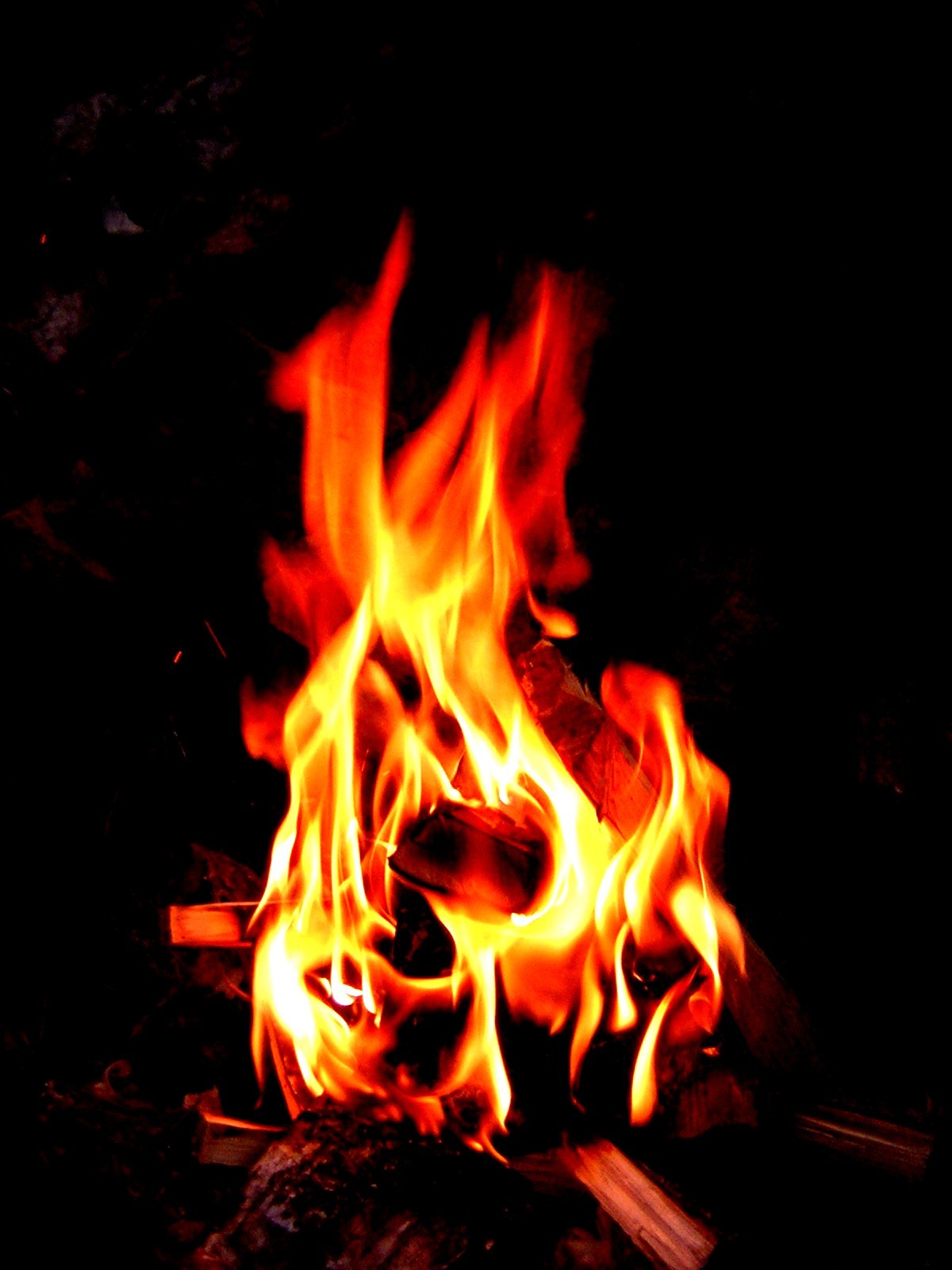
_____ reactions usually feel hot!
endothermic
exothermic
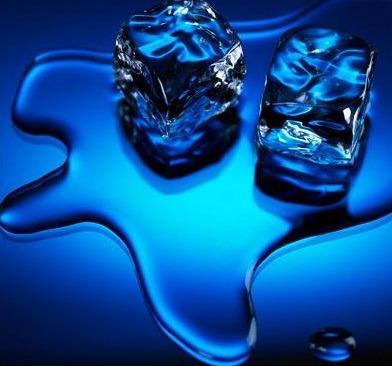
____ reactions usually feel cold.
endothermic
exothermic
During an exothermic reaction, heat is _________ and chemical bonds __________.
released, formed
absorbed, broken
released, broken
absorbed, formed
During an endothermic reaction, heat is ________ and chemical bonds _______.
released, formed
absorbed, broken
released, broken
absorbed, formed
Exo means out or ________.
absorbed
released
What instrument would you use to detect an endothermic or exothermic reaction?
triple beam balance
ruler
thermometer
the ONE variable that is changed or manipulated
control
independent
dependent
super variable
dependent variable
the one variable that is changed/manipulated
the group that is kept the SAME
what is being measured/observed, the DATA
Controlled Variable
the ONE thing that is changed
the DATA, what is being measured or observed
the "normal" group, regular situation

A scientist is testing the impact of light and dark on moth behavior by turning a light on and off. The INDEPENDENT variable is...
the moth's reaction
the amount of light
the temperature of the room

A scientist is testing the impact of light and dark on the moth behavior by turning a light on and off. The DEPENDENT variable is...
amount of light
moth behavior/their reaction
number of moths

In a study to determine how the TEMPERATURE OF THE ROOM impacts a PLANT'S GROWTH, the INDEPENDENT variable is...
amount of growth
type of plant
the temperature of the room
amount of light

A study was done to determine to figure out if HOW LONG YOU SLEEP affects your TEST SCORE. The INDEPENDENT variable is...
test scores
place you sleep
hours of sleep

This is an example of...
independent
dependent
control


A bicycle rider is traveling up a hill. When the rider reaches the top of the hill, she stops to rest. Then she travels down the hill. Which statement correctly describes the potential energy and the kinetic energy of the bicycle rider?
As the rider moves up the hill, her kinetic energy increases, and her potential energy decreases.
As the rider reaches the bottom of the hill, her kinetic energy and her potential energy decrease.
When the rider is at the top of the hill, her potential energy is the greatest, and her kinetic energy is the least.
When the rider goes down the hill, her potential energy increases, and her kinetic energy decreases.

Students are investigating changes from potential to kinetic energy by rolling a marble down a ramp made by propping up a plastic ruler on a book and letting it roll down.
Which of the following will change the potential energy the marble starts with?
Adding more books beneath the ruler to increase its height
Pushing the marble down the ramp
Switching the plastic ruler with a wooden one
Replacing the marble with a rock

The illustration shows a roller coaster and indicates four different positions the car might be at as it moves along the track.
At which point in the roller coaster's journey is its potential energy the greatest?
W
X
Y
Z

What type of energy transformation occurs, when a hawk eats a mouse and then uses the energy from the mouse to fly?
mechanical energy to chemical energy
thermal energy to mechanical energy
chemical energy to mechanical energy
mechanical energy to thermal energy
Which object shows an energy transformation from electrical to mechanical?


What type of energy transformation occurs in an electric fan?
electrical energy to mechanical energy
radiant energy to mechanical energy
chemical energy to radiant energy
electrical energy to nuclear energy

What type of energy transformation occurs in an electric hot that is turned on?
thermal energy to electrical energy
electrical energy to thermal energy
thermal energy to mechanical energy
mechanical energy to thermal energy

When a car burns gasoline it creates hot air to move the pistons in the engine, which causes the car to move. What energy transformation occur from the fuel to the movement of a car?
thermal energy to mechanical energy
thermal energy to chemical energy to mechanical energy
chemical energy to thermal energy to mechanical energy
chemical energy to electrical energy

Which of the following is a disadvantage of using solar energy?
releases carbon dioxide into the atmosphere
reduces the need for electricity from fossil fuels
produces energy only when the sun is shining
is an unclean source of energy
This resource is very cheap and is used for most commercial and residential electricity
Advantage: COAL
Disadvantage: COAL
Advantage: OIL
Disadvantage: OIL
Spills can cause environmental devastation
Advantage: COAL
Disadvantage: COAL
Advantage: OIL
Disadvantage: OIL
Fossil fuels are considered nonrenewable because they
do not produce pollution
are no longer used by humans
are created so quickly
take millions of years to form, so once they're gone, they're gone
What are the main fossil fuels?
Coal
Oil
Natural Gas
Nuclear Energy

Which property of light is being demonstrated in this image?
absorption
diffraction
reflection
bending

Which color of light has the longest wavelength?
violet
green
blue
red

If greenhouse gases increase and build up in our atmosphere, what happens?
They trap more heat and global temperatures rise.
They trap more heat and global temperatures decrease.
They trap less heat and global temperatures rise.
They trap less heat and global temperatures decrease.

What percentage of the Sun's energy is reflected back into space?
100%
About 50%
About 30%
It depends on the weather.

The energy coming in to from the sun minus the energy being radiated out is known as
the greenhouse effect
global warming
Earth's energy budget
the electromagnetic spectrum

Which wavelength is longest?
A
B
C
D
Heat is radiated back to space from earth as
visible light
ultraviolet radiation
gamma radiation
infrared radiation
The wavelengths of electromagnetic energy that can be seen by humans is known as
ultrared radiation
visible light
ultraviolet radiation
infrared radiation

The range of wavelengths of radiation(including infrared, visible light, and ultraviolet) is known as
Earth's energy budget
solar flares
the greenhouse effect
the electromagnetic spectrum
Which type of solar energy has the longest wavelength?
ultraviolet radiation
they all have the same wavelengths
visible light
infrared radiation



