
 Worksheets
Fall Final Exam NGSS Chemistry
Total questions: 142
Worksheet time: 3hrs 28mins
Sea-floor spreading begins here.
Continental shelf
Sea mounts
Trenches
Mid-ocean ridge
Why does subduction occur?
Old crust is more dense and gravity helps pull the crust back into the mantle.
Old crust is less dense and it sinks back into the mantle.
Old crust is warm and melts back into the mantle.
Old crust has no where else to go but through trenches.
Convection currents happen when
Rock/magma gets heated and sinks. It then cools down and rises.
Rock/magma doesn't move.
Rock/magma gets more dense and rises. It then cools down and sinks.
Rock/magma gets heated and rises. It then cools down and sinks.


New oceanic crust (sea floor) is created at this boundary.
Divergent Oceanic
Divergent Continental
Convergent Oceanic
Transform


What is energy?
moving energy
stored energy
renewable energy
The ability to do work.
What is potential energy?
moving energy
stored energy
renewable energy
non renewable energy
What is kinetic energy?
moving energy
potential energy
stored energy
renewable energy
Which of these energy sources come from inside the earth's crust?
oil
coal
solar
gas
What is given off from energy?
water
heat
smoke
ash
Which of these is an example of kinetic energy?
a bicycle
a battery
a solar panel
firewood
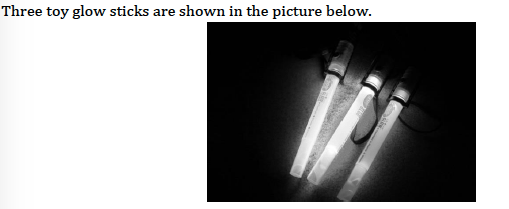
What type of heat transfer takes place in liquids and gasses?
Conduction
Convection
Radiation
Thermal Equilibrium

Why does warm fluid rise?
Particles lose energy, they move closer together, density increase
Particles become less dense
Particles gain energy, they move further apart, density decreases
Particles gain energy, and their density decreases
An electron is
positively charged
neutral
negatively charged
atomic number is
the number of protons
the number of electrons
the number of neutrons
the location of an atom on the periodic table
Atomic Mass is the number of
protons and neutrons in the nucleus of an atom
protons and electrons in the nucleus of an atom
neutrons and electrons in the nucleus of an atom
Which picture is NOT an example of Chemical PE?
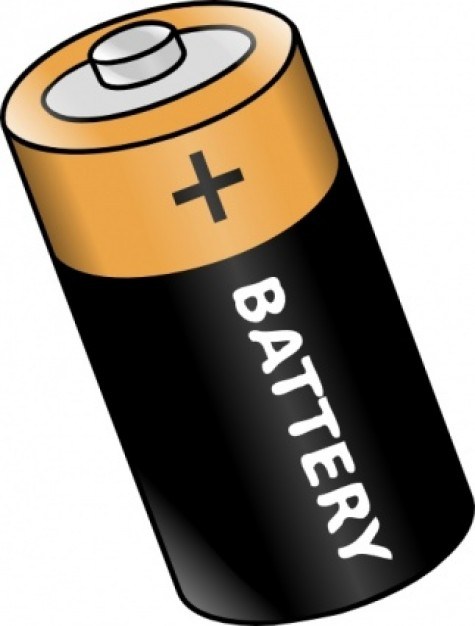

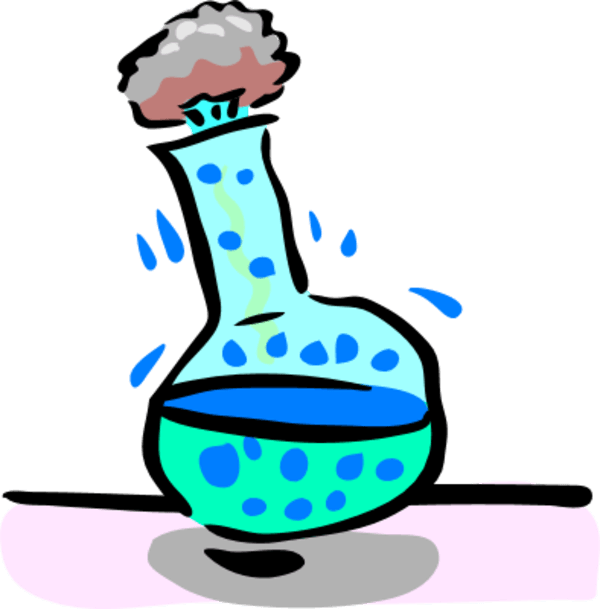
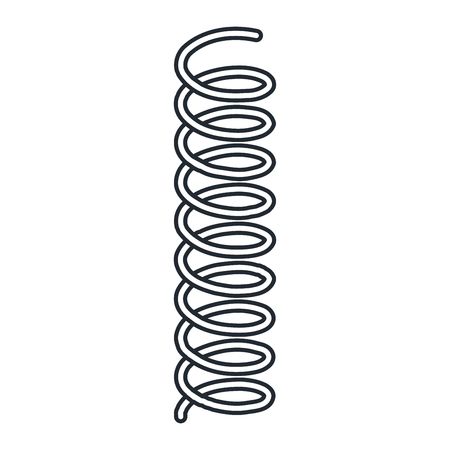

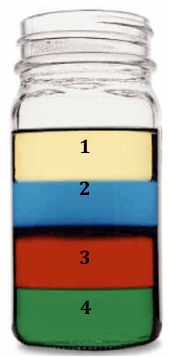
B. lead 11.3 g/ cm3
C. mercury 13.6 g/ cm3
D. Paraffin(wax) 0.87 g/ cm3
E. platinum 21.4 g/ cm3
Which will not sink in water?


If hot air rises and cold air sinks, a balloon rises because it is filled with warmer air than its surroundings.
true
false
As the temperature of air increases, its volume ____.
increases
decreases
does not change
As the temperature of the air decreases, its density increases.
true
false
As the temperature of air increases, the speed of the air molecules decreases.
true
false


[pressure is constant (k)]
Subatomic particles with a negative charge
Electrons
Neutrons
Protons
Quarks

What is the atomic number?
35
18
17
52

How many protons and electrons does this element have?
35
18
17
52

How many neutrons does Chlorine have?
18
17
35
52

What is the atomic mass of Neon?
10
20
30

How many neutrons does calcium have?
20
40
60
0

What is the atomic mass of Arsenic?
33
107
75
1s22s22p63s23p64s23d10
[Xe] 6s2 4f14 5d9
How many valence electrons are found in atoms of group 4?
4
3
14
16
How many valence electrons are found in atoms of group 5A?
4
5
2
3
All atoms are most stable with (or would "prefer") how many electrons in their valence shell?
1
2
8
18
What groups are the most reactive metals?
2
7A
1
17
What groups are the most reactive non metals?
1
7A
2
6A
Why are halogens so reactive?
They want to get rid of their only valance electron
They only need one more electron
They are non reactive, they have a full shell
How do electrons of an element determine that element's reactivity?
If the valence shell has missing electrons it is very reactive to attract or lose more electrons.
If the valence shell has a full ring of electrons it is very reactive because it needs more.
If the valence shell has a full shell of electrons it is very reactive because it is already full.
If the valence shell has missing electrons it is not reactive because it is missing electrons.
The atom with the largest atomic radius in Group 8A is -
Ar
He
Kr
Rn
N or C?
When magnesium burns in oxygen it produces MgO. Use the ionic formula to name the compound produced.
Magnesium oxygen
Oxygen magnesium
Magnesium oxide
Oxygen magnesiumide
Which of the following could NOT form an ionic compound? Check all that apply.
Li+ and Cl-
F- and O2-
Ba2+ and Ag+
Mg2+ and S2-

Name this ionic compound: Al2O3
Dialuminum oxide
Aluminum oxygen
Oxygen Aluminide
Aluminum oxide
If you were to draw the lewis dot structure for Germanium (Ge), how many dots would you put around it?
2
4
6
8

Write the chemical formula for Na and S (sodium sulfide).
NaS
S2S2
Na2S
NaS2

Metals (like Na) typically _____ electrons in the formation of ionic bonds.
Gain
Lose
Keep the same

Using the model, write the chemical formula for an ionic compound that has Mg and Cl.
MgCl2
Mg2Cl2
Mg+2Cl-1
Mg2Cl2

This image shows the bonding between Lithium and Fluorine. What does the red arrow show?
electrons being shared
electrons being transferred to Fluorine
electrons being transferred to Lithium
electrons being destroyed
Which of the following is the correct formula for these two ions: Al+3 & S-2
AlS3
Al2S3
Al3S2
Al3S

