Worksheets
Fall 2019 Final Review
Total questions: 128
Worksheet time: 3hrs 44mins


What happens in the stage labeled "process 2"?

From left to right, what is the sequence of the complementary strand of DNA in this molecule?

If a sequence of DNA reads AGTGGGTCT, for what sequence of amino acids does it code?

Plant
Fungi
Animal
Prokaryote
Which of the following list includes cellular structures found both in plant and animals?
Vacuoles, cell membrane, nucleus, mitochondria
Chloroplasts, cell wall, cell membrane, cytoplasm
Cell membrane, cytoplasm, nucleus, cell wall
Chloroplasts, vacuoles, cell wall, cytoplasm
1The nucleus is a round, double walled structure often found in the center of both plant and animal cells. Its function is to –
Contain genetic material (DNA)
Store fat
Generate cytoplasm
Purify water

Justin is a tall, blonde-haired, blue-eyed soccer player who likes to cook. Based on the information in the chart, which is an inherited trait from his mother?
blonde hair
blue eyes
his ability to play soccer
his hitch-hiker thumb
Plant cells have a strong, rigid outer layer known as the cell wall. The function of the cell wall is to –
Convert energy from the Sun into chemical energy
Regulate the transfer of material into the cell
Separate the genetic material from the rest of the cell
Help the cell maintain its shape and provide support

Which of the following diagrams represents sexual reproduction?
I and II
I and III
II and III
III and IV
If an offspring is produced through sexual reproduction, the offspring’s genetic material is always -
A copy of the genetic material of one parent.
identical to the genetic material of its siblings.
A blend of the genetic material of its parents.
completely unrelated to that of its parents.
A farmer wants to increase the amount of food produced by corn crops. If the farmer selectively breeds the plants, for which trait should the farmer select?
taller stems
deeper roots
more cobs on each plant
resistance to pesticides
The passing of traits from parent to offspring
levels of organization
asexual reproduction
binary fission
heredity
Which of the following examples best represent the levels of organization from least to most complex?
Lung Cell ---> lung tissue --->lung ---> respiratory system ---> human
human ---> lung tissue ---> respiratory system ---> lung---> Lung Cell
Lung Cell ---> lung---> respiratory system ---> lung tissue--->human
respiratory system --->lung --->Lung Cell ---> lung tissue ---> human
cells with a nucleus and membrane bound organelles
eukaryotic
prokaryotic
cells without a nucleus and no membrane bound organelles
prokaryotic
eukaryotic
what provides strength and support in plant cells, it is made of cellulose &
cell membrane
cell wall
cytoplasm
chloroplast
what allows nutrients in and lets waste products out; it keeps the cytoplasm inside; it interacts with the cell's environment
cell membrane
cell wall
cytoplasm
chloroplast
the gelatin like fluid in the cell that flows inside the cell membrane
cell membrane
cell wall
cytoplasm
chloroplast
the control center of the cell; it stores the DNA
golgi body
endoplasmic reticulum
cytoplasm
nucleus
the chemical that contains the code for the cell's structure and activities; it is found in the nucleus
DNA
chloroplast
nucleus
ER
photosynthesis occurs here; this organelle stores energy
golgi body
chloroplast
mitochondria
endoplasmic reticulum
traps sun's light energy and converts it to chemical energy -glucose or sugar
chloroplast
mitochondria
golgi body
the green pigment inside the chloroplast
cytoplasm
chlorophyll
cell membrane
powerhouse of the cell; respiration occurs here
chlorophyll
golgi body
endoplasmic reticulum
mitochondria
food molecules are burned here using oxygen to release energy in the cell
chlorophyll
golgi body
nucleus
mitochondria
makes proteins
ribosomes
mitochondria
endoplasmic reticulum
the passageway for proteins; they transport the proteins
ribosomes
endoplasmic reticulum
gogli complex
mitochondria
these package proteins to be shipped out of the cell
proteins
ribosomes
golgi bodies
endoplasmic reticulum
these store water, waste and food; they are very large in plant cells
lysosomes
ribosomes
cytoplasm
vacuoles
recycling organelles; they contain enzymes to break down wastes and old cell parts
cell wall
lysosomes
golgi bodies
cytoplasm
plants have these 2 parts that animal cell do not have
cell wall
cytoplasm
mitochondria
chloroplast
this surrounds or covers the nucleus
lysosomes
nuclear membrane
cell wall

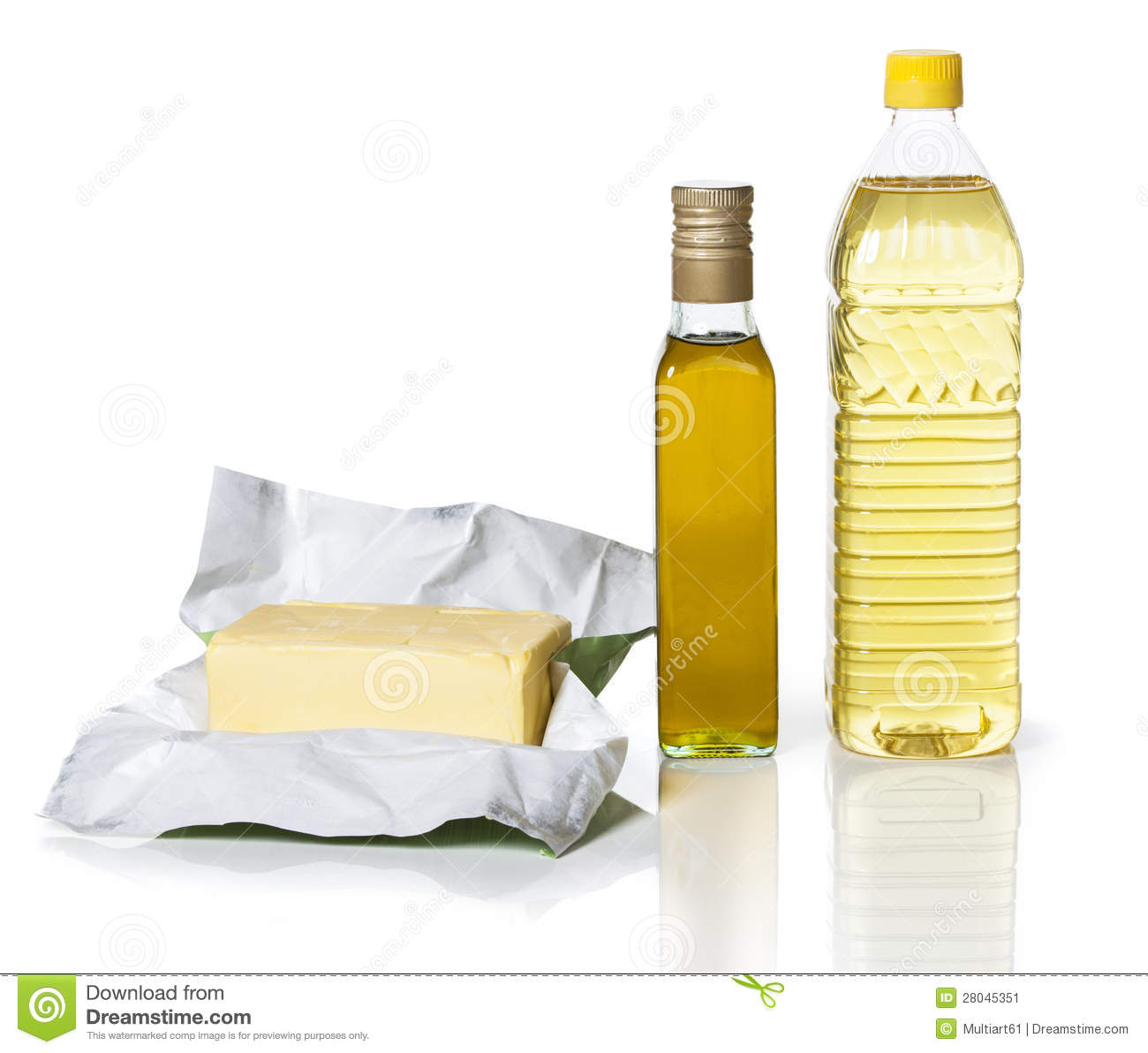
Which biomolecule helps form muscles?
Nucleic Acid
Carbohydrate
Protein
Lipids
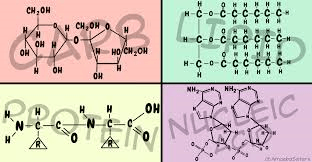


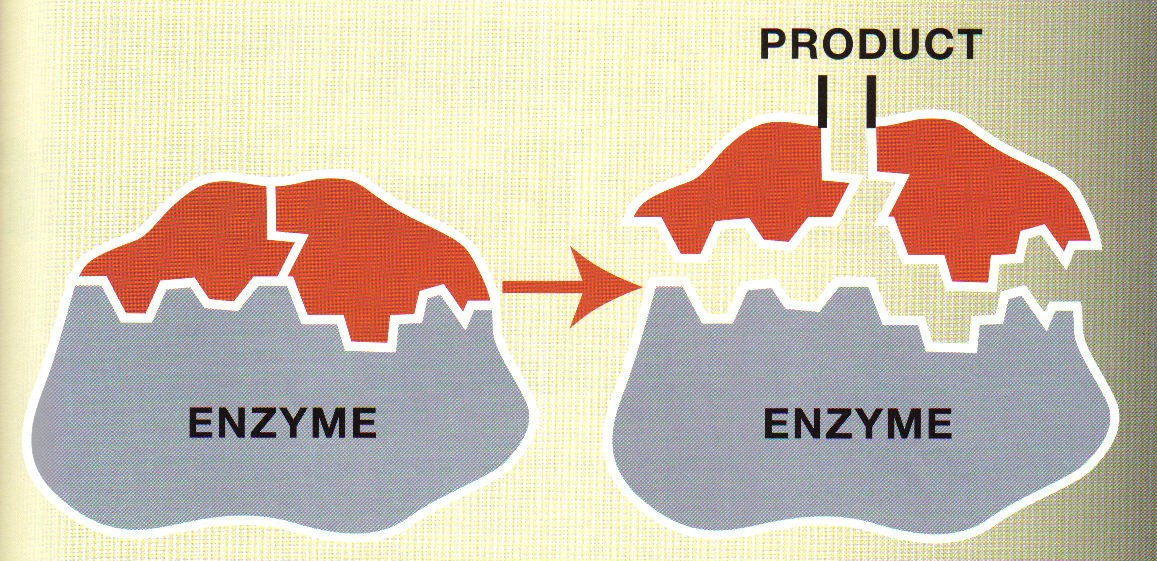
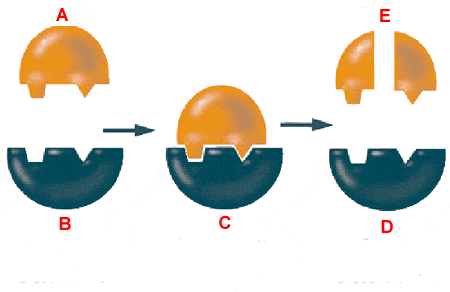
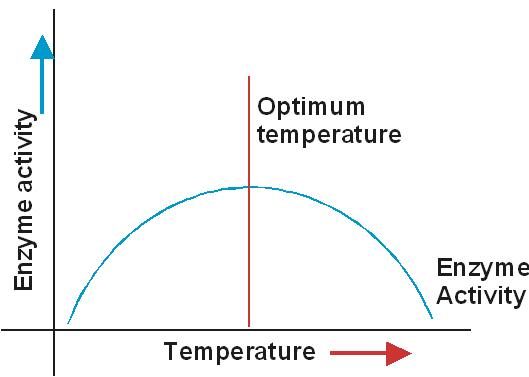
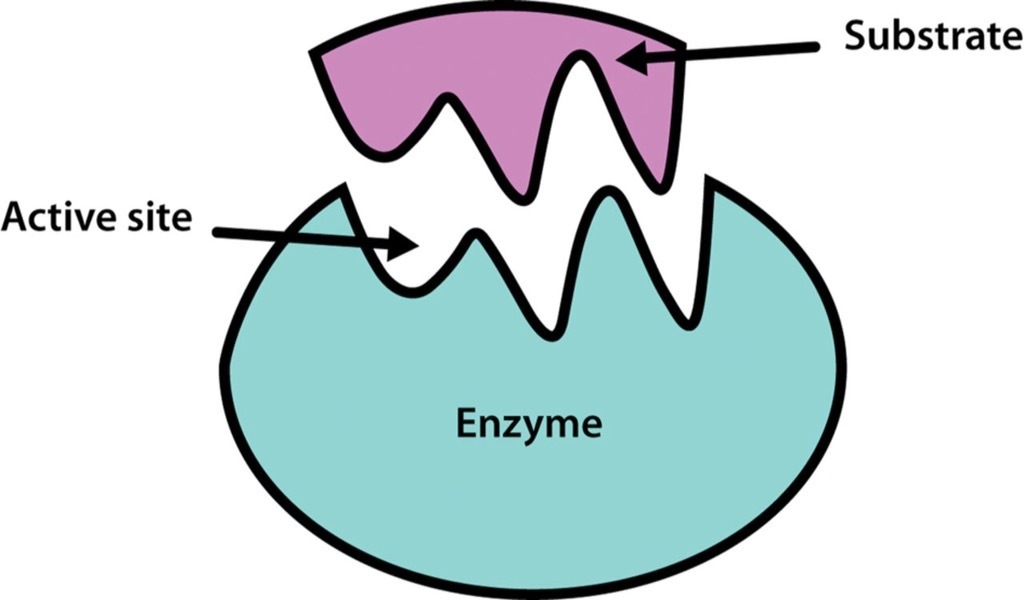
How do enzymes speed up chemical reaction?
Increasing activation energy
Decreasing activation energy
Increasing deactivation energy
Decreasing deactivation energy
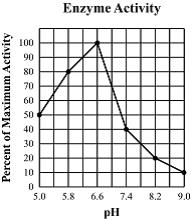
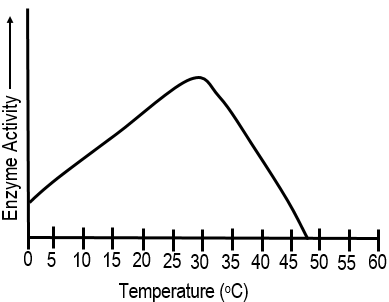
ATG TGA CAG?


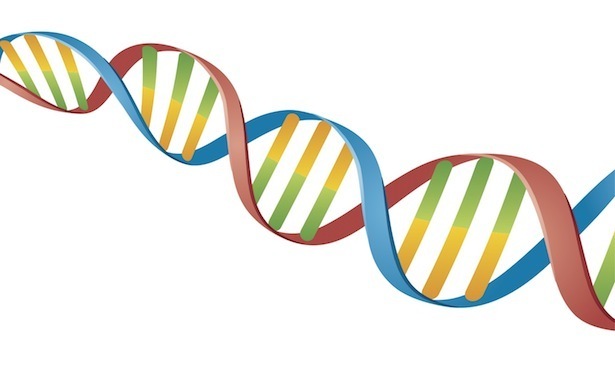
A process in which DNA has the unique ability to make an exact copy of itself.
Replication
Translation
Transcription
Protein Synthesis


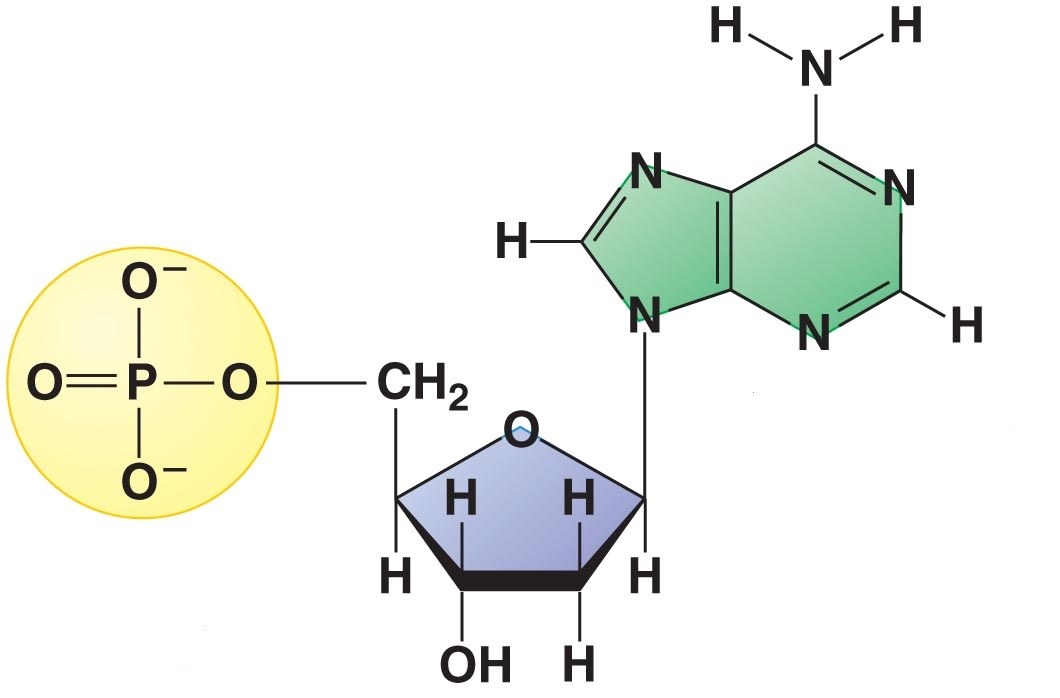


The mutated DNA segment is TTCGCAAG. This is an example of ___ mutation.

GAG-CTC-GAC-AGA
Mutant
GAG CTC-CAC-AGA
Mutation: ATC GCAT
What mutation occurred?
Which type of mutation is MOST LIKELY to cause the greatest disruption?
Frameshift
Silent
Point

AUG-CCA-GUA-GGG-UAA

75% purple, 25% white
The passing of genetic traits from parent to offspring is known as
heredity
trait
gene
allele
An organism's genetic makeup
phenotype
genotype
heterzygous
allele