wayground logo

Free Printable Worksheets

Font size

S
M
L
XL
Worksheets

APES Semester Review

Total questions: 85

Worksheet time: 1hrs 6mins

Name
Class
Date
1.

the ONE variable that is changed or manipulated

a)

control

b)

independent

c)

dependent

d)

super variable

2.

A scientist is testing the impact of light and dark on moth behavior by turning a light on and off. The INDEPENDENT variable is...

a)

the moth's reaction

b)

the amount of light

c)

the temperature of the room

3.

A scientist is testing the impact of light and dark on the moth behavior by turning a light on and off. The DEPENDENT variable is...

a)

amount of light

b)

moth behavior/their reaction

c)

number of moths

4.
A(n) ______ is a substance with a pH less than 7
a)
Acid
b)
Alkaline
c)
Base
d)
Buffer
5.
Your Ecological or Carbon Footprint is the ratio of 
a)
the amount of resources you use to the amount of resources available
b)
how many people there are on earth to how much space we have on earth
c)
people to cars
d)
robots available to robots needed
6.
As time progresses, Energy will naturally become more spread out.  It can only come together if you make it.
a)
Zeroth Law of Thermodynamics
b)
First Law of Thermodynamics
c)
Second Law of Thermodynamics
d)
Third Law of Thermodynamics
7.
The efficiency of energy transfer from a lower trophic level to the next highest level is roughly
a)
1%
b)
10%
c)
100%
d)
1000%
8.
An organism that gets energy from breaking down dead organisms, non-living material or waste is a(an) ___________.
a)
producer
b)
consumer
c)
decomposer
d)
autotroph
9.
Eat primary consumers (can be carnivores and omnivores)
a)
Tertiary Consumers
b)
Secondary Consumers
c)
Quaternary Consumers 
d)
Top Predators 
10.
__________ primary productivity is the total amount of energy that producers convert to chemical energy in organic molecules per unit of time.   
a)
Net
b)
Total
c)
Gross
d)
None of the above
11.
__________productivity = the organic materials that remain after photosynthetic organisms in the ecosystem have used some of these compounds for their cellular energy needs (cellular respiration).
a)
Gross
b)
Primary
c)
Net
d)
Secondary
12.
The process of plants losing water through their leaves is called ____.
a)
condensation
b)
evaporation
c)
transpiration
d)
exhaling
13.
What happens during the process of nitrogen-fixation?
a)
Nitrogen compounds turn into free nitrogen
b)
Free nitrogen turns into nitrogen compounds
14.
Which is NOT a way that nitrogen compounds are added to the soil?
a)
Decay of dead organisms
b)
Denitrification
c)
Animal waste
d)
Nitrogen-fixation
15.
What is the only process that removes carbon from the atmosphere?
a)
combustion
b)
cellular respiration
c)
photosynthesis
d)
decomposition
16.
Where is carbon stored in the environment?
a)
Fossil fuels
b)
Wood of trees
c)
Calcium carbonate (shells and bones)
d)
All of the above
17.
Carbon dioxide is added to the atmosphere by
a)
Burning fossil fuels 
b)
Cellular respiration
c)
Decomposing organic matter
d)
All answers are correct
18.

____________________ is the process by which water on the ground surface enters the soil. ________________ rate in soil science is a measure of the rate at which soil is able to absorb rainfall or irrigation.

a)

Infiltration

b)

Percolation

c)

Deposition

d)

Condensation

19.

Water that flows across the land and enters rivers and streams. It eventually flows into lakes and the ocean.

a)

Snowmelt runoff

b)

Surface Runoff

c)

Deposition

d)

Precipitation

20.
What are the reasons for the season?
a)
Earth's tilt & rotation
b)
Earth's tilt & revolution
c)
Earth's rotation & rovolution
d)
Earth's tilt & resolution
21.

What causes the distinct pattern of wind called prevailing winds?

a)

Coriolis Effect

b)

Tornadoes

c)

Hurricanes

d)

Storm surges

22.
____________ air rises because it is ____________dense.
a)
Cool, Less
b)
Warm, Less
c)
Cold, More
d)
Warm, More
23.
Where you will find the ozone layer.
a)
stratosphere
b)
thermosphere
c)
exosphere
d)
mesosphere
24.
Where weather occurs.
a)
stratosphere
b)
thermosphere
c)
troposphere
d)
mesosphere
25.
What two factors are primarily used to describe climate?
a)
temperature and density
b)
temperature and precipitation
c)
precipitation and density
d)
winds and humidity
26.
El Nino occurs when the tropical ocean waters are warmer in which ocean?
a)
Atlantic
b)
Indian
c)
Pacific
d)
Arctic
27.

During an El Nino, it rains

a)

in the central Pacific

b)

in the FAR western Pacific

c)

in the western Pacific

d)

In all of the Pacific

28.

Both El Nino and La Nina have this in common

a)

Influence birds that migrate over the ocean

b)

Influence rainy / dry weather world wide

c)

The weather at the polar regions

d)

The directions that ships travel in the oceans
29.
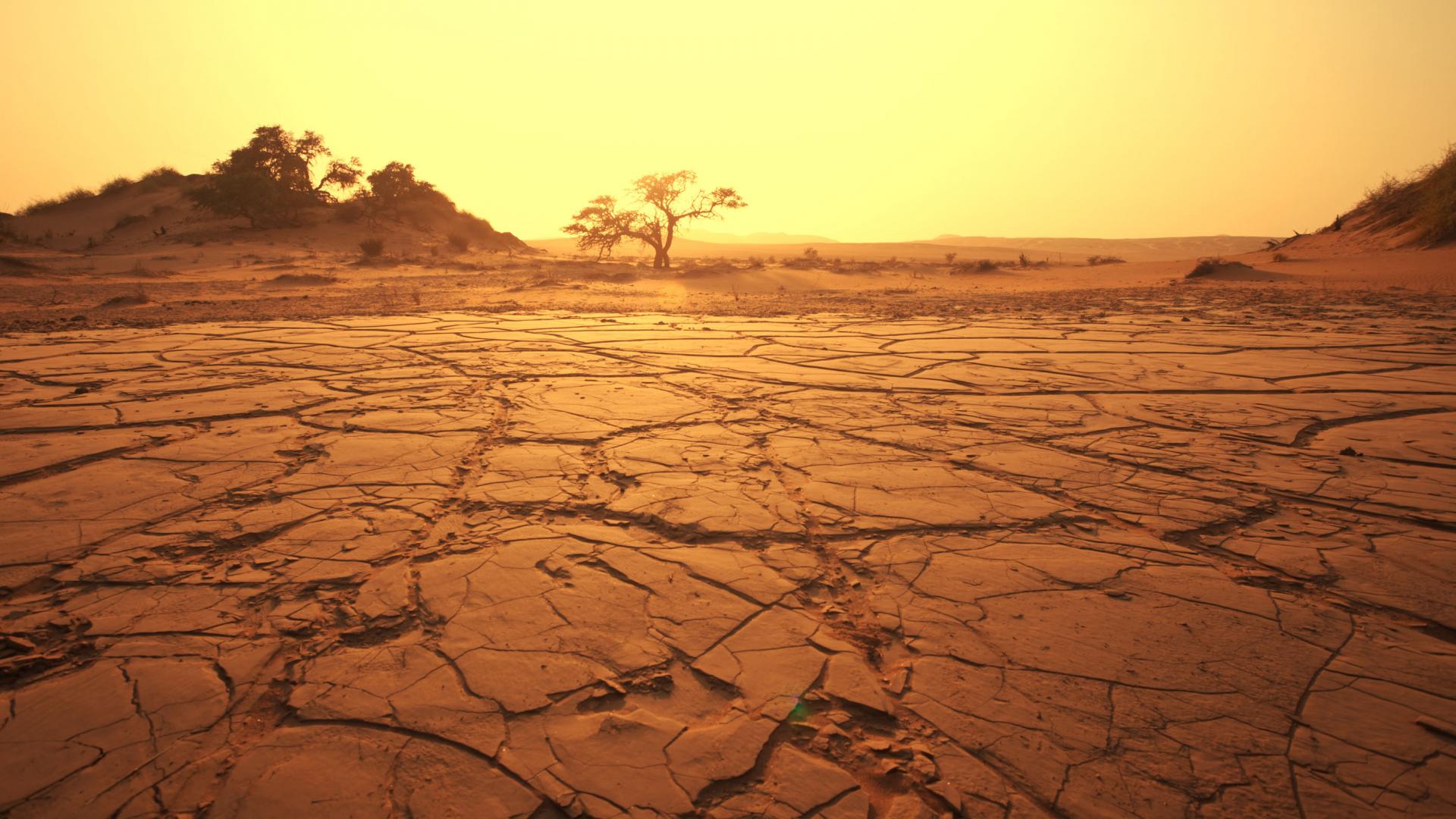
Which biome is the driest?
a)
Desert
b)
Tundra
c)
Taiga
d)
Rainforest
30.
Which biome has the most variety of plants and animals?
a)
Temperate Forest
b)
Rainforest
c)
Tundra
d)
Grasslands
31.
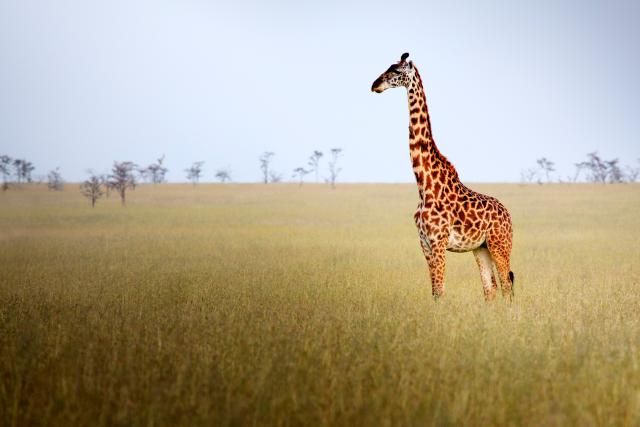
Which biome is home to lions, zebras, wildebeests, giraffes, and elephants?
a)
Grasslands
b)
Tundra
c)
Rainforest
d)
Temperate Forest
32.
Wetlands store flood waters. How is this beneficial? Choose the best answer.
a)
Its not really beneficial because this may flood peoples homes.
b)
It releases the water is increments which will really increase the wildlife in that area.
c)
It releases the water is increments which slows the water down thus slowing erosion.
d)
Its really not beneficial because this will flood the habitats of the wildlife living there.
33.

Which is the best description of the two communities shown?

a)

Community 1 has a higher evenness but lower richness than Community 2.

b)

Community 1 has a higher evenness and equal richness to Community 2.

c)

Community 2 has a higher evenness and higher richness than Community 1.

d)

Community 2 has a higher evenness but lower richness than Community 1.

34.

The table lists the number of individuals of each species found within four field communities. Which community is most diverse overall?

a)

Community 1

b)

Community 2

c)

Community 3

d)

Community 4

35.
The idea that no two species within an ecosystem can occupy the exact same niche
a)
niche overlap
b)
niche differentiation
c)
competitive exclusion
d)
niche decay
36.

Which of the following statements best describes a niche specialist?

a)

adapted to a large range of environments

b)

adapted to a small range of environments

c)

adapted to any environment

d)

poorly adapted to the environment

37.

What is the carrying capacity of the graph?

a)

1000

b)

8000

c)

800

d)

600

38.

When death rate is equal to birth rate...

a)

population increases

b)

population decreases

c)

population stays the same.

d)

population rapidly increases then becomes stable

39.

When birth rate is high and death rate is low...

a)

population increases

b)

population decreases

c)

population stays the same

d)

all of these

40.
Name the type of pyramid in the picture.
a)
slow growth
b)
fast growth
c)
zero growth
d)
decline
41.
Name the type of pyramid in the picture.
a)
slow growth
b)
fast growth
c)
zero growth
d)
decline
42.

Long life span

a)

K-selected

b)

r-selected

43.

size of offspring is small

a)

K-selected

b)

r-selected

44.

mice

a)

K-selected

b)

r-selected

45.

elephant

a)

K-selected

b)

r-selected

46.
Organisms that lay eggs, do no nurturing of their young and are adults for only short periods of time:
a)
Type 1
b)
Type 2
c)
Type 3
d)
Zebras
47.
Most organisms of this type reach adulthood and will go on to reproduce themselves.
a)
Type 1
b)
Type 2
c)
Type 3
d)
Insects
48.

The relationship in which both organisms benefit.

a)

Predation

b)

Mutualism

c)

Commensalism

d)

Parasitism

49.

The relationship in which one organism benefits and the other is harmed. (NOT KILLED!)

a)

Mutualism

b)

Parasitism

c)

Commensalism

d)

Predation

50.

This occurs when organisms in a community fight for the same limited resource.

a)

Commensalism

b)

Competition

c)

Mutualism

d)

Symbiosis

51.
A scientist puts 100 houseflies in a sealed container; then sprays an insecticide into the container.  Ninety-six of the flies die.  Four survive.  The scientist lets the survivors mate and produce offspring, then repeats the experiment with 100 offspring.  Fifty-six of them survive the spray.  This experimental result is evidence of – 
a)
adaptive radiation 
b)
speciation
c)
natural selection
d)
extinction
52.

Which of the following is true about island biodiversity?

a)

Small islands are more likely to have more immigrated species

b)

Small islands have higher biodiversity than large islands

c)

Small islands have more resources and as a result may have more species

d)

Small islands have fewer resources and as a result may have fewer species

53.
The lowest crude birth rates (CBRs) are found in countries in which stage of the DTM?
a)
Stage 1
b)
Stage 2
c)
Stage 3
d)
Stage 4
54.
This stage is characterized by: rapid population increase, declining CDR, and high CBR.
a)
Stage 1
b)
Stage 2
c)
Stage 3
d)
Stage 4
55.
Which of the following countries has a high infant mortality rate, whereby women compensate by having more children during their childbearing years?
a)
Japan
b)
Angola
c)
Sweden
d)
Canada
56.
Why do women in more developed countries (MDCs) have lower rates of fertility?
a)
they are engaged in business and political activities
b)
they have access to medical care and birth control
c)
they pursue education opportunities, thus delaying child birth
d)
all of the above
57.
New crust is created at this type of  boundary.
a)
Divergent
b)
Convergent, Subduction Zone
c)
Transform 
58.
Mountains are created at this type of  boundary.
a)
Divergent 
b)
Convergent
c)
Transform 
59.
Which of the following is NOT one of the three types of soil?
a)
clay
b)
sand
c)
silt
d)
mud
60.
Which type of soil can hold the greatest amount of water?
a)
sand
b)
silt
c)
clay
d)
loam
61.
Many plants cannot grow in sandy soil. Why is this true?
a)
Sandy soil does not hold enough water.
b)
Air cannot pass through sandy soil.
c)
Roots cannot easily push through sandy soil.
d)
Sandy soil has too many nutrients.
62.

If your soil sample from your farm or garden has 25% sand, 40% silt and 35%. What is the texture of your soil?

a)

clay

b)

clay loam

c)

loam

d)

sandy clay

63.
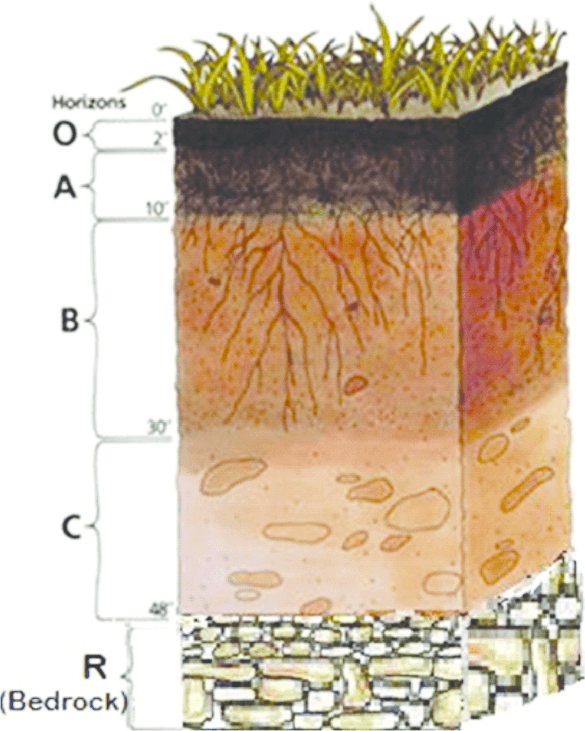
What is the name of Soil Horizon O?
a)
Bedrock
b)
Topsoil
c)
Organic Layer
d)
Subsoil
64.

True or false: Removing trees leads to an increase in soil and stream temperatures due to decreased shading by tree canopies and the loss of trees evapotranspiration which cool the air around the tree.

a)

True

b)

False

65.

The cutting and burning of trees

a)

has no affect on the environment.

b)

releases carbon dioxide and contributes to climate change.

c)

is beneficial to ecosystems and animal habitats.

d)

reduces flooding and erosion.

66.
What amount of the water on the earth is salt water?
a)
25%
b)
72%
c)
97%
d)
99%
67.
Acid mine drainage is the result of 
a)
ash and air debris creating acid rain
b)
boulders and debris blocking the flow of rivers/streams
c)
toxins in tailings leaching into the soil
d)
minerals from mining being left behind creating pollution
68.

Which of the following is NOT environmental impacts of mining?

a)

Destroys natural communities over large areas.

b)

Acid drainage pollutes groundwater.

c)

Creates minimal dust.

d)

Causes erosion

69.

Which biome is best reresented by this climatograph?

a)

Tundra

b)

Desert

c)

Tropical rainforest

70.

What does monoculture mean?

a)

A game to acquire as much money and property as possible

b)

The growing of multiple crops in one particular area

c)

The growing of multiple types of animals in one particular area

d)

The growing of a single crop in one particular area

71.
What are genetically modified (GM) organisms and GM foods?
a)
Foods with higher quantities
b)
Organisms with more fur
c)
Foods or organiisms with DNA modified in a way that doesn't occur naturally
d)
Food and organisms that have been injected with hormones
72.

A negative of GMOs is that

a)

They are creating herbicide tolerant crops.

b)

There is insufficient research to know the long term impacts they may have.

c)

There is higher crop production.

d)

They require fewer materials to grow crops.

73.
Repeated application of irrigated water in dry climates leads to...
a)
a drop in productivity of the land by more than 10%, leading to desertification
b)
a build up of nutrients, leading to increased levels of erosion
c)
a build up of salts in the soil, leading to salinization
d)
decreased phosphorus and nitrogen, leading to eutrophication
74.
The use of synthetic fertilizers can increase crop yield, but also
a)
destroy nitrifying bacteria in the soil
b)
increase nutrient runoff into nearby surface waters
c)
slow the release of organic nutrients from compost
d)
increase fish populations in nearby streams
75.

No Till/Minimum Till Farming..... (Hint: There are 2 answers here!)

a)

Uses more water resources

b)

Improves the soil quality

c)

Improves root systems of plants

d)

Uses a lot of fertiliser, seeds and ploughing

76.

What converts nitrogen gas into a usable form for plants and animals?

a)

bacteria

b)

rain

c)

fungi

d)

car exhaust

77.
Which does NOT lead to soil degradation?
a)
Deforestation 
b)
Over Grazing 
c)
Sustainable Agriculture 
d)
Development 
78.

Which IPM control relies on predation and parasitism?

a)

Biological Control

b)

Mechanical Control

c)

Cultural Control

d)

Genetic Control

79.
Integrated pest management: 
a)
Includes prevention, observation, and intervention to minimize insect damage
b)
Is more eco-friendly than pesticide use alone
c)
Tries to reduce or eliminate pesticide use
d)
All choices are correct
80.

What does CAFO stand for?

a)

Concentrated Animal Feeding Operation

b)

Community Animal Feeding Operation

c)

Community Agricultural Food Operation

d)

Concentrated Agricultural Federal Opportunities

81.

Producing meat always requires more land than a vegetarian diet because

a)

of the 10% rule

b)

cows are larger than grasses

c)

CAFOs take up land

d)

there are more calories in a steak than a salad

82.

Which trophic level would be able to feed the most people?

a)

producers

b)

primary consumers

c)

secondary consumers

d)

tertiary consumers

83.

Cattle release what type of greenhouse gas as a result of fermentation in their digestive tract?

a)

Oxygen

b)

Carbon Dioxide

c)

Phosphorus

d)

Methane

84.

Which of the following would be an environmental impact of high density animal farming?

a)

bad smells

b)

livestock can escape

c)

water pollution due to runoff

d)

improvement of feeding efficiency

85.

Which is true about aquaculturing?

a)

The amount of aquacultured fish has decreased significantly in favor of wild-caught fish.

b)

Aquaculturing requires the same inputs as other forms of animal agriculture, including feed and antibiotics.

c)

Aquaculture operations do not affect the surrounding ecosystem in any adverse way.

d)

All of the above are true.