wayground logo

Free Printable Worksheets

NEW

Font size

S
M
L
XL
Worksheets

JH Cells - The Complete Set of Questions

Total questions: 76

Worksheet time: 41mins

Name
Class
Date
1.
What is the structure labeled #1?
a)
Chloroplast
b)
Nucleus
c)
Cell Membrane
d)
Mitochondria
2.
What is the structure labeled #5?
a)
Vacuole
b)
Chloroplast
c)
Mitochondria
d)
Lysosome
3.
What is the structure labeled #4?
a)
Vacuole
b)
Cell wall
c)
Cytoplasm
d)
Cell membrane
4.
What is the function of the Golgi body?
a)
to control the activities within the cell
b)
to package and ship cellular materials
c)
to store water and nutrients 
d)
to control the materials that pass into and out of the cell
5.
What is the function of the cell membrane?
a)
to control the activities within the cell
b)
to package and ship cellular materials
c)
to store water and nutrients 
d)
to control the materials that pass into and out of the cell
6.
What is the function of the mitochondria?
a)
site of digestive enzymes
b)
site of ATP (energy) production
c)
site of photosynthesis
d)
site of protein production
7.
What is the function of the vacuole?
a)
to control the activities within the cell
b)
to package and ship cellular materials
c)
to store water and nutrients 
d)
to control the materials that pass into and out of the cell
8.
What is the function of the nucleus?
a)
to control the activities within the cell
b)
to package and ship cellular materials
c)
to store water and nutrients 
d)
to control the materials that pass into and out of the cell
9.
This organelle acts like a gatekeeper, allowing some materials to pass through it, but not others. 
a)
Cytoplasm
b)
Cell Membrane
c)
Mitochondria
d)
Vacuole
10.
What structure is in plant cells but not animal cells?
a)
Cell Membrane
b)
Mitochondria
c)
Cell Wall
d)
Vacuole
11.
This organelle is a gel-like fluid that takes up most of the space inside the cell. 
a)
Cytoplasm
b)
Cell Membrane
c)
Vacuole
d)
Golgi Body
12.
Where is the genetic material found in the cell? 
a)
Nucleolus
b)
Cytoplasm
c)
Nucleus
d)
Chloroplast
13.
In many cells, this is the structure that controls the cell's activities.
a)
Cell membrane
b)
Organelle
c)
Nucleolus
d)
Nucleus
14.
In eukaryotic cells, chromosomes carrying genetic information are found in the
a)
Ribosomes
b)
Lysosomes
c)
Nucleus
d)
Cell Membrane
15.
This organelle moves materials throughout the cell. 
a)
Endoplasmic Reticulum
b)
Ribosomes
c)
FedEx
d)
Golgi Complex
16.

Encloses the cell, it acts like a gatekeeper, allowing some materials to pass through it but not others.

a)

Chloroplasts

b)

Cell Wall

c)

Cell Membrane

d)

Cytoplasm

17.

A gel like fluid that takes up most of the space inside the cell. The organelles are found scattered throughout it.

a)

Chloroplasts

b)

Cell Wall

c)

Cell Membrane

d)

Cytoplasm

18.

A cell structure that serves as an internal delivery system for the cell.

a)

Golgi Body

b)

Endoplasmic reticulum

c)

Large central vacuole

d)

Lysosomes

19.

Organelles that package cellular materials and transports them within the cell or out of the cell.

a)

Golgi Body

b)

Endoplasmic reticulum

c)

Large central vacuole

d)

Lysosomes

20.

A cell organelle that is responsible for waste removal in the cell.

a)

Golgi Body

b)

Endoplasmic reticulum

c)

Large central vacuole

d)

Lysosomes

21.

Powerhouse of the cell, organelle that is the site of ATP ( energy production ) and cellular respiration in plants and animals.

a)

Nucleus

b)

Ribosomes

c)

Mitochondria

d)

Vacuoles

22.

Small structures in the cytoplasm that do special jobs.

a)

Nucleus

b)

Ribosomes

c)

Organelles

d)

Vacuoles

23.

Saclike structures that store materials such as water, salts, proteins, and carbohydrates.

a)

Nucleus

b)

Ribosomes

c)

Organelles

d)

Vacuoles

24.
This organelle controls what goes in and out of plant and animal cells.
a)
Cell Wall
b)
Cell Membrane
c)
Cytoplasm
d)
Cytoplasm
25.
________________ create proteins for plant and animal cells.
a)
Ribosomes
b)
Endoplasmic Reticulum
c)
Golgi Bodies
d)
Lysosomes
26.
The organelles that clean plant and animal cells by using chemicals to break down food and worn out cell parts are ______________.
a)
Lysosomes
b)
Mitochondria
c)
Nucleolus
d)
Cell Wall
27.
The _____________ holds the DNA, and controls the functions of plant and animal cells.
a)
Nucleus
b)
Nuclear Membrane
c)
Nucleolus
d)
New Moon
28.
This can be found in the nucleus, and are tiny strands that contain the instructions for directing the cell's functions.
a)
DNA/Chromatin
b)
Chloroplasts
c)
Golgi Bodies
d)
ER
29.
The _____________ is like JELL-O, and is a gel-like fluid that fills plant and animal cells, and is where the organelles are found.
a)
Cytoplasm
b)
Cell Membrane
c)
Cell Wall
d)
JELL-O
30.
Allows materials to come in and out of the cell
a)
Cell Wall
b)
Cell Membrane
c)
Vacuole 
d)
Mitochondria
31.
What is the structure labeled #9?
a)
Cell Wall
b)
Cytoplasm
c)
Chloroplast
d)
Mitochondria
32.
What is the structure labeled #8?
a)
Vacuole
b)
Golgi body
c)
Nucleus
d)
Lysosome
33.
What is the structure labeled #4?
a)
Vacuole
b)
Cell wall
c)
Cytoplasm
d)
Cell membrane
34.
What is the structure labeled #10?
a)
Cell membrane
b)
Cell wall
c)
Cytoplasm
d)
Centriole
35.
What is the function of the chloroplast?
a)
site of digestive enzymes
b)
site of ATP (energy) production
c)
site of photosynthesis
d)
site of protein production
36.
What structure does this organism use for locomotion>
a)
1, nucleus
b)
2, chloroplast
c)
3, vacuole
d)
4, flagella
37.
surrounds the cell; controls what enters/leaves cell; maintains homeostasis
a)
vacuole
b)
cell wall
c)
cell membrane
d)
lysosome
38.
suspends organelles in the cell
a)
cytoplasm
b)
cell membrane
c)
cell wall
d)
ribosomes
39.
control the cell's activities; contains the cell's DNA
a)
mitochondria
b)
cell membrane
c)
nucleus
d)
golgi body
40.
makes proteins
a)
nucleus
b)
ribosomes
c)
lysosomes
d)
vacuole
41.
changes and packages cell products
a)
nucleus
b)
cell wall
c)
vacuole
d)
golgi body
42.
contains enzymes (proteins that speed up digestion and chemical reactions0
a)
lysosome
b)
ribosome
c)
nucleus
d)
golgi body
43.
holds materials like water and is very large in a plant cell
a)
nucleus
b)
golgi body
c)
chloroplast
d)
vacuole
44.
ONLY found in plant cells
a)
nucleus
b)
cell wall
c)
cell membrane
d)
lysosome
45.
ONLY found in a plant cell
a)
lysosome
b)
cell membrane
c)
chloroplast
d)
nucleus
46.
cells that contain a true nucleus
a)
prokaryotes
b)
eukaryotes
c)
carbohydrate
d)
plant cells
47.
What distinguishes a eukaryotic cell from a prokaryotic cell is the presence of 
a)
A cell wall
b)
A nucleus
c)
DNA
d)
Ribosomes
48.

A rigid structure that surrounds the cell membrane for support and protection of the cell.

a)

Chloroplasts

b)

Cell Wall

c)

Cell Membrane

d)

Cytoplasm

49.

Organelles where photosynthesis occurs, are green due to chlorophyll pigment found in them.

a)

Chloroplasts

b)

Cell Wall

c)

Cell Membrane

d)

Cytoplasm

50.

This organelle is a rigid outer layer that protects plant cells.

a)

Cell Membrane

b)

Cell Wall

c)

Nucleus

d)

Chloroplast

51.

The _____________ stores food, water, wastes, and other materials in both plant and animal cells.

a)

Vacuole

b)

Mitochondria

c)

Ribosomes

d)

Chromatin

52.

What is this structure?

a)

Mitochondria

b)

Nucleus

c)

Chloroplast

d)

Vacuole

53.

This fluid in the cell is where the organelles are found. It contains water and chemicals the cell needs.

a)

Blood

b)

Cytoplasm

c)

Plasma

d)

Vacuole

54.

These organelles convert the energy in food molecules to a form the cell can use.

a)

Chloroplasts

b)

Mitochondria

c)

Lysosomes

d)

Ribosomes

55.

These organelles in plants capture light energy and store it in glucose molecules to be used as food.

a)

Chloroplasts

b)

Mitochondria

c)

Endoplasmic Reticulum

d)

Vacuoles

56.

A rigid structure that protects and provides support to the cell

a)

cell membrane

b)

cell wall

c)

cytoplasm

d)

chloroplast

57.

An organelle that takes in sunlight energy, carbon dioxide, and water to make food

a)

cell membrane

b)

cell wall

c)

mitochondria

d)

chloroplast

58.

What does the chloroplast help make for the plant?

a)

energy

b)

food

c)

carbon dioxide

d)

water

59.

An organelle that directs all cell activities and stores DNA

a)

ribosomes

b)

mitochondria

c)

nucleus

d)

cell membrane

60.

Organelle that converts the energy in nutrients (food) into usable energy for the organism

a)

mitochondria

b)

chloroplast

c)

nucleus

d)

ribosomes

61.

These structures are found in plant cells only

a)

cell wall, cell membrane

b)

mitochondria, chloroplast

c)

cell wall, cytoplasm

d)

chloroplast, cell wall

62.

Another term for maintaining an internal balance is...

a)

Equality

b)

Equential

c)

Homeostasis

d)

Balance

63.
This forms a boundary between the inside of the cell and the outside of the cell. 
a)
Cell Membrane
b)
Lipid Cleric Layer
c)
Membrane Gate
d)
Protein Receptors 
64.
The majority of the cell membrane is made of which macromolecule?
a)
Lipids
b)
Carbs
c)
Proteins
d)
Nucleic acids
65.
How many layers thick is the lipid bilayer?
a)
1
b)
2
c)
3
d)
4
66.
True or False:  Regulating what enters and leaves the cell helps the cell maintain homeostasis. 
a)
True
b)
False
67.
Cell membrane allows some things to pass freely and others to not
a)
Phospholipid Bilayer
b)
Selectively Permeable Membrane
c)
Fluid Mosaic Model
68.
This image is best described as the
a)
Phospholipid Bilayer
b)
Fluid Mosaic Model
c)
Selectively Permeable Membrane
69.
In which direction will these molecules diffuse?
a)
from right to left
b)
from left to right
c)
they will not move at all
d)
they will move in both directions equally
70.
When particles move from areas of high concentration to areas less concentrated, this has taken place.
a)
diffusion
b)
mitosis
c)
endocytosis
d)
photosynthesis
71.
What does “high concentration area” mean?
a)
Spread out
b)
Tightly packed together
c)
Uncrowded
d)
Spacious
72.
Diffusion is the movement of molecules from an area of _____ concentration to an ______ concentration
a)
High, low
b)
Low, high
c)
Low, low,
d)
High, high
73.
Diffusion stops when the concentration is evenly spread out - true or false?
a)
100% definitely true.
b)
Could be false though.
74.

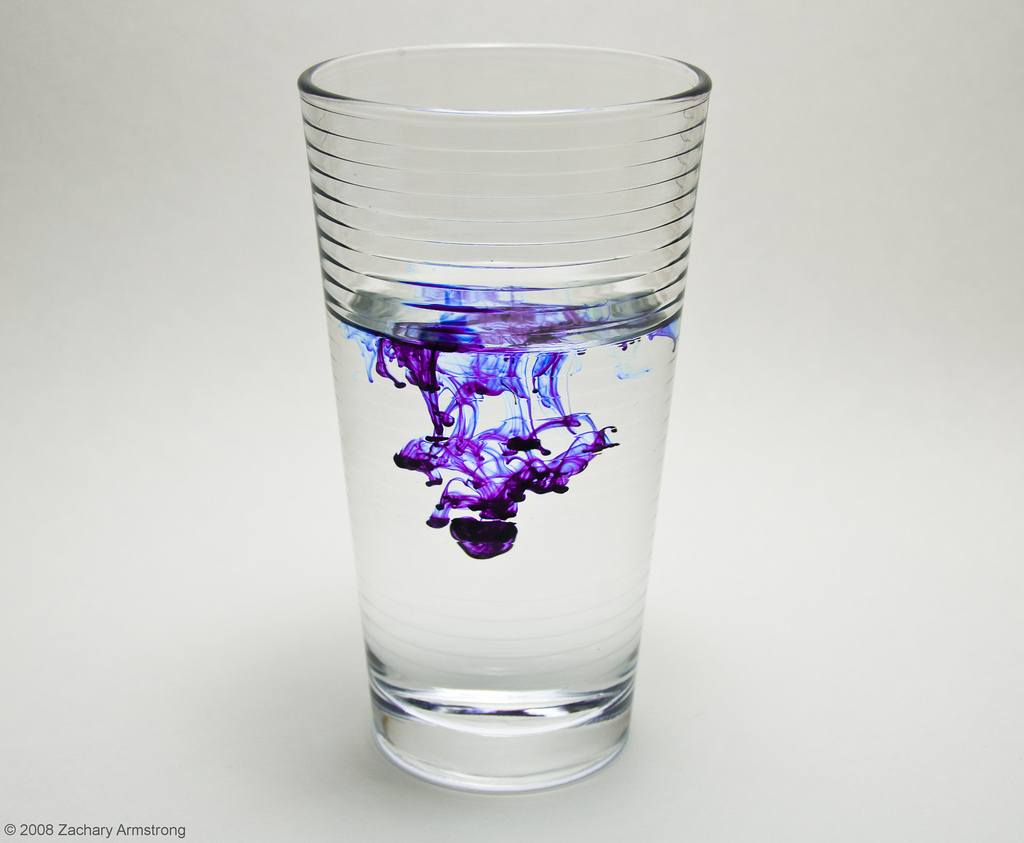
Where is there a low concentration of dye?

a)

at the bottom of cup

b)

in the color

c)

at the top of cup

d)

no concenteraion gradient

75.
 An animal cell placed in a hypertonic (salty) solution will
a)
Stay the same
b)
Shrink- get smaller
c)
Swell- get bigger
76.

What happened to the CELL WALL and the CELL MEMBRANE in these plant cells?

a)

Both the CELL WALL and CELL MEMBRANE shrunk

b)

Only the CELL WALL shrunk, the CELL MEMBRANE stayed the same

c)

The CELL WALL stayed the same, only the CELL MEMBRANE shrunk

d)

Both the CELL WALL and CELL MEMBRANE stayed the same