wayground logo

Free Printable Worksheets

Font size

S
M
L
XL
Worksheets

Science 2

Total questions: 108

Worksheet time: 1hrs 25mins

Name
Class
Date
1.
Which of these uses dead matter for energy?
a)
Fungi
b)
Rabbit
c)
Grass
d)
None
2.
Which of these uses energy gained from plants?
a)
Fungi
b)
Rabbit
c)
Grass
d)
None
3.
Which of these gains energy directly from water?
a)
Fungi
b)
Rabbit
c)
Grass
d)
None
4.
Plants are an important part of an ecosystem.
Which role do plants play in the flow of energy in an ecosystem?
a)
Consumer
b)
Decomposer
c)
Herbivore
d)
Producer
5.
What process makes sunlight energy available to all organisms in an ecosystem?
a)
Reproduction
b)
Digestion
c)
Photosynthesis
d)
Decomposition
6.
If there is a decrease in the population of rabbits, which organisms will increase?
a)
Mountain Lions and Snakes
b)
Deer and Hawks
c)
Grasshoppers and Mountain Lions
d)
Grass and Shrubs
7.

The Earth's rotation causes ___________.

a)

Day and Night

b)

Seasons

c)

The Earth to be tilted

d)

Wind

8.

How long does it take for the Earth to make one complete rotation?

a)

365 days/1 year

b)

1 week

c)

24 hours/1 day

d)

30 days/1 month

9.
When it is day on one side of the Earth, what is it on the other side of the Earth?
a)
Summer
b)
Winter
c)
Night
d)
Day
10.
You are getting ready for school.  On the other side of the world, students are getting ready for _______.
a)
school
b)
bed
c)
breakfast
d)
lunch
11.

Which light source causes shadows in the outdoor environment during daytime?

a)

The Sun

b)

The lightbulb

c)

The Moon

d)

The stars

12.

When the sun gets higher in the sky, shadows get ______.

a)

longer

b)

gone

c)

shorter

d)

darker

13.

When the sun gets lower in the sky, shadows get______.

a)

longer

b)

gone

c)

shorter

d)

darker

14.

Shadows are longest during _______.

a)

morning and late afternoon

b)

noon

c)

night

d)

evening

15.

Shadows are shortest around______.

a)

morning and late afternoon

b)

noon

c)

night

d)

evening

16.

Coal is a __________ energy resource.

a)

Renewable

b)

Nonrenewable

17.

4. Hyrdo Power is a __________ energy resource.

a)

Renewable

b)

Nonrenewable

18.

6. Fossil fuels include coal, oil and natural gas. Fossil fuels are classified as nonrenewable because they —

a)

Take many, many years to be replaced

b)

Require expensive equipment

c)

Can be found all over Earth's surface

d)

Provide much of the energy we use

19.

10. The velocity of an object is:

a)

Acceleration

b)

Speed only

c)

Speed in a certain direction

d)

Force

20.

13. If a drop is steeper, the roller coaster will go…

a)

Faster

b)

Crash

c)

Slower

d)

Stop

21.
Choose which of the following  is NOT an example of a natural resource.
a)
coal
b)
sunlight
c)
timber (trees)
d)
plastic
22.
Environmentalism is the study of how the natural world works, how our environment affects us, and how we affect the environment.
a)
true
b)
false
23.
Sunlight, wind and water are __ resources 
a)
renewable
b)
nonrenewable
c)
semirenewable
d)
unrenewable
24.
Coal, gasoline and oil are ___ resources
a)
renewable
b)
nonrenewable
c)
semirenewable
d)
unrenewable
25.
Which planet in our solar system has an axis that is titled by 98 degrees?
a)
Saturn
b)
Uranus
c)
Jupiter
d)
Saturn
26.
Titan, Enceladus, Mimas & Iapetus are just some of the moons orbiting which planet?
a)
Saturn
b)
Jupiter
c)
Neptune
d)
Venus
27.

Every force has __________________ .

a)

direction

b)

strength

c)

push

d)

direction AND strength

28.

When forces are balanced, the net force is __________ .

a)

zero

b)

one

29.

Opposite poles of magnets ________ each other.

a)

repel

b)

attract

c)

push

30.

A stronger force will cause am object to move ________ .

a)

faster

b)

slower

31.

When objects are in contact, they exert ________ on each other.

a)

gravity

b)

forces

c)

balance

32.
How much of the ocean is pure water?
a)
79%
b)
100%
c)
96%
d)
4%
33.
What percent of the Earth’s surface is covered by Oceans?
a)
75%
b)
86%
c)
70%
d)
100%
34.
The abbeviation for tablespoon is
a)
T.
b)
t.
c)
tsp.
d)
None of the Above
35.
What part of MY PLATE does this food belong to?
a)
Grains
b)
Protein
c)
Vegetable
d)
Dairy
36.
Which part of MY PLATE does this food belong to?
a)
Dairy
b)
Grains
c)
Fruit
d)
 Protein
37.
Pour baking soda on a grease ____.
a)
Cuts
b)
Fire
c)
Fall
d)
Choking
38.
1 cup = _____ oz.
a)
8
b)
12
c)
16
d)
30
39.
When using a knife, what is the other piece of equipment you also need?
a)
Cutting Board
b)
Claw Hold
c)
Countertop
d)
Table
40.
Water and milk are measured in this tool
a)
liquid measuring cup
b)
dry measuring cup
c)
measuring spoon
41.
What is this tool called?
a)
rubber scraper 
b)
spatula
c)
spring form pan
42.
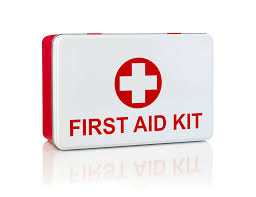
What is this science tool?
a)
Computer
b)
Calculator
c)
Camera
d)
First Aid Kit
43.
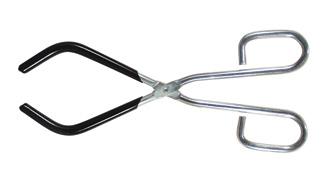
What is this science tool?
a)
Fire Extinguisher
b)
Tongs
c)
Tweezers
d)
Measuring Spoon
44.
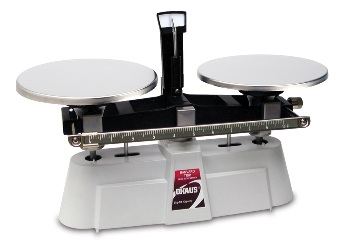
What is this science tool?
a)
Compass
b)
First Aid Kit
c)
Exit Sign
d)
Balance
45.
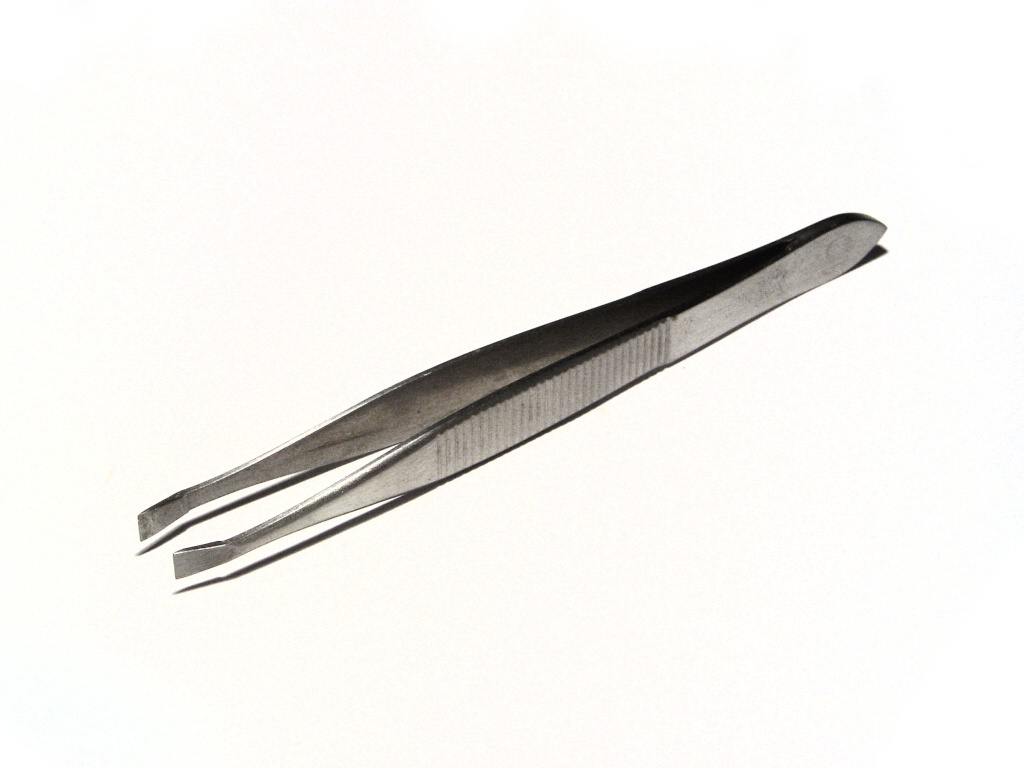
What is this science tool?
a)
Forceps
b)
Funnel
c)
Scale
d)
Tweezers
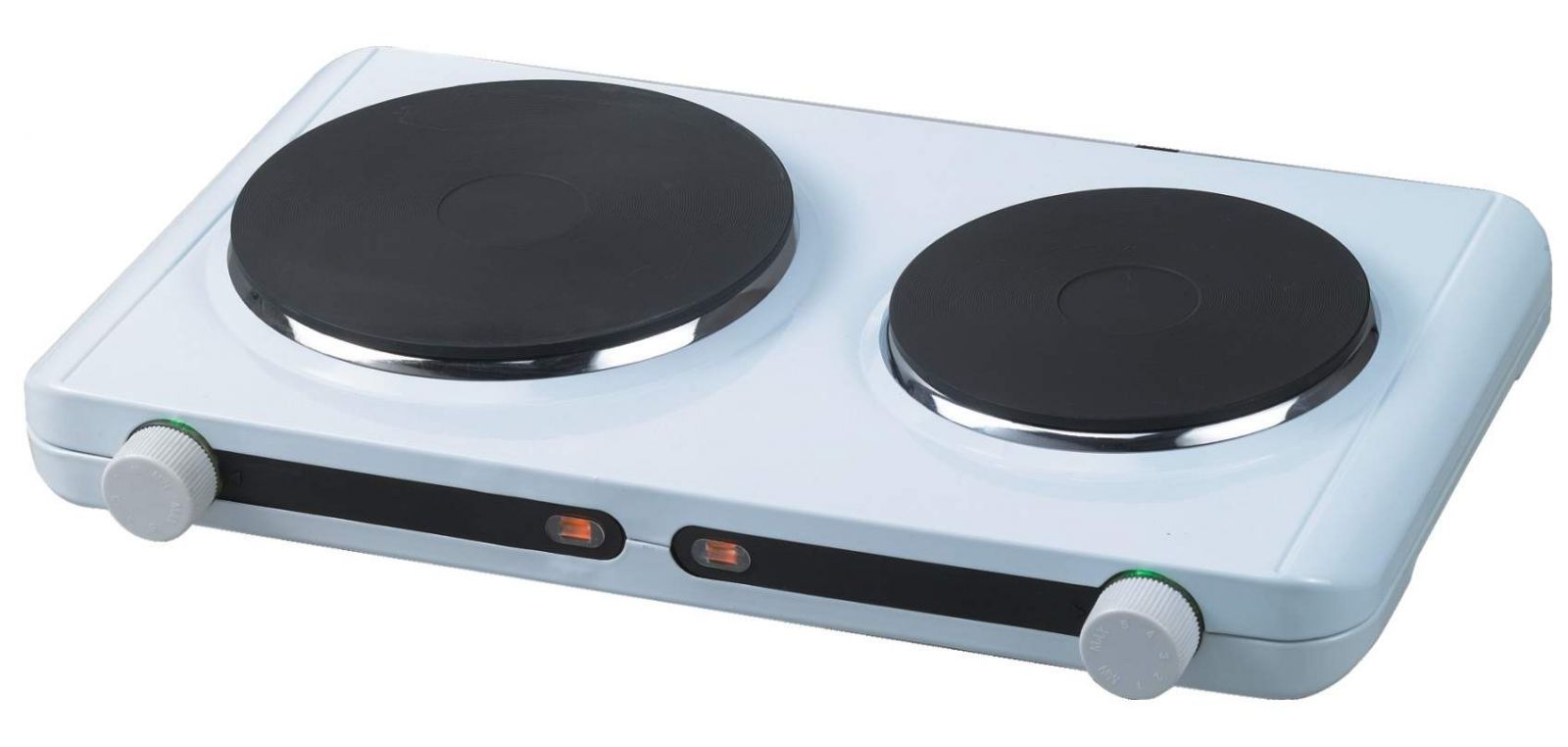
46.
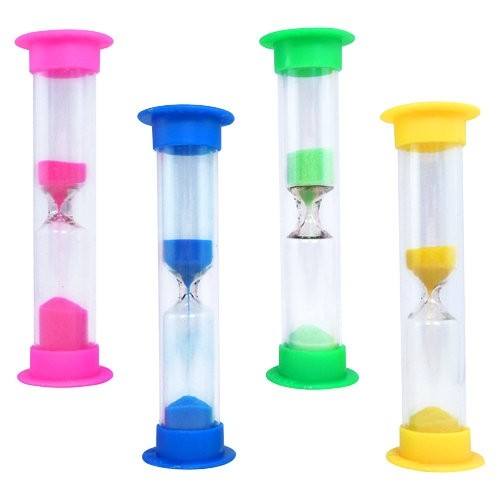
What is this science tool?
a)
Sand Timer
b)
Funnel
c)
Magnet
d)
Hot Plate
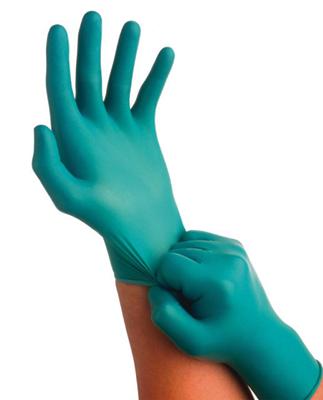
47.
What is this science tool?
a)
Safety Googles
b)
Model
c)
Safety Gloves
d)
Tweezers
48.
What is this science tool?
a)
Scale
b)
Triple Balance Beam
c)
Microscope
d)
Thermometer
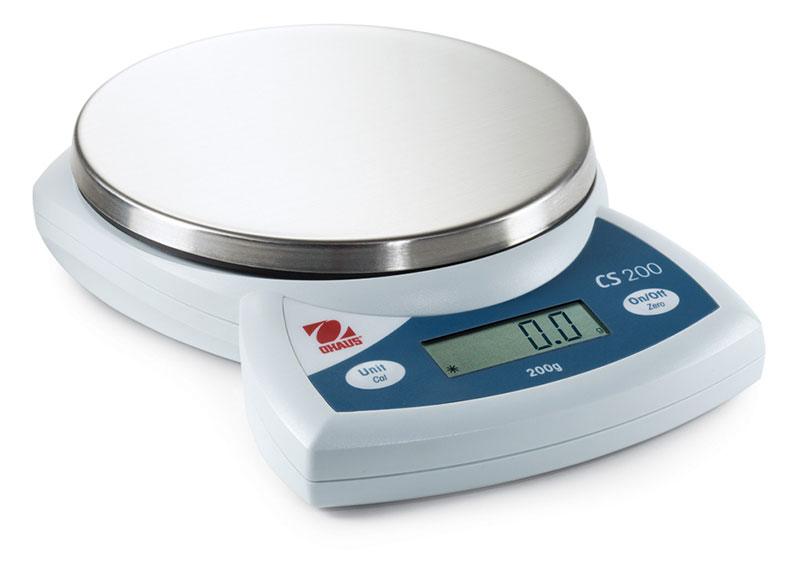
49.
What is this science tool?
a)
Hot Plate
b)
Stove
c)
Scale
d)
Fire Extinguisher
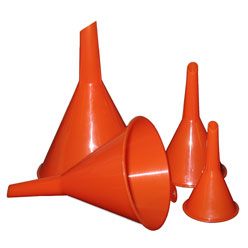
50.
What is this science tool?
a)
Funnels
b)
Beaker
c)
Test Tubes
d)
Balance
51.
What is this science tool?
a)
Model
b)
Petri Dish
c)
Collection Net
d)
Safety Googles
52.
What is this science tool?
a)
Balance
b)
Scale
c)
Triple Beam Balance
d)
Camera
53.
Animals that have a skull and a backbone are called _______________.
a)
Invertebrates
b)
Vertebrates
c)
Endoskeleton
d)
Exoskeleton
54.

The chemical properties of calcium are MOST similar to the chemical properties of :

a)

Ar

b)

K

c)

Sc

d)

Mg

55.

Which element is a member of the Halogen family?

a)

B

b)

I

c)

S

d)

K

56.

Which sequence of atomic numbers represents elements that have similar chemical properties?

a)

3,12,21,40

b)

4,20,38,88

c)

9,16,33,36

d)

19,23,30,36

57.

The table shows the measurements of the volume and pressure of a portion of gas at a constant temperature. After graphing, the data reveals that the volume is

a)

inversely proportional to pressure

b)

directly proportional to pressure

c)

inversely proportional to pressure squared

d)

directly proportional to pressure squared

58.

What is the overall charge of the compound sodium chloride?

a)

-2

b)

0

c)

+1

d)

+3

59.

When the pressure exerted on a confined gas at constant temperature is doubled, the volume of the gas is

a)

doubled

b)

tripled

c)

quartered

d)

halved

60.

Two examples of humans impacting the LAND are ?

a)

mining and farming

b)

building houses and going on tablets

c)

factories and using laundry detergent

61.

What happens to the soil after a tree is cut down?

a)

the soil is removed

b)

the soil is loose

c)

the soil has no food

62.

Some trees can die of contaminated water being soaked into the soil. what is this water called?

a)

chemicals

b)

contaminates

c)

acidic rain

63.

What is recycling?

a)

re-using materials

b)

throwing materials away

c)

making things

64.

Energy that travels in a straight line and makes objects visible.

a)

Sound Energy

b)

Light Energy

c)

Medium

d)

Lens

65.

Light Energy that bounces off a surface.

a)

reflection

b)

absorption

c)

refraction

d)

translucent

66.

The bending of light rays as they pass from one substance to another.

a)

refraction

b)

reflection

c)

absorption

d)

translucent

67.

Matter that allows some light rays pass through.

a)

translucent

b)

transparent

c)

opaque

d)

wood

68.
An underground layer of rock or sediment that holds water
a)
watershed
b)
groundwater
c)
permeability
d)
aquifer
69.
It refers to the removal of salt from ocean water
a)
dam
b)
reservoir
c)
salination
d)
desalination
70.
2/3 of freshwater on Earth is "locked away" in what water source location?
a)
atmosphere
b)
rivers and lakes
c)
underground
d)
ice and glaciers
71.
____________ is the water that collects in spaces and soil UNDERGROUND.
a)
Soil water
b)
Groundwater
c)
under pools
d)
ice caps
72.
A specific source of pollution is known as
a)
Water pollution
b)
Point source 
c)
Non-point source 
73.
Widespread pollution problems are known as...
a)
Point source
b)
Non-point source
c)
Erosion
74.
Animal wastes that runoff into water is an example of which types of pollution?
a)
bacterial & chemical 
b)
chemical & sediment
c)
nutrient & bacterial 
d)
sediment & nutrient
75.

Which sector uses the most water?

a)

agriculture

b)

industry

c)

household

76.

How long does it take for Earth to rotate on its axis?

a)

One year

b)

One hour

c)

One day

d)

One month

77.

Shadows are caused by:

a)

Constellations

b)

Orbits

c)

The changing angle between the sun and your location on Earth

78.

Which of the following happens because of apparent motion?

a)

The sun, moon or stars seem to move across the sky

b)

The Earth revolves around the sun

c)

The moon revolves around Earth

d)

The Earth rotates on its axis

79.

Which of the following does not cause seasons?

a)

Earth's rotation

b)

Earth's tilt on its axis

c)

Earth's revolution around the sun

d)

The moon's revolution around the Earth

80.

The Northern and Southern Hemisphere's have different seasons because of Earth's tilt on its axis as it revolves causes the sun's energy to strike one hemisphere more or less directly than the other.

a)

True

b)

False

81.

In which season does the sun's energy strike the Northern Hemisphere less directly causing fewer daylight hours and weather to be colder?

a)

Winter

b)

Spring

c)

Summer

d)

Fall

82.

In which season does the sun's energy strike Earth more directly than it did in winter? The weather warms and daylight hours increase.

a)

Winter

b)

Spring

c)

Summer

d)

Fall

83.

Which season is the warmest season and has the most hours of daylight? The sun's energy strikes parts of the Northern Hemisphere almost straight on.

a)

Winter

b)

Spring

c)

Summer

d)

Fall

84.

Because of the Earth's tilt and the sun's energy striking less directly, the weather cools and hours of daylight decrease during this season.

a)

Winter

b)

Spring

c)

Summer

d)

Fall

85.

The best time to see Orion's belt, is in the summer.

a)

True

b)

False

86.
To determine the significance, worth, quality, or amount.
a)
Evaluate
b)
Analyze 
c)
Science
d)
Engineering
87.
Reconsider and alter (something) in the light of further evidence.
a)
Revise
b)
Analyze
c)
Modeling
d)
Evaluate
88.
The way in which the parts of a system or object are arranged or organized.
a)
Fuction
b)
Organism
c)
Population
d)
Structure
89.
a group of living organisms consisting of similar individuals capable of exchanging genes or interbreeding and producing fertile offspring.
a)
Organism
b)
Gene
c)
Species
d)
Chromosome
90.
A change to the physical structure of an  organism due to a change in the organism’s DNA.
a)
Mutation
b)
Organism
c)
Species
d)
Structural Change
91.
Thread-like structures located in the nucleus of each cell that carries genetic information (DNA molecule)
a)
Traits
b)
Genes
c)
DNA
d)
Chromosomes
92.
The material that carries all the information about how a living thing will look and function.
a)
Gene
b)
DNA
c)
Trait
d)
Inherited
93.
A unit of DNA that is usually located on a chromosome and that controls the development of one or more traits
a)
Gene
b)
DNA
c)
Chromosome
d)
Inherited
94.
A group of individuals of the same species occupying a particular geographic area.
a)
Organism
b)
Population
c)
Species
d)
Traits
95.
A characteristic or distinguishing feature of an organism.
a)
Trait
b)
Gene
c)
Chromosome
d)
Mutation
96.
Different forms of the same gene
a)
DNA
b)
Mutation
c)
Chromosome
d)
Alleles
97.
The act of keeping something from happening
a)
Suppression
b)
Recessive
c)
Natural Selection
d)
Mutation
98.
What is crumbly, dark soil that is a mixture of humus, clay, and other materials?
a)
subsoil
b)
topsoil
c)
bedrock
d)
loam
99.
Abrasion is when sand and other rock particles that are carried by organisms, water, or ice wear away exposed rock surfaces.
a)
True
b)
False
100.
What type of soil is made of about equal parts clay, sand, and silt and is the "best" soil for growing most plants?
a)
topsoil
b)
bedrock
c)
loam
d)
subsoil
101.
What forms as plant and animal remains decay?
a)
loam
b)
topsoil
c)
bedrock
d)
humus
102.
The type of soil and climate are the most important factors that determine the rate at which weathering occurs.
a)
True
b)
False
103.
Rocks that are ____ are full of connected air spaces and weather more easily.
a)
permeable
b)
bedrock
c)
freezing and thawing
d)
eroding
104.
Often called topsoil and is a mixture of humus, clay, and other materials
a)
Horizon C
b)
Horizon A
c)
Horizon B 
105.
Living organisms may produce weak acids that slowly dissolve rock around roots where plants grow.
a)
True
b)
False
106.
What is the name for the scale used to measure soil acidity?
a)
fertility
b)
pH scale
107.
What measures how well soil supports plant growth?
a)
fertility
b)
pH scale
c)
decomposers
d)
bacteria
108.
Fertile soil is so valuable because...
a)
all living things on land need soil
b)
there is a limited amount of it
c)
it takes a long time to form
d)
all of the above