wayground logo

Free Printable Worksheets

Font size

S
M
L
XL
Worksheets

Bio Mid Term Review

Total questions: 186

Worksheet time: 3hrs 40mins

Name
Class
Date
1.

When working with chemicals students MUST FIRST

a)

wear a lab coat

b)

wear goggles

c)

use tongs

d)

tie hair back

2.
The lungs, kidney and skin are all part of the
a)
nervous system
b)
nephron
c)
kidney
d)
excretory system
3.
Which of the following mainly excretes CO2?
a)
skin
b)
kidney
c)
lungs
d)
urethra
4.

Which of the following mainly excretes water to release heat?

a)

skin

b)

kidney

c)

lungs

d)

urethra

5.

Breaking food down with the use of enzymes is known as:

a)

Chemical Digestion

b)

Physical Digestion

c)

Ingestion

d)

Egestion

6.
Peristalsis refers to
a)
one of the digestive organs
b)
the action of the stomach
c)
heart rate increasing
d)
smooth muscles moving food through the digestive system
7.
These organs are responsible for what?
a)
storing urine
b)
storing water
c)
filtering blood
d)
they don't have a particular job 
8.

Secrete wastes including water, salts, and small amounts of urea

a)

appendix

b)

gall bladder

c)

salivary glands

d)

sweat glands

9.
The main purpose of the large intestine.
a)
absorb hormones
b)
absorb protein
c)
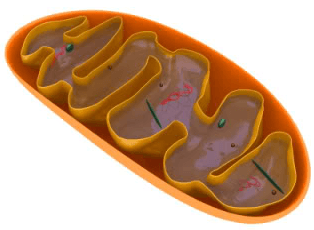
absorb nutrients
d)
absorb water
10.
Chewing food is an example of _____________.
a)
chemical digestion
b)
mechanical digestion
11.

Proteins are composed of substances called _______.

a)

3 fatty acids and glycerol

b)

amino acids

c)

monosaccharides

d)

nucleotides

12.

What is one accessory (helper) organ of the digestive system that stores bile?

a)

Small Intestine

b)

Esophagus

c)

Gallbladder

d)

Stomach

13.

The flap of tissue that covers the opening to the windpipe during swallowing

a)

Stomach

b)

Pepsin

c)

Pancreas

d)

Epiglottis

14.
Tube that carries swallowed food to the stomach
a)
esophagus
b)
liver
c)
pancreas
d)
rectum
15.

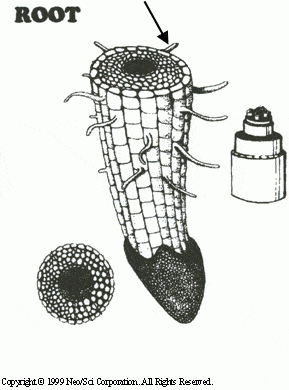
Starch is composed of subuntis called _______.

a)

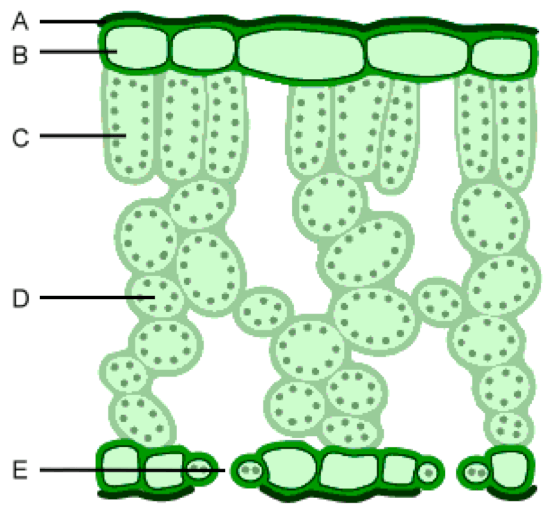
3 fatty acids and glycerol

b)

amino acids

c)

monosaccharides

d)

nucleotides

16.

Lipids are digested into

a)

3 fatty acids and glycerol

b)

amino acids

c)

monosaccharides

d)

nuceotides

17.

What structure is responsible for exchange of gases between the body and the environment

a)

nephrons

b)

bronchioles

c)

bronchi

d)

alveoli

18.

Which structure is responsible for regulating concentrations of substances in the blood and removing wastes?

a)

nephrons

b)

sweat glands

c)

bronchi

d)

alveoli

19.

Which structure is responsible for breaking down nitrogenous wastes in urea?

a)

nephrons

b)

pancreas

c)

liver

d)

alveoli

20.

Choose the correct order of structures that air will move through upon entering the body

a)

trachea, bronchi, alveoli, bronchioles

b)

bronchi, trachea, bronchioles, alveoli

c)

trachea, bronchi, bronchioles, alveoli

d)

trachea, bronchioles, bronchi, alveoli

21.

The area of the brain that regulates the breathing rate

a)

Hypothalamus

b)

Cerebrum

c)

Medulla

d)

Cerebellum

22.

What type of malfunction is occurring during an allergic reaction which constricts the bronchioles interfering with the exchange of gases.

a)

Bronchitis

b)

Emphysema

c)

Asthma

d)

AIDS

23.

Which structures in the nasal cavity remove some bacteria and dust from outside air before it enters the lungs?

a)

ciliated mucous membranes

b)

lymph nodes

c)

rings of cartilage

d)

thin, moist alveoli

24.

The brain increases the breathing rate when

a)

there is too much oxygen in the blood

b)

there is too much carbon dioxide in the blood

c)

there is too little oxygen in the blood

d)

there is too little carbon dioxide in the blood

25.

What warms, and moistens the air and contains cilia & hairs to filter & trap dust and particles.

a)

trachea

b)

nasal passages

c)

alveoli

26.

What is this a picture of?

a)

a vein surrounding a sweat gland

b)

a capillary surrounding an alveolus

c)

a capillary surrounding a nephron

d)

a villi surrounding a capillary

27.

When you exhale, your diaphragm will

a)

contract

b)

relax

c)

stay the same

28.

What structure is the arrow pointing to?

a)

alveoli

b)

esphagus

c)

bronchi

d)

trachea

29.
Which statement explains the importance of maintaining a constant internal environment to ensure proper enzyme functioning?
a)
 Changes in pH and temperature will cause the enzyme reaction rate to be too fast.
b)
Temperature and pH determine amino acid sequences in enzymes
c)
Changes in pH will change the genetic instructions of enzymes
d)
Increasing the temperature and pH can alter the specific shape of enzymes.
30.
Hospital patients are often given intravenous fluids (IVs) to maintain proper levels of water and salts in the body. Great care is used in preparing these solutions. If a manufacturer accidentally prepared a batch of IV fluid that contained much more than the usual amount of salt, harm to the patient could result. The most likely effect on a patient if this incorrectly prepared IV fluid was used is that
a)
water would move into body cells and cause them to burst
b)
 water would move out of body cells and cause them to dehydrate
c)
 salt and water would both move out of body cells and disrupt homeostasis
d)
salt and water would both move into body cells and preserve homeostasis
31.
Which substance is an organic molecule?
a)
water
b)
oxygen
c)
sugar
d)
carbon dioxide
32.
Cell membranes are said to be selectively permeable. Which statement best explains what selectively permeable means?
a)
The cell membrane prevents any harmful substance from entering the cell.
b)
The cell membrane lets certain substances enter the cell and keeps certain substances out of the cell.
c)
The cell membrane allows only large molecules to diffuse into the cell.
d)
The cell membrane has pores that let only water and glucose into the cell and carbon dioxide out.
33.
Base your answer to the question on the diagram below and on your knowledge of biology. The diagram represents two solutions, A and B, separated by a selectively permeable membrane. Which statement best describes the outcome after 20 minutes?
a)
Solution A will contain approximately the same number of glucose molecules as solution B.
b)
Solution A will contain all of the water molecules.
c)
Solution B will remain unchanged.
d)
Solution B will lose all of the glucose molecules to solution A.
34.
The diagram below represents a cell in water.  Formulas of molecules that can move freely across the cell membrane are shown.  Some molecules are located inside the cell and others are in the water outside the cell.

Based on the distribution of these molecules, what would most likely happen after a period of time?
a)
The concentration of O2 will increase inside the cell.
b)
The concentration of CO2 will remain the same inside the cell.
c)
The concentration of O2 will remain the same outside the cell.
d)
The concentration of CO2 will decrease outside the cell.
35.
A substance is most likely to diffuse into a cell when
a)
it is a large organic food molecule such as protein or starch
b)
it is enclosed in an organelle such as a vacuole
c)
the concentration of the substance is greater outside the cell than inside
d)
the pH of the substance is greater than the pH of the cellListen
36.
The diagram below shows the relative concentration of molecules inside and outside of a cell.

Which statement best describes the general direction of diffusion across the membrane of this cell?
a)
Glucose would diffuse into the cell.
b)
Protein would diffuse out of the cell.
c)
Oxygen would diffuse into the cell.
d)
Carbon dioxide would diffuse out of the cell.
37.
 A fully functioning enzyme molecule is arranged in a complex three-dimensional shape. This shape determines the
a)
 specific type of molecule it interacts with during a reaction
b)
rate at which the enzyme breaks down during a reaction it regulates
c)
pH of all body systems
d)
temperature of the products of the reaction it regulates
38.

This process best represents

a)

the bonding of amino acids to form a starch using dehydration synthesis

b)

the digestion of amino acids to form a starch molecule using hydrolysis

c)

the bonding of simple sugars to form a starch molecule using dehydration synthesis

d)

the digestion of simple sugars to form a starch molecule using hydrolysis

39.
The energy in this molecule is stored 
a)
in the bonds between atoms
b)
in the oxygen found in the molecule
c)
when the carbon atoms break off
d)
when water breaks this molecule apart
40.
The building blocks for this molecule are
a)
amino acids
b)
simple sugars
c)
fats
d)
molecular bases
41.
An energy-rich organic compound needed by organisms is
a)
water
b)
salt
c)
oxygen
d)
glucose
42.
The diagram below represents a protein molecule present in some living things. This type of molecule is composed of a sequence of what?
a)
amino acids arranged in a specific order
b)
simple sugars alternating with starches arranged in a folded pattern
c)
large inorganic subunits that form chains that interlock with each other
d)
four bases that make up the folded structure
43.
In animals, which occurs during the synthesis of larger, more complex organic molecules from smaller organic molecules?
a)
Water is released.
b)
Oxygen is released.
c)
Nitrogen is absorbed.
d)
Phosphorus is absorbed. 
44.
DNA & RNA are examples of what type of organic compound?
a)
lipids
b)
carbohydrates
c)
nucleic acids
d)
proteins
45.
Which of the following is NOT a lipid?
a)
fat 
b)
oil 
c)
wax
d)
starch
46.
Which organic compound is primarily used to make ENERGY?
a)
carbohydrates
b)
proteins
c)
fats
d)
nucleic acids
47.
By which process to smaller units, called monomers, combine to form larger, organic compounds?
a)
dehydration synthesis
b)
hydrolysis
c)
chemical makeup
d)
photosynthesis
48.
What are the building blocks, or monomers, of proteins?
a)
hormones
b)
amino acids
c)
glucose molecules
d)
fatty acids
49.
Organic compounds must contain what element?
a)
carbon 
b)
nitrogen
c)
phosphorous
d)
calcium
50.
The diagram shows various molecules that move into and out of the cell. How does molecule C move out the cell?
a)
Active Transport
b)
Diffusion
c)
The use of a protein pump
d)
Manipulated osmosis
51.
Which way will the water molecules move during osmosis?
a)
Out of the cell, so the cell shrinks.
b)
Out of the cell, so the cell swells.
c)
Into the cell, so the cell shrinks.
d)
Into the cell, so the cell swells.
52.
The diagram below represents two cells viewed using the same magnification with the same microscope. One possible conclusion that can be drawn about the activity of these two cells is that
a)
more active transport occurs in cell B than in cell A
b)
more active transport occurs in cell A than in cell B
c)
cell B uses some of the extra mitochondria to make food
d)
cell A is a plant cell since it has a cell wall
53.

The diagram represents what occurred when an onion cell and a red blood cell were placed in distilled water. The best explanation for why the onion cells do not burst, while the red blood cells often do is that

a)

the red blood cells have only a cell membrane, which does not protect them from bursting

b)

the onion cells do not have a cell wall what could protect them from bursting

c)

the onion cells do not have a cell wall, which can help prevent them from bursting

d)

the red blood cells have a cell wall, which does not protect them from bursting

54.
Methods A and B are classified as methods of passive transport because they do not require
a)
ATP
b)
carbon dioxide
c)
light
d)
DNA
55.
Using information from the diagram, state one reason why the movement of molecules in method C represents active transport. 
a)
solutes travel from high to low concentration
b)
solutes travel from low to high concentration
c)
a protein channel is needed
d)
equilibrium needs to be reached
56.
The diagram below represents a green plant cell viewed with the high power of a compound light microscope before and after a particular substance was added. Identify a substance that could been added to the slide to bring about the change shown. 
a)
water
b)
salt
57.
Red onion cells undergo the change represented in the picture below. This change is most likely caused by the cell being transferred from
a)
distilled water to starch indicator
b)
distilled water to salt water
c)
salt water to tap water
d)
salt water to distilled water
58.
The diagram below represents two processes that occur in organisms. A characteristic represented by X is common to both of these processes. A characteristic that both processes have in common is that each process
a)
uses ATP
b)
requires enzymes
c)
uses oxygen
d)
moves molecules
59.
Identify substance A. 
a)
water
b)
salt
c)
ribosomes
d)
ATP
60.

A blue-based glucose indicator is added to a dialysis tube containing a mixture of glucose and water. What color would result from the addition of the indicator to the solution along with heat?

a)

amber

b)

purple

c)

orange

d)

blue/black

61.

A starch indicator is added to a dialysis tube containing a mixture of starch and water. What color represents the indicator before it is added to the solution?

a)

amber

b)

purple

c)

orange

d)

blue/black

62.
If a starch-digesting enzyme were added to a sports gel that lists starch as an ingredient, which substance would increase in concentration?
a)
fat
b)
glucose
c)
amino acids
d)
water
63.
Letter X in the process represents 
a)
an antibody
b)
a hormone
c)
an enzyme
d)
a receptor
64.
What is a compound?
a)
an atom with more electrons than protons
b)
a substance in which the atoms of two or more elements are combined together
c)
an atom with more neutrons than protons
d)
a substance in which the atoms of three or more elements are combined together
65.
This image represents which biological process?
a)
digestion
b)
synthesis
66.
Is NaCl (table salt) a Organic or Inorganic Compound?
a)
Inorganic
b)
Organic
67.

What 2 elements must be present for a compound to be considered organic?

a)

Hydrogen & Nitrogen

b)

Hydrogen & Oxygen

c)

Carbon & Hydrogen

d)

Carbon & Oxygen

68.

Water is _______________ and needed for ____________ to occur.

a)

organic : reactions

b)

inorganic : reactions

c)

inorganic : healing

d)

organic : healing

69.

#1 is a/an

a)

glucose

b)

disacccharide

c)

amino acid

d)

nucleotide

70.

#3 is a/an

a)

glucose

b)

disaccharide

c)

amino acid

d)

nucleotide

71.

#5 is a/an

a)

glucose

b)

disaccharide/maltose

c)

amino acid

d)

nucleotide

72.

Humans store excess glucose as _________ in our ________________.

a)

starch - liver

b)

cellulose/fiber - cell walls

c)

glycogen - liver

d)

peptides - cells

73.
What do plants give off after photosynthesis?
a)
Oxygen
b)
carbon
c)
nitrogen
d)
hydrogen
74.
Plants need ________from the air for photosynthesis
a)
oxygen
b)
soil
c)
carbon dioxide
d)
sugar
75.
The products of photosynthesis are
a)
water and carbon dioxide
b)
oxygen and water
c)
sugar and cabon dioxide
d)
oxygen and sugar (glucose)
76.
Which gas is removed from the atmosphere during photosynthesis?
a)
hydrogen
b)
oxygen
c)
nitrogen
d)
carbon dioxide
77.
The main source of energy for all life comes from ____.
a)
the Earth
b)
the moon
c)
the sun
d)
the food we eat/make
78.
In what part of the cell does photosynthesis occur?
a)
Nucleus
b)
Chloroplast
c)
Epidermis
d)
Vacuole
79.
After photosynthesis, plants store their energy as _________ .
a)
chlorophyll
b)
pigment
c)
glucose (sugar)
d)
Oxygen
80.
Which of the following go through the process of photosynthesis?
a)
bees
b)
algae
c)
humans
d)
mushrooms
81.
What are the reactants (what's needed) for photosynthesis?
a)
glucose and oxygen
b)
light, water, and carbon dioxide
82.
What is the purpose of photosynthesis?
a)
make glucose
b)
make ATP
c)
make light
d)
release carbon dioxide
83.

What is cellular respiration?

a)

the breakdown of glucose to release ATP

b)

the breakdown of glucose to release carbon

84.
Where does cellular respiration take place in the cell?
a)
Cell Membrane
b)
Nucleus
c)
Mitochondria
d)
Vacuole
85.

What is one of the raw materials of cellular respiration?

a)

energy

b)

glucose

c)

carbon dioxide

d)

water

86.
What is the correct equation for cellular respiration?
a)

6O2 + C6H12O6 -> 6CO2 + 6H2O + Energy

b)

6O2 + C6H12O6 + Energy -> 6CO2 + 6H2O

c)

6CO2 + 6H2O + Energy -> 6O2 + C6H12O6

87.
Why do we eat food?
a)
to provide energy/fuel
b)
to eliminate waste products
c)
to prevent diseases
d)
to kill pathogens
88.

What is one of the reactants of cellular respiration?

a)

energy

b)

oxygen

c)

carbon dioxide

89.

The mitochondria is responsible for ...

a)

photosynthesis

b)

cellular respiration

90.

Cellular respiration is different from fermentation in that respiration needs...

a)

oxygen

b)

carbon dioxide

91.
What are the products of anaerobic respiration?
a)
Glucose and oxygen
b)
Carbon dioxide and water
c)
Lactic acid
d)
Carbon monoxide
92.
What type of respiration does not require oxygen?
a)
Aerobic
b)
Anaerobic
93.
Which type of respiration is most efficient?
a)
Aerobic
b)
Anaerobic
94.
Why is yeast used to bake bread? 
a)
The waste gas, CO2, makes bread rise
b)
The alcohol produced makes bread dangerous
c)
The yeast consumes O2, causing bread to rise
95.
What is a disadvantage of fermentation as a process? 
a)
It produces too much ATP
b)
It only produces 2 ATP
c)
It occurs in the absence of oxygen
d)
It is only for quick bursts of energy
96.
What cells in the body may undergo lactic acid fermentation during exercise? 
a)
Muscle cells
b)
Fat cells
c)
Liver cells
d)
Skin cells
97.
Lactic acid fermentation occurs in your muscles after a workout because your cells are struggling to get
a)
Glucose
b)
Sunlight
c)
Oxygen
d)
Water
98.
This is the "powerhouse" of the cell. Most of an eukaryotic cell's energy is made here.
a)
mitochondria
b)
ribosomes
c)
chloroplasts
d)
nucleus
99.
Fermentation occurs in the cell's 
a)
cytoplasm
b)
nucleus
c)
cell membrane
d)
cristae
100.

Where does Glycolysis occur?

a)

cytoplasm inside the mitochondria

b)

inside the chloroplast

c)

cytoplasm outside the mitochondria

101.

The internal shape of mitrochondria is important because

a)

it allows it to fit better in the cell

b)

the folds inside increase surface area for increased performance & efficiency

c)

the folds inside make for a condensed shape

d)

it allows the organelle to absorb light more efficiently

102.

BTB (Bromothymol Blue) turns to BTY (Bromothymol Yellow) because

a)

BTB is an indicator for Oxygen

b)

BTB is an indicator for ATP

c)

BTB is an indicator for Carbon Dioxide

d)

BTB is an enzyme

103.

Which of the following reactions occurs in the Brewing Industry?

(1) Glucose -> 2 Alcohol + 2 CO2 + 2 ATP

(2) Glucose --> 2 Lactic Acid + 2 ATP

(3) Glucose + 2 ATP --> 2 Pyruvic acid + 4 ATP

(4) Glucose + O2 -> Water + Carbon Dioxide + 36 ATP

a)

1

b)

2

c)

3

d)

4

104.

Which of the following reactions is Glycolysis?

(1) Glucose -> 2 Alcohol + 2 CO2 + 2 ATP

(2) Glucose --> 2 Lactic Acid + 2 ATP

(3) Glucose + 2 ATP --> 2 Pyruvic acid + 4 ATP

(4) Glucose + O2 -> Water + Carbon Dioxide + 36 ATP

a)

1

b)

2

c)

3

d)

4

105.

Which of the following reactions occurs in the Mitochondrion?

(1) Glucose -> 2 Alcohol + 2 CO2 + 2 ATP

(2) Glucose --> 2 Lactic Acid + 2 ATP

(3) Glucose + 2 ATP --> 2 Pyruvic acid + 4 ATP

(4) Glucose + O2 -> Water + Carbon Dioxide + 36 ATP

a)

1

b)

2

c)

3

d)

4

106.

Which of the following reactions occurs in Bacteria & Animal muscle cells?

(1) Glucose -> 2 Alcohol + 2 CO2 + 2 ATP

(2) Glucose --> 2 Lactic Acid + 2 ATP

(3) Glucose + 2 ATP --> 2 Pyruvic acid + 4 ATP

(4) Glucose + O2 -> Water + Carbon Dioxide + 36 ATP

a)

1

b)

2

c)

3

d)

4

107.

Which of the following reactions occurs in Yeast?

(1) Glucose -> 2 Alcohol + 2 CO2 + 2 ATP

(2) Glucose --> 2 Lactic Acid + 2 ATP

(3) Glucose + 2 ATP --> 2 Pyruvic acid + 4 ATP

(4) Glucose + O2 -> Water + Carbon Dioxide + 36 ATP

a)

1

b)

2

c)

3

d)

4

108.

Which of the following reactions occurs in the cytoplasm?

(1) Glucose -> 2 Alcohol + 2 CO2 + 2 ATP

(2) Glucose --> 2 Lactic Acid + 2 ATP

(3) Glucose + 2 ATP --> 2 Pyruvic acid + 4 ATP

(4) Glucose + O2 -> Water + Carbon Dioxide + 36 ATP

a)

1

b)

2

c)

3

d)

4

109.
Because plants carry out photosynthesis, they are considered _____.
a)
heterotrophs
b)
autotrophs
c)
consumers
d)
unicellular
110.

Which is the correct formula for photosynthesis?

a)

CO2 + H2O + light energy --> C6H12O6 + O2

b)

sunlight + CO2 + H2O --> C6H12O6 + CO2

c)

C6H12O6 + O2 --> (in sunlight) CO2 + H2O

d)

CO2 + H2O --> C6H12O6 + O2 + sunlight

111.

Specialized group of cells and tissues that work together to produce and secrete substances such as hormones, enzymes or other bodily components

a)

Hormone

b)

Gland

c)

Thymus

112.

Functions of the endocrine System are to Regulate growth, Regulate metabolism, Regulate Reproduction

a)

True

b)

False

113.
What hormone regulates sugar level?
a)
insulin
b)
histamine
c)
estrogen
d)
thyroxin
114.
Which gland is considered the master gland?
a)
Pitutiary Gland
b)
Pineal Gland
c)
Adrenal Gland
d)
Parathyroid 
115.
What is the role of the endocrine system?
a)
to regulate activities throughout the body via chemicals 
b)
to send electrical impulses to the body
c)
create an internal balance of ions in the body
116.
Which system partners directly with the endocrine system to regulate activities in the body?
a)
Muscular
b)
Reproductive
c)
Nervous
d)
Digestive
117.

This system controls everything you do.

a)

Nervous system

b)

Olfactory system

c)

Respiratory system

d)

Endocrine system

118.

Without the nervous system, you couldn't

a)

walk

b)

breathe

c)

think

d)

all of the above

119.

The nervous system is made up of these three parts:

a)

Brain, heart, and spinal cord

b)

Brain, spinal cord, and nerves

c)

Nerves, arteries, and veins

d)

Nerves, liver, and heart

120.

Our nervous system allows us to respond to

a)

Sight

b)

Smell

c)

Taste

d)

All of the above

121.

A stimulus is

a)

not detected by sensors (senses)

b)

detected by receptors (our senses)

122.

A stimulus is

a)

not detected by sensors (senses)

b)

detected by receptors (our senses)

123.

Hormones are chemical messengers

a)

True

b)

False

124.

The thyroid gland’s main job is to manage your:

a)

Metabolism

b)

Blood pressure

c)

Lymphatic system

d)

None of them

125.
This picture is an example of a
a)
Nerve Impulse
b)
Reflex Arc
c)
Neural Arc
d)
Cerebral Processing
126.
In this picture, the red line represents a(n)
a)
motor neuron
b)
sensory neuron
c)
receptor
d)
interneuron
127.
In this picture, the blue line represents a(n)
a)
interneuron
b)
motor neuron
c)
sensory neuron
d)
effector
128.
What do your bones protect?
a)
organs
b)
skin
c)
muscles
d)
feelings
129.
What does your bone marrow make?
a)
muscles
b)
cartilage
c)
blood cells
d)
germs
130.

What are the functions of the Skeletal System?

a)

Support and Protection

b)

Blood Cell Production

c)

Shape and Movement

d)

Storage of Nutrients

e)

All of the above

131.
What are the 3 types of muscles?
a)
Cardiac, smooth and skeletal
b)
Cardiac, skeletal, prime
c)
Flexion, extension, smooth
d)
Skeletal, smooth, stringy
132.
Tendons connect __________ to bone.
a)
Cartilage
b)
Bone
c)
Muscle
d)
Ligaments
133.
attaches bone to bone
a)
tendon
b)
ligament 
134.

Insulin and glucagon are produced by

a)

the liver

b)

the pancreas

c)

the kidneys

135.

Which one here is a hormone?

a)

Glycogen

b)

Glycerol

c)

Glucagon

d)

Glucose

136.

What cell in your body detects changes in the environment?

a)

effector

b)

motor neuron

c)

receptor

d)

pancreas

137.

What cell in your body detects changes in the environment?

a)

effector

b)

motor neuron

c)

receptor

d)

pancreas

138.

what hormone lowers blood glucose levels ?

a)

Insulin

b)

Aldosterone

c)

Protein

139.

When a person has type 2 diabetes

a)

the body produces insulin but the body cells such as liver and muscles don't respond properly to it

b)

the pancreas doesn't produce insulin

c)

the pancreas doesn't produce glucagon

d)

none of the above

140.
What is the female gland that secretes estrogen and progesterone?
a)
Testes
b)
Pancreas
c)
Thymus
d)
Ovaries
141.

These hormones control secondary sex characteristics in males and females

a)

Glucagon & Insulin

b)

Adrenaline & Insulin

c)

Testosterone & Estrogen

d)

Estrogen & Progesterone

142.

Which molecule typically serves as a communicator for cells?

a)

Carbohydrates

b)

Lipids

c)

Proteins

d)

Nucleic Acds

143.

Why do the target cells have the ability to accept the hormone?

a)

The cell fits into the receptor with the hormone.

b)

Those hormones fit into the receptors on the target cells.

c)

The receptors can fit into the hormones on any cells.

d)

The receptor fits into the hormone on endocrine cells.

144.
What do plants produce that animals, including humans, benefit from for their survival?
a)
food and oxygen
b)
water and carbon dioxide
c)
oxygen only
d)
glucose and carbon dioxide
145.

Which plant parts are the tubes that carry water & minerals

throughout the plant?

a)

xylem

b)

phloem

c)

roots

d)

leaves

146.
Which plant parts carry sugars and other nutrients throughout the plant?
a)
phloem
b)
xylem
c)
roots
d)
leaves
147.

What three reactants does a plant need to take in to undergo photosynthesis?

a)

sunlight, water, and carbon dioxide

b)

sunlight, water, and oxygen

c)

oxygen, carbon, and hydrogen

d)

water, oxygen, and glucose

148.
What is the name of the organelle in the leaves of plants that absorbs the Sun's energy?
a)
roots
b)
chlorophyll
c)
chloroplast
d)
stomata
149.

The two structures that control transpiration are known as

a)

Guard cells and xylem

b)

Stomata and guard cells

c)

xylem and phloem

d)

stomata and phloem

150.
Roots perform all of the following functions EXCEPT
a)
Carrying out the light reactions of photosynthesis
b)
Anchoring the plant in the soil
c)
Absorbing water and nutrients from the soil
d)
Storing water and minerals
151.

What is the name of the part of the root that increases surface area for maximum absorption of water and minerals into the plant?

a)

root hairs

b)

epidermis

c)

phloem

d)

phyla

152.

How does water enter the roots from the soil?

a)

diffusion

b)

osmosis

c)

transpiration

d)

active transport

153.

What is E pointing to?

a)

spongy layer

b)

stomate

c)

upper epidermis

d)

cuticle

154.
Heterotrophs
a)
Are all prokaryotic
b)
Can make their own food
c)
Cannot make their own food
d)
Are producers
155.
Organsisms maintain a balance between their cells and the external environment through the process of ----
a)
growth
b)
pH
c)
cellular respiration
d)
homeostasis
156.

What is the sac-like structure in plant cells that store water and nutrients? These are much larger in plant cells?

a)

Lysosomes

b)

Mitochondria

c)

Vacuoles

d)

Golgi Body

157.

Photosynthesis occurs in the ______ while cellular respiration occurs in the _____.

a)

Chloroplast; Vacuole

b)

Vacuole; Mitochondria

c)

Mitochondria; Chloroplast

d)

Chloroplast; Mitochondria

158.

Where in the plant leaf does photosynthesis predominantly occur?

a)

Palisade layer

b)

Epidermis

c)

Spongy layer

d)

Xylem

159.

The role of the guard cell is to

a)

help control the temperature of the plant by opening/closing stomate

b)

control how much water enters the leaf by opening the stomate

c)

control how much glucose is stored

d)

control the movement of water vapour & gases by opening/closing the stomate

160.

The specimen slide is placed on the ___

a)

platform

b)

table

c)

stage

d)

base

161.

Identify the microscope part:

a)

revolving nosepiece

b)

coarse focus knob

c)

diaphragm

d)

fine focus knob

162.

The lens assembly with the longest body is the ___

a)

low power objective

b)

high power objective

c)

low power ocular

d)

high power ocular

163.

Which part controls the amount of light reaching the specimen?

a)

diaphragm

b)

coarse focus knob

c)

condensor

d)

fine focus knob

164.

The part you look through at the top of the microscope is called the eyepiece or ___

a)

objective

b)

ocular

c)

aperture

d)

diaphragm

165.

Typical objective lenses come in magnifications of ___

a)

6x, 15x, 60x

b)

60x, 150x, 600x

c)

4x, 10x, 40x

d)

40x, 100x, 400x

166.

Using a 10x eyepiece and a 40x objective would give a total magnification of ___

a)

40x

b)

50x

c)

400x

d)

500x

167.
When looking at a specimen on your slide, you should always start with the
a)
low objective lens
b)
medium objective lens
c)
high objective lens
d)
super extra high power lens
168.
A testable explanation to a problem that has not yet been tested. 
a)
data
b)
theory
c)
hypothesis
d)
fact
169.
This variable in an experiment is the one being changed by the scientist. 
a)
dependent variable
b)
independent variable
c)
data
d)
control group
170.
A series of steps used by scientists to solve a problem or answer a question. 
a)
scientific method
b)
recipe
c)
data collection
d)
metric system
171.
Testing a hypothesis often involves a(n):
a)
answer
b)
experiment
c)
problem
d)
safety check
172.
Dependent variable means
a)
the scientist controls what to test
b)
educated guess
c)
ask a question
d)
what is being measured
173.
If you increase the amount of spinach you eat, then you will increase the iron in your blood. 
What's the dependent variable?
a)
increase the amount of iron in your blood
b)
spinach you eat
174.
Which of the following would be considered quantitative data?
a)
Color
b)
Smell
c)
6.84 cm
d)
texture
175.
What is the part of the experiment that is left alone or “natural", and is used to compare back to?
a)
Independent Variable
b)
Dependent Variable
c)
Control Group
d)
Experimental Group 
176.
Which of the following is directly involved in the transportation of materials inside/within the cell?
a)
Endoplasmic Reticulum
b)
Vacuole
c)
Lysosome
d)
Mitochondria
177.
What is found in both plant and animal cells but is much larger in plant cells?
a)
Nucleus
b)
Mitochondria
c)
Chloroplast
d)
Vacuole
178.
Where are proteins made?
a)

Golgi body

b)

Mitochondria

c)

Chromosomes

d)

Ribosomes

179.
This organelle takes food and turns it into ENERGY for plant and animal cells.
a)
Chloroplast
b)
Mitochondria
c)
Lysosome
d)
Ribosome
180.
I am the outer most layer of an animal cell. What am I?
a)
cell wall
b)
nucleus
c)
cell membrane 
d)
cell skin
181.
What are tiny organelles that convert glucose into ATP?
a)
Ribosomes
b)
Vesicles
c)
Cytoskeleton
d)
Mitochondria
182.
A rigid layer that lies outside the cell's  membrane is...
a)
Cytoskeleton
b)
Cilia
c)
Cell Wall
d)
Flagella
183.

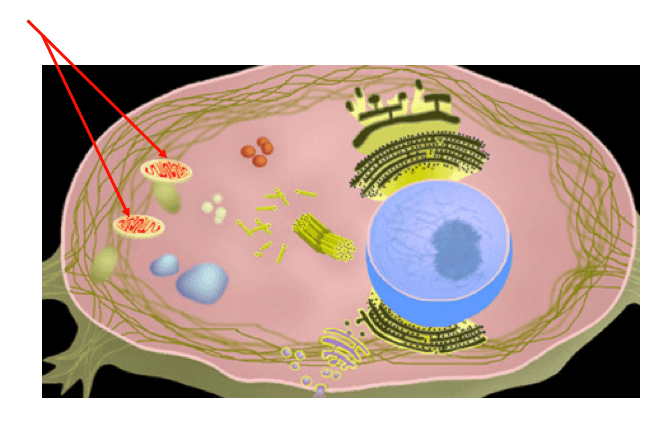
Identify the structures at the bottom of the arrows.

a)

Ribosomes

b)

Golgi Bodies

c)

Mitochondria

d)

Chloroplasts

184.

Which life function is shown in the diagram?

a)

Transport

b)

Respiration

c)

Excretion

d)

Nutrition

185.

Which life function is shown in the picture?

a)

Growth

b)

Reproduction

c)

Synthesis

d)

Transport

186.

This structure allows materials to enter and exit (diffuse) the cell

a)

cell wall

b)

mitochondria

c)

nucleus

d)

cell membrane