
 Worksheets
Unit 5 Biology
Total questions: 70
Worksheet time: 1hrs 6mins



Which type of biological macromolecule is the main component of the plasma membrane?
carbohydrate
lipid
protein
nucleic acid

This image is an example of a phospholipid. Which part of a phospholipid is HYDROPHOBIC?
the phosphate "head"
the lipid "tails"
This image is an example of a phospholipid. Which part of a phospholipid is HYDROPHILIC?
the phosphate "head"
the lipid "tails"

Where can carbohydrates be found when part of a plasma membrane?
On the outside of the membrane
On the inside of the membrane
Embedded part of the way into the membrane
Embedded the whole way through the membrane
All of the above




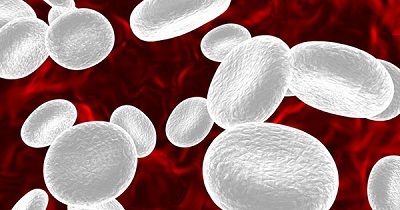

Your heart is an involuntary muscle that is always working.
True
False
The heart is made of which of the following types of muscles?
Cardiac muscle
Striated muscle
Smooth muscle
None of the above
Your heart always pumps at the same rate.
True
False
Electricity cause your muscles to contract.
True
False
Which of the following are chambers of the heart?
Valves
Atrium and ventricle
Arteries and veins
Sinoatrial nerve
The pulmonary artery is the artery that carries the blood to your heart from your lungs.
True
False


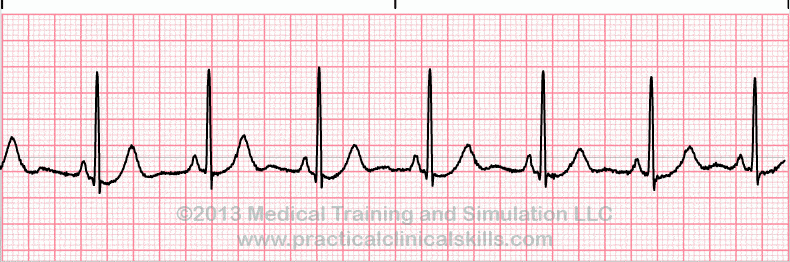
What is the ECG showing
Atrial Fibrillation
Ventricular Fibrillation
normal
Premature Ventricular Contraction
Heart Block

What is the ECG showing
Atrial Fibrillation
Ventricular Fibrillation
normal
Premature Ventricular Contraction
Heart Block
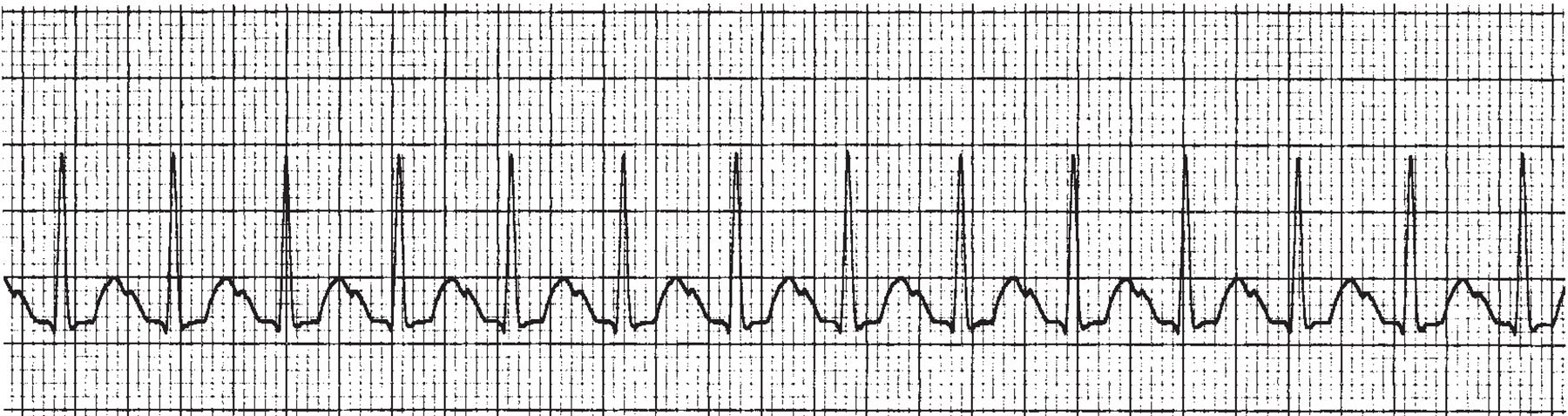
This ECG strip illustrates ____________.
Premature Atrial Contraction
Premature Ventricular Contraction
Atrial Fibrulation
Tachycardia

Cardiac output คือ ข้อใด?
Stroke volume X Heart rate
Stroke volume + Heart rate
Stroke volume - Heart rate
A structure that carries blood throughout the body?
Blood Vessel
Pulse
Plaque
Stroke
The pressure you feel if you press on your arteries is called ______
Pulse
Heart Rate
Hypertension
Atherosclerosis
Atherosclerosis is a leading cause of other cardiovascular disease (CVD) and it happens when arteries become clogged by _______
sugar
plaque
blood pressure
insulin
If a blood clot prevents blood from reaching the heart, we call this a ________
stroke
pulse
heart attack
hypertension
If a blood clot prevents blood from reaching the brain, we call this a _______
stroke
heart attack
tumor
hernia
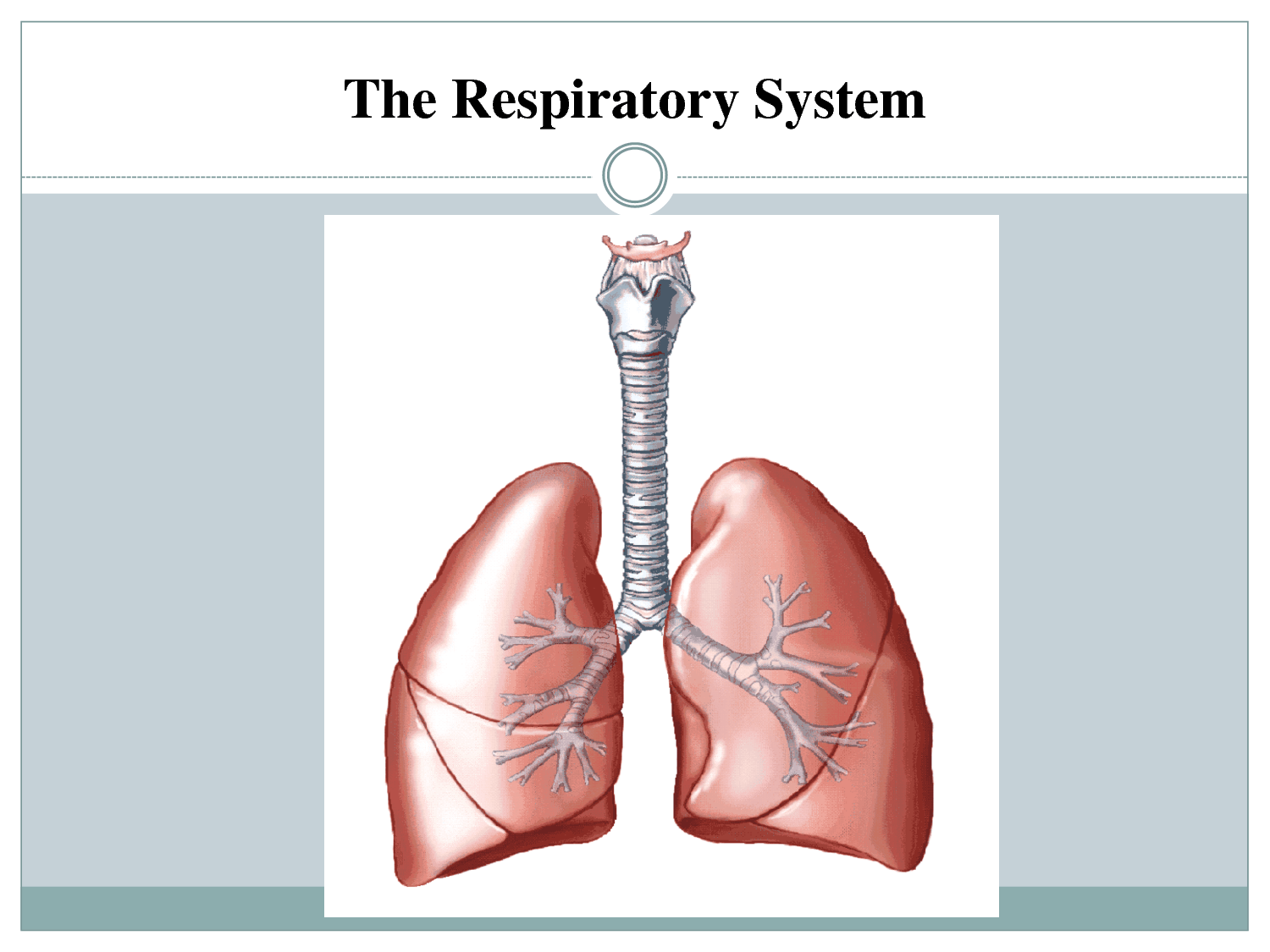
What is the main function of the respiratory system?
to provide oxygen and remove carbon dioxide from the body
o break down food and absorb nutrients
to remove oxygen from the body and deliver carbon dioxide
What are the main organs of the respiratory system that allow us to breathe and for gas exchange to happen?
diapragm
lungs
trachea
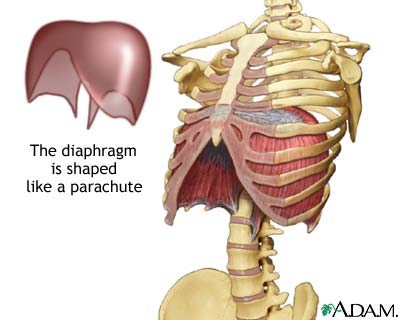
What is function of the dome-shaped diaphragm muscle?
This is where gas exchange happens.
Air passes through the diaphragm on the way to the lungs.
It attaches to the lungs and contracts and relaxes to help in breathing.
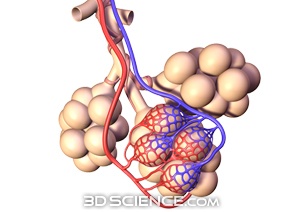
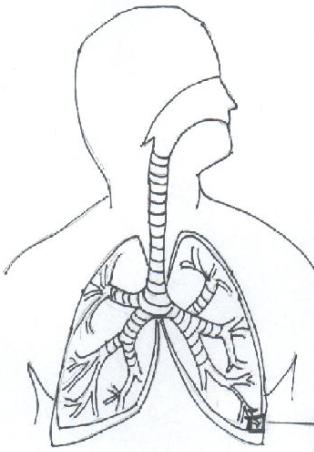
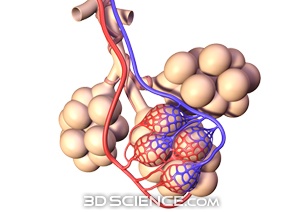
When we breath in the diaphragm...
Contracts
Relaxes
graphic picture of the heart's electrical activity
Electrocardiogram
Electrocardiograph
Electrolyte
Electrode
ECG pattern that shows atrial contraction originating at the SA node
T wave
U wave
P wave
PR segment
ECG pattern that shows when the impulse moves through the ventricles and reaches the Purkinje fibers, depicting contraction of both ventricles
QRS complex
QT interval
segment
Standardization

outer section of structure
medulla
cortex
renal pelvis
nephron

center section of the kidney
medulla
cortex
renal pelvis
nephron

innermost section and filters blood and urine
medulla
cortex
renal pelvis
nephron
job of filtering, reabsorbing, absorbing
medulla
cortex
renal pelvis
nephron
Urine leaves the Kidney via the _____________ to be stored
URETERS
BLADDER
URETHRA
Where urine is stored
URETERS
BLADDER
URETHRA
Urine is excreted from the body via the ___________
URETERS
BLADDER
URETHRA
the last part of the nephron
Proximal Convoluted Tubule
Loop of Henle
Distal Conboluted Tubule
Collecting Ducts
In homeostasis, the kidney regulates the _______
levels of electrolytes
amount of water in the body
pH
all of the above
Choose the CORRECT order for Nephrons
Proximal convoluted tubule - Collecting duct - Distal convoluted tubule - Loop of Henle
Distal convoluted tubule - Loop of Henle - Proximal convoluted tubule - Collecting duct
Proximal convoluted tubule - Loop of Henle - Distal convoluted tubule - Collecting duct
Collecting duct - Proximal convoluted tubule - Loop of Henle - Distal convoluted tubule
ADH
Inhibits the absorption of water in the proximal convoluted tubule
Inhibits the absorption of water in the distal convoluted tubule
Increases the absorption of water in the proximal convoluted tubule
Increases the absorption of water in the distal convoluted tubule
ADH is created in the:
Hypothalamus
Posterior Pituitary Gland
Brain
Kidney
ADH is released from the pituitary gland into the:
Circulatory system
Endocrine system
Nervous system
All of the above
When ADH is secreted, urine will:
Be more dilute
Be more concentrated
Have a larger volume
All of the above
When you drink a larger volume of water than is required by your body tissues:
ADH secretion will be increased
ADH secretion will be inhibited
ADH secretion will not be affected
None of the above
Cells that detect high blood concentration are called:
Chemoreceptors
Osmoreceptors
Thermoreceptors
Nociceptors

