
 Worksheets
Respiratory System
Total questions: 63
Worksheet time: 35mins
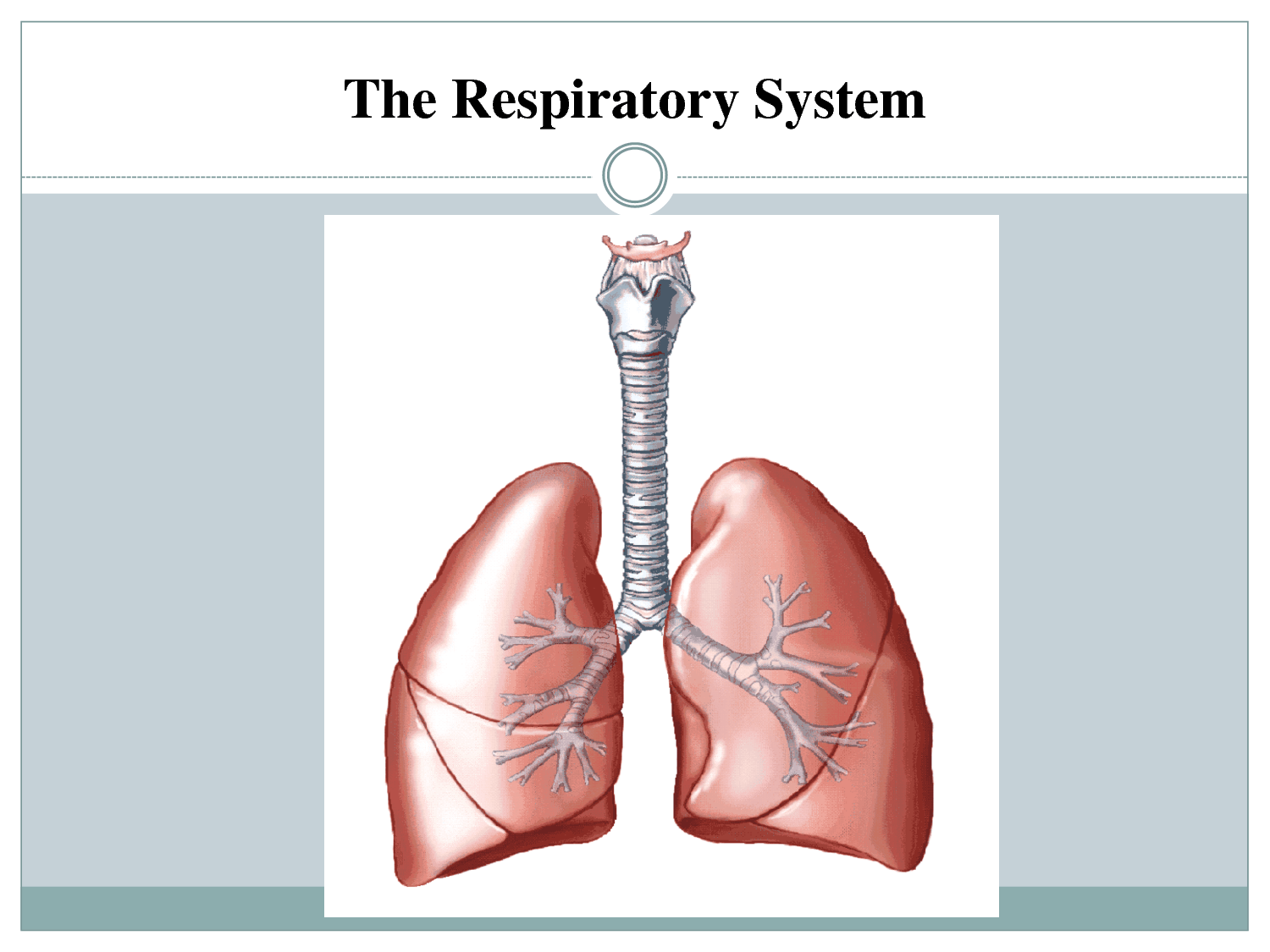
What is the main function of the respiratory system?
to provide oxygen and remove carbon dioxide from the body
o break down food and absorb nutrients
to remove oxygen from the body and deliver carbon dioxide
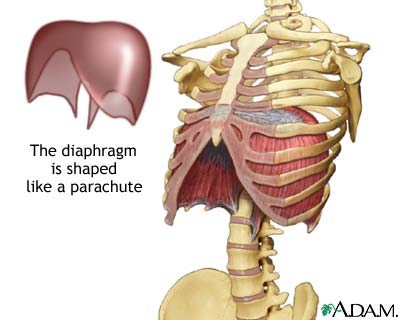
What is function of the dome-shaped diaphragm muscle?
This is where gas exchange happens.
Air passes through the diaphragm on the way to the lungs.
It attaches to the lungs and contracts and relaxes to help in breathing.
a condition where the alveoli is infected
cystic fibrosis
pneumonia
asthma
emphysema
Hair in your nose and mucus help to trap dust, bacteria, and other materials from going into your lungs when you breathe in.
True
False
At the end of broncioles are thin walled sacs called what?
trachea
bronchi
alveoli
pneumonia
The walls of the alveoli and capillaries are permeable. What does this mean?
Substances can pass through them.
They are made of muscle.
They are located throughout the body.
They are made of bone.
What happens when your diaphragm relaxes and moves upward?
Your lungs deflate and you breathe out.
Your lungs inflate and you breathe in.
Your alveoli transfer oxygen to your bloodstream.
Your bloodstream transfers carbon dioxide to your alveoli.
Which structures filter and moisten air as it passes through the human respiratory system?
cilia and mucous membranes
alveoli and cartilage rings
diaphragm and bronchioles
epiglottis and bronchi
Which respiratory structure is supported by rings of cartilage?
trachea
alveolus
bronchiole
pharynx
Which sequence correctly indicates the branching pattern of the human respiratory system?
trachea -> bronchi -> bronchioles -> alveoli
trachea -> bronchioles -> bronchi -> alveoli
alveoli -> trachea -> bronchioles -> bronchi
alveoli -> bronchioles -> trachea -> bronchi
In humans, which structure prevents food from entering the trachea?
epiglottis
alveolus
mucous membrane
cartilage ring
What is the thing that divides the nose into left and right sections?
septum
conchae
palate
sinus
What does NOT qualify as respiration?
gas exchange
ventilation
nutrient distribution
oxygen and carbon dioxide replacement
Which is NOT a paranasal sinus?
maxillary
frontal
temporal
ethmoid
sphenoid
Where do tears drain into the nose?
paranasal sinuses
eustachian tubes
internal nares
nasolacrimal ducts

Which letter indicates the largest cartilage of the larynx? What is it's name?
A; cricoid
B; cricoid
D; thyroid
A; thyroid
A; epiglottis
Which structures have cartilage?
epiglottis
larynx
trachea
bronchioles
pharynx
Normally, *this* lung measurement is largest:
expiratory reserve volume
tidal volume
inspiratory reserve volume
residual volume

What are the three divisions of the pharynx?
nasopharynx
oropharynx
laryngopharynx
epipharynx
trachopharynx
Which division of the pharynx is most inferior?
nasopharynx
oropharynx
laryngopharynx
hypopharynx
Which has the greatest diameter?
alveoli
bronchioles
secondary bronchi
tertiary bronchi
Which statements are FALSE?
Diaphragm relaxes = cavity volume increases
Diaphragm contracts = cavity volume increases
Alveolus pressure is < atmospere during inspiration
Alveolus pressure is > atmosphere during expiration
Vital Capacity =
TV+IRV+ERV+RV
TV+IRV+ERV
TV+ERV
TLC
Which is TRUE?
Young adults have greater vital capacity than elderly
Short people have larger vital capacity than tall
Obese people have larger vital capacity than thin
Females have larger vital capacity than males
Which does NOT affect gas exchange?
cell thickness
total surface area
partial pressure of gases
substances present in mucous
blood pressure
Oxygen binds to hemoglobin... now called?
bicarbonate ions
activated hemoglobin
oxyhemoglobin
hemoxygen
CO2 in blood causes
decreasing pH
increasing pH
loss of nutrients
extra hemoglobin production
1. larynx
2. nasal cavity
3. pharynx
4. trachea
Which of the following is the correct order that air would flow during inhalation.
Breathing rate is controlled by
pons and medulla
cerebellum
cerebrum
pacemaker and midbrain
Boyle's law:
Volume is directly proportional to pressure
Volume is inversely proportional to pressure
Volume is indirectly proportional to pressure
Volume has no effect on pressure
What causes inspiration?
volume increase and pressure decrease
volume decrease and pressure increase
volume decrease and pressure increase
volume increase and pressure increase
Vocal cord tension affects
voice volume
voice pitch
swallowing
epiglottal movement
COPD is most often caused by smoking. It combines what?
Chronic bronchitis and emphysema
Emphysema and cancer
Bronchitis and pneumonia
asthma and emphysema
What is hyperventilation?
too rapid, deep breathing
too rapid, shallow breathing
temporary stoppage of breathing
long, slow breathing
Air left after maximum expiration:
inspiratory reserve
expiratory reserve
tidal volume
residual volume
Smokers get __________ respiratory infections.
fewer
more
Oxygen transport...
decreases with increasing temperature
requires CO2 to make oxyhemoglobin
increases with low blood pH
is irreversable in hemoglobin
Mostly, CO2 in blood is moved as
part of a blood protein
combination with oxygen atoms
dissolved gas
bicarbonate ions
Other than the shape of the larynx, what helps create an individual voice?
spongy bone
foramina
sinuses
nasal cavity
Main tissue type of bronchioles
smooth muscle
epithelium
cartilage
mucous
Air between the pleura:
pleurisy
pneumothorax
emphysema
pneumonia
In the lower respiratory tract:
larynx
nose
trachea
pharynx
Which does not have a covering membrane?
alveoli
pleura
trachea
bronchi
External means
inside
outside
lining
opening
What prevents overinflation of lungs?
stretch receptors
bones
intestines
external air pressure
Apnea is
too rapid, deep breathing
stopped/ paused breathing
slow, regular breathing
What is a fancy name for inflammation of the nose (stuffy nose)?
sinusitis
laryngitis
tonsilitis
rhinitis
Which area does NOT have tonsils?
larynx
sublingual
pharyngeal
palate

