wayground logo

Free Printable Worksheets

Font size

S
M
L
XL
Worksheets

Mid-Term Review

Total questions: 133

Worksheet time: 3hrs 38mins

Name
Class
Date
1.

Stored energy

a)

radiant

b)

chemical

c)

potential

d)

kinetic

e)

sound

2.

wires

a)

Thermal

b)

Electrical

c)

Sound

d)

Kinetic

e)

Potential

3.

Food

a)

radiant

b)

chemical

c)

potential

d)

kinetic

e)

sound

4.

Energy of motion

a)

radiant

b)

chemical

c)

potential

d)

kinetic

e)

sound

5.

Fuel

a)

radiant

b)

chemical

c)

potential

d)

kinetic

e)

sound

6.

heat

a)

thermal

b)

electrical

c)

sound

d)

kinetic

e)

potential

7.

Batteries

a)

radiant

b)

chemical

c)

potential

d)

kinetic

e)

sound

8.

Stretching an object

a)

radiant

b)

chemical

c)

potential

d)

kinetic

e)

sound

9.

Energy from the sun

a)

radiant

b)

chemical

c)

potential

d)

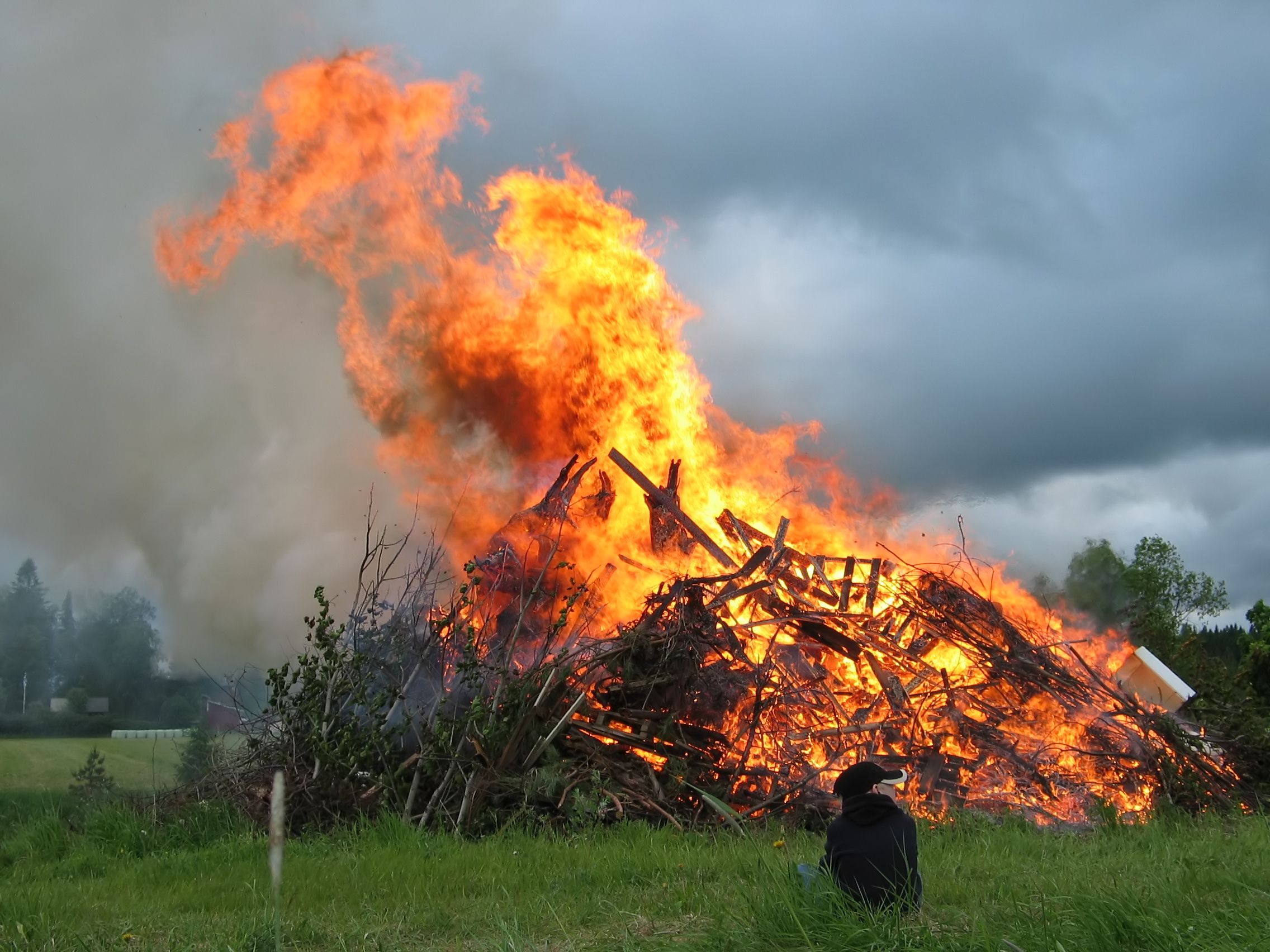
kinetic

e)

sound

10.

travels in waves

a)

potential

b)

electrical

c)

sound

d)

kinetic

11.

Which graph has the X axis and Y axis labeled correctly?

a)

A

b)

B

c)

It depends on the data, either could be correct.

d)

Neither are correct.

12.

The x-axis represents the

a)

independent (manipulated) variable.

b)

dependent (responding) variable.

c)

control group.

d)

controlled/constant variable(s).

13.

The y-axis represents the

a)

independent (manipulated) variable.

b)

dependent (responding) variable.

c)

control group.

d)

controlled/constant variable(s).

14.

Which Bahama island has the largest % of the largest islands' area?

a)

Abacao

b)

Andros

c)

Grand Bahama

d)

Great Inagua

15.

Which best decribes the line graph data of Chickcharney sightings?

a)

The population has steadily declined over the last 300 years.

b)

Since 1600, the population of Chickcharney has declined.

c)

The population of Chickcharney in 2000 was 0.

d)

Data of the Chickcharney was collected for 2000 years.

16.

How much money per capital does The Bahamas have?

a)

$20,000

b)

More than $20,000

c)

Less than $20,000

17.

What graph should you use when you're comparing parts of a whole?

a)

line

b)

bar

c)

circle/pie

18.

Which kind of graph would you use to show how the price of bread has changed over time?

a)

line

b)

bar

c)

circle/pie

19.

Which kind of graph would you use to compare data?

a)

line

b)

bar

c)

circle/pie

20.
A series of steps used by scientists to solve a problem or answer a question. 
a)
scientific method
b)
recipe
c)
data collection
d)
metric system
21.
Which is NOT a step in the scientific method?
a)
Make observation
b)
Form a theory
c)
Collect data
d)
Form a hypothesis
22.
A testable explanation to a problem that has not yet been tested. 
a)
data
b)
theory
c)
hypothesis
d)
fact
23.
Testing a hypothesis often involves a(n):
a)
answer
b)
experiment
c)
problem
d)
safety check
24.
This variable in an experiment is the one being changed by the scientist. 
a)
dependent variable
b)
independent variable
c)
data
d)
control group
25.
The summary at the end of an experiment that explains the results. 
a)
conclusion
b)
procedures
c)
materials
d)
responding variable
26.
The name of the information that you get from your experiment (you organize it into charts and graphs).
a)
observations
conclusion
b)
data
c)
variables
d)
hypothesis
27.
An experiment is performed on plants to see how different liquids affect plant growth. Each plant in the experiment is given a different liquid; water, apple juice, or milk. Each plant has the same amount of soil, sunlight, and listens to the same music. In this investigation, the independent variable is ...
a)
The type of plant
b)
The amount of sunlight
c)
The type of music
d)
The type of liquid
28.
Dependent variable means
a)
the scientist controls what to test
b)
educated guess
c)
ask a question
d)
what is being measured
29.
If you increase the amount of spinach you eat, then you will increase the iron in your blood. 
What's the dependent variable?
a)
increase the amount of iron in your blood
b)
spinach you eat
30.
If I ride my bike to school instead of walking, then I will get to school faster. What is the dependent variable?
a)
True
b)
How fast you get to school
c)
Riding a bike or walking
d)
False
31.
Will a construction paper air plane fly faster than an airplane made from notebook paper? Choose the best hypothesis.
a)
If I make a paper airplane from notebook paper, then it will fly faster than construction paper.
b)
Yes.
c)
No.
d)
I think the construction paper air plane will fly faster.
32.

Where is the element's atomic NUMBER located?

a)

the top

b)

the bottom

c)

the top + the bottom

d)

the number of protons + the number of neutrons

33.

Where is the element's atomic MASS located?

a)

at the top

b)

at the bottom

c)

the top number + the bottom number

d)

the number of protons + the number of neutrons

34.

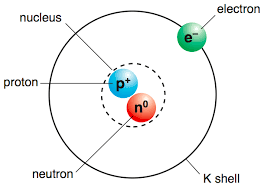
What are the 3 subatomic particles of an atom?

a)

carbon atom, proton, electron

b)

quarks, neutrons, protons

c)

nucleus, protons, electrons

d)

protons, neutrons, electrons

35.

Generally, the number of neutrons ____ the number of protons in an atom.

a)

=

b)

<

c)

>

36.

Which subatomic particle has a negative charge?

a)

proton

b)

neutron

c)

electron

37.

Which subatomic particle has a positive charge?

a)

proton

b)

neutron

c)

electron

38.

Which subatomic particle has a neutral or no charge?

a)

proton

b)

neutron

c)

electron

39.
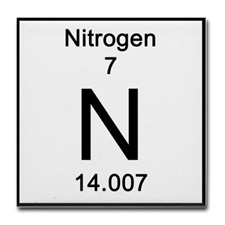
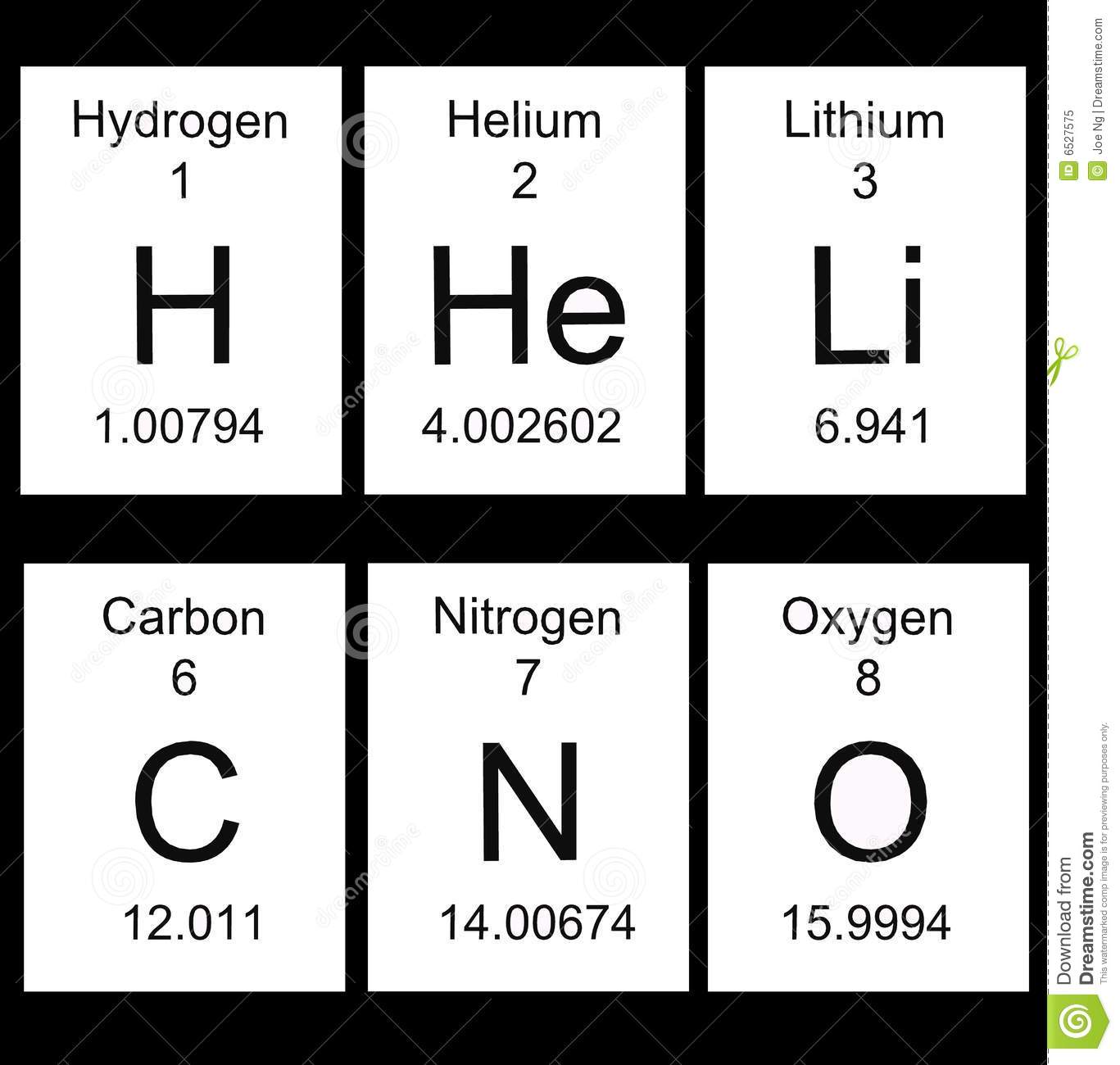
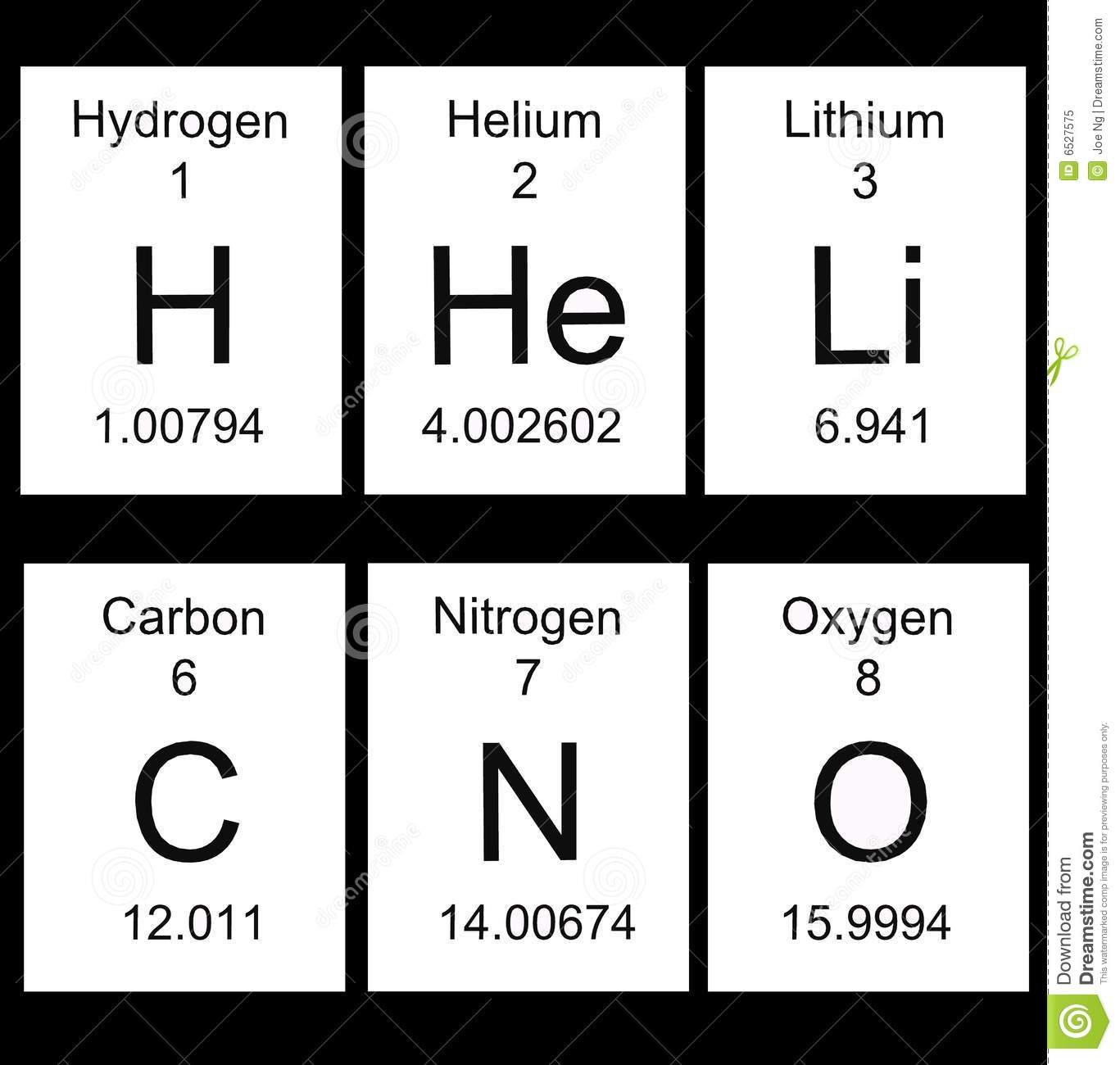
What is the number of protons that the element in this image contain?
a)
14
b)
7
c)
15
d)
18
40.
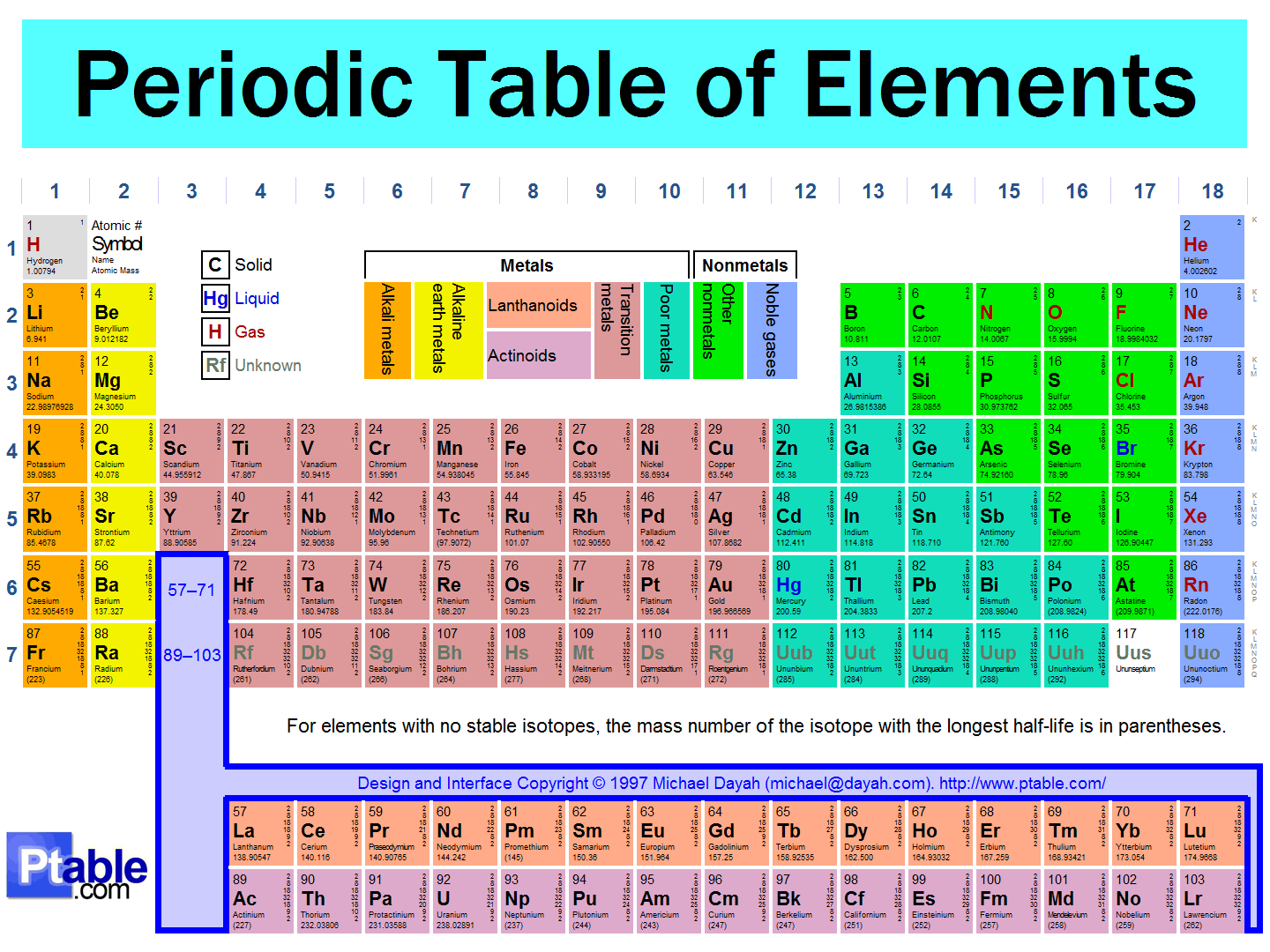
What is the atomic mass of "F"
a)
9
b)
18
c)
17
d)
19
41.
all matter is made of what 
a)
energy 
b)
atoms 
c)
electrons 
d)
compounds 
42.
an atom with atomic number 6 would have how many protons 
a)
6
b)
12
c)
3
d)
cannot be determined 
43.
The atomic number of an elements is the total number of which particles in the nucleus?
a)
neutrons
b)
protons
c)
electrons
d)
protons and electrons
44.
a)
2
b)
8
c)
3
d)
13
45.
a)
2
b)
6
c)
10
d)
16
46.
What subatomic particle(s) would be found orbiting the nucleus?
a)
Neutrons only
b)
Electrons only
c)
Protons and Neutrons
d)
Protons and Electrons
47.

Which subatomic particles contribute the most to the mass of an atom?

a)

Protons and Neutrons

b)

Protons only

c)

Electrons only

48.

Which subatomic particles contribute the least to the mass of an atom?

a)

Neutrons

b)

Protons

c)

Electrons

49.

Valence electrons are the number of

a)

protons in the atom

b)

electrons in the atom

c)

protons + neutrons in the nucleus

d)

electrons in the outside shell of the atom

50.

At what temperature would water on a stove gain enough energy to change to vapor?

a)

32 degrees Celsius

b)

0 degrees Celsius

c)

100 degrees Celsius

d)

212 degrees Celsius

51.

Evaporation

a)

The temperature at which a substance changes from a liquid to a solid

b)

The classification of matter as a solid, a liquid, or a gas

c)

Physical change in matter from a liquid to a gas

d)

The temperature at which a substance changes states from a solid to a liquid

52.

At what temperature in degrees Celsius does water freeze?

a)

150

b)

0

c)

200

d)

32

53.

Physical state

a)

Physical change in matter from a gas to a liquid

b)

The classification of matter as a solid, a liquid, or a gas

c)

Physical change in matter from a liquid to a gas

d)

The temperature at which a substance changes from a liquid to a solid

54.

Freezing point

a)

The classification of matter as a solid, a liquid, or a gas

b)

Physical change in matter from a gas to a liquid

c)

The temperature at which a substance changes states from a solid to a liquid

d)

The temperature at which a substance changes from a liquid to a solid

55.

Freezing point

a)

The classification of matter as a solid, a liquid, or a gas

b)

Physical change in matter from a gas to a liquid

c)

The temperature at which a substance changes states from a solid to a liquid

d)

The temperature at which a substance changes from a liquid to a solid

56.

What scientific tool can be a student use to measure the freezing point of water?

a)

Stopwatch

b)

Celsius thermometer

c)

Pan balance

d)

Hot plate

57.

Physical change in matter from a gas to a liquid

a)

Condensation

b)

Freezing point

c)

Melting point

d)

Evaporation

58.

A student observed a liquid that boiled at 100°C. What type of liquid was boiling?

a)

Salt water

b)

Sugar water

c)

Pure water

d)

Lemon water

59.

A student is trying to determine if a clear substance is water. The student should measure the substance's -

a)

Volume

b)

Solubility

c)

Mass

d)

Boiling Point

60.

The temperature at which a substance changes states from a solid to a liquid

a)

Freezing point

b)

Melting point

c)

Evaporation

d)

Condensation

61.

Two students were studying properties of water. One student placed 100 mL of water into a beaker on a burner to boil. Another student placed 200 mL of water in an identical beaker on another burner to boil. Which of the following will be the same for both beakers of water?

a)

The volume of the boiling water

b)

The time it takes the water to boil

c)

The mass of the boiling water

d)

The temperature at which the water boils

62.

If water is left to boil, what statement is not true?

a)

All the water will eventually evaporate.

b)

The temperature of the water will eventually reach 200°C.

c)

The temperature of the water will remain at 100°C until it evaporates.

d)

The beaker with only 100 mL of water will boil away faster than the beaker with 200 mL of water.
63.
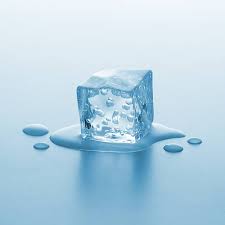
When a substance melts, the kinetic energy _____________.
a)
decreases
b)
stays the same
c)
increases
d)
decreases then increases
64.
When molecules flow around each other, they are in this phase
a)
solid
b)
liquid
c)
gas
d)
plasma
65.
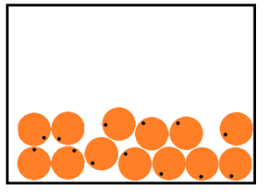
The molecules in this picture are in what phase?
a)
solid
b)
liquid
c)
gas
d)
plasma
66.
If this substance had kinetic energy ADDED, it would be in what phase?
a)
solid
b)
liquid
c)
gas
d)
plasma
67.
Sam had a solid and added energy to it. What did the molecules look like?
a)
The molecules moved in place.
b)
The molecules moved away from each other.
c)
The molecules didn't move.
d)
The molecules moved around each other.
68.
What is the energy that an object has because it is moving?
a)
kinetic
b)
potential
c)
electric
d)
wind
69.
What takes place when a liquid changes to a gas?
a)
condensation
b)
melting
c)
evaporation
d)
freezing
70.
What is a group of atoms joined together called?
a)
an atom
b)
molecule
c)
matter
d)
compound
71.
What takes place when a solid changes to a liquid?
a)
condensation
b)
melting
c)
evaporation
d)
freezing
72.
What is the average kinetic energy of a substance called?
a)
volume
b)
temperature
c)
pressure
d)
movement
73.
To provide evidence that goes against a claim is called
a)
support
b)
choose
c)
agree with
d)
refute
74.
What takes place when a liquid changes to a solid?
a)
condensation
b)
melting
c)
evaporation
d)
freezing
75.
What takes place when a gas changes to a liquid?
a)
melting
b)
freezing
c)
evaporation
d)
condensation
76.
What takes place when a solid changes to a liquid?
a)
condensation
b)
freezing
c)
melting
d)
evaporation
77.
If you have a liquid that changes to a gas, explain it's freedom of movement in both phases.
a)
molecules move away from each other, then around each other
b)
molecules move in place, then around each other
c)
molecules move around each other, then away from each other
d)
molecules move around each other, then in place
78.
If molecules in a substance move in place and energy is transferred into the substance
a)
then molecules move slower, and it will be a solid
b)
then molecules will move faster, and it will be a liquid
c)
then molecules will move faster, and it will be a solid
d)
then molecules will move slower, and it will be a liquid
79.
Before: molecules move around each other, After: molecules move in place
a)
Before, the substance was a solid and later a liquid.
b)
Before,the substance was a gas, and later a liquid.
c)
Before, the substance was a liquid and later a solid.
d)
Before,the substance was a liquid, and later a gas.
80.
If energy is taken out of the substance, and the substance changed into a liquid,
a)
the substance started as a solid
b)
the substance started as a liquid
c)
the substance stayed the same
d)
the substance started as a gas
81.
Are there molecules moving in a solid brick?
a)
yes
b)
no
c)
maybe
d)
not sure
82.
What happens to molecules when kinetic energy increases?
a)
they move slower
b)
they move faster
c)
they get heavier
d)
it depends on the types of molecules
83.
When molecules move slower, kinetic energy
a)
increases
b)
stays the same
c)
decreases
d)
none of these
84.
True or False:  The density of a specific type of material never changes.  
a)
True
b)
False
85.
Why does ice float?
a)
Liquid water is less dense than solid water.
b)
Solid water is less dense than liquid water.
c)
Gaseous water is less dense than solid water.
d)
Liquid water is less dense than gaseous water.
86.
In general what is the most dense form of matter?
a)
solid
b)
liquid
c)
gas
d)
plasmas
87.
What is the formula for density?
a)
density = mass x volume
b)
density = mass / volume
c)
density = mass + volume
d)
density = mass - volume
88.
Jack has a rock. The rock has a mass of 14 g and a volume of 2 cm3. What is the density of the rock?
a)
7 mL
b)
7 g/cm3
c)
28 g/cm3
d)
1/7 g/cm3
89.
Calculate the density of the cube.
a)
3 g/cm3
b)
4 g/cm3
c)
2 g/cm3
d)
5 g/cm3
90.
If this substance takes up 6 ml of space, what is its mass?
a)
 6 ml
b)
6 grams
c)
0 grams
d)
4 grams 
91.
Which substance is the MOST dense?  ** Use the key
a)
A
b)
B
c)
C
d)
Cannot be determined by the data provided.
92.
How did Mendeleev arrange the elements?
a)
alphabetical 
b)
density
c)
melting point
d)
atomic mass
93.
The horizontal row on the periodic table is called a
a)
group
b)
family
c)
period
d)
atomic number
94.
Dimitri found that there was a pattern of properties that repeated every ____ elements.
a)
2
b)
4
c)
5
d)
7
95.
A vertical column is called...
a)
group
b)
tower
c)
period
d)
crew
96.
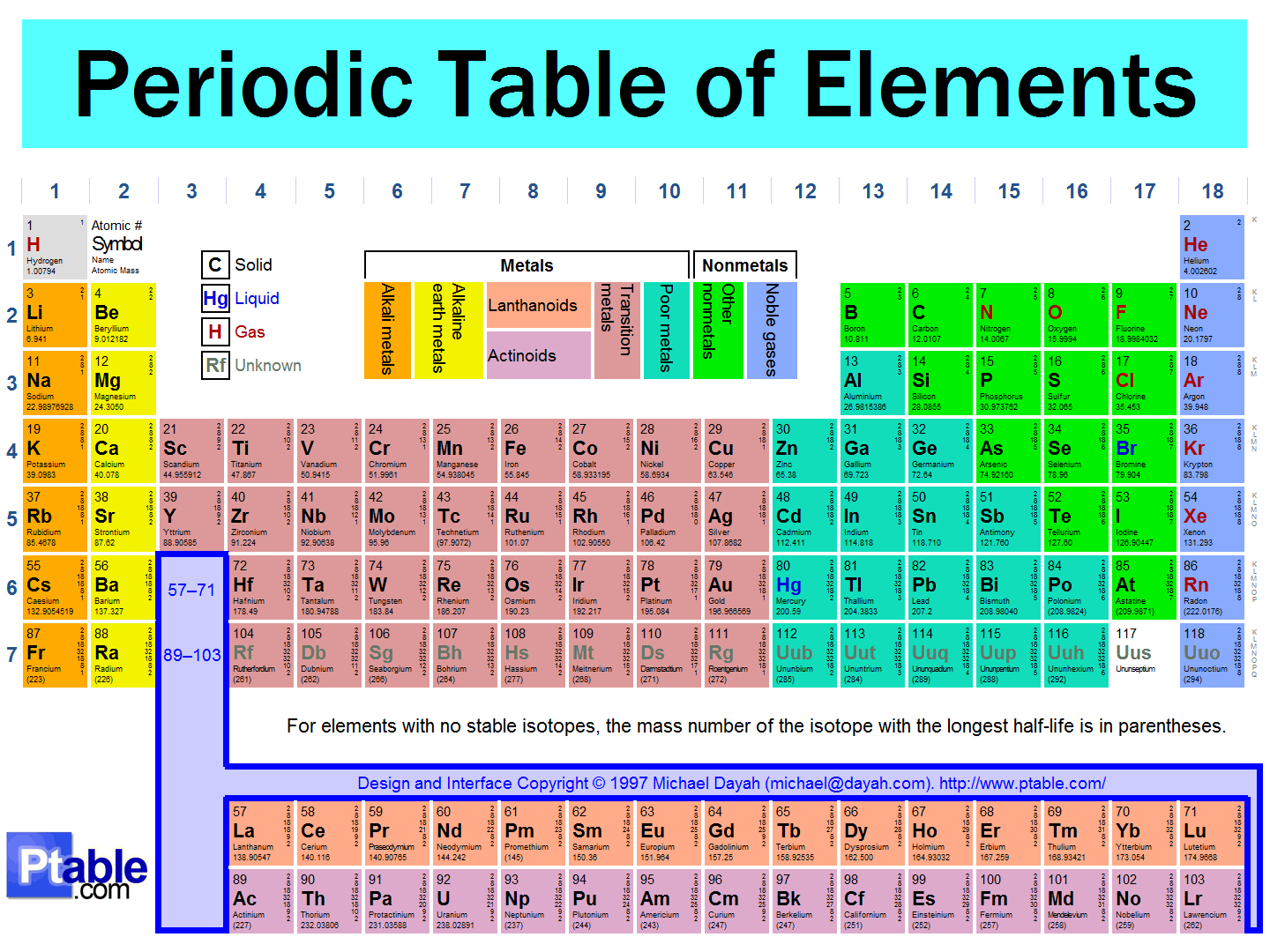
Which of the following is the most metallic element in period 3?
a)
Boron (B)
b)
Sodium (Na)
c)
Argon (Ar)
d)
Silicon (Si)
97.
Which of these element is the least metallic?
a)
Potassium (K)
b)
Carbon (C)
c)
Sulfur (S)
d)
Neon (Ne)
98.
The number at the bottom of each square on the periodic table is the ...
a)
atomic number
b)
atomic mass
c)
chemical symbol
d)
element name
99.
The number at the top of each square on the periodic table is the ...
a)
atomic number
b)
atomic mass
c)
Chemical Symbol
d)
Element Name
100.
Pure forms of these elements are stored in oil so they won't react with oxygen and water in the air.
a)
Alkali Metals
b)
Alkaline-earth metals
c)
Halogens
d)
Noble Gases
101.
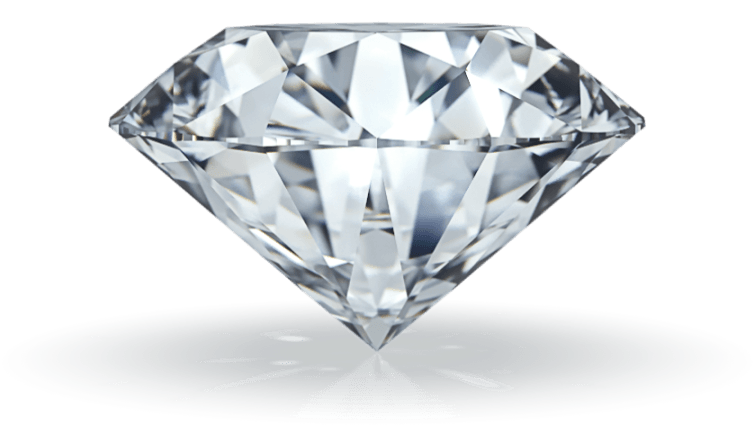
Diamonds are a pure form of what element?
a)
Carbon
b)
Oxygen
c)
Silicon
d)
Silver
102.
Most of the elements on the periodic table are classified as _____.
a)
Metals
b)
Nonmetals
c)
Metalloids
d)
Periods
103.
This class of elements are sometimes called "semiconductors."
a)
Metals
b)
Nonmetals
c)
Metalloids
d)
Groups
104.
Can you create energy?
a)
Yes
b)
No
105.
Can you destroy energy?
a)
Yes
b)
No
106.
What is produced during ALL energy transformations?
a)
Sound Energy
b)
Mechanical Energy
c)
Thermal Energy
d)
Chemical Energy
107.

Which choice below is most like a pendulum, for demonstrating Potential and Kinetic Energy?

a)

Roller Coaster

b)

Kicking a Soccer Ball

c)

A Water Slide

d)

A Swing Set

108.
Water high in the air falls due to gravity, the moving water spins turbines, and they create/store electricity...
Pick the BEST Energy Conversion below for a Hydroelectric Dam.
a)
Mechanical to Electrical
b)
Electrical to Mechanical to Thermal
c)
Potential to Kinetic to Electrical
d)
Kinetic to Mechanical to Electrical
109.
Making a Fruit Smoothie is YUMMY!
Plug a Blender into the wall outlet, and you're ready to go. 
Which choice below BEST shows the energy transformation of making a smoothie?
a)
Electrical to Kinetic
b)
Electrical to Chemical
c)
Mechanical to Sound
d)
Kinetic to Thermal
110.
If you drop a basketball, it will bounce, and then roll, and finally stop.
Why won't a basketball bounce forever?
a)
The ball weighs too much, and that makes it stop.
b)
Gravity pulls the ball down more than the ball can bounce.
c)
It's Potential Energy gets destroyed as it bounces.
d)
It's energy is transformed into other types of energy.
111.

A Steam Locomotive uses wood or coal, to create steam from water. This steam moves pistons, and thus, the train. Choose the best energy transformation below for a steam locomotive.

a)

Thermal --> Mechanical --> Chemical (plus heat)

b)

Chemical --> Thermal --> Mechanical (plus heat)

c)

Mechanical --> Chemical --> Thermal (plus heat)

d)

Electrical -> Chemical --> Thermal (plus heat)

112.

Which location will a pendulum have the most kinetic energy?

a)

the left side

b)

the right side

c)

The center/middle

d)

either the right or left side

113.

You have to work to keep a yo-yo going up and down, and up and down. Why does it stop?

a)

Gravity is too strong and yo-yo is too light.

b)

Yo-yo's are too heavy for the string.

c)

Sound and heat are produced, which use up energy.

d)

Friction energy cancels out the potential energy.

114.

Turning on a light is most like which energy transformation below?

a)

Chemical to Electrical to Thermal to Light

b)

Chemical to Electrical to Light (plus thermal)

c)

Mechanical to Electrical to Light (plus thermal)

d)

Electrical to Chemical to light (plus thermal)

115.

As hard as you push on a skateboard, you'll eventually come to a stop. This is because...

a)

...you're weak sauce.

b)

...you can't overcome gravity.

c)

...your push turns into kinetic energy, sound, and heat.

d)

...your kinetic energy turns into potential energy.

116.

Can this alien destroy energy with his awesome laser?

a)

Nice Alien, and yes, he can.

b)

Maybe, if his laser is awesome enough!

c)

No, it's like, impossible, and stuff.

d)

With a lot of ice, he could destroy heat.
117.
Which of the following tells you that a chemical change may have occurred?
a)
Change Shape
b)
Melting
c)
Vaporizing
d)
Change in color
118.
What happens in ALL chemical changes?
a)
Change in state of matter
b)
A new substance is formed
c)
Bubbles are produced
d)
An explosion
119.
Is wood burning a physical or chemical change?
a)
Physical 
b)
Chemical
120.
Is milk going sour a physical or chemical change?
a)
Physical 
b)
Chemical
121.
Is Gatorade powder dissolving in water physical or chemical change?
a)
Physical 
b)
Chemical
122.
Is mold growing on cheese a physical or chemical change?
a)
Physical 
b)
Chemical
123.
Is making orange juice a physical or chemical change?
a)
Physical 
b)
Chemical
124.
Is sharpening a pencil a physical or chemical change?
a)
Physical 
b)
Chemical
125.
Is copper tarnishing a physical or chemical change?
a)
Physical 
b)
Chemical
126.
Is the formation of the grand canyon a physical or chemical change?
a)
Physical 
b)
Chemical
127.
Which of the following is a reactant
a)
CH4
b)
H2O
c)
CO2
d)
2H2O
128.
In an exothermic reaction, energy is _________.
a)
Released
b)
Absorbed
c)
Stored
d)
Doubled
129.
During Photosynthesis energy is absorbed. What kind of reaction is it?
a)
Physical
b)
Exothermic
c)
Endothermic
d)
Photothermic
130.
The Law of Conservation of Mass tells us matter can't  ______________.
a)
change color
b)
change state of matter
c)
be created or destroyed
d)
change temperature
131.

Which of the following is not a clue that a chemical reaction has taken place?

a)

Changing size

b)

Changing color

c)

A gas being formed

d)

Formation of a precipitate

132.
Which of the following IS a clue that a chemical change has occurred? 
a)
State of matter change
b)
Size Change
c)
Change in temperature
d)
Shape change
133.
In a chemical reaction, how do the reactants compare to the products?
a)
They are the same
b)
They are different