wayground logo

Free Printable Worksheets

Font size

S
M
L
XL
Worksheets

2nd Semester

Total questions: 176

Worksheet time: 6hrs 52mins
Name
Class
Date
1.
The thinnest layer of the Earth is the ___________.
a)
mantle
b)
crust
c)
core
2.
Tectonic plates are made up of continental crust and ________ crust.
a)
continental
b)
oceanic
c)
plates
d)
mantle
3.
There are how many different types of crust?
a)
1
b)
2
c)
5
d)
3
4.
What is the thickest layer of the Earth?
a)
the crust
b)
the mantle
c)
the outer core
d)
the inner core
5.
What is the core made of?
a)
steel
b)
iron 
c)
aluminum
d)
iron and nickel
6.
What describes the outer core?
a)
solid
b)
liquid
c)
viscous
d)
gas
7.
Why is the inner core solid?
a)
its unknown
b)
what it's made of
c)
the pressure
d)
it is colder than the outer core
8.
Which layer of the Earth is the only liquid layer?
a)
Outer Core
b)
Inner Core
c)
Mantle
d)
Lithosphere
9.
Which layer(s) of the Earth make up the asthenosphere?
a)
Part of the mantle
b)
Crust, mantle, Core
c)
Crust and upper mantle
d)
Only the crust
10.
What is the correct order (starting from the surface) of Earth's layers?
a)
crust, outer core, inner core, mantle
b)
mantle, outer core, inner core, crust
c)
crust, mantle, outer core, inner core
d)
outer core, inner core, crust, mantle
11.
What happens to pressure as we move from the crust to the inner core?
a)
Pressure Decreases
b)
Pressure Increases
c)
Nothing
12.
What happens to temperature as we move from the crust to the inner core?
a)
Decreases
b)
Increases
c)
Nothing
13.
Less dense materials rise to the top.
a)
True
b)
False
14.
Which layer of Earth has the GREATEST density?
a)
crust
b)
mantle
c)
outer core
d)
inner core
15.
Which layer of Earth is made up of tectonic plates?
a)
outer core
b)
inner core
c)
asthenosphere
d)
lithosphere
16.
The central or inner most part of the earth, made of 2 layers.  
a)
Mantle 
b)
Crust
c)
Core
17.
Outer most layer of the earth.
a)
Core
b)
Mantle 
c)
Crust
18.
Includes the crust and upper mantle that is divided into several constant moving plates of solid rock that floats on the layer below it. 
a)
Asthenosphere 
b)
Mesosphere
c)
Lithosphere 
d)
Crust
19.

Which layer is made of "flowing" solid rock (think clay or pudding)?

a)

crust

b)

mantle

c)

outer core

d)

inner core

20.
The layer that lies beneath the mantle and surrounds the inner core. 
a)
mantle
b)
outer core
c)
inner core
d)
crust
21.

Which layer of the Earth is the THINNEST?

a)

crust

b)

mantle

c)

outer core

d)

inner core

22.

Which layer of the Earth is the THICKEST?

a)

crust

b)

mantle

c)

outer core

d)

inner core

23.

Which layer is the hottest?

a)

crust

b)

mantle

c)

outer core

d)

inner core

24.

Which layer is the coolest?

a)

crust

b)

mantle

c)

outer core

d)

inner core

25.

What are the puzzle pieces of the Earth's surface called?

a)

Tectonic plates

b)

Puzzles

c)

Earthquakes

d)

Continents

26.
What is the outermost layer of the Earth called?
a)
Core
b)
Mantle
c)
Crust
27.
The area around the Pacific Ocean where lots of earthquakes and volcanoes happen is called the ____________.
a)
Ring of Earth
b)
Ring of Fire
c)
Ring of Stone
d)
Ring of Diamond
28.

This famous fault in California has a lot of earthquakes!

a)

San Diego Fault

b)

Denali Fault

c)

San Andreas Fault

d)

Los Angeles Fault

29.
What type of boundary occurs when two plates move away from each other?
a)
transform
b)
subduction
c)
convergent
d)
divergent
30.
What forms at a divergent boundary between two oceanic plates?
a)
rift valley
b)
mountain
c)
mid-ocean ridge
d)
trench
31.
Which type of crust is more dense?
a)
oceanic
b)
continental
c)
divergent
d)
pizza
32.
What type of boundary occurs when two plates move toward each other?
a)
convergent
b)
divergent
c)
transform
d)
lateral
33.
What forms at a convergent boundary between a continental plate and an oceanic plate?
a)
volcanoes
b)
rift valleys
c)
faults
d)
mid-ocean ridges
34.
A rift valley occurs at a ____________ boundary.
a)
divergent
b)
convergent
c)
transform
d)
horizontal
35.
What is the process in which hot molten rock rises, then cools and sinks back to the core?
a)
plate tectonics
b)
continental drift
c)
convection
d)
divergence
36.
A trench forms at a _________ boundary.
a)
convergent
b)
divergent
c)
transform
d)
vertical
37.
Mountains form at a ___________ boundary.
a)
transform
b)
divergent
c)
convergent
d)
subduction
38.
What type of boundary occurs when two plates slide past each other?
a)
divergent
b)
transform
c)
lateral
d)
convergent
39.
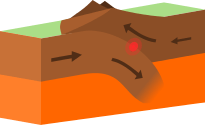
What type of plate boundary is this?
a)
Plate
b)
Divergent
c)
Convergent
d)
Transform
40.
What type of event will occur at this boundary?
a)
Earthquake
b)
Volcano Eruption
c)
Tornado
d)
Mountain Building
41.
Which of the following causes Earth's tectonic plates to move?
a)
Energy from the Sun
b)
Magnetic Pole Reversal
c)
Convection currents in the mantle
d)
Faults in Mountain Ranges
42.
The Great Rift Valley in Africa and the Mid-Ocean Ridge were all created by this boundary
a)
Divergent
b)
Convergent
c)
Reform
d)
Transform
43.
What was the name given to all the continents when they were joined as one super continent?
a)
Supreme Continent
b)
Eurasia
c)
Plate tectonics
d)
Pangea
44.
At a divergent boundary, tectonic plates move in what way? 
a)
Tectonic plates move towards each other
b)
Tectonic plates slide past each other
c)
Tectonic plates move up and down
d)
Tectonic plates move away from each other
45.

Which explains that the continents were once joined together and over time they broke up and then drifted apart?

a)

Plate Tectonic Theory

b)

Continental Drift

c)

Sea Floor Spreading

46.

Which of these explains that Earth's outer layer is broken into large slowly moving pieces?

a)

Plate Tectonic Theory

b)

Continental Drift

c)

Sea Floor Spreading

47.
New crust is created at this type of  boundary.
a)
Divergent
b)
Convergent, Subduction Zone
c)
Transform 
48.
Mountains are created at this type of  boundary.
a)
Divergent 
b)
Convergent
c)
Transform 
49.

What geographical feature forms when 2 continental plates collide?

a)

Mountain range

b)

Volcano

c)

Rift valley

d)

Trench

50.

When 2 continental plates collide, does it form a volcano?

a)

Yes

b)

No

c)

Sometimes

d)

¯\_(ツ)_/¯

51.

Other than the “puzzlelike” fit of the separated continents, what evidence was NOT used to support the theory of continental drift?

a)

Fossils

b)

Rocks

c)

Earthquakes

d)

Climate clues

52.

Crust is neither created nor destroyed at a transform boundary.

a)

True

b)

False

c)

¯\_(ツ)_/¯

53.

What did Alfred Wegener theorize?

a)

Plate Tectonics

b)

Continental Drift

c)

Sea Floor Spreading

d)

¯\_(ツ)_/¯

54.

Tsunamis are caused by _______________.

a)

Underwater volcanoes

b)

Underwater earthquakes

c)

Earthquakes

d)

Ocean currents

55.
An igneous rock containing large crystals is most likely a(n)
a)
Chemical Rock
b)
Foliated Rock
c)
Extrusive Rock
d)
Intrusive Rock
56.
You find a rock in which the grains are arranged in parallel bands of white and black crystals.  The rock is probably a(n)
a)
Igneous rock
b)
Sedimentary rock
c)
Metamorphic rock
d)
Extrusive rock
57.
As lava cools and crystallizes, what type of rock will form?
a)
Sedimentary
b)
Metamorphic
c)
Extrusive Igneous
d)
Intrusive Igneous
58.
The three groups of rocks are classified by
a)
How they form
b)
Color
c)
Grain size
d)
Chemical Composition
59.

Fossils are only found in

a)

Sedimentary rocks

b)

Metamorphic rocks

c)

Igneous Rocks

d)

Nonfoliated Metamorphic rocks

60.
This rock was another type of rock that was heated and compressed over time. What type of rock is this?
a)
Sedimentary
b)
Igneous
c)
Metamorphic
61.
This rock started as molten magma. What type of rock is this?
a)
Sedimentary
b)
Igneous
c)
Metamorphic
62.
This rock was formed by smaller pieces of rock that settled at the bottom of a lake millions of years ago. What type of rock is this?
a)
Sedimentary
b)
Igneous
c)
Metamorphic
63.
Cooling & crystalization produce
a)
igneous rocks
b)
metamorphic rocks
c)
sedimentary rocks
64.
The process when rocks break into smaller pieces due to exposure to natural elements is called
a)
erosion
b)
weathering
c)
sediments
65.
What are the 3 major types of rocks?
a)
Igneous, Metamorphic, Sedimentary
b)
Metamorphic, Igneous, Cementation
c)
magma, lava, crystals
66.
The process by which igneous rocks are formed...
a)
heat and pressure
b)
melting and cooling
c)
weathering and erosion
67.
The process by which metamorphic rocks are formed...
a)
heat and pressure
b)
erosion and deposition
c)
melting and cooling
68.
The name rock is given when it is broken down into smaller pieces.
a)
texture
b)
weathering
c)
sediment
d)
erosion
69.

Which type of rock is made from magma cooling inside Earth?

a)

extrusive igneous

b)

intrusive igneous

c)

non-foliated metamorphic

d)

sedimentary

70.
Which type of rock is heated and pressurised but does NOT melt?
a)
igneous
b)
hard rock
c)
metamorphic
d)
sedimentary
71.
Sediment goes through _________________ to become sedimentary rock.
a)
heat and pressure
b)
compacting and cementing
c)
weathering and erosion
d)
melting and cooling
72.
a rock that formed from layers of sediments
a)
metamorphic
b)
igneous
c)
sedimentary
d)
magma
73.
Lava which cools on Earth's surface forms an
a)
metamorphic rock
b)
intrusive igneous rock
c)
extrusive igneous rock
d)
foliated metamorphic rock
74.

what is the rock cycle.

a)

molten rock that is stored underground.

b)

rock material that forms where rocks are broken down into smaller pieces.

c)

a process that changes one type of rock into another type of rock.

75.
True/False: Igneous rocks can only turn into metamorphic rocks.
a)
True
b)
False
76.
The process in which dissolved minerals crystallize and glue sediment together.
a)
compaction
b)
deposition
c)
organic rock
d)
cementation
77.
When sediments are pressed together tightly, this is called ____________.
a)
Compaction
b)
Cementation
c)
Weathering
d)
Erosion
78.
This rock started as lava that cooled and then was heated and put under pressure over time. What type of rock is this?
a)
Sedimentar
b)
Igneous
c)
Metamorphic
79.
This rock is made from tiny pieces of other rocks that settled to the bottom of a valley millions of years ago. What type of rock is this?
a)
Sedimentary
b)
Igneous
c)
Metamorphic
80.
This rock was formed by lots of fossils that settled on top of each other over time. What type of rock is this?
a)
Sedimentary
b)
Igneous
c)
Metamorphic
81.

Describes the size, texture, and type of mineral found in rock.

a)

Fine Grain

b)

Rock Grain

c)

Mineral Grain

d)

Coarse Grain

82.

What is the breakdown of rock into sediment called?

a)

weathering

b)

erosion

c)

deposition

d)

exfoliation

83.

What is the movement of sediment from place to place called?

a)

weathering

b)

erosion

c)

deposition

d)

exfoliation

84.

What is the process of sediment finding a place to rest called?

a)

weathering

b)

erosion

c)

deposition

d)

exfoliation

85.

Flood water pounding against a canyon wall and wearing it down

a)

weathering

b)

erosion

c)

deposition

86.

Rain washing away soil from a hill side

a)

weathering

b)

erosion

c)

deposition

87.

Layers of sediment forming at the bottom of the ocean

a)

weathering

b)

erosion

c)

deposition

88.

A mudslide flowing down a steep hill

a)

weathering

b)

erosion

c)

deposition

89.

Glaciers dropping rock and sand to form terminal moraines

a)

weathering

b)

erosion

c)

deposition

90.

Waves dropping sand on the beach

a)

weathering

b)

erosion

c)

deposition

91.

Caves being formed by acid rain dissolving underground limestone

a)

physical weathering

b)

chemical weathering

c)

erosion

d)

deposition

92.

Deltas forming at the mouths of rivers

a)

physical weathering

b)

chemical weathering

c)

erosion

d)

deposition

93.

Wind blowing sand from one location to another

a)

physical weathering

b)

chemical weathering

c)

erosion

d)

deposition

94.

Water getting into cracks, freezing and breaking the rocks or pavement apart

a)

physical weathering

b)

chemical weathering

c)

erosion

d)

deposition

95.

This type of weathering in which rock is physically broken into smaller pieces.

a)

Chemical weathering

b)

Erosion

c)

Mechanical weathering

d)

Deposition

96.

What do we call the process in which rock is broken down by changes in its chemical makeup.

a)

Chemical weathering

b)

Mechanical weathering

c)

Erosion

d)

Deposition

97.

The grinding/scratching away of rock by other rock particles carried in water, ice, or wind

a)

Frost wedging

b)

Exfoliation

c)

Oxidation

d)

Abrasion

98.

Plants/animals digging under ground with roots or claws to break apart rocks.

a)

Frost wedging

b)

Abrasion

c)

Burrowing

d)

Exfoliation

99.

A type of chemical weathering in which a substance combines with oxygen, as when iron oxidizes, forming rust.

a)

Acid rain

b)

Oxidation

c)

Reaction to water

d)

Exfoliation

100.

Which type of sediment does wind erosion most strongly affect?

a)

Loose, sandy soil

b)

Wet rocks

c)

Wet, compacted soil

d)

Dry, compacted soil

101.
the process by which layers or sheets of rock gradually break off
a)
exfoliation
b)
abrasion
c)
erosion
d)
deposition
102.

Rocks and minerals can dissolve in acidic waters

a)

Hydrolysis

b)

Dissolution

c)

Oxidation

d)

Biological Weathering

103.

Caves form when slightly acidic groundwater dissolves limestone.

a)

Yes

b)

No

c)

Sometines

d)

Maybe

e)

¯\_(ツ)_/¯

104.

Dissolving of certain minerals by water.

a)

Hydrolysis

b)

Oxidation

c)

Exfoliation

d)

Dissolution

105.

What type of erosion occurs when a rock is pulled downward toward the earth after breaking off a cliff. Erosion by __________.

a)

Wind

b)

Water

c)

Gravity

d)

Ice

106.
small islands made of sediment called deltas form at the end of rivers
a)
Mechanical Weathering
b)
Chemical Weathering
c)
Erosion
d)
Deposition
107.
What do we call the layers of soil?
a)
Deposits
b)
Horizons
c)
Minerals
d)
Rocks
108.
Soil is made of
a)
weathered rocks and minerals
b)
dead plants and animals
c)
air and water
d)
all of the above
109.
The very top layer of soil is mostly made of
a)
Solid rock 
b)
Clay and mineral deposits
c)
A mixture of minerals and organic material
d)
Mostly organic material (humus)
110.
What is the layer of soil just below the topsoil?
a)
soil
b)
subsoil
c)
topsoil
d)
terrace farming
111.
Decayed organic material in soil is called______.
a)
Litter
b)
Silt
c)
Humus
d)
Clay
112.
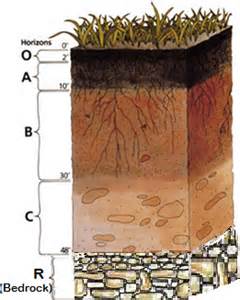
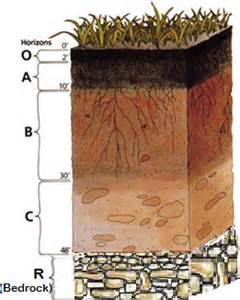
Which horizon is made up of partially weathered rocks?
a)
Horizon A
b)
Horizon B
c)
Horizon C
d)
Horizon D or R
113.
Which of the following is the largest particle in soil?
a)
sand
b)
silt
c)
humus
d)
clay
114.
Place the following layers in order from top to bottom: bedrock, topsoil, subsoil, organic, parent material.
a)
Organic, Topsoil, Subsoil, Parent Material, Bedrock
b)
Organic, Topsoil, Parent Material, Subsoil, Bedrock
c)
Topsoil, Organic, Subsoil, Parent Material, Bedrock
d)
Topsoil, Organic, Parent Material, Subsoil, Bedrock
115.
Which type of soil can hold the greatest amount of water?
a)
sand
b)
silt
c)
clay
d)
loam
116.
Humus is.....
a)
the dead parts of plants and animals in soil.
b)
A food we eat with pretzels.
c)
The tiny particles inside of soil
d)
The roots that come off of a plant and live in soil.
117.
When plants, animals, and other organisms die, they break down and become part of the soil. What is this part of the soil called?
a)
sand
b)
silt
c)
clay
d)
humus
118.
The layer of soil which the topsoil is found.
a)
Horizon A
b)
Horizon B
c)
Horizon C
d)
Horizon D or R
119.
Soil formation begins with the weathering of_______.
a)
Humas
b)
Subsoil
c)
Litter
d)
Rock
120.
The MAIN  thing Decomposers do for the the soil is the following:
a)
Store moisture
b)
Burrow deep in the soil
c)
Make space for air and water
d)
Break down and digest dead organisms
121.
In which horizon is most of the HUMUS?
a)
Horizon A
b)
Horizon B
c)
Horizon C
d)
Horizon D or R
122.
Stored energy in water behind a dam falls and changes into mechanical energy that turns a turbine that turns coils in a generator that produces electrical energy.  What is this?
a)
Fossil Fuel Power Plant
b)
Nonrenewable Power Plant
c)
Nuclear Power Plant 
d)
Hydroelectric Power Plant
123.
Hydropower 
a)
produces no air pollution
b)
can be built in any location
c)
has no construction costs
d)
uses a nonrenewable resource
124.
Oil, Natural Gas, Nuclear, Coal - What do these items have in common?
a)
They are examples of inexhaustible energy resources.
b)
They are examples of renewable energy resources.
c)
They are examples of energy resources that do not cause pollution.
d)
They are examples of nonrenewable energy resources.
125.
Which of the following energy resources is nonrenewable?
a)
Biomass
b)
Geothermal
c)
Fossil Fuel
d)
Hydropower
126.
Coal, oil, and natural gas are _____ resources created from the remains of early plants and animals.
a)
natural
b)
small
c)
large
d)
waste
127.
____ is the remains of plants and animals.
a)
Biomass
b)
Natural gas
c)
Geothermal
d)
Hydropower
128.
Which of the following is a fossil fuel?
a)
Wind
b)
Coal
c)
Solar
d)
Biomass
129.
Hydroelectric power produces electricity using.....
a)
Wind
b)
Sunlight
c)
Moving water
d)
Dung
130.
 Energy from the sun is known as......... 
a)
hydroelectric energy
b)
geothermal energy
c)
solar energy
d)
wind energy
131.
The energy resource that is most affected by change in weather is_____________?
a)
geothermal 
b)
wind
c)
nuclear
d)
natural gas
132.
Fossil fuels are classified as nonrenewable because they.......
a)
require expensive equipment
b)
take millions of years to replace
c)
can be found all over 
d)
provide all the energy we use
133.
What is biomass? 
a)
energy from the sun
b)
energy from water
c)
energy from wind
d)
energy from plant and animal waste
134.
What is a renewable resource?
a)
An object you can reuse
b)
An object you cannot reuse
c)
Fossil fuels
d)
Oil
135.
Energy we get from earth's interior heat
a)
Geothermal
b)
Solar Energy 
c)
Wind Energy 
d)
Hydroelectricity 
136.
What is the best pro about renewable resources? 
a)
The are inexpensive 
b)
They are always available
c)
They are expensive
d)
They create pollution  
137.
Which fossil fuel is created from the decayed remains of plants? 
a)
Oil
b)
Coal
c)
Natural Gas
138.
Both renewable and non-renewable resources give us what? 
a)
Energy
b)
Pollution
c)
Heat
d)
Both Heat and Energy
139.

Thick, black liquid formed from buried remains of microscopic marine organisms.

a)

Coal

b)

Oil

c)

Propane

d)

Biomass

140.

Forms in a gaseous state, also is a hydrocarbon that is lighter than oil.

a)

Solar Energy

b)

Geothermal Energy

c)

Natural Gas

d)

Propane

141.

Energy produced by atomic reactions.

a)

Nuclear Energy

b)

Biomass

c)

Geothermal Energy

d)

Hydro Energy

142.

A flammable hydrocarbon gas present in natural gas and used as bottled fuel.

a)

Natural Gas

b)

Geothermal

c)

Propane

d)

Wind Energy

143.

What is the ultimate source of energy in fossil fuels?

a)

Carbon

b)

Coal

c)

Sun

d)

Pants and Animals

144.

Windmills or wind turbines

(mechanical windmills) are used to generate electricity.

a)

Hydroelectric Energy

b)

Wind Energy

c)

Solar Energy

d)

Biomass

145.

What is a disadvantage of wind turbines?

a)

Wind turbines give off carbon dioxide in the air

b)

It is a nonrenewable energy source

c)

They can change the weather

d)

Wind turbines are loud, contributing to noise pollution

146.

Fuel produced from biological energy sources such as plant

materials, manure, sawdust, paper waste, and other organic materials.

a)

Biomass

b)

Coal

c)

Oil

d)

Grass Power

147.

The energy we use to function in our everyday lives can be classified as...

a)

Renewable or non-renewable

b)

Natural or non-renewable

c)

Renewable and Natural

d)

All of them

148.
Why is solar energy considered renewable energy?
a)
It's cheaper than fossil fuels
b)
The sun's energy would not run out for billions of years
c)
Solar energy recharges batteries
d)
All of them
149.

Renewable energy resources produce less_____________ than fossil fuels.

a)

pollution

b)

energy

c)

wind

d)

light

150.
Energy produced by burning organic matter such as wood, food scraps, and animal matter is called______________ energy.
a)
Biomass
b)
Thermal energy
c)
Solar
d)
Wind
151.
What is a disadvantage of wind power?
a)
We have too many rainy days in US
b)
It is not always windy in some places
c)
Companies charge too much to make the wind blow
d)
The sun is not always out
152.

All of the following are considered renewable energy sources EXCEPT –

a)

Wind

b)

Coal

c)

Biomass

d)

Solar

153.
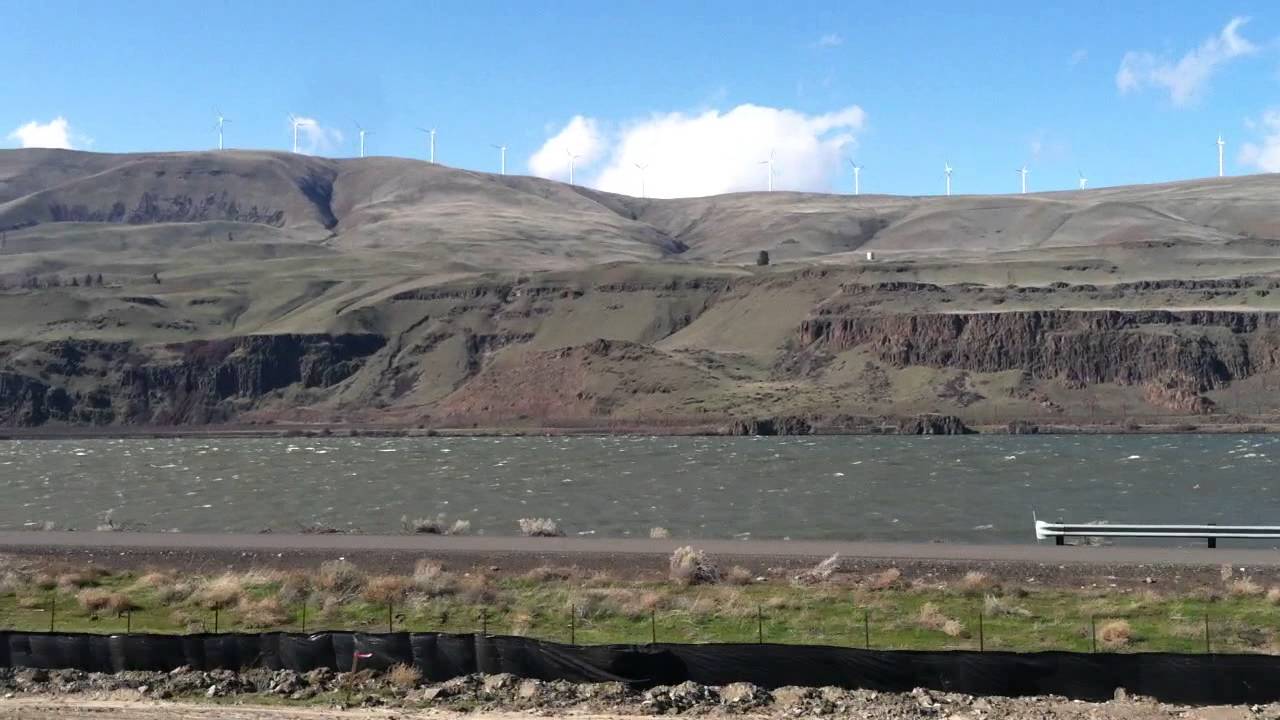
Which type of alternative energy source is shown in this picture?
a)
Wind
b)
Solar
c)
Hydroelectric
d)
Geothermal
154.
This power plant produces electricity most likely by using - 
a)
fossil fuels
b)
biofuels
c)
solar energy 
d)
geothermal energy 
155.

What is the main source of water pollution?

a)

Litter

b)

Sediment

c)

Oil

d)

Gas

156.

Most of the world's pollution comes from non point source caused by _______________.

a)

Natural Disasters

b)

Animals

c)

People

d)

Littering

157.

Which type of soil conservation is when a layer of material is put on the soil’s surface to maintain moisture and health of the soil, and reduce weeds?

a)

Cover Crop

b)

Mulching

c)

Strip Planting

d)

No-Till Farming

158.

_______________ is the introduction of harmful materials into the Earth’s atmosphere.

a)

Green House Effect

b)

Air Pollution

c)

Noise Pollution

d)

¯\_(ツ)_/¯

159.
What does conserving resources mean?
a)
Use as much of the resources as you can
b)
Only use the resources at school
c)
Protecting the resource so it does not run out
160.
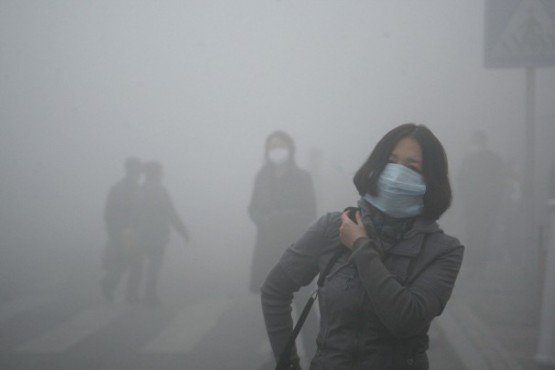
This picture shows people walking through a highly-polluted city in China. From what type of pollution are they protecting themselves based on what they are wearing?

a)
air pollution
b)
water pollution
c)
land pollution
d)
noise pollution
161.
What is Deforestation?
a)
A forest in which there are too many deers.
b)
A forest party where deers hang out
c)
The adding of trees in a forest.
d)
The clearing of trees; transforming of a forest into cleared land.
162.
Soil is made of
a)
weathered rocks and minerals
b)
dead plants and animals
c)
air and water
d)
all of the above
163.

Which of the following is NOT a soil horizon?

a)

topsoil

b)

undersoil

c)

subsoil

d)

bedrock

164.
Why is topsoil darker than all other levels of soil?
a)
It contains all the darker colored minerals
b)
It contains volcanic rock
c)
It contains more organic matter
d)
It contains bits of burned trees
165.

Which of the following is NOT in the mixture of loam?

a)

Silt

b)

Clay

c)

Gravel

d)

Sand

166.

Acid rain is caused by the emissions of harmful chemicals in the air?

a)

True

b)

False

167.
The very top layer of soil is mostly made of
a)
Solid rock 
b)
Clay and mineral deposits
c)
A mixture of minerals and organic material
d)
Mostly organic material (humus)
168.
Which of the following is not a natural cause of water pollution?
a)
Volcanoes
b)
Algae Blooms
c)
Oil Spills
d)
Animal Waste
169.
What greenhouse gas with the chemical formula CO2 is released by the burning of fossil fuels?
a)
Sulfur Dioxide
b)
Carbon Dioxide
c)
Carbon Monoxide
d)
Sulfur Monoxide
170.

What is one way you and your family can help to conserve water at home?

a)

watering the garden at the hottest time of the day

b)

using the longest cycle to wash clothes

c)

turning off the faucet while brushing your teeth

d)

letting the water run while washing dishes

171.

Global warming can lead to

a)

deforestation

b)

climate change

c)

oil spills

d)

litter

172.

Which object is NOT carried by runoff into streams and rivers?

a)

ozone

b)

fertilizer

c)

pesticides

d)

sediment

173.
Soil conservation includes all of the following EXCEPT_______.
a)
Desertification
b)
Contour plowing
c)
Terracing
d)
Crop rotation
174.

What percent of soil is composed of air?

a)

5%

b)

45%

c)

25%

d)

15%

175.

Organic matter can come from all of the following except __________.

a)

Oak Tree

b)

Frog

c)

Rocks

d)

Fungus

176.

Worms, insects, and burrowing animals benefit the soil by all of the following except ________

a)

Break down bedrock to make more soil

b)

Mix humus with rock and mineral fragments

c)

Create passages for air and water

d)

Help decompose organic materials