
NEW
Font size
 Worksheets
6th-Musculoskeletal System Unit Quiz
Total questions: 31
Worksheet time: 58mins
Connects bone to bone
Cartilage
Ligaments
Tendons
Involuntary muscle
Strong band of tough tissue that attach muscle to bone
Cartilage
Ligaments
Tendons
Involuntary muscle
Muscles that are not under your conscious control. Responsible for activities such as breathing, digesting food and your heart beating.
Involuntary Muscles
Voluntary Muscles
Skeletal Muscles
A muscle that is attached to the bones of the skeleton by tendons and provides the force that moves the bones.
Involuntary Muscles
Voluntary Muscles
Skeletal Muscles
Muscles that are under your control. Smiling, turning a page in a book and getting out of your chair are some examples.
Involuntary Muscles
Voluntary Muscles
Skeletal Muscles
A muscle that is involuntary and found in walls of internal organs such as a stomach and intestines and bladder and blood vessels.
Smooth Muscle
Muscle
Cardiac Muscle
What is the name for your bones that protect your spinal cord?
Vertebrae Column (Spine)
Sacrum
What is NOT a function of the skeletal system?
Skeletal muscles always work in _____
The largest sesamoid bone in the body is the___.
humerus
patella
femur
heart
What type of joint is found in the knee?
Ball and socket
Hinge
Pivot
Saddle
What is the primary function of red bone marrow?
Protect organs
Produce blood cells
Provide structure
Store fat


Which letter is identifying a long bone?
F
E
C
A
Which letter is identifying a flat bone?
F
E
C
A
What is compact bone?
the soft tissue in the bone that makes blood cells
the soft tissue in the bone that stores energy as fat
the hard dense layer of bone
the layer of bone that makes the bones lightweight

Name this muscle
Gastrocnemius
Quadricep
Gluteus Maximus
Hamstring

What's the name of this muscle?
Pectoral
Deltoid
Bicep
Abdominal

Name the highlighted muscle
pectorals
deltoid
trapezius
latissimus dorsi

Identify the bone shown in green.
tibia
humerus
radius
ulna

In this picture, what is represented in multi-colors?
Carpals
Tarsals
Phalanges
Radius
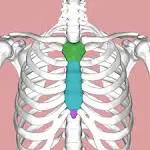
Name the highlighted bone.
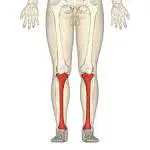
Name the bone.
Which is NOT a way the skeletal and muscular system work together?
Moving skeleton
Breaks down food
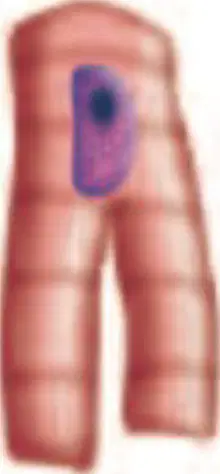
What do cells form when they group together?
Organs
Organ systems
Tissues
Organisms
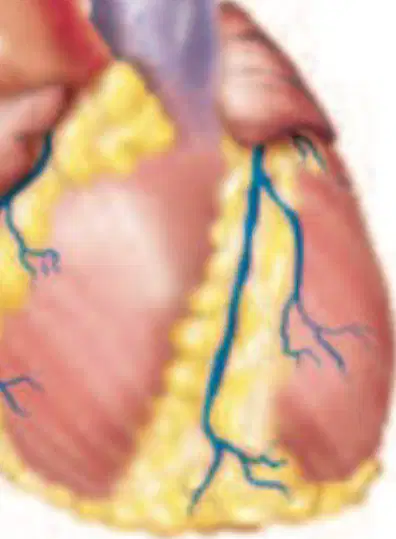
What do organs form when they work together?
Tissues
Cells
Organ systems
Organisms

