
Font size
 Worksheets
Ch. 7 Human Body Systems Study Guide
Total questions: 85
Worksheet time: 57mins
What is the function of the digestive system?
It transports blood and oxygen to your cells
It breaks down food so the nutrients can be absorbed by your body
It helps you breathe by taking in oxygen and transporting carbon dioxide out of your body
It helps you move
What is the function of the cardiovascular / circulatory system?
To provide nutrients to the whole body
To maintain homeostasis for the body
To fight off infection or disease
To transport nutrients, oxygen, and blood throughout the body
What is the function of the immune system?
To digest food
To fight against pathogens and diseases
To help you breathe
To remove waste from the body
What is the function of the nervous system?
Controls all parts of the body; sends signals between the brain, spinal cord, and nerve endings
What happens when you get nervous to do something
To fight off diseases
To carry oxygen, nutrients, and blood throughout the body
What is the function of the respiratory system?
To digest your food
To remove waste from the body
To take in oxygen and remove carbon dioxide
To fight disease
What is the function of the excretory/urinary system?
Removes liquid waste from your body
digests food
helps you breathe
circulates your blood
The steel beams that hold up a tall building are most analogous (similar) to which body system?
skeletal
muscular
digestive
immune
What is the function of the skeletal system?
Movement of the body
transports oxygen, blood, nutrients throughout the body
removes waste
supports the body by holding it up; muscles are attached to help with movement
How do the body systems work together when you accidentally touch a hot pan?
The cardiovascular/circulatory system sends signals to your hand to move it, and your nervous system moves your hand
The nervous system (brain, spinal cord, and nerves) send a signal to your hand to move it, and your muscular system causes your hand to move
The digestive system moves your hand, and the cardiovascular/circulatory system sends signals to your hand
The nervous system causes your hand to move, and the muscular system breaks down nutrients for your muscles to move
When I RUN up the stairs, what four systems am I using?
Cardiovascular, Skeletal, Muscular, and Respiratory
Excretory/Urinary, Skeletal, Digestive, and Muscular
Muscular, Skeletal, Respiratory and Digestive
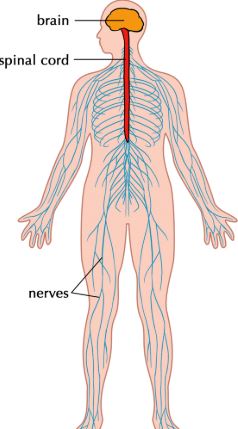
What system is pictured?
Skeletal
Circulatory
Nervous
Muscular
What system eliminates non solid waste from the body?
Integumentary
Digestive
Excretory
Respiratory

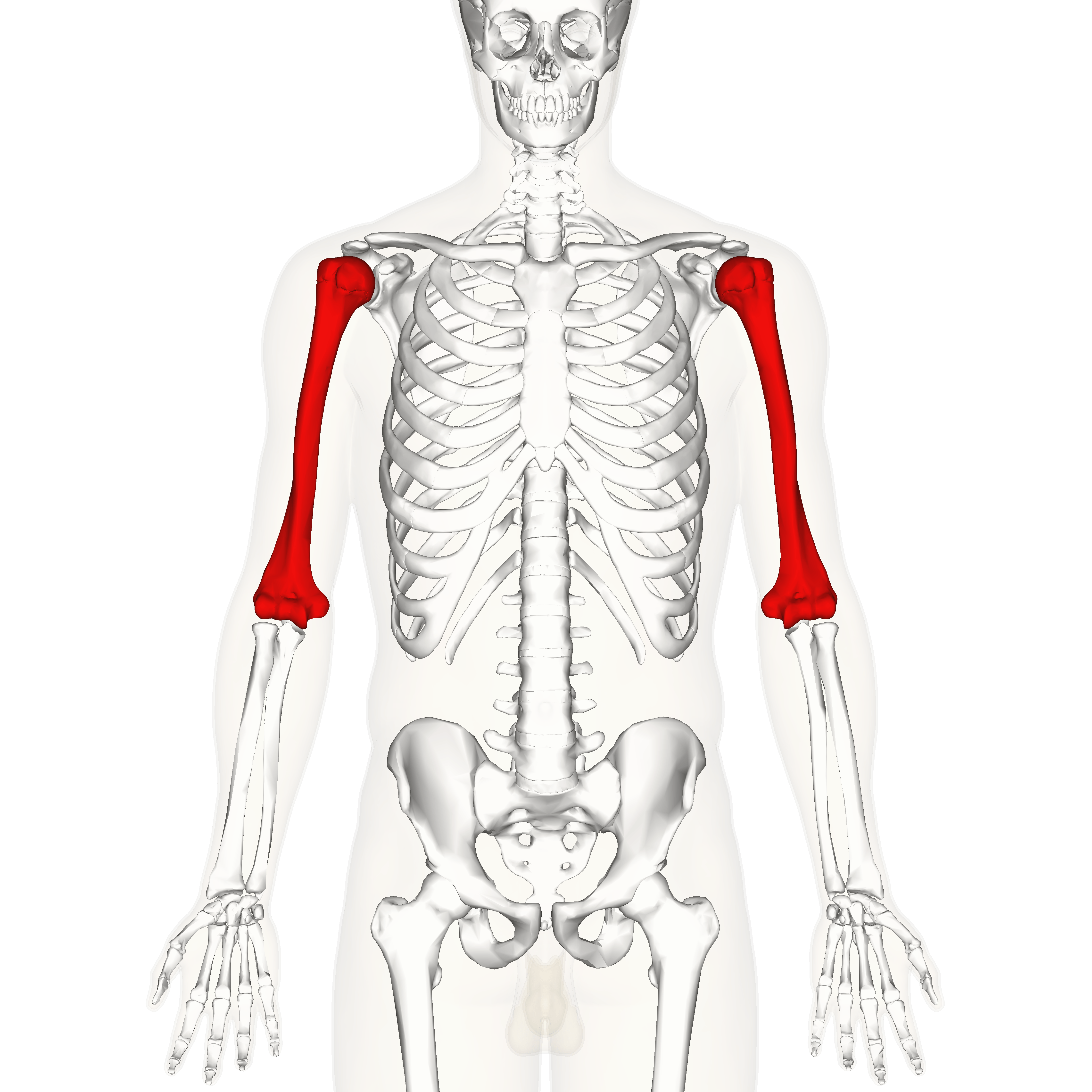
What is the function of the system pictured?
Helps pumps your blood through out your body.
Helps move and protect your body.
Helps take in oxygen and remove carbon dioxide.
Helps maintain body your temperature.
What system gathers information and responds to that information? Ex: Touching something that is hot and quickly pulling your hand away.
Skeletal
Muscular
Integumentary
Nervous
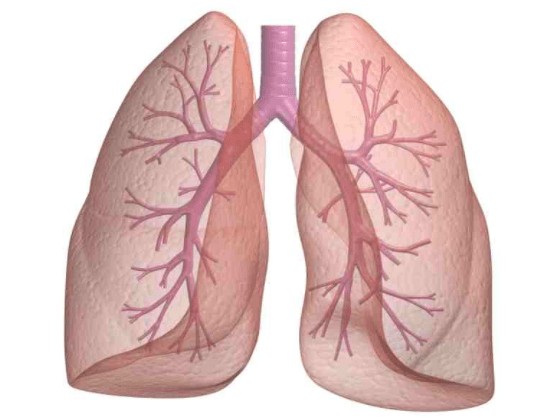
Which system includes the nose, trachea and the lungs?
Excretory
Respiratory
Circulatory
Muscular
Which system includes the kidneys, ureters, urinary bladder, urethra?
Digestive
Muscular
Excretory
Nervous
Which two body systems deliver oxygen to your cells and take away carbon dioxide?
Respiratory and Nervous
Circulatory and Nervous
Circulatory and Excretory
Respiratory and Circulatory
What is the body system that sends and receives electrical signals from the brain?
Muscular
Skeletal
Nervous
Digestive
How does the cardiovascular system and the respiratory system work together?
The cardiovascular system allows the body to have energy while the respiratory system makes cells
The cardiovascular system transports oxygen around the body while the respiratory system gives the body oxygen
The cardiovascular system makes cells while the respiratory system moves them where they are suppose to go
The cardiovascular system transports nutrients around the body while the respiratory system brings oxygen into the body
The muscular organ that pumps blood through out your body is your
Arteries
Diaphragm
Heart
Larynx
All your body systems work together to maintain a stable environment which is called __________________.
Hydration
Regular
Gucci
Homeostasis


A man was walking through the desert and he became lost. The temperature outside rose to 110 degrees Fahrenheit and the man’s body temperature increased with it. His skin began to excrete sweat in an effort to cool his body back down. Which two body systems are working to help him maintain homeostasis?
Endocrine and Excretory
Excretory and Integumentary
Integumentary and Skeletal
Skeletal and Respiratory
Put the following terms in order from smallest to largest:
Tissue Cell Organ Organism Organ System
Tissue Cell Organ Organism Organ System
Cell Tissue Organism Organ system Organ
Cell Tissue Organ Organ System Organism
Organism Organ Tissue Cell Organ System


Heart, blood vessels
The organ within the circulatory system that allows for the diffusion of materials between all other tissues of the body is the...
heart
artery
capillary
vein


Which body system is the nerve associated with
nervous
endocrine
skeletal
muscular

Tendons connect muscle to what ?
ligaments
joints
bone
other muscle
muscle cells have more .......
nuclei
cytoplasm
mitochondrion
chloroplast
What is homeostasis
division of cells.
regulation of the environment outside the body
removal of waste materials
maintenance of a stable environment inside the body
All of the following describe an internal stimulus that may cause the human body to respond EXCEPT
A cold giving you a headache
a decrease in the temperature outside causing shivering
too much candy causing the pancreas to secrete insulin
contaminated food causing fever
Which system fights disease?
endocrine
nervous
lymphatic/immune
digestive

B
Bones
Adipose
Spongy Bone
Compact Bone
Articular Cartilage
The part of the bone that is rigid and dense.
Spongy Bone
Red bone marrow
Compact bone
Joint
Makes up the interior of the bone, soft part of the bone, and provides most of the strength and support.
Spongy Bone
Red bone marrow
Compact bone
Joint
Connects bone to bone
Cartilage
Ligaments
Tendons
Involuntary muscle
Strong band of tough tissue that attach muscle to bone
Cartilage
Ligaments
Tendons
Involuntary muscle
Muscles that are not under your conscious control. Responsible for activities such as breathing, digesting food and your heart beating.
Involuntary Muscles
Voluntary Muscles
Skeletal Muscles
A muscle that is attached to the bones of the skeleton by tendons and provides the force that moves the bones. Can be voluntary or involuntary.
Involuntary Muscles
Voluntary Muscles
Skeletal Muscles
Muscles that are under your control. Smiling, turning a page in a book and getting out of your chair are some examples.
Involuntary Muscles
Voluntary Muscles
Skeletal Muscles
Characteristics in common with both smooth and skeletal muscles, involuntary, does not get tired and controls heartbeats.
Smooth Muscle
Muscle
Cardiac Muscle
A muscle that is involuntary and found in walls of internal organs such as a stomach and intestines and bladder and blood vessels.
Smooth Muscle
Muscle
Cardiac Muscle
The sex cells that are made by the testes and are needed to fertilize eggs
sperm
vas deferens
epididymis
Mature sperm travels through this tube to the prostate gland and seminal vesicles.
urethra
epididymis
vas deferens
Sperm + fluids from seminal vesicle and prostate gland
semen
testes or testicles
scrotum
Sex cells of females that can be fertilized by sperm
ovaries
eggs or ovum
uterus
Reproductive organs that produce eggs, progesterone and estrogen
cervix
vagina
ovaries
The muscular organ the size of a fist where fertilized eggs develop
uterus
ovaries
vagina
Pathway for eggs - connect the ovaries to the uterus
ovaries
cervix
Fallopian tube



