
 Worksheets
7th Grade Life Science End of Year Review
Total questions: 90
Worksheet time: 3hrs 38mins


Biotic factors are
Living
nonliving
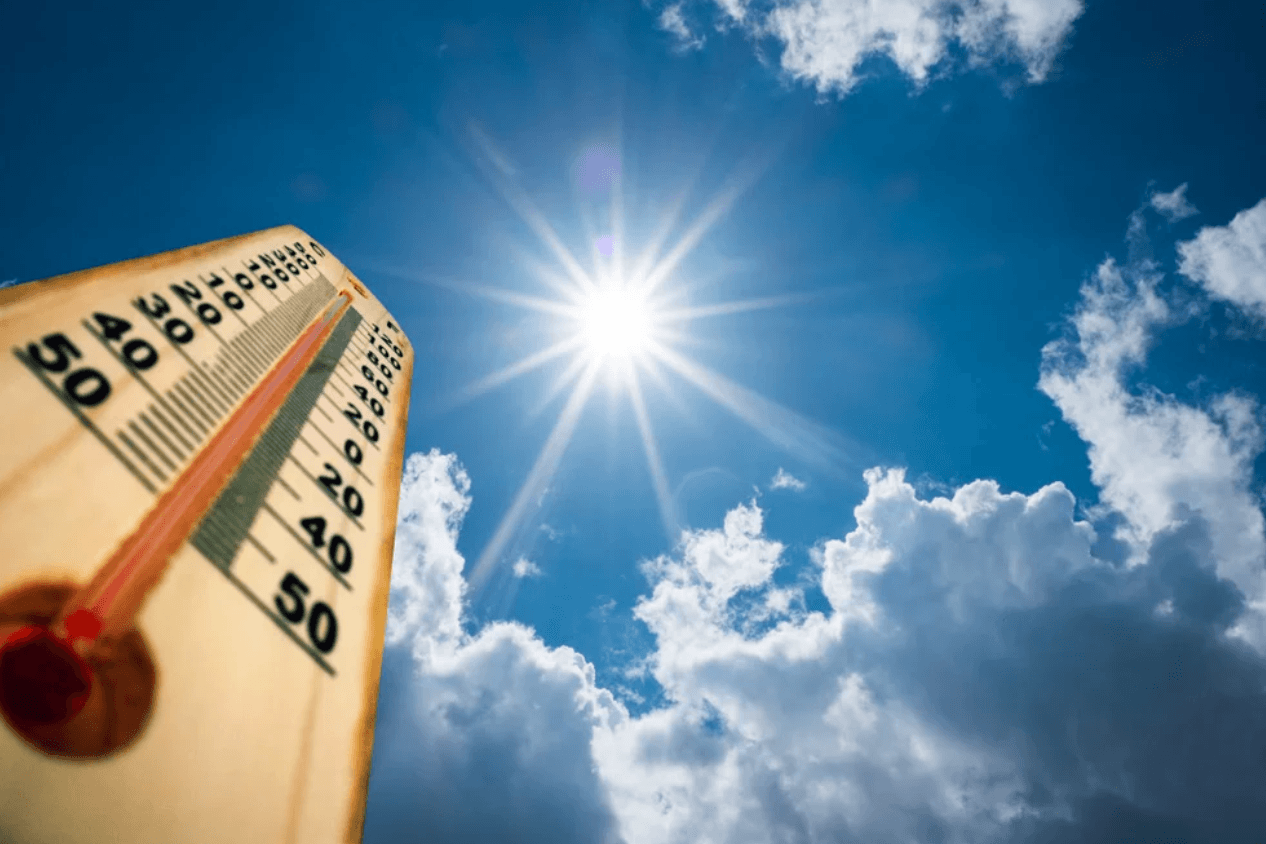
Temperature
Biotic (living)
Abiotic (non-Living)

Sand
Abiotic (non-living)
Biotic (living)

water
biotic (livng)
Abiotic (non-living)

Chameleon
Biotic (living)
Abiotic (non-living)


Which is a characteristic of most single-celled organisms?
They have a complex nervous system.
They contain several different types of cells.
They perform all life processes.
They have a circulatory and a respiratory system.
Which statement best describes how a multicellular organism survives?
Every cell carries out the same functions for the survival of the organism.
The cells all have the same structures that allow the organism to survive.
All life processes are performed by each cell for the survival of the organism.
The cells have different functions, and together they are essential for the survival of the organism.
Which characteristic do single-celled organisms and multicellular organisms have in common?
Both have cells with specialized functions for each life process.
Both perform all life processes within one cell.
Both have a way to get rid of waste materials.
Both are able to make food from sunlight.
Which statement about Specialized Cells is true?
Different types of cells look different, but they all do the same job.
Different types of cells cooperate to keep the organism alive.
Different types of cells do not need each other in order to survive.
Different types of cells are all similar shapes and sizes.
These cells have DNA that is found inside the nucleus...
Eukaryotic
Prokaryotic
Neither
Both prokaryotic and eukaryotic


What type of cell is shown in the picture?
eukaryotic
prokaryotic
Only found in plant cells, these organelles are filled with a green pigment called chlorophyll. They capture sunlight and turn it into energy
Cell wall
Chloroplasts
Vacuole
Lysosomes
Only found in plant cells, this organelle has a rigid layer that surrounds the cell membrane. It helps protect and support the cell.
Cell Wall
Chloroplasts
Cytoplasm
Cell membrane
The organelles that is the cell’s control center and contains DNA.
Vacuole
Mitochondria
Cell membrane
Nucleus
Which organelles are found in plant cells but NOT animal cells?
nucleus and cell membrane
chloroplasts and nucleus
cell wall and cell membrane
cell wall and chloroplasts
Both prokaryotic and eukaryotic cells have all of the following EXCEPT:
Cytoplasm
Ribosomes
DNA
Nucleus


Osmosis, Diffusion, and Faciliated Diffusion are types of...
Active transport
Passive transport
Protein Pumps
Exocytosis
When water diffuses into or out of a cell, it is called...
osmosis
exocytosis
active transport
endocytosis
Endocytosis and Exocytosis are types of _______________ transport
Active
Passive
diffusion
isotonic
Which organelle is responsible for maintaining homeostasis in the cell?
DNA
vacuole
mitochondria
Plasma Membrane
Which processes require energy?
osmosis and facilitated diffusion
exocytosis and endocytosis
exocytosis and facilitated diffusion
facilitated diffusion and passive transport
In active transport, how do particles move?
from areas of high concentration to areas of low concentration
from areas of low concentration to areas of high concentration
they do not move
using no energy

Which process is shown?
Endocytosis
Exocytosis
diffusion
protein pumps

Which process is shown?
endocytosis
exocytosis
facilitated diffusion
cytokenesis
What is the main goal for ALL cell processes?
to produce energy
to help the cell acheive and maintain homeostasis
to bring needed nitrients to the cell
get rid of exra nitrients
What is the correct order of the levels of cell organization from simplest (smallest) to most complex (biggest)?
Cell, Organ, Tissue, Organ System, Organism
Organism, Tissue, Cell, Organ system, Organ
Cell, Tissue, Organ, Organ System, Organism
Tissue, Cell, Organ, Organ System, Organism
What is the function of the cardiovascular / circulatory system?
To provide nutrients to the whole body
To maintain homeostasis for the body
To fight off infection or disease
To transport nutrients, oxygen, and blood throughout the body
What is the function of the nervous system?
In order to achieve homeostasis, it controls all parts of the body; sends signals between the brain, spinal cord, and nerve endings,
What happens when you get nervous to do something
To fight off diseases
To carry oxygen, nutrients, and blood throughout the body
What is the function of the skeletal system?
Movement of the body
transports oxygen, blood, nutrients throughout the body
removes waste
supports the body by holding it up; muscles are attached to help with movement
What systems are interacting: Oxygen moves from the lungs to the blood and carbon dioxide moves from the blood to the lungs.
muscular, circulatory
respiratory, muscular
respiratory, circulatory
nervous, circulatory
The esophagus and intestines are made up of smooth muscles that move food through these organs using muscular contractions. Which two systems are working together here?
Muscular and Digestive
Reproductive and Endocrine
Muscular and Excretory
Digestive and Immune
Which of the following is homozygous dominant?
RR
Rr
rr
Which of the following is homozygous recessive?
The genotype Dd is...
homozygous
heterozygous
If brown (B) is dominant and red (b) is recessive for hair color. What is the phenotype of (Bb)?
brown hair
red hair

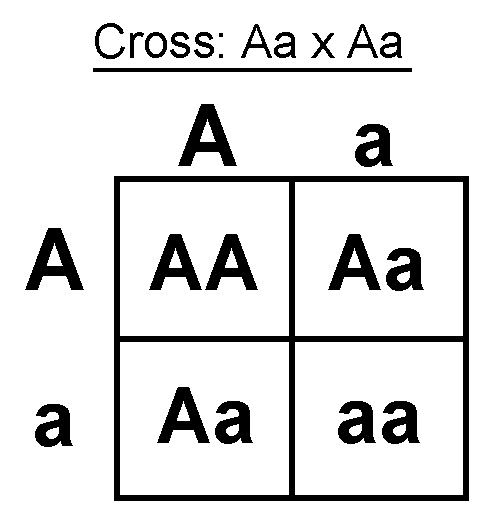
In the punnett square below, what belongs in the missing square
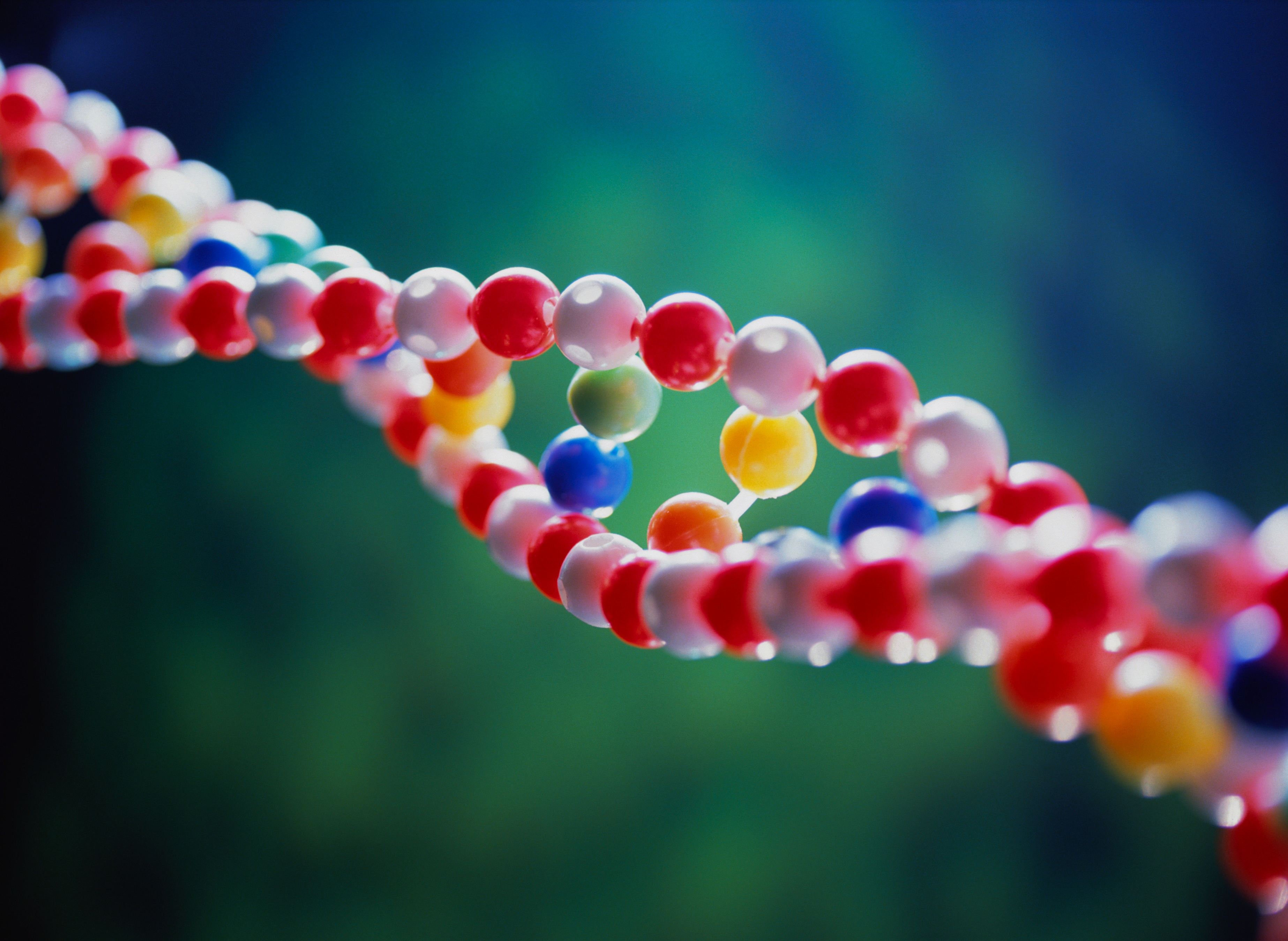
Which shows the correct complementary base pairing for DNA?
Cytosine(C)-Adenine(A) &Thymine(T)-Guanine(G)
Adenine(A)-Guanine(G) & Cytosine(C)-Thymine(T)
Cytosine(C)-Guanine(G) & Uracil(U)-Adenine(A)
Thymine(T)-Adenine(A) & Guanine(G)-Cytosine(C)
The building block of nucleic acids are nucleotides. Nucleotides are composed of a sugar, a phosphate group, and a(n) _________________ .
oxygen
hydrogen
nitrogenous base
carbon
I am arranged as a double helix or "twisted ladder".
DNA
RNA
ribosome
protein

Which of the following is not a benefit of asexual reproduction?
Offspring will be successful in an unchanged environment.
Good at adapting to changing environments.
Only requires one parent to produce offspring.
Can reproduce rapidly.

Asexual reproduction is associated with what type of cell division?
Mitosis
Meiosis
An organism that has been reproduced by asexual means receives ______________ of its chromosomes from its one parent.
3
25%
50%
100%
In asexual reproduction, all of the offspring are:
Physically Identical
Genetically Identical
Physically and Genetically Identical
Not Identical
What is the big advantage of sexual reproduction?
Can quickly grow the population
Offspring are guaranteed to be successful in an unchanged environment.
Only one parent is required to reproduce.
Can adapt to changing environments
What is the type of reproduction that only requires one parent?
Asexual
Sexual
Which type of reproduction results in diversity because the offspring are a combination of the parents and genetically different?
Asexual
Sexual
Which type of reproduction results in offspring with unique traits.
Sexual reproduction
Asexual reproduction
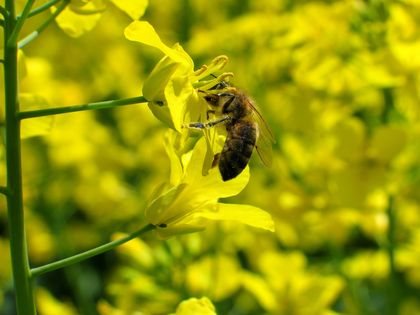
What type of reproduction occurs when pollen from one flower joins the eggs of another flower?
sexual reproduction
asexual reproduction
Along the runners of a plant, tiny new plants take root. Each new plant is identical to the parent. What type of reproduction is this?
sexual reproduction
asexual reproduction


Which kingdoms include organisms that can make their own food (autotrophic)?

This organism is made of a single prokaryotic cell and lives in hot springs. It can be an autotroph or a heterotroph. Which kingdom does it belong to?
Archaebacteria
Eubacteria
Protista
Fungi
Plantae
Mushrooms are made of many eukaryotic cells and are heterotrophs. They like to live in soil and places rich in organic material. Which kingdom do they belong to?
Protista
Fungi
Plantae
Animalia
Why are producers extremely important in a food web?
Producers give energy to apex predators.
Producers provide a food source for organisms that cannot make their own food.
Producers break down dead plants and animals to recycle nutrients back into an ecosystem.
Producers get energy by consuming other organisms.
Secondary consumers in a food web are____________________
organisms that use sunlight to make their own food.
organisms that only eat producers.
organisms that eat primary consumers and some also eat plants.
organisms that break down the nutrients in dead plants and animals.
Ecology is _____________________.
the study of how organisms of the same species live in a specific geographical location.
the study of the interactions of living organisms with one another and with their environment.
the study of the non living parts of an ecosystem.
the study of the evolution of organisms using fossils.

Which animals on the food web are secondary consumers?
bird, owl, fox
grasshopper, mice, fox
carrot, rabbit, owl
grains, mice, owl

Based on the food web, where do the carrots, grasses and grains get their energy from?
rabbits, mice, and grasshoppers
the sun
rabbits, mice, birds, and grasshoppers
owls and foxes
What type of organisms break down the matter of dead plants and animals?
scavengers
producers
consumers
decomposers

This organism is most likely:
A primary consumer
A secondary consumer
A decomposer
A producer
Virtually all plants are autotrophic. But there are no autotrophic animals or fungi. What can you infer about autotrophic organisms?
They can move around on their own.
They are at the top of the food chain.
They can make their own energy.
They reproduce slowly.
Which organisms do primary consumers mainly eat?
Producers
Secondary consumers
Predators
Decomposers
Bacteria is considered a
PRODUCER
DECOMPOSER
CONSUMER

