wayground logo

Free Printable Worksheets

NEW

Font size

S
M
L
XL
Worksheets

Weathering and Erosion

Total questions: 50

Worksheet time: 34mins
Name
Class
Date
1.
The process that breaks down rocks and other materials on Earth's surface is called
a)
Weathering
b)
Erosion
2.
What is the process that picks up and moves weathered rocks?
a)
Erosion
b)
Landslide
c)
Weathering
3.
What causes the greatest erosion effect on our beaches?
a)
Waves
b)
Gravity
c)
Glaciers
d)
Wind
4.
The process by which water, ice, wind, or gravity moves weathered rock and soil from one place to another.
a)
Weathering
b)
Erosion
c)
Deposition
d)
Crop Rotation
5.
Which of these is an example of erosion?
a)
Light shining onto a mountain.
b)
Rain breaking down rocks on a mountain into smaller pieces. 
c)
Wind blowing away sediment to a new place on the mountain.
d)
All of the above.
6.
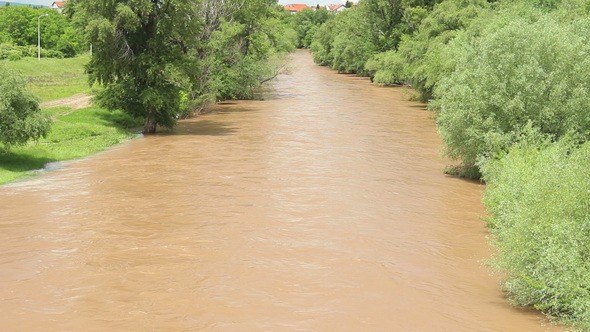
Muddy water being carried away by a fast-moving river is an example of
a)
Weathering
b)
Erosion
c)
A mess
d)
A nice place to swim
7.
What is an enormous mass of ice moving over land, causing weathering of rock and soil?
a)
A glacier
b)
An iceberg
c)
An ice wedge
d)
A sand dune
8.
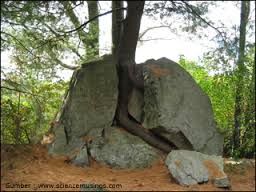
How do plants weather rocks?
a)
Plants don't weather rocks.
b)
When roots grow into cracks of rocks and expand the rock breaks.
c)
When the plant moves water from the roots to the leaves, the rock breaks.
9.
What is the wearing away or breaking down of rocks called?
a)
Weathering
b)
Erosion
c)
Glaciers
10.
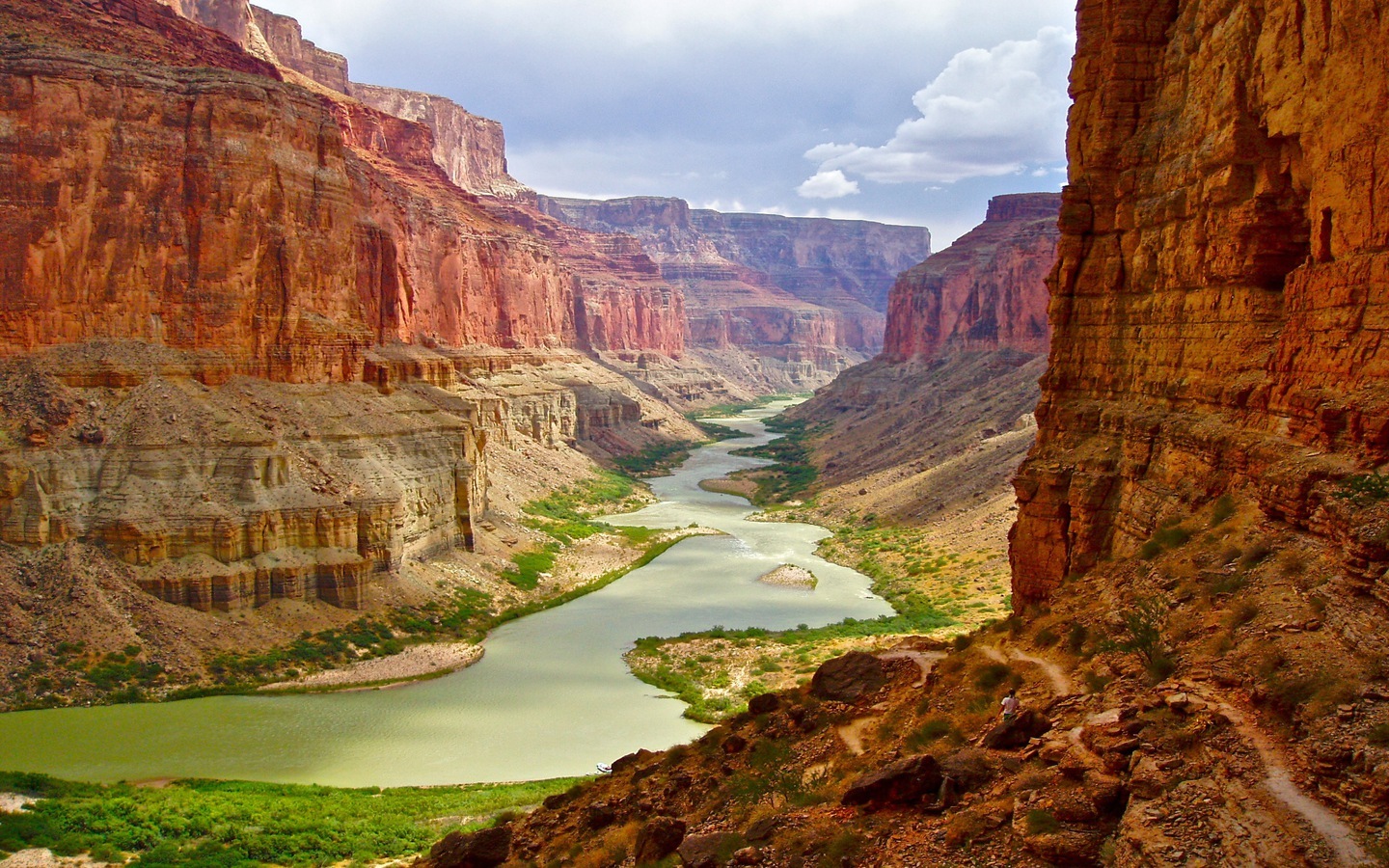
Flood water pounding against a canyon wall and wearing it down is an example of
a)
Weathering
b)
Erosion
c)
An avalanche
11.
Weathering and erosion are the same thing.
a)
True
b)
False
12.
Wind blowing sand from one location to another is called
a)
Weathering
b)
Erosion
13.
A mudslide flowing down a steep hill is called?
a)
Weathering
b)
Erosion
14.
How does freezing water cause the weathering of rocks?  The freezing water—
a)
keeps the rocks in place.
b)
makes the rocks last longer.
c)
expands cracks and breaks rocks.
d)
causes rocks to fall in landslides.
15.
Water dissolves part of a rock, making an underground cave.
a)
Weathering
b)
Erosion
16.
Rain washes soil from hills and fields into rivers.
a)
Weathering
b)
Erosion
17.
Rocks and pebbles in a river become smooth as they smash into other rocks.
a)
Weathering
b)
Erosion
18.
Which of the following is NOT a type of chemical weathering?
a)
water
b)
carbon dioxide
c)
ice wedging
d)
living organisms secreting acid to break down rocks
19.
What is deposition?
a)
The process by which
water, ice, wind or gravity
moves fragments of rock
and soil.
b)
The process by which
water, ice, wind or gravity
deposit rock sediments
and soil in a new place.
c)
The breaking down of
Earth’s crust into smaller
and smaller pieces.
20.
Which of the following is NOT a type of physical weathering?
a)
burrowing plants
b)
ice wedging
c)
plant roots
d)
acid rain
21.
What are the two factors that affect the rate at which weathering occurs?
a)
climate and mass of rock
b)
climate and size of rock
c)
type of rock and size of rock
d)
type of rock and climate
22.
The diagrams  shows a natural process that weathers rock.
 Which statement best explains why this process results in weathering?
a)
frozen water acts as a solute
b)
water expands when it freezes
c)
the mass of water increases when it freezes
d)
frozen water dissolves most types of rock
23.
What is mechanical weathering?
a)
Process through which rocks are physically broken into smaller pieces.
b)
Rocks are broken down through chemical changes.
c)
Rocks are worn away from acid in plant roots.
d)
Rocks broken down by machinery.
24.
Which type of climate will have faster chemical weathering?
a)
Hot and Wet
b)
Cold and Dry
c)
Hot and Cold
d)
Cold and Wet
25.
This rock may chemically weather easily because is has many spaces or holes in it that allow water to seep through it, meaning it is:
a)
permeable
b)
abrasive
c)
erosion
d)
unchangable
26.

Which would most likely increase the erosion caused by a stream?

a)

Increased Rainfall

b)

Decreased animal life

c)

Decreased temperature

d)

Increased Evaporation

27.

Underground caverns are an example of weathering and erosion. Their formation might be best explained by which choice?

a)

Wind weathers and erodes rock particles.

b)

Cold temperatures cause ice to form and break rock apart.

c)

Groundwater dissolves minerals, forming underground cavities.

d)

Gravity moves particles of rock downhill.

28.

Roads that run through mountainous areas are sometimes closed because the road is blocked by piles of rocks. What might cause a rock slide to occur?

a)

Gravity causes rocks to slide down the mountain side.

b)

Wind causes rocks to fall.

c)

Water causes minerals to dissolve.

d)

Burrowing animals form holes in the mountainside.

29.

When rock and soil suddenly slip downhill as a cohesive chunk.

a)

Landslide

b)

Mudflow

c)

Slump

d)

Creep

30.

When soil, rock, and debris rapidly flow downhill due to a significant amount of water in the soil.

a)

Landslide

b)

Mudflow

c)

Slump

d)

Creep

31.

Which of the following caused this to occur?

a)

landslide

b)

mudflow

c)

slump

d)

creep

32.

What is this a picture of?

a)

Landslide

b)

Mudflow

c)

Slump

d)

Creep

33.

TRUE or FALSE: Mass movement is more likely to occur on gradual slopes with lots of trees.

a)

TRUE

b)

FALSE

34.

TRUE or FALSE: Plant roots help prevent erosion.

a)

TRUE

b)

FALSE

35.

TRUE or FALSE: Plants can chemically and mechanically weather rocks.

a)

TRUE

b)

FALSE

36.

What kind of weathering occurs with 100 cm of precipitation and an AYT of 10 degrees Celcius?

a)

Strong Chemical

b)

Strong Physical

c)

Moderate Chemical

d)

Slight weathering

37.

What kind of weathering occurs with 25 cm of precipitation and an AYT of 0 degrees Celcius?

a)

Strong Chemical

b)

Strong Physical

c)

Moderate Chemical

d)

Slight weathering

38.

What kind of weathering occurs with 75 cm of precipitation and an AYT of -15 degrees Celcius?

a)

Strong Chemical

b)

Moderate Physical

c)

Moderate Chemical

d)

Slight weathering

39.

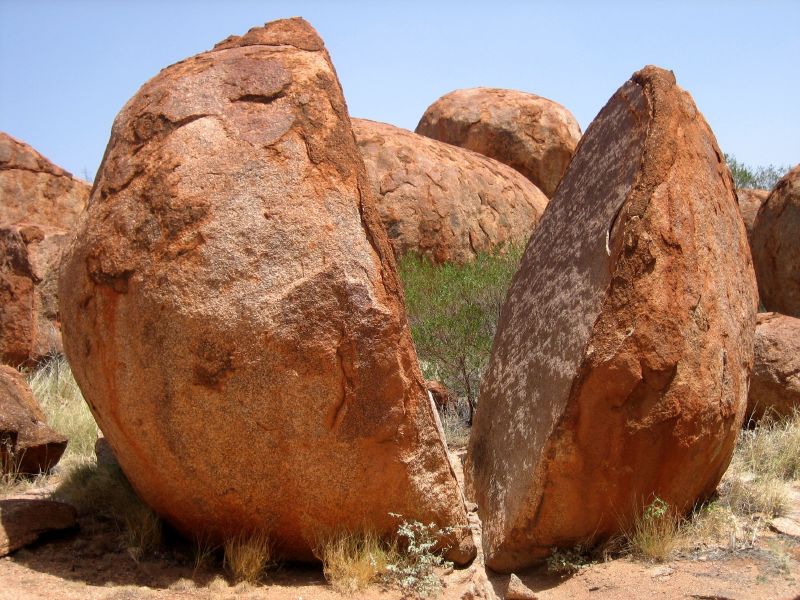
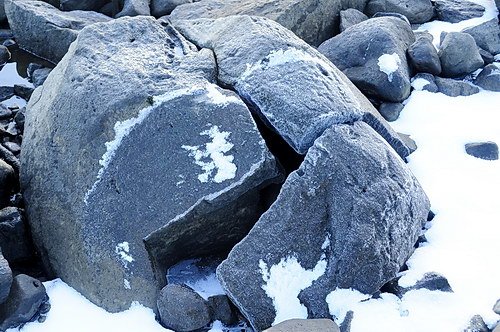
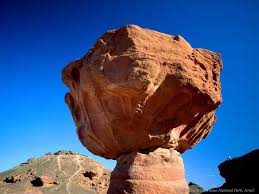
What kind of weathering did this?

a)

oxidation

b)

abrasion

c)

acid rain

d)

lichens

40.
a)

Freeze and thaw

b)

Animal actions

c)

Acid Rain

d)

Lichens

41.

Which of the following is NOT a type of mechanical weathering?

a)

abrasion

b)

root pry

c)

ice wedging

d)

living organisms secreting acid to break down rocks

42.

Mechanical or chemical: a small tree growing in the crack of a rock widening the crack as it grows.

a)

mechanical

b)

chemical

43.

Mechanical or chemical: a cave is created over thousands of years of carbonic acid dissolving layers of limestone.

a)

mechanical

b)

chemical

44.

Mechanical or Chemical: a statue in a populated area is discolored and has rounded features.

a)

Mechanical

b)

Chemical

45.

Mechanical or Chemical: As waves crash against a rock cliff sand is created, and thousands of years later there is a beach.

a)

Chemical

b)

Mechanical

46.

How are V shaped valleys formed?

a)

waves

b)

wind

c)

glaciers

d)

running water

47.

How are U shaped valleys formed?

a)

glaciers

b)

wind

c)

gravity

d)

running water

48.

What would cause telephone poles and fence posts to become slanted over the years?

a)

landslides

b)

creep

c)

slump

d)

mudflows

49.

True or False: Plants can chemically and mechanically weather rocks.

a)

True

b)

False

50.

Which term describes how glaciers erode the geosphere?

a)

suddenly

b)

oxidation

c)

slowly

d)

annually