wayground logo

Free Printable Worksheets

Font size

S
M
L
XL
Worksheets

Chemical Compounds and Changes Review and Practice

Total questions: 109

Worksheet time: 2hrs 54mins
Name
Class
Date
1.

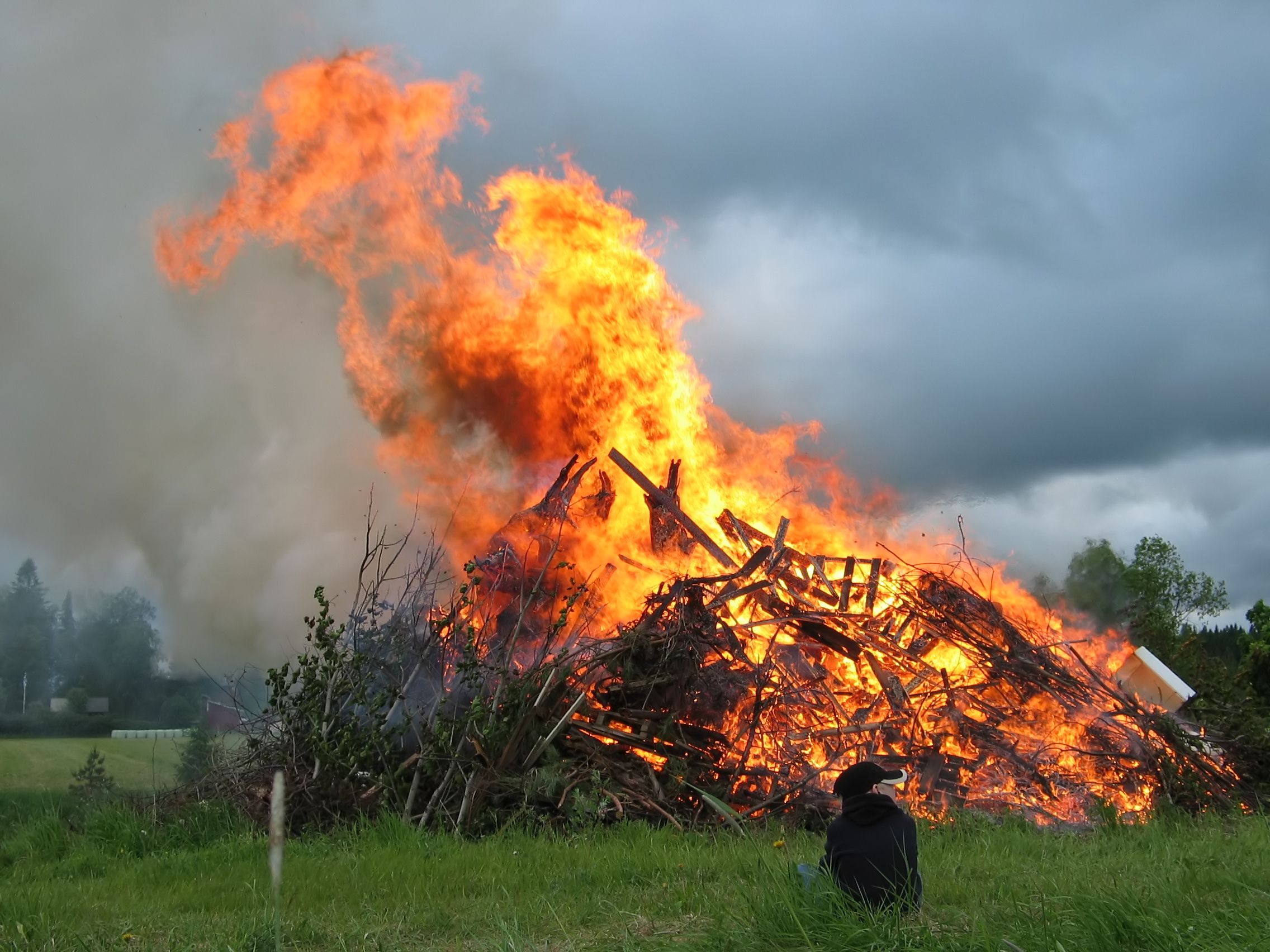
Wood that is burning in a brush pile has heat, and produces ashes. This is a ______ change

a)

Physical

b)

Chemical

2.

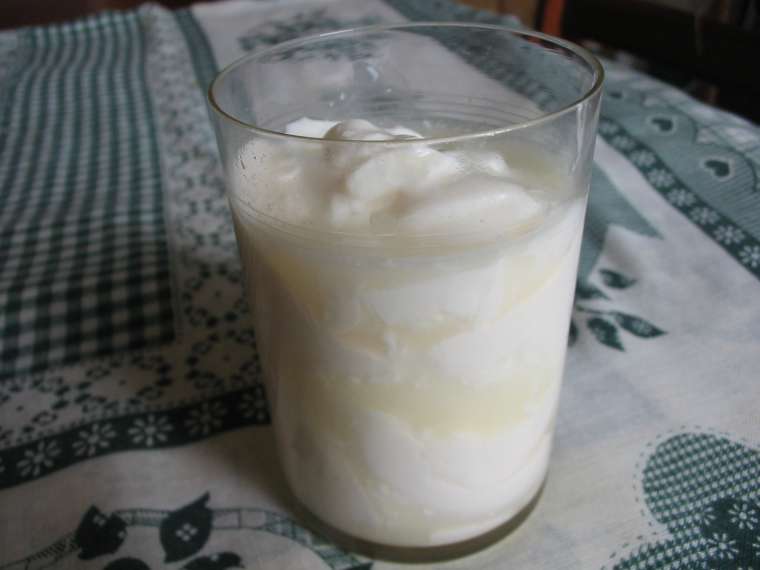
Is milk going sour a physical or chemical change?

a)

Physical

b)

Chemical

3.
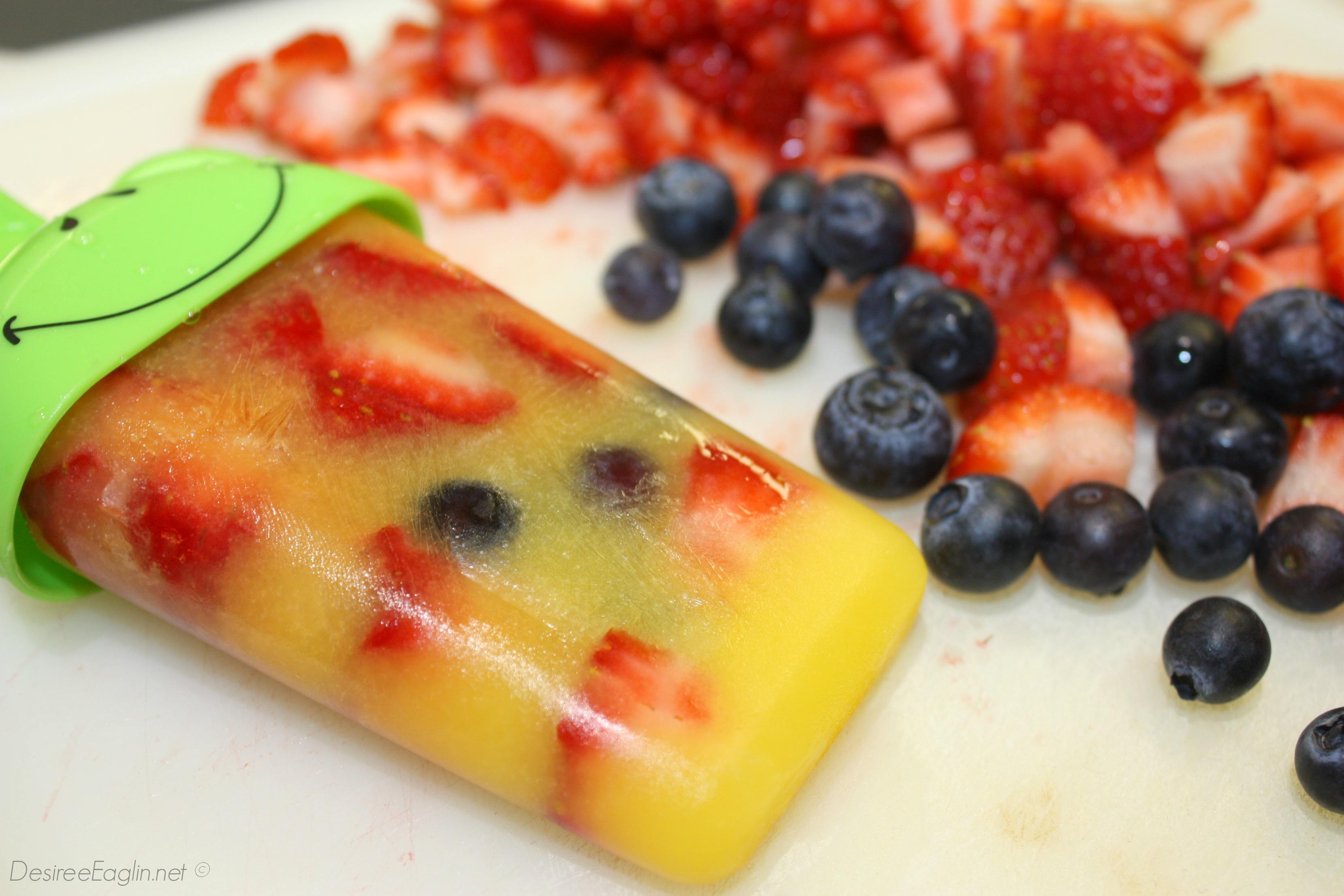
Is freezing juice a physical or chemical change?
a)
Physical Change
b)
Chemical Change
4.

Chopping ingredients to make a salad is a

a)

physical change

b)

Chemical change

5.

A birthday cake is shaped out of modeling clay. This is a physical change because

a)

The shape of the clay has been changed.

b)

The clay can be put back into a ball shape instead of a birthday cake.

c)

The clay has not changed chemically.

d)

All are true

6.

A solution is a mixture that is formed when a solid is dissolved in a liquid. This is an example of

a)

a chemical reaction

b)

a physical change

c)

both a physical change and chemical reaction

d)

no change at all.

7.

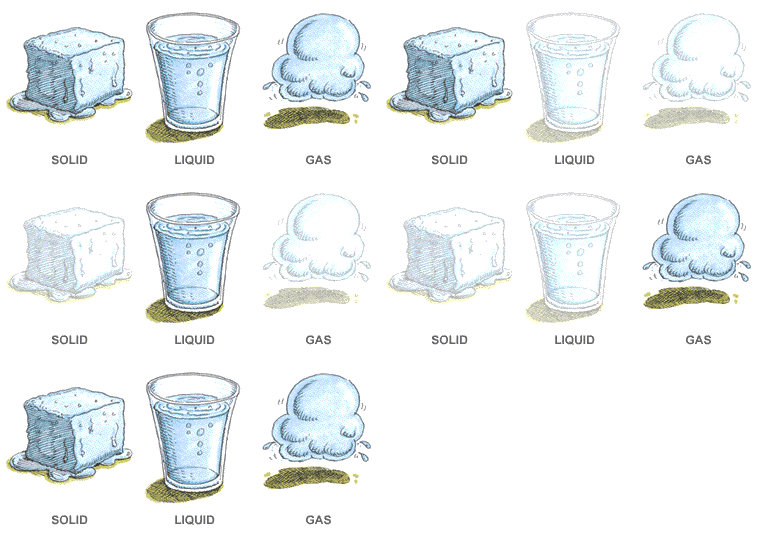
Many substances can exist in multiple states of matter. Water can be in all three. The state of matter is a

a)

chemical property

b)

physical property

8.

Trail mix can contain many different items. They each of a specific taste and smell. Taste and smell are examples of

a)

chemical properties

b)

physical properties

9.

When frying an egg, the protein in the egg whites become denatured. Denaturing of proteins means the compounds are changing into a different compound. Denaturing is an example of a

a)

chemical property

b)

physical property

10.

When it is heated, butter will melt. Melting point is a

a)

chemical property

b)

physical property

11.
Which is NOT a physical change?
a)
Cutting a pizza into equal slices.
b)
Ice cubes melting back into liquid. water
c)
Baking cupcakes.
d)
A chocolate bar melting.
12.

Sodium metal is explosive when combined with water. This is a

a)

chemical property

b)

physical property

13.

Oxygen tends to gain electrons when bonding with magnesium. This is an example of a

a)

chemical property

b)

physical property

14.

The compound in leaves that make them look green is chlorophyll. The green coloring of chlorophyll is a

a)

chemical property

b)

physical property

15.
Evidence of a physical change.
a)
New substance
b)
Shape Change
c)
Light produced
d)
Gas released.
16.
How many atoms of carbon (C) are in C6H12O6?
a)
3
b)
6
c)
12
d)
24
17.
Element or compound?
H2O
a)
element
b)
compound
18.
Which of the following is a compound?
a)
Co
b)
O2
c)
C
d)
CO2
19.
Which is the correct formula for:
 three hydrogen (H)
one sulfur (S)
four oxygen (O)
a)
H3SO4
b)
HSO4
c)
H4S3O
d)
H2O
20.
The blue numbers in the image below represent ________
a)
I don't know, and don't want to try
b)
coefficients
c)
subscripts
d)
none of the answers are correct
21.
How many atoms are there TOTAL in:
H2SO4
a)
6
b)
5
c)
7
d)
3
22.
Which of the following is a positively charged subatomic particle found in the nucleus of an atom?
a)
Electron
b)
Proton
c)
Neutron
d)
Quark
23.

An atom has an atomic number of 15 and a mass number of 31. How many protons are there in the atom?

a)

15

b)

31

c)

16

d)

47

24.
What carries no charge 
a)
Neutrons
b)
Electrons
c)
Protons
25.
Calcium is most like which of the following?
a)
Barium
b)
Potassium
c)
Cesium
d)
Nitrogen
26.
The noble gases have how many valence electrons?
a)
1
b)
2
c)
7
d)
8
27.
Elements which are considered semiconductors are 
a)
metal
b)
nonmetal
c)
metalloid
d)
nonexistent
28.
The blue atoms are called 
a)
metals
b)
nonmetals
c)
metalloids
d)
noble gases
29.
The atoms along the staircase are called 
a)
metals
b)
nonmetals
c)
metalloids
d)
noble gases
30.
Beryllium is in group number______.
a)
Group 2
b)
Group 3
c)
Group 4
d)
Group 7
31.
How many Valance electrons does Iodine Have?
a)
6
b)
16
c)
7
d)
17
32.
What is the name of the group that never reacts--ever ever they are stable with a full outermost ring!!!
a)
noble gases
b)
transition
c)
halogens
d)
borons
33.
Which is the smallest?
a)
electron
b)
proton
c)
atom
d)
neutron 
34.
An atom has 5 protons and 7 neutrons. What is the mass number of the atom?
a)
5
b)
7
c)
2
d)
12
35.
How many elements are in C6H12O6?
a)
1
b)
2
c)
3
d)
4
36.
What is a coefficient?
a)
The small number on the right of the chemical symbol.
b)
The large number in front of a chemical formula.
c)
The number in between the chemical symbols.
d)
The number behind a chemical formula.
37.
What is the part of the chemical equation in green called? 
Fe + S --> FeS
a)
products
b)
reactants
c)
yield
d)
chemical formula
38.
What is the little number after an element in a chemical equation called.
Example: H2
a)
Coefficient 
b)
Subscript
c)
Atom
d)
Equation
39.
What coefficient should be used to make the following equation balanced?
N2+O2--> _NO 
a)
1
b)
2
c)
3
d)
4
40.
Which problem is balanced?
(Check ALL answers)
a)
PbO2 + 2H2
b)
SO2 + H20 --> H2SO4
c)
2Na + 2H2O --> 2NaOH + H2
41.
How many elements are in C6H12O6?
a)
1
b)
2
c)
3
d)
4
42.
Element or compound?
H2O
a)
element
b)
compound
43.
How many HCl molecules do you need to balance this equation? 
Mg +  __HCl --->  MgCl2 + H2
a)
1
b)
2
c)
3
d)
4
44.
Is this balanced?
Al + O2 → 2Al2O3
a)
Yes
b)
No
45.

Is the equation balanced?: 2H2O + O2 --> 4MgO + 3Fe

a)

yes

b)

no

46.
What does the Law of Conservation of Mass state?
a)
Matter cannot be gained or lost in a chemical reaction.
b)
Matter can only be lost in a chemical reaction.
c)
Matter can only be gained in a chemical reaction.
d)
Matter can be gained and lost in a chemical reaction. 
47.
What is the left part of a chemical equation called?
2H2 + O2 --> 2H2O
a)
Reactants
b)
Products 
c)
Yields 
d)
Chemical Equation 
48.
What is the right part of a chemical equation called...
2H2 + O2 --> 2H2O
a)
Reactants
b)
Products 
c)
Yields 
d)
Chemical Equation 
49.
What is the total number of atoms present in 5Na3PO4
a)
5
b)
40
c)
55
d)
8
50.
Is the following equation balanced?
2C2H2 + 5O2 --> 4CO2 + 2H2O
a)
yes
b)
no
51.
Is the following equation balanced?
4Fe + 3O2 --> 2Fe2O3
a)
yes
b)
no
52.
Is the following reaction balanced?
NaHCO3 --> Na2CO3 + H2O + CO2
a)
yes
b)
no
53.
Is the following reaction balanced?
2CH3OH + 3O2 --> 2CO2 + 4H2O
a)
yes
b)
no
54.

Evidence of a chemical reactions is anything that shows -

a)

a new substance has formed

b)

a solid dissolved in a liquid

c)

interaction between 2 gases

d)

a change in the state of matter

55.
One of the signs of a chemical reaction taking place is:
a)
Bubbles are produced 
b)
Reactants are not combining
c)
Products are not forming
d)
Color is not changing
56.

Which of the following describes a precipitate?

a)

a liquid forms when a block of metal is heated

b)

a solid forms when one liquid is poured into another

c)

a gas forms when a solid is placed in a liquid

d)

bubbles form when an acid is poured on a rock

57.
Which is NOT an indication of a chemical change?
a)
temperature change
b)
formation of a precipitate
c)
shape change
d)
production of light
58.

You know a chemical reaction has occurred if

a)

there is a precipitate.

b)

there is a color change.

c)

there is a temperature change.

d)

All of these answers are evidence.

59.
A clear liquid from a flask is poured into another clear liquid in a beaker. Which of the following results of this procedure would indicate a new substance was formed?
a)
The level of the substance in the beaker is higher after the other liquid is added.
b)
A yellow solid forms and then settles to the bottom of the beaker.
c)
Small white crystals are left behind in the flask that held the first liquid.
d)
The mass of the combined liquids is greater than either original liquid.
60.
Which of the following is an example that includes evidence of a chemical reaction?
a)
A sample of zinc is placed in water and it settles to the bottom
b)
A solid block of ice is heated and it completely melts into a liquid. 
c)
Sugar that is burned gives off an odor and turns brown and then black.
d)
A tomato is placed into a blender and chopped up into smaller pieces.
61.
Four students performed four different investigations by combining different substances. Which of the observations is most indicative of a chemical reaction?
a)
investigation 1
b)
investigation 2
c)
investigation 3
d)
investigation 4
62.
A student places a piece of a potato into a container of hydrogen peroxide. One observation the student makes is that bubbles form around the potato. The presence of bubbles might indicate the formation of a new substance because bubbles - 
a)
could show that a gas is forming.
b)
always rise to the top of a liquid. 
c)
are almost always perfectly spherical.
d)
usually burst after a few minutes.
63.
In a container, a solid consisting of clear crystals is combined with a blue liquid and the following observations are obtained: How many of the listed observations indicate a new substance was formed?
a)
1
b)
2
c)
3
d)
4
64.

The chemical bond between a metal and a non-metal will be a _____ bond.

a)

metal

b)

ionic

c)

covalent

d)

polar

65.

The chemical bond between a non-metal and another non-metal will be a ________ bond.

a)

metal

b)

ionic

c)

covalent

d)

polar

66.

In an ionic bond the metal wants to ______ electrons.

a)

lose

b)

gain

c)

share

67.

When a metal loses an electron(s) it becomes a ...

a)

positive ion

b)

negative ion

c)

metalloid

d)

nonmetal

68.

In an ionic bond the non-metal wants to ______ electron(s).

a)

lose

b)

gain

c)

share

69.

When a non-metal gains an electron it becomes a...

a)

positive ion

b)

negative ion

c)

metalloid

d)

metal

70.

In a covalent bond both non-metals _____ electrons.

a)

transfer

b)

share

71.

Beryllium and sulfur will form a ______ bond

a)

ionic

b)

covalent

c)

metalloid

72.

When beryllium loses an electron to sulfur it becomes a...

a)

positive ion

b)

negative ion

73.

When sulfur gains an electron from beryllium it becomes a...

a)

positive ion

b)

negative ion

74.

Sodium and Bromine will make a _____ bond.

a)

ionic

b)

covalent

c)

metallic

75.

When sodium loses an electron to bromine, sodium becomes a...

a)

positive ion

b)

negative ion

76.

When bromine gains an electron for sodium, bromine becomes a ...

a)

positive ion

b)

negative ion

77.

Carbon and Oxygen will make a ___________ bond.

a)

ionic

b)

covalent

c)

metallic

78.

Nitrogen and Oxygen will make a ____________ bond

a)

ionic

b)

covalent

c)

metallic

79.

MgO

a)

ionic

b)

covalent

c)

metallic

80.

NaCl

a)

ionic

b)

covalent

c)

metallic

81.

When sodium loses an electron to chlorine, sodium becomes a .......

a)

positive ion

b)

negative ion

82.

When chlorine gains an electron from sodium, chlorine becomes a ...

a)

positive ion

b)

negative ion

83.

If two fluorine atoms bond they will make a _____ bond.

a)

ionic

b)

covalent

c)

metallic

84.

Hydrogen and Chlorine will from a _________ bond

a)

ionic

b)

covalent

c)

metallic

85.

What would be the correct chemical formula for:

Ba+2 combined with Br-1

a)

BrBa

b)

Br2Ba2

c)

BaBr2

d)

Ba2Br

86.

What would the correct chemical formula be for:

Ca+2 combined with O-2

a)

Ca2O2

b)

OCa2

c)

Ca-2O+2

d)

Ca4O2

87.

The correct chemical formula for magnesium phosphide is

a)

MgP

b)

Mg₂P₃

c)

Mg₃P₂

d)

Mg2O₂

88.

The formula of FeCl₂ is a compound containing

a)

Phosphorus and Carbon

b)

Iron and Chlorine

c)

Fluorine and Cobalt

d)

Lead and Calcium

89.

The correct chemical formula for the combination of potassium and oxygen would be:

a)

KO

b)

K2O

c)

K-2O2

d)

O2K

90.

The chemical formula for the combination of phosphorus and calcium would be:

a)

PCa

b)

P5Ca2

c)

CaP

d)

Ca3P2

91.

When a formula includes more than one polyatomic ion it is written

a)

with a coefficient in front

b)

with parentheses around the polyatomic ion and a subscript behind the parentheses

c)

with superscripts above each element in the polyatomic ion

d)

with the polyatomic ion in square brackets before adding the subscript

92.

How many iodine atoms are needed to bond with magnesium?

a)

1

b)

2

c)

3

d)

4

93.

When magnesium and nitrogen bond, the correct chemical formula would be

a)

Mg2N3

b)

Mg3N2

c)

Mg2N5

d)

Mg5N2

94.

What is the correct formula for a bond between aluminum and oxygen?

a)

Al3O2

b)

Al3O6

c)

Al2O3

d)

Al6O3

95.

Which of the following would be the correct formula for Beryllium Iodide?

a)

BI2

b)

Be2I

c)

BeI2

d)

IBe2

96.

How many of the polyatomic ion are present in the formula Cr(NO2)3

a)

1

b)

2

c)

3

d)

4

97.

How many of the polyatomic ion are in the following compound Ca3(PO4)2

a)

2

b)

3

c)

4

d)

5

98.

When Cu and OH combine, 2 OH ions and 1 Cu atom are needed. Which formula has this written correctly?

a)

CuOH2

b)

Cu2OH

c)

Cu(OH)2

d)

correct answer is not given

99.

Which of the following formulas has the polyatomic ion written correctly if there are three of them in the formula


Polyatomic ion SO4

a)

Fe(3SO4)

b)

Fe2(SO4)3

c)

Fe(SO3)

d)

correct answer is not given

100.

How many valence electrons do elements in Group 15 have?

a)

15

b)

5

c)

4

101.

How many electrons are required to fill the outer shell for elements in Group 15

a)

15

b)

3

c)

5

102.

How many valence electrons do elements in Group 13 have?

a)

13

b)

5

c)

3

103.

How many valence electrons do elements in Group 1 have?

a)

7

b)

10

c)

1

104.

How many valence electrons are required to fill the outer shell for elements in Group 17?

a)

17

b)

1

c)

7

105.

How many valence electrons do most elements in Group 18 have?

a)

18

b)

8

c)

2

106.

What is the charge, or oxidation number, for elements in Group 17?

a)

+ 1

b)

-7

c)

-1

107.

What is the charge, or oxidation number, for elements in Group 2?

a)

-2

b)

+2

c)

-3

108.

What is the charge, or oxidation number, for elements in Group 13?

a)

+ 3

b)

-5

c)

+13

109.

What is the charge, or oxidation number, for elements in Group 14?

a)

14

b)

+4/-4

c)

-16