Wayground logo

Free Printable Worksheets

Font size

S
M
L
XL
Worksheets

Chapter 7H

Total questions: 45

Worksheet time: 24mins

Name
Class
Date
1.
The element oxygen, represented by the symbol O, is classified as
a)
a pure substance
b)
a compound
c)
a mixture
d)
a solution
2.
The chemical combination of two or more different kinds of atoms in fixed amounts is called a(n)
a)
orbit
b)
compound
c)
mixture
d)
element
3.
Carbon dioxide is formed when two oxygen atoms chemically combine with a carbon atom. Which term best describes carbon dioxide?
a)
atom
b)
mixture
c)
element
d)
compound
4.
Carbon (C) and hydrogen (H) are pure substances. Each is made of only one type of atom, but carbon atoms are different from hydrogen atoms. Carbon and hydrogen chemically combine to form methane (CH4).
a)
methane is an element and carbon and hydrogen are compounds.
b)
carbon, hydrogen, and methane are all elements.
c)
carbon, hydrogen, and methane are all compounds.
d)
carbon and hydrogen are elements and methane is a compound.
5.
What defines a mixture?
a)
described by a chemical formula
b)
can be broken down into its basic substances through physical means
c)
created through a chemical reaction
d)
cannot be broken down into simpler substances
6.
The air we breathe contains different individual gases (mostly nitrogen and oxygen). Which of the following correctly describes the air we breathe?
a)
compound
b)
liquid
c)
element
d)
mixture
7.

This is the smallest unit of an element.

a)

atom

b)

molecule

c)

compound

d)

nucleus

8.

This is any combination of two or more atoms from different elements that are chemically combined.

a)

compound

b)

molecule

c)

element

d)

pure substance

9.

This is what holds atoms in a molecule and compound together. They can be ionic, covalent, or metallic (and you'll learn about these in high school chemistry).

a)

chemical bond

b)

chemical formula

c)

chemical symbol

d)

electron cloud

10.

This is a one or two letter representation of each element that is generally close to the element's name. The first letter of this will ALWAYS be capitalized.

a)

chemical symbol

b)

chemical number

c)

atomic number

d)

atomic mass

11.
Elements are made of 
a)
many types of atoms 
b)
the periodic table
c)
one type of atom 
d)
molecules 
12.
All matter is made of 
a)
energy 
b)
atoms 
c)
electrons 
d)
compounds 
13.
How many hydrogen atoms are there in a water molecule? 
a)
0
b)
1
c)
2
d)
3
14.
What is the total number of atoms in an ammonia (NH3) molecule?
a)
1
b)
2
c)
3
d)
4
15.
Carbon dioxide (CO2) contains how many atoms of oxygen?
a)
0
b)
1
c)
2
d)
3
16.
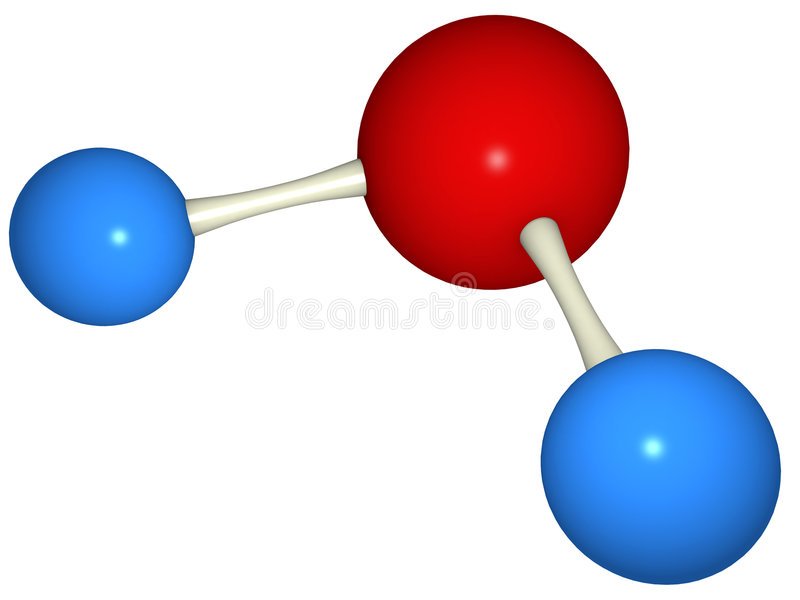
What type of molecule does this picture show?
a)
hydrogen peroxide
b)
water
c)
carbon monoxide
d)
sugar
17.
made up of one or more of the same type of atom
a)
atom
b)
element
c)
molecule
d)
compound
18.

Is K an element or a molecule?

a)

element

b)

molecule

19.
Molecule or Not?  N2
a)
molecule
b)
not a molecule
20.

Which of the following is a chemical symbol?

a)

H2O

b)

O

c)

NaCl

d)

FeO

21.
In a ___________change, a substance changes into a different substance.
a)
Physical
b)
Chemical
22.
In a chemical reaction, bonds are broken and new bonds are formed that create new substances. The bonds that are broken are called what?
a)
Reactants
b)
Products
c)
Atoms
d)
Catalysts
23.
a copper penny turning greenish after a few years.
a)
Chemical Change
b)
Physical Change
24.
Which of the following IS a physical change?
a)
Getting a haircut
b)
Rusty metal
c)
sour milk
d)
A compound
25.
_______________ is an example of both a color change and new substance produced from a chemical change with oxygen and metal.
a)
shredded paper
b)
rust (iron oxide)
c)
wood chips
d)
melted wax
26.
Which of these is NOT a sign that a chemical change has occurred? 
a)
Change in shape.
b)
An unexpected color change
c)
A temperature change
d)
The formation of a precipitate
27.
When a candle melts, it is a ___________________  change.
a)
chemical
b)
physical
c)
transparent
d)
undefined
28.
What indicates a chemical reaction occurred?
a)
Heat or Light is released
heat or light is produced
b)
gas (bubbles) produced
c)
color change
d)
all of the above
29.

How is a chemical change different from a physical change?

a)

there is no difference

b)

a physical change creates a new substance

c)

a chemical change creates a new substance

30.
The substances listed on the right side of a chemical equation are the
a)
Yields
b)
Reactants
c)
Products
d)
Precipitates
31.

Name the ionic compound, LiCl

a)

lithium chlorine

b)

lithium chloride

c)

lithium chlorate

d)

lithium monochloride

32.
H20 - name?
a)
hydrooxic acid
b)
hydroxic acid
c)
water
d)
hydrogen oxide
33.

Name the following compound:

CO2

a)

monocarbon dioxide

b)

carbon oxide

c)

carbon dioxide

d)

oxygen carbonide

34.
Where are the non-metals located on the periodic table?
a)
All over
b)
On the left side of the "staircase"
c)
On the right side of the "staircase"
35.
What is the proper name for CaCl2?
a)
Calcium dichloride
b)
Monocalcium dichloride
c)
Calcium chloride
d)
Calcium chlorine
36.

Which row shown represents compounds?

a)

Top row

b)

Bottom row

37.

Which choice would be a molecule?

a)

O

b)

H

c)

Au

d)

H2

38.

Which of the following is an element?

a)

H2O

b)

C12H22O11

c)

NaCl

d)

H2

39.
Which of the following is a sign that a chemical reaction has occurred?
a)
change in shape
b)
melting
c)
formation of a gas
d)
dissolving
40.
Is melting butter for popcorn a chemical or physical change?
a)
chemical
b)
physical
41.
Is hammering wood together to build a house a chemical or physical change?
a)
chemical
b)
physical
42.
What is the chemical symbol for the element Silicon
a)
S
b)
Si
c)
si
d)
Sl
43.
Which of the following is a pure substance?
a)
O2
b)
Al2CO5
c)
C6H12O6
d)
SiO2
44.
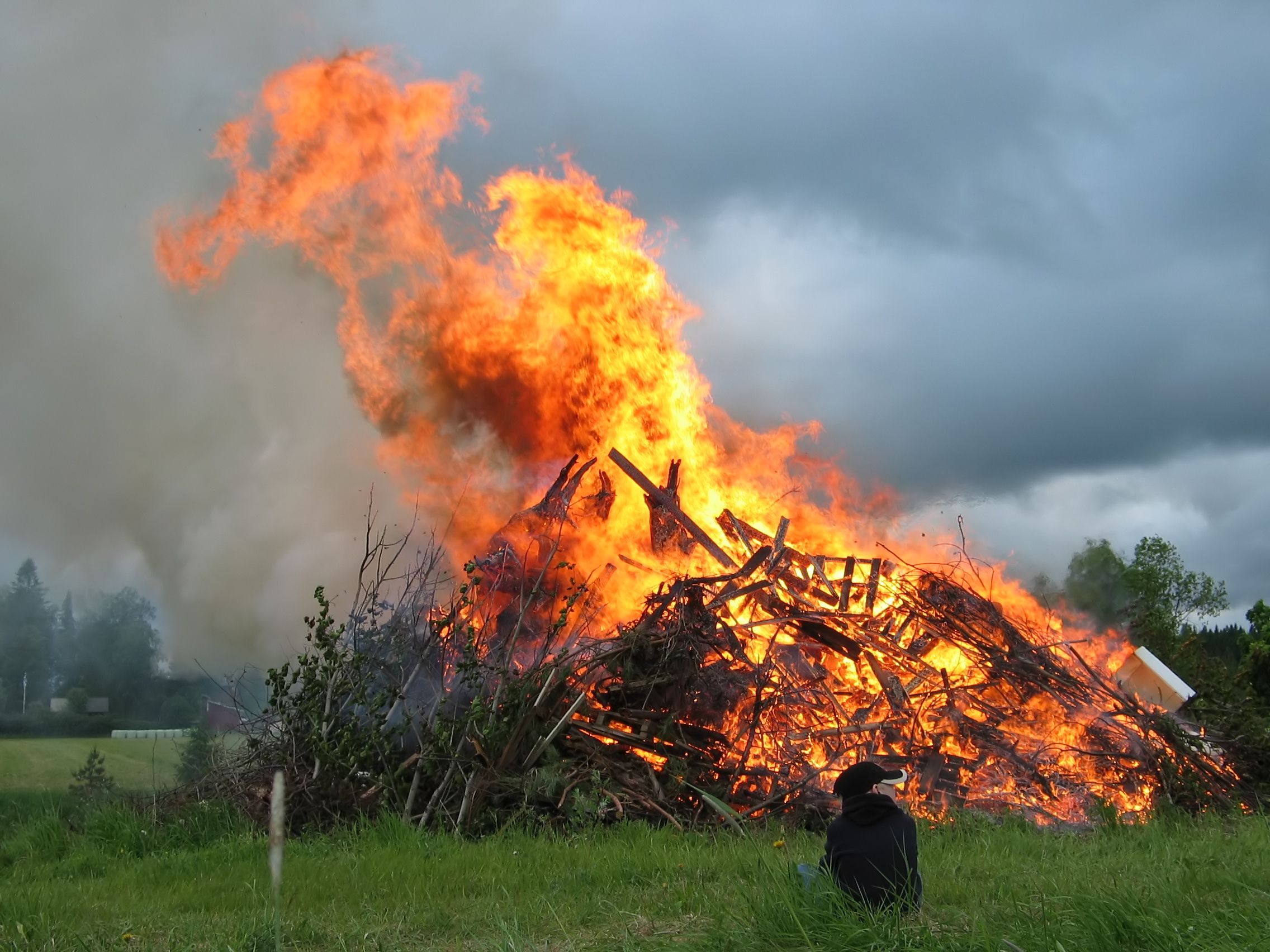
Is wood burning a physical or chemical change?
a)
Physical 
b)
Chemical
45.
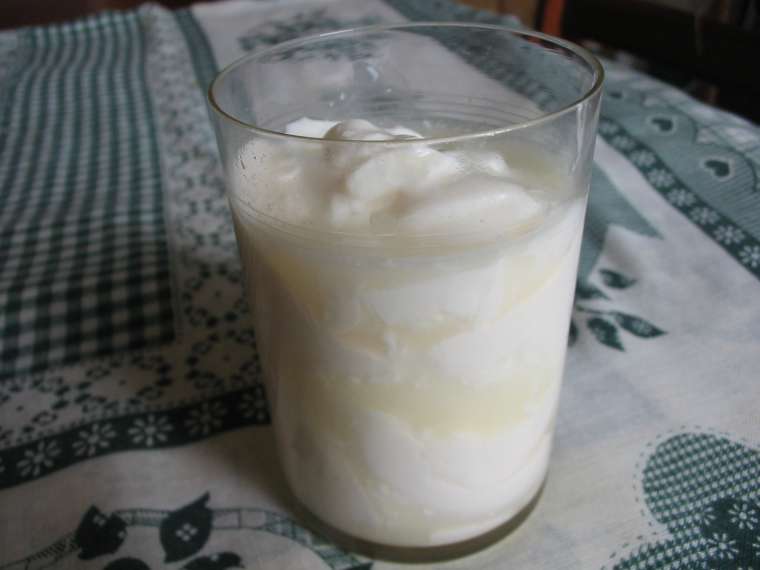
Is milk going sour a physical or chemical change?
a)
Physical 
b)
Chemical