wayground logo

Free Printable Worksheets

Font size

S
M
L
XL
Worksheets

Invertebrate Animals 8

Total questions: 45

Worksheet time: 18mins

Name
Class
Date
1.

Which of the following is an invertebrate?

a)

Cat

b)

Snail

c)

Goldfish

d)

Humans

2.

What does invertebrate mean?

a)

Animals without a backbone

b)

Animals that change their form

c)

Animals with a backbone

d)

Animals that lay eggs

3.
I have a soft-body, a hard shell, and live on land and water.  What am I?
a)
Mollusk
b)
Arthropod
c)
Echinoderm
d)
Cnidarian
4.
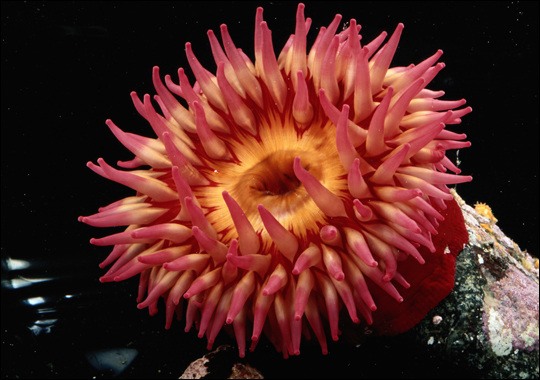
The organism in the picture is a(n)
a)
echinoderm
b)
mollusk
c)
arthropod
d)
cnidarian
5.
Arthropods have an outer covering called a(n)_________
a)
endoskeleton
b)
bones
c)
exoskeleton
d)
armor
6.
I am an arachnid, have four pairs of legs, and a body with two sections.
a)
Echinoderm
b)
Arthropod
c)
Annelid
d)
Porifera
7.
What phylum am I in?
a)
Echinoderm
b)
Cnidarian
c)
Mollusk
d)
Annelid
8.
This picture is an example of which group of invertebrates?
a)
Segmented worms
b)
Fish
c)
Sponges
d)
Arthropods
9.
I have a cavity with one opening.  I am coral.  In what phylum am I?
a)
Mollusk
b)
Arthropod
c)
Echinoderm
d)
Cnidarian
10.
Why are sponges classified as animals
a)
they digest food
b)
they breathe through gills
c)
they use legs to move
d)
they have skeleton
11.
Which three parts of the body has an insect?
a)
Tencacles, head, legs
b)
head, abdomen, legs
c)
Head, thorax, abdomen 
d)
Hair, bones, foot 
12.
Which of the following is not an invertebrate?
a)
spider
b)
starfish
c)
catfish
d)
crab
13.
Soft bodied invertebrate with a thick muscular foot for movement: some have shells
a)
molluks
b)
arthropod
c)
segmented worm
d)
sponge
14.
What group has a long tube-like body with many sections and breathes through its skin?
a)
Segmented Worms
b)
Arthropods
c)
Echinoderms
d)
Sponges 
15.
This group is made of filter feeders and has lots of pores in its body:
a)
Segmented Worms
b)
Arthropods
c)
Mollusks
d)
Sponges
16.
This group has jointed legs and segmented bodies and exoskeletons:
a)
Segmented Worms
b)
Mollusks
c)
Sponges
d)
Arthropods
17.
insects, and arachnids (spiders and ticks)
a)
Sponges
b)
Arthropods
c)
Segmented Workd
d)
Mollusks
18.
clams, squids, and octopuses
a)
Sponges
b)
Echnioderms
c)
Mollusks
d)
Segmented Worms
19.
sea cucumber, brittle stars, and sea stars 
a)
Mollusks
b)
Echinoderms 
c)
Segmented Worms
d)
Arthropods 
20.
The simplest invertebrate
a)
Mollusks
b)
Echinoderms
c)
Sponges 
d)
Arthropods
21.

Which of the following is NOT a group of arthropods?

a)

Myriapod

b)

Insects

c)

Crustacean

d)

Gastropod

22.

This group has no organs or tissues just specialized cells

a)

Equinoderms

b)

Sponges

c)

Worms

d)

Cnidarians

23.

. Which of the following is NOT a characteristic of animals?

a)

Multicellular

b)

Prokaryotes

c)

Eukaryotes

d)

Heterotrophs

24.

Which of the following groups has two sheells for protection?

a)

Gastropods

b)

Cephalopods

c)

Bivalves

d)

Arachnids

25.

This group has the most developed brain among the invertebrates.

a)

Insects

b)

Gastropods

c)

Cephalopods

d)

Echinoderms

26.

What is the main difference among the different groups of arthropods?

a)

The number of segments

b)

The number of legs

c)

The number of eggs

d)

The exoskeleton

27.

Animals are multicellular, eukaryotic and _____________

a)

Invertebraes

b)

Prokaryotic

c)

Autothrophs

d)

Heterothrophs

28.

In this type of symmetry we can divide the animal in several equal parts.

a)

Asymmetry

b)

Radial

c)

Bilateral

d)

Symmetrical

29.

In this type of symmetry we can divide the animal in two similar halves.

a)

Radial

b)

Bilateral

c)

Asymmetry

d)

Symmetrical

30.

Sponges usually have this type of symmetry.

a)

Asymmetry

b)

Radial

c)

Bilateral

d)

Symmetrical

31.
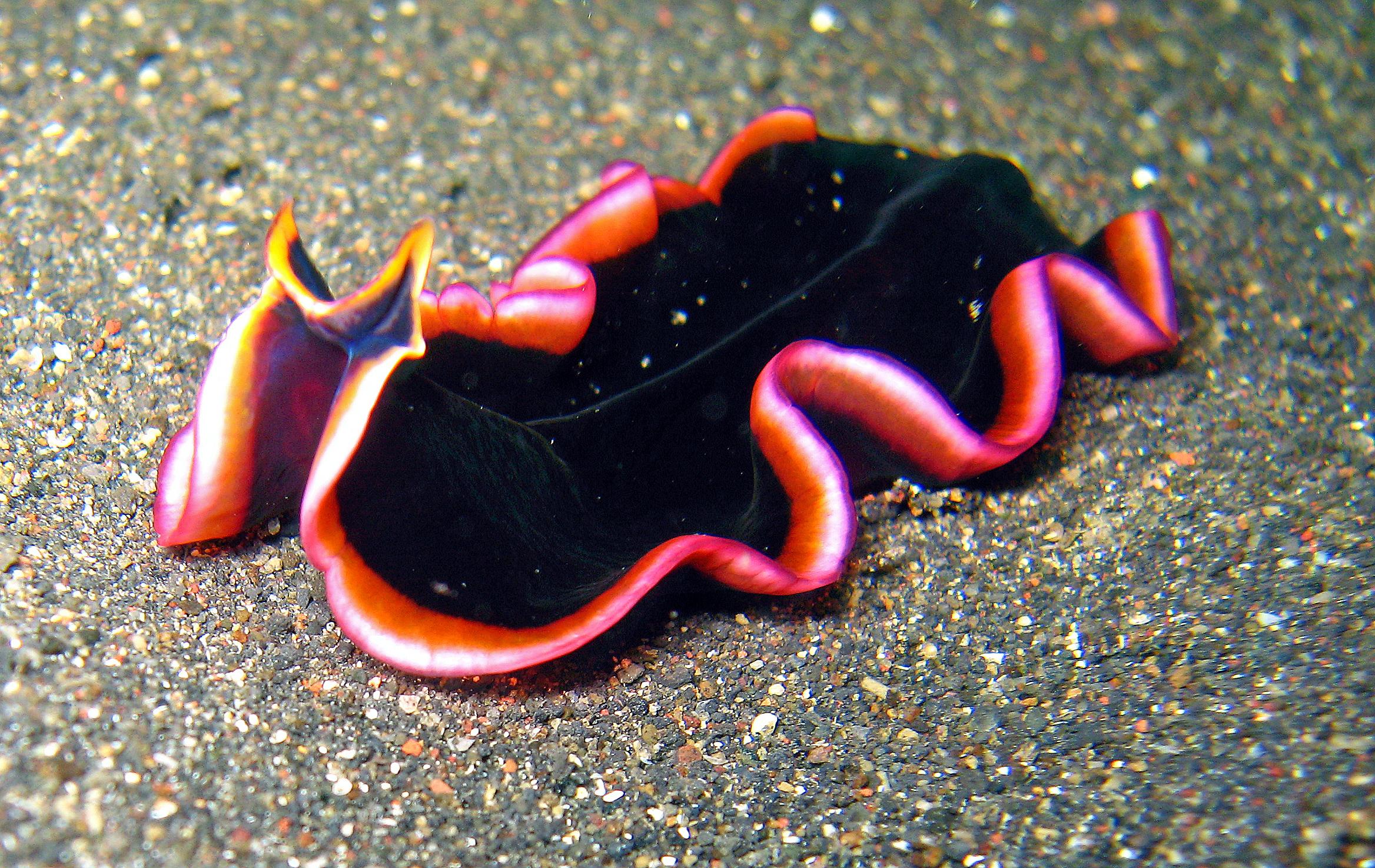
What type of symmetry does this animal exhibit?
a)
Asymmetry
b)
Bilateral symmetry
c)
Radial symmetry
32.
What type of symmetry does this animal exhibit?
a)
Asymmetry
b)
Bilateral symmetry
c)
Radial symmetry
33.
Which have radial symmetry?
a)
starfish
b)
jellyfish
c)
sea anemones
d)
all of these have radial symmetry
34.

How long ago did life appear on earth?

a)

1 million years

b)

3.5 billion years

c)

2.5 million years

d)

2020 years ago

35.

What was the first group of animals to exist on the ocean floor?

a)

Anemone

b)

Jellyfish

c)

Sponge

d)

Coral

36.

Animals are considered heterothrophs because___________

a)

They make their own food

b)

Their cells have nuclear membrane

c)

They are made of many cells

d)

They take nutrients from other sources

37.

Animals are considered eukaryotes because___________

a)

They make their own food

b)

Their cells have nuclear membrane

c)

They are made of many cells

d)

Their cells lack a nuclear membrane

38.

Animals are considered multicellular because___________

a)

They are made of only one cell

b)

Their cells have nuclear membrane

c)

They are made of many cells

d)

Their cells lack a nuclear membrane

39.
Which three parts of the body has an insect?
a)
Tencacles, head, legs
b)
head, abdomen, legs
c)
Head, thorax, abdomen 
d)
Hair, bones, foot 
40.
Which groups of invertebrates exist? 
a)
Arthropods, molluscs and worms
b)
Arachnics, worms, molluscs and echinoderms 
c)
Sponges, insects, worms, molluscs and arthropods
d)
Arthropods, sponges, jellyfish, echinoderms, worms and molluscs
41.
The ________ have 2 shells 
a)
Gastropods
b)
Bivalves
c)
Archnids 
d)
Anelids 
42.
The molluscs are divided into...
a)
Arachnids, bivalves and sponges
b)
Worms, echinoderms and gastropods
c)
gastropods, bivalves and cephalopods 
d)
insects, arachnids and crustaceans 
43.
a)

Mollusk bivalve

b)

Mollusk cephalopod

c)

Mollusk gastropod

d)

Crustacean

44.

Insect

a)

b)

c)

d)

45.

Mollusk Cephalopod

a)

b)

c)

d)