
 Worksheets
Northbrook Earth Science Final Review
Total questions: 141
Worksheet time: 2hrs 41mins

What type of heat transfer that travels in waves?
Convection
Conduction
Radiation
What type of heat transfer happens in liquids & gases?
Convection
Conduction
Radiation
What type of heat transfer that requires touch/contact?
Comvection
Radiation
Conduction
What causes wind?
The rotation of the Earth.
Unequal heating of the Earth's surface.
The surface of the earth needs to be cooled.
The movement of clouds.

Which layer of the atmosphere is where you find the weather?
Troposphere
Stratosphere
Mesosphere
Thermosphere

Which layer of the atmosphere contains the ozone that protects from sun’s radiation?
Troposphere
Stratosphere
Mesosphere
Thermosphere

Which layer of the atmosphere is the coldest layer?
Troposphere
Stratosphere
Mesosphere
Thermosphere

Which layer of the atmosphere it contains most of the water?
Troposphere
Stratosphere
Mesosphere
Thermosphere

Which layer of the atmosphere has the jet stream?
Troposphere
Stratosphere
Mesosphere
Thermosphere

Which layer of the atmosphere burns up Meteors?
Troposphere
Stratosphere
Mesosphere
Thermosphere

Which layer of the atmosphere is the hottest layer?
Troposphere
Stratosphere
Mesosphere
Thermosphere

Which layer of the atmosphere is the top layer closest to space?
Troposphere
Stratosphere
Mesosphere
Thermosphere

What type of air mass is the picture showing?
Warm Front
Cold Front
Occluded Front
Stationary Front

Which type of front quickly changes weather with lower temperature, heavy rain, lightening, thunder and wind and it can lead to severe weather?
Warm Front
Cold Front
Occluded Front
Stationary Front

Which front is shown in the picture?
Warm Front
Cold Front
Occluded Front
Stationary Front

Which front has gentle light rain or snow?
Warm Front
Cold Front
Occluded Front
Stationary Front

Which front is shown in the picture?
Warm Front
Cold Front
Occluded Front
Stationary Front

Which front is shown in the picture?
Warm Front
Cold Front
Occluded Front
Stationary Front

Which front forms where warm and cold air meet and neither air mass has the force to move the other?
Warm Front
Cold Front
Occluded Front
Stationary Front

Which type of front remains stationary, or “stands still?”
Warm Front
cold Front
Occluded Front
Stationary Front

Which front brings days and days of precipitation?
Warm Front
Cold Front
Occluded Front
Stationary Front
How does a hurricane form?
They form at a stationary front.
They form when is is really warm and there is a lot of rain.
They form near the equator over warm ocean waters and are fed be the energy from the warm ocean waters.
They form when the wind gets really strong over the ocean during a stationary front.
A _____________ is a large, rotating low-pressure system that forms over the warm waters of oceans near the equator.
tornado
hurricane
thunderstorm
flooding
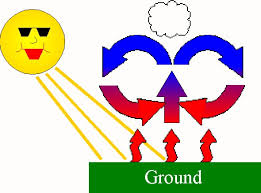
Most of Earth’s weather occurs in the________________________.
Mesosphere
Stratosphere
Thermosphere
Troposphere
Meteor showers occur in the
troposhphere
mesosphere
stratosphere
exosphere
What protects Earth from ultraviolet rays from the sun?
ozone layer
mesosphere
air pressure
troposphere


What source of energy below is the most important in driving the water cycle?
Geothermal energy changes water to steam so condensation can occur
Sunlight heats up Earth's surface water creating the process of evaporation
Wind helps change surface water into water vapor during the process of evaporation
Gravity is necessary to pull water downhill when it rains thus allowing water to flow into rivers and streams
Lab partners are designing an experiment that shows the important steps of the water cycle. For their experimental design, which of the following procedures could best be used to demonstrate the difference between condensation and evaporation?
To show condensation- increase the temperature within the cycle; to show evaporation-decrease the temperature
To show condensation- decrease the temperature within the cycle; to show evaporation- increase the temperature
To show condensation- maintain a constant temperature within the cycle; to show evaporation- increase the temperature
To show condensation- maintain a constant temperature within the cycle; to show evaporation-decrease the temperature

Refer to the diagram below of a student's lab setup of the water cycle. In this experiment, the total amount of water inside the container is measured at the beginning and then again after a full cycle has occurred.
Which of the following best predicts the outcome of the experiment and explains why?
The beginning amount of water in the container would be less than the ending amount of water in the container because the water evaporated, decreasing the water level.
The beginning amount of water in the container would be more than ending amount of water in the container because the process of condensation increases the water level.
The beginning and ending amounts of water in the container would be equal because the water that was evaporated increased the water level but then came back as precipitation which decreased the water level again
The beginning and ending amounts of water in the container would be equal because the water that was evaporated decreased the water level but then came back as precipitation which increased the water level again.

Use the diagram above to answer the question.
Which of the following questions can BEST be answered by the data presented in the graph above?
Is there a direct relationship between the density and salinity of ocean water?
Is there an indirect relationship between the density and salinity of ocean water?
Does the density of ocean water increase over time?
Does the salinity of ocean water increase over time?

A student was studying the ocean floor topography and began to question how pressure and temperature would differ at each feature.
What conclusions can she draw about ocean floor features F and G?
Feature F is an ocean trench while Feature G is a continental shelf, which has more pressure than the ocean trench because there are more water molecules above it and a lower temperature because the sun cannot penetrate its deep waters to warm it.
Feature F is a continental shelf while Feature G is a deep ocean trench, which has more pressure than the continental shelf because there are more water molecules above it and a lower temperature because the sun cannot penetrate its deep waters to warm it.
Feature F is an abyssal plain, while Feature G is a mid-ocean ridge, which has more pressure than the ocean trench because there are more water molecules above it and a lower temperature because the sun cannot penetrate its deep waters to warm it.
Feature F is a mid-ocean ridge, while Feature G is an abyssal plain, which has more pressure than the continental shelf because there are more water molecules above it and a lower temperature because the sun cannot penetrate its deep waters to warm it.

The graph shows the distribution of water on Earth's surface.
What can be concluded from the image?
Most of the freshwater on Earth is found in oceans
Most of the water available on Earth is not drinkable
Most of the water available on Earth is drinkable
Most of the freshwater on Earth is found as groundwater

What is the biggest difference between the Geocentric Model and the Heliocentric Model?
the shape of the planets' orbits
the movement of the moon
the center of the solar system

What does the Geocentric system look like?
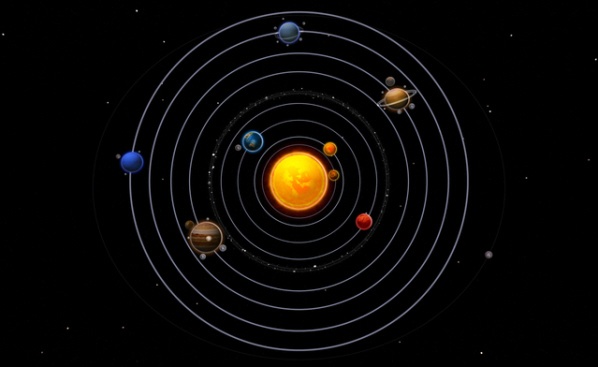
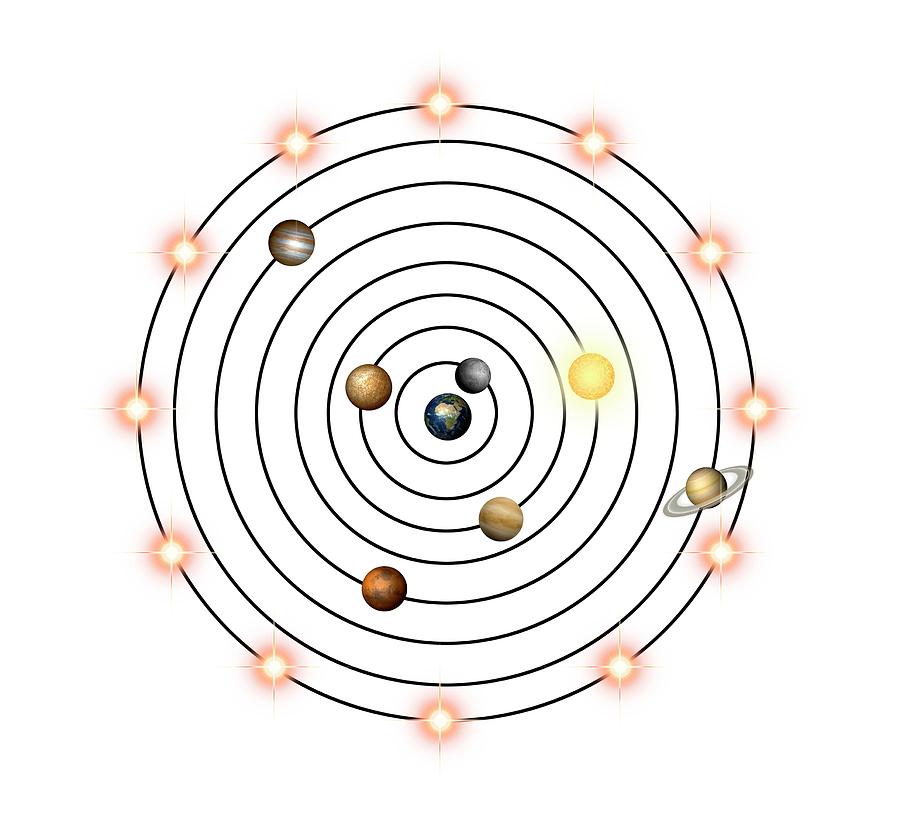
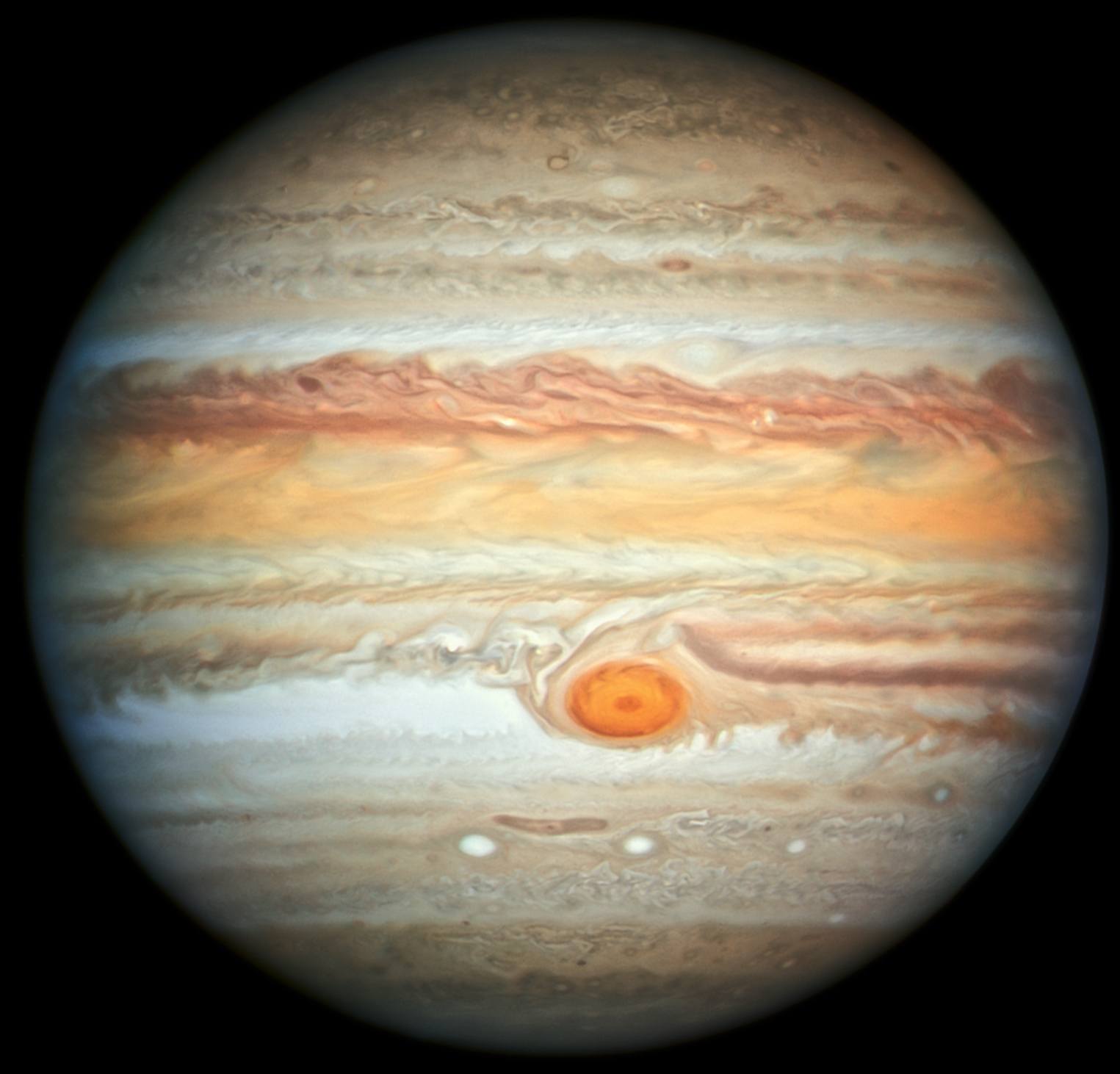
What does the Heliocentric system look like?


The Big Bang Theory
Theories can change when....
we discover new information and new technology
whenever the scientist decides
the decade changes
cows jump over the moon
What does helio mean?
earth
jupiter
sun
pluto
What does geo mean?
earth
sun
pluto
jupiter

Which planets are made of solid surfaces and rocky cores?
terrestrial
gas giants
outer planets
Which planets are mostly made of gases?
terrestrial
gas giants
inner planets
Which planets are all outer planets?
gas giants
terrestrial planets
Which planets are all inner planets?
gas giants
terrestrial planets


Which terms describe the composition of the inner planets?
rocky
gaseous
water
solid
Which term describes the composition of the outer planets?
rocky
solid
water
gaseous
Which statement best describes the density of the outer planets?
a rock sinking in the ocean
a balloon floating in a bathtub
Why do the inner planets have longer days than the outer planets?
Inner planets are closer to the sun.
Outer planets are larger.
Outer planets are farther from the sun.
Inner planets are denser & rotate slower.
Why do the outer planets have longer years than the inner planets?
The outer planets rotate faster than the inner planets.
The outer planets are farther from the sun.
The inner planets are denser and rotate slower.
Outer planets are made of gas.
Why don't the outer planets have a separate atmosphere?
Because they are so large.
Because the planet's composition is the same as the atmosphere.
Because of all the moons revolving around the planets cause the atmosphere to mix with the planet.
Because they rotate so fast, the atmosphere blends in with the planet.
Which group of planets are denser?
inner
outer
A force which tries to pull two objects towards each other is
gravity
inertia
mass
speed
Gravity is based on an object's
mass
size
roundness
brightness
What keeps the planets in orbit around the sun?
gravity and inertia together
gravity
inertia
neither gravity or inertia
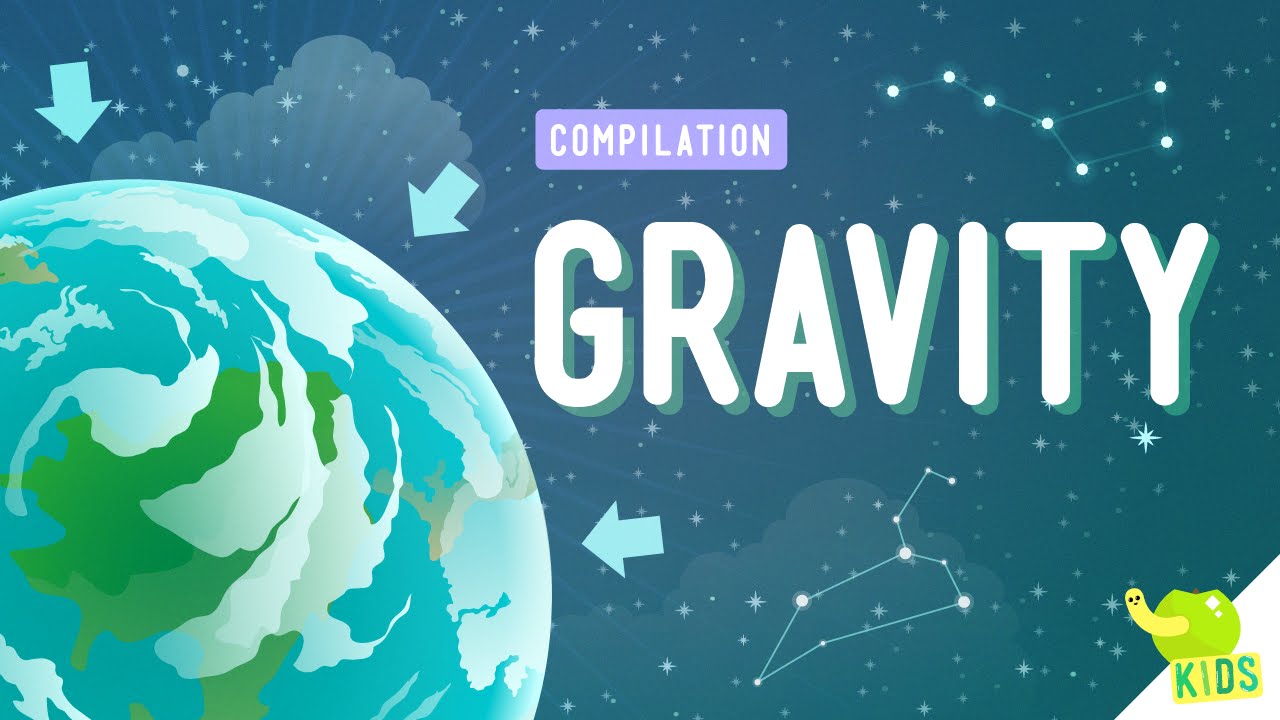
What two forces affect gravity?
mass and inertia
mass and distance
mass and force
mass and weight


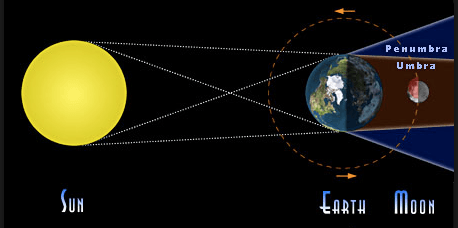

Another name for a shooting star is a ___________________.
meteorite
meteor
meteoroid
Meteors are made of
plastic
chunks or rock and metal
paper
Meteors are sometimes called
sky stars
planets
shooting stars
I am a rock entering a planet's atmosphere.
meteor
moon
asteroid
comet


The Southern Hemisphere is experiencing winter.
True
False
The Southern Hemisphere is experiencing summer.
True
False
The Northern Hemisphere is experiencing summer.
True
False
The Northern Hemisphere is experiencing winter.
True
False
When the Moon is directly between the Sun and the Earth, what phase would the Moon be in?
Full Moon
New Moon
Half Moon
Waxing Crescent


What are the phases of the moon in order from New moon to Full moon?
1st quarter, Waning Gibbous, Waxing Crescent
Waning Gibbous, 3rd Quarter, Waning Crescent
Waxing Crescent, 1st Quarter, Waxing Gibbous
Waning Gibbous, 3rd Quarter, Waning Crescent
What are the phases of the moon in order from Full moon to New moon?
1st quarter, Waning Gibbous, Waxing Crescent
Waning Gibbous, 3rd Quarter, Waning Crescent
Waxing Crescent, 1st Quarter, Waxing Gibbous
Waning Gibbous, 3rd Quarter, Waning Crescent
What do you call the phases where the moon is growing?
Waxing
Waning
What do you call the phases where the moon is shrinking?
Waxing
Waning
Tide that causes the water at the beach to rise.
Low Tide
High Tide
Tide that causes the water at the beach to fall.
Low Tide
High Tide
What two things cause an increase in the density of water?
Location
Temperature
Salinity
Color
What two situations would cause salinity to increase?
Precipitation adding fresh water.
Fresh water freezing out of the ocean into icebergs.
Evaporation removing freshwater.
Where rivers meet the ocean, adding freshwater in that area.
What two situations would cause salinity to decrease?
Precipitation adding fresh water.
Fresh water freezing out of the ocean into icebergs.
Evaporation removing freshwater.
Where rivers meet the ocean, adding freshwater in that area.
Why does hot water rise?
More dense
Less dense
Why does cold water sink?
More dense
Less dense
Why does freshwater rise?
More dense
Less dense
Why does saltwater sink?
More dense
Less dense

According to the chart what is the lowest point on the chart?
High Tide
Low Tide
According to the chart what is the highest point on the chart?
High Tide
Low Tide

