
 Worksheets
Human and Social Biology
Total questions: 60
Worksheet time: 30mins
In the nutrition activity, you looked at the nutritional information found on food. What are calories a measure of?
Sugar
Carbs
Energy
Protein
In the digestion activity, you ate a cracker. Is saliva breaking down food an example of mechanical or chemical digestion?
Mechanical
Chemical
Both
Neither
In the digestion activity, you ate a cracker. Is chewing food an example of mechanical or chemical digestion?
Mechanical
Chemical
Both
Neither
In the Heart Rate Lab, you tested the effect of exercise on heart rate. What was the independent variable?
Resting vs. Exercise
Heart Rate
Blood Pressure
Type of Exercise
In the Heart Rate Lab, you tested the effect of exercise on heart rate. What was the dependent variable?
Resting vs. Exercise
Heart Rate
Blood Pressure
Type of Exercise
Which body system breaks down food into small molecules to be used by body cells?
The Skeletal System
The Muscular System
The Circulatory System
The Digestive System
Which body system works to transport blood throughout the body?
The Skeletal System
The Muscular System
The Circulatory System
The Digestive System
Which body system protects the internal organs and provides a framework for the body?
The Skeletal System
The Muscular System
The Circulatory System
The Digestive System
Which body system enables movement of the body and internal organs?
The Skeletal System
The Muscular System
The Circulatory System
The Digestive System
What happens if there is a mess up in the DNA structure?
Mutations, like autism and down syndrome
cancer
mutations; deformities
nothing
How many new cells are made in meiosos?
3
2
1
46
Meiosis goes through twice
True
False
Mitosis goes through twice
False
True

What is the definition of digestion?
Breakdown of food
Absorption of food
Using food for energy
What kinds of digestion take place in the mouth?
Physical
Chemical
Biological
How many types of teeth are there?
3
5
4
2
Which of these contain fibre?


Which of these acids is found in the stomach?
Hydrochloric Acid
Sulphuric Acid
Nitric Acid
Ascorbic Acid
Which of these is the Liver?


Where does most of the digestion of food take place?
Liver
Stomach
Small Intestine
Pancreas
What is the largest organ inside the body?
Liver
Pancreas
Skin
Stomach
What does the Liver produce?
Saliva
Bile
Amino Acids
Enzymes
What are your kidneys for?
health tests
Filter wastes and liquid excess
Filter solid waste
What type of disease is this?
Hereditary and Nutritional
Hereditary
Nutritional
Bacterial and Viral
Which is not a sign/symptom of kidney disease?
Nausea
Patches On the Skin
Sleep Problems
Muscle twitches

What is this organ?
Liver
Kidney
Pancreas
Stomach
Where does absorption primarily take place?
Stomach
Small intestine
Large intestine
Gall bladder

Which of the following letters shows the proximal convoluted tubule?
A
D
E
H
In which direction do substance move during filtration?
Blood to Filtrate
Filtrate to Blood
Tubules to Capillaries
Tubules to Arterioles
During which nephron process(es) do substances move from the blood into the filtrate
Filtration
Reabsorption
Secretion
Excretion
During which process is 99% of the water returned to the blood vessels?
Filtration
Reabsorption
Secretion
What substances are not filtered from the blood during filtration?
Blood Cells
Plasma Proteins
Glucose
Ions
The fluid that surrounds the organelles is... (hint... "Try to pull a fast one and..."
chloroplast
cytoplasm
vacuole
cell wall
What takes blood back to the heart?
arteries
veins
capillaries
What part of the heart has strong walls and is bigger?
atrium
Aorta
ventricle
What part of the heart divides the ventricles into two sides?
ventricular separator
divider
Septum
What organ does the blood flow to in order to pick up Oxygen?
liver
stomach
brain
lung


Identify the disease and name the deficiency that causes it?
Kwashiorkar, caused due to deficiency of proteins
Kwashiorkar, caused due to deficiency of proteins and carbohydrates
Marasmus, caused due to deficiency of proteins
Marasmus, caused due to deficiency of proteins and carbohydrates
Deficiency of __________ causes Night blindness.
Vitamin B1
Vitamin D
Vitamin A
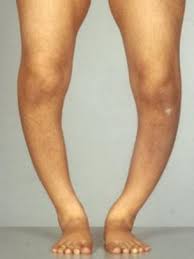
Deficiency of which nutrient leads to this disease?
Vitamin A
Vitamin D
Vitamin C
Having iodized salt regularly in your food will help in the prevention of __________.
Goitre
Anaemia
Rickets
Stunted growth and stomach shrinkage are the symptoms of this deficiency disease.
Kwashiorkor
Marasmus
Anaemia
Having foods rich in this vitamin will prevent Beriberi disease.
Vitamin A
Vitamin C
Vitamin B1
If you suffer from Anaemia you should eat foods rich in _____.
Vitamin A and C
Calcium and Phosphorus
Iron and Vitamin B12
Lack of exposure to sunlight may lead to deficiency of this ______________.
Vitamin D
Vitamin K
Vitamin E
The deficiency diseases can be prevented by having ___________.
Junk food
Balanced diet rich in fresh fruits and vegetables
Lots of water
Infection and bleeding of gums can be prevented by having foods rich in ___________.
Iron
Calcium
Vitamin C
Most incidents of pollution are deliberately caused by______.
humans
machines
animals

