wayground logo

Free Printable Worksheets

Font size

S
M
L
XL
Worksheets

Heat - Chemical Changes

Total questions: 53

Worksheet time: 30mins
Name
Class
Date
1.

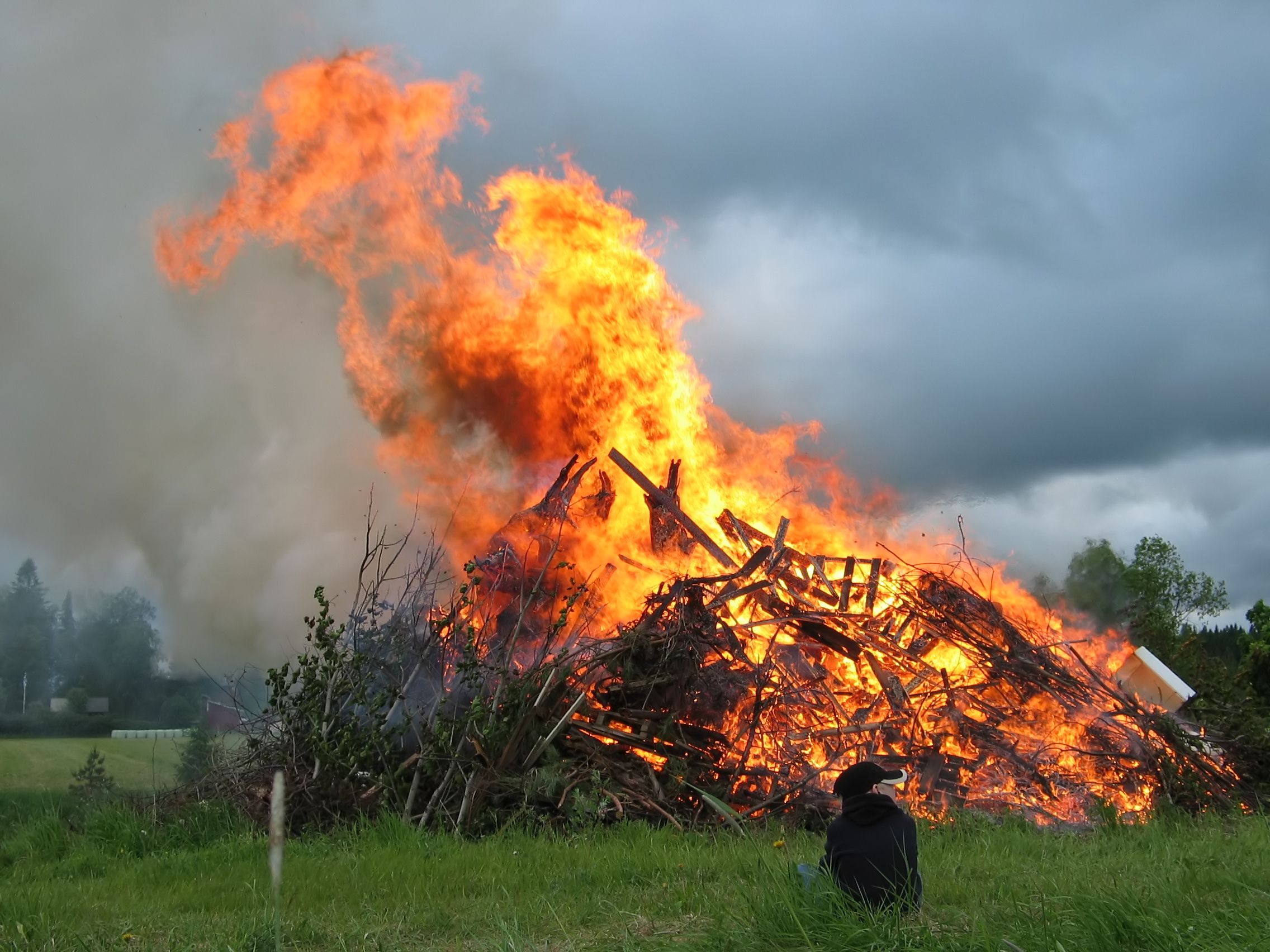
Wood that is burning in a brush pile has heat, and produces ashes.

a)

Physical

b)

Chemical

2.

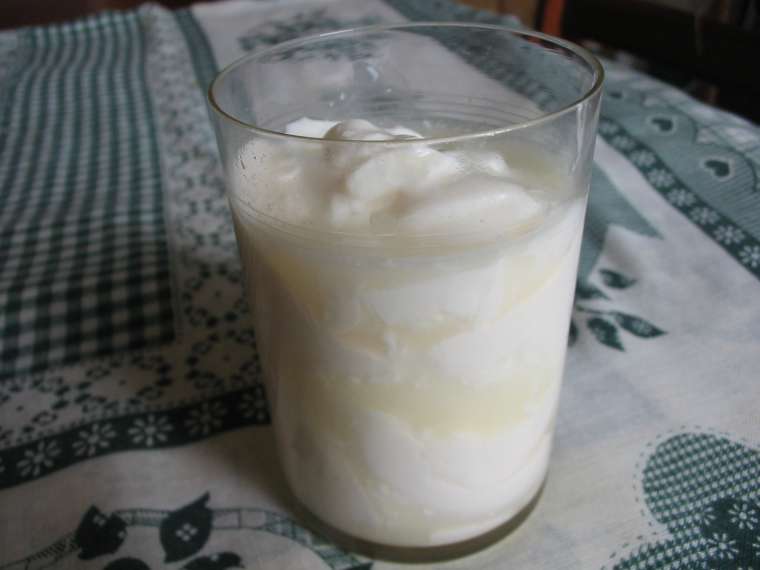
Is milk going sour a physical or chemical change?

a)

Physical

b)

Chemical

3.
Is freezing juice a physical or chemical change?
a)
Physical Change
b)
Chemical Change
4.

What happens to temperature as water freezes?

a)

The temperature increases

b)

The temperature decreases

c)

The temperature stays the same

5.

When you increase the energy by heating a liquid what happens to the motion of the molecules

a)

They slow down

b)

They speed up

c)

Heat doesnt change the motion of the molecules

6.
Evidence of a physical change.
a)
New substance
b)
Shape Change
c)
Light produced
d)
Gas released.
7.
Sodium Hydroxide dissolves in water
a)
Chemical Change
b)
Physical Change
8.
Hydrochloric acid reacts with potassium hydroxide to produce a salt, water,and heat.
a)
Chemical Change
b)
Physical Change
9.
Potassium chlorate decomposes to potassium chloride and oxygen gas.
a)
Chemical Change
b)
Physical Change
10.
Ice Melting
a)
Chemical Change
b)
Physical Change
11.
Pancakes cooking on a griddle
a)
Chemical Change
b)
Physical Change
12.
Sugar dissolves in water
a)
Chemical Change
b)
Physical Change
13.
Which of the following is a Physical Property 
a)
Toxicity
b)
Flammability
c)
Malleability
d)
Reactivity
14.
Any change in the state of matter of a substance is a...
a)
Physical Change
b)
Chemical Change
15.

Which of the following is a chemical change?

a)

evaporation of a puddle of water

b)

photosynthesis

c)

formation of ice cubes in the freezer

d)

melting of ice glaciers

16.

Which of the following is a physical change?

a)

burning of candle

b)

crushing a can

c)

mixing vinegar with baking soda

d)

ripening fruits

17.

Chemical change can be both useful and harmful.

a)

True

b)

False

18.

Examples of chemical changes include interactions between matter and heat, matter and light, matter and electricity and mixing of different matter.

a)

True

b)

False

19.

When matter interacts with oxygen, which of the following chemical changes occur? Select all the possible changes.

a)

combustion

b)

neutralisation

c)

photosynthesis

d)

respiration

e)

rusting

20.

What is the name of the reaction between an acid and alkali?

(a)  

21.

When matter interacts with light, which of the following chemical changes occur? Select all the possible changes.

a)

combustion

b)

electroplating

c)

electrolysis

d)

image formed on an X-ray film

e)

photosynthesis

22.

What is the name of the chemical change for producing glucose and oxygen by green leaves in the presence of sunlight?

(a)  

23.

What is the name of the reaction for heating and breaking down mercury oxide into mercury and oxygen?

(a)  

24.

Which of the following describe a physical change?

a)

The change is reversible.

b)

No new substance is formed.

c)

Heat or light or both may be taken in or given out.

d)

Properties of products are different from the properties of reactants.

25.

What is the name of the gas produced from a reaction between an acid and a metal?

(a)  

26.

What is the name of the gas produced from a reaction between an acid and a carbonate?

(a)  

27.

What causes a medal to be coated with copper?

a)

electricity

b)

heat

c)

light

d)

oxygen

28.

Which of the following result confirms that a chemical change is produced from mixing two solutions?

a)

A new substance is formed.

b)

No visible change is seen.

c)

The resulting solution appears lighter.

d)

The resulting solution changes colour.

29.

Atoms are neither destroyed nor created, thus a chemical reaction involves rearrangement of atoms that make up the reactants.

a)

True

b)

False

30.

What causes sugar to turn into carbon and water vapour?

a)

electricity

b)

heat

c)

light

d)

oxygen

31.

Select all the properties of an acid.

a)

corrosive

b)

tastes sour

c)

turns red litmus paper blue

d)

reacts with some metals and carbonates

32.

When both red and blue litmus papers were dipped into a solution, the red litmus paper turns blue, and blue litmus paper remains blue. What could solution X be?

a)

distilled water

b)

detergent

c)

lime juice

d)

vinegar

33.

Acid rain has a pH of 4. What is colour of Universal indicator when acid rain is added?

a)

red

b)

orange

c)

green

d)

blue

34.
Heat transfers from ______ objects to cold objects. 
a)
Cold
b)
Hot
c)
Convection
d)
Radiation 
35.
What type of heat transfer happens in liquids and gases?
a)
Conduction
b)
Convection
c)
Radiation
36.
Touching hot sand is.... 
a)
Conduction
b)
Convection
c)
Radiation 
37.
Hot air ______ while cool air ____
a)
Sinks, Rises
b)
Rises, Rises
c)
Rises, Sinks
d)
Convection, Radiation 
38.
True or False: Electromagnetic waves are emitted by the sun. 
a)
True 
b)
False
39.
A heat lamp on a reptile cage is what type of heat transfer?
a)
Conduction
b)
Convection
c)
Radiation
40.
Hot air rising from a campfire is...
a)
Conduction
b)
Convection
c)
Radiation 
41.
Boiling water is an example of what two types of heat transfer
a)
Conduction and Radiation
b)
Conduction and Convection
c)
Radiation and Convection
42.
Rubber is considered an _____
a)
Conductor
b)
Insulator
c)
Radiation 
d)
None of the above
43.
Objects that allow energy to pass through them easily are _______
a)
Insulators
b)
Conduction
c)
Conductors
d)
None of the above
44.
Sun tanning is an example of....
a)
Conduction
b)
Convection
c)
Radiation 
45.
Temperature is the measurement of the average ________ energy of the molecules in an object
a)
Kinetic 
b)
Heat
c)
Motion
d)
None of the above
46.
Which of the following is not a conductor 
a)
Wood
b)
Copper
c)
Iron
d)
Silver 
47.
When you touch a cold window, how is energy being transferred?
a)
The window transfers heat to you 
b)
You transfer heat to the window
c)
The sun transfers heat to you
d)
None of the above
48.
Ice melting in a cup is caused by....
a)
The ice is heated up by the drink
b)
Ice is cooling down the liquid
49.
Energy that is transferred from hotter objects to cooler objects is... 
a)
Thermal/Heat
b)
Temperature
c)
Electricity
d)
Conduction 
50.
If an object has greater mass, it has greater
a)
Temperature
b)
Thermal Energy
c)
Heat 
d)
All of the above 
51.
My hands feel warm because 
a)
The temperature is cold outside
b)
The molecules are moving
c)
The heat is transferring 
52.
Heat 
a)
Moves from hot to cold
b)
Moves from cold to hot
c)
Always rises up
d)
It depends on the molecules
53.
When heat transfers from warmer to cooler, the molecules
a)
move closer and slow down
b)
move closer and speed up
c)
spread out and slow down
d)
spread out and speed up