
Font size
 Worksheets
Anatomy and Physiology Semester 2 Final
Total questions: 75
Worksheet time: 51mins


The retina turns images into signals and sends them through the ____________________.
Auditory nerve
Optic nerve
pupil
___is a ring of smooth muscle that controls the amount of light that enters the eye.
pupil
sclera
iris
conjunctiva
Touch receptors are classified as
mechanoreceptors
nociceptors
chemoceptors
photoreceptors

What would happen to your pupils if it's extremely bright outside?
They would let a lot of light into your eyes
They would expand and become very large
They would contract and become very small
They would close up completely

How are rods different from cones?
Rods are sensitive to light, while cones can detect color.
Cones are sensitive to light, while rods can detect color.
Cones send images to the brain, while rods do not.
Rods send images to the brain, while cones do not.
Which type of eye has more than one lens?
simple eye
cupped eye
compound eye
Endocrine glands secrete _
Hormones
Neurotransmitters
A wide range of chemical substances

The process by which an organism’s internal environment is kept stable in spite of changes in the external environment.
Positive Feedback
Negative Feedback
Homeostasis
Targeted Cells
Cells that have receptors for a particular hormone.
gland cells
neurons
hormones
target cells
Which hormone is responsible for targeting the kidney tubules to absorb water?
Adrenlaine
Aldosterone
Antidiuretic hormone
Adrenocorticotrophic hormone
The response to stress is called
Stay or Stray Response
Fight or Stay Response
Flee or Stray Response
Fight or Flight Response
The adrenal glands release adrenaline to help the body regulate _________________.
diseases
body temperature.
stress.
hormones.


Listening with a stethoscope is called:
Auscultation
Inspection
Palpation
Percussion

Using the diagram to determine the blood type
A+
A-
B+
B-
Blood pressure is recorded as
Hydrostatic /diastolic
Diastolic/ hydrostatic
Systolic/diastolic
Diastolic/systolic
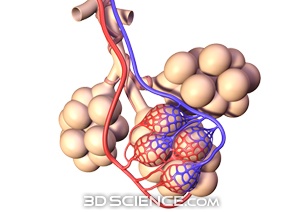
The passageway that is shared by both the digestive and respiratory system is the....
larynx
pharynx
trachea
nose
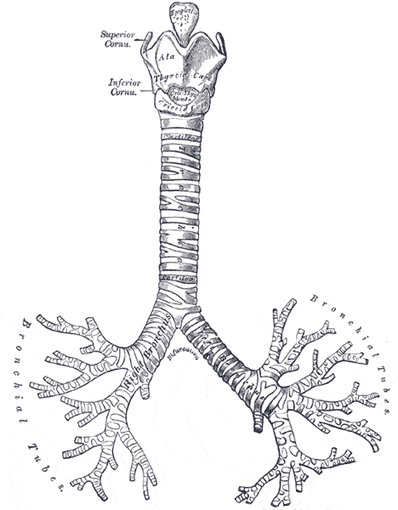
What is tube that is also known as your wind pipe?
esophogus
bronchi
trachea
alveoli
Fish do not have lungs.
true
false
Earthworms and frogs utilize their __ to breathe.
lungs
skin
gills
spiracles
Which answer is true?
Increase in volume= increase in pressure
decrease in volume= increase in pressure
decrease in volume= decrease in pressure
Increase in volume= no change in pressure in pressure

What is the volume that remains in the lungs even after a forceful exhale
expiratory reserve
residual volume
inspiratory reserve
total lung capacity
The amount of air inhaled in a normal breath.
vital capacity
tidal volume
external respiration
respiration
What is the function of the lungs?
Moisten and warm the air coming into the respiratory tract
Protect the windpipe from collapse
Provide a large amount of surface area for the transfer of carbon dioxide and oxygen
Split the trachea into two tubes
The amount of fluid filtered from the blood into the capsule per minute is called:
the glomerular filtration rate.
the glomerular rate.
the gluteal filtration rate.
the fixation rate.
Each kidney contains approximately:
1 thousand nephrons.
1 hundred nephrons.
1 billion nephrons.
1 million nephrons.
Internally both kidneys have three distinct regions:
cortex, medulla, peritoneum.
cortex, medulla, pelvis.
cortex, mediastinum, pelvis.
carina, medulla, pelvis
Which structure rests on the superior pole of each kidney?
spleen
colon
adrenal gland
glomerulus
Each ureter originates at the renal __ as it exits the hilum of its respective kidney.
sinus
pelvis
papilla
pyramid
The hollow, muscular organ that temporarily stores urine is the
ureter.
urethra.
kidney.
bladder.

Which letter shows the urethra?
H
F
D
B
The ________________ arteries supply the kidneys with blood.
Renal
Urethral
Pulmonary
Pelvic
In homeostasis, the kidney regulates the:
levels of electrolytes
amount of water in the body
pH
all of these
Digestion refers to the mechanical and chemical breakdown of food.
True
False
Peristalsis occurs in the digestive tract
in the stomach, small intestine, and large intestine only.
in the small and large intestine only.
in the stomach and small intestine only.
from the pharynx to the anus.
If the liver was damaged, which of the following would be difficult to digest?
carbohydrates
lipids
proteins
all of these
The purpose of the intestinal villi is to
secrete serous fluid to decrease friction among the organs.
push the fecal matter into the rectum.
secrete mucous to facilitate the movement of chime through the alimentary canal.
increase surface area for nutrient absorption.
What breaks food down into smaller pieces to begin mechanical digestion?
stomach
teeth
esophagus
amylase
Gastric juices in the stomach:
kill bacteria.
work together to digest food.
include hydrochloric acid.
All of the above.
The gallbladder releases which substance?
saliva
bile
chyme
amylase

Number 11 points to the
ascending colon
gall bladder
appendix
small intestine
Which number indicates the esophagus?
13
16
3
1

