
 Worksheets
Nutrition
Total questions: 80
Worksheet time: 39mins
Which of the following nutrients is important for body, cell, and muscle growth and repair?
vitamins
Lipids
proteins
carbohydrates
Elements essential for good health. e.g. Calcium, Iron, Potassium
Protein
Lipids
Minerals
Carbohydrates
The body uses this to dissolve and transport materials.
Lipids
Water
Minerals
Vitamins
Stored energy e.g. oils, butter, margarine
Lipids
Carbohydrates
Minerals
Vitamins
Which of the following is NOT a nutrient?
water
Lipids
fiber
protein
Fish, nuts, oils and avocado are health sources of....
Fiber
Protein
Minerals
Lipids
WHAT ARE THE 6 NUTRIENTS?
Carbs, Meats, Fibers, Water, Protein, and Dairy
Fruits, Milk, Fibers, Water, Pork, and Vitamins
Carbs, Lipids, Minerals, Water, Proteins, and Vitamins
Carbs, Lipids, Fibers, Cheese, Protein, and Vegtables
A substance you need to grow and live is called a
Balanced diet
Nutrient
Calorie
Myplate
This type of nutrient is needed in larger amounts and includes proteins, lipids, and carbohydrates
Carbohydrate
Micronutrient
Mineral
Macronutrient
This macronutrient is a building block for the body's tissues
Carbohydrate
Lipids
Protein
Vitamin
The starches and sugars found in foods; esp. in plant based foods. They are the main source of energy.
Lipids
Protein
Carbohydrates
Nutrients
A collection of chemical reactions that takes place in the body's cells. Determines the rate at which our bodies break down and use food for energy.
Calorie
Metabolism
Nutrition
Nutrient
Which of the following vitamins play a very key role in eyesight including night vision and color recognition?
a. vitamin A
b. vitamin B
c. vitamin K
d. all of the above
Which if the following foods are rich in Vitamin A?
a. milk fortified with vitamin A
b. liver
c. orange fruits and vegetables (like cantaloupe, carrots, sweet potatoes)
d. all of the above
Which of the following foods are a good source of Vitamin B?
a. whole grains, such as wheat and oats
b. fish and seafood
c. eggs , dairy products, like milk and yogurt
d.all the above
This vitamin is important for keeping body tissues, such as gums and muscles in good shape. It is also a key if you get a cut because it helps you heal. This vitamin also helps your body resists infections like cold.
a. vitamin A
b.vitamin C
c. vitamin D
d. vitamin K
You might end up with very weak bones without sufficient quantities of this Vitamin
a. vitamin B
b. vitamin C
c. vitamin D
d. vitamin K
Vitamin D is abundant in the following foods:
a. milk fortified with vitamin D
b. fish
c. egg yolks
d. all the above
Fat soluble Vitamins are:
a. vitamin A
b.vitamin D
c. vitamin E
d. all of the above


Identify the part of the tooth labelled A.
Dentine
Pulp
Enamel
Root

Identify the structured labelled F
Dentine
Blood Vessels
Pulp
Root Canal
What is the process of wave-like muscle contractions that moves food through the digestive tract?
Pericardium
Peristalsis
Pepsin
Pericoronitis
What is the process called where enzymes break down food molecules?
Hydrolysis
Hydrocarbon
Hyperventilation
Hydrochloric acid
Where does absorption primarily take place?
Stomach
Small intestine
Large intestine
Gall bladder
Where is bile produced?
Kidney
Pancreas
Liver
Small intestine
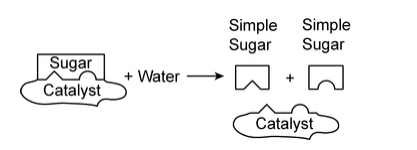
STARCH---->MALTOSE
Which enzyme below is involved in the following chemical digestion process?
LIPIDS---->FATTY ACIDS/GLYCEROL
Lipase
Trypsin
Amylase
Pepsin
PROTEINS---->POLYPEPTIDES
Sucrose --------> Glucose + Fructose
Sucrase
Sucrace
maltase
lactase
Lactase converts Lactose to Glucose + ____________________
Fructose
Glucose
Galactose
Maltose
__________________ converts lipids to emulsified droplets
Bile salts
Pancreatic juice
Gastric juice
Orange juice

What is this organ?
Liver
Kidney
Pancreas
Stomach

What is this organ (the one in red)?
Pancreas
Kidney
Liver
Stomach
What does BMI stand for?
Bioelectrical Impedance
Body Fat percentage
Body Motor Index
Body mass index
Which of the following are needed to measure BMI?
Age
Gender
Weight
Height
Deficiency of __________ causes Night blindness.
Vitamin B1
Vitamin D
Vitamin A
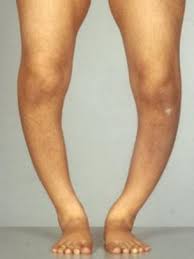
Deficiency of which nutrient leads to this disease?
Vitamin A
Vitamin D
Vitamin C
Having iodized salt regularly in your food will help in the prevention of __________.
Goitre
Anaemia
Rickets
Having foods rich in this vitamin will prevent Beri beri disease.
Vitamin A
Vitamin C
Vitamin B1
Lack of exposure to sunlight may lead to deficiency of this ______________.
Vitamin D
Vitamin K
Vitamin E
The deficiency diseases can be prevented by having ___________.
Junk food
Balanced diet rich in fresh fruits and vegetables
Lots of water
Which of the following tests for starch?
Iodine
Benedict's
Biuret
Emulsion
Which of the following tests for protein?
Iodine
Benedicts
Biuret
Emulsion
Which of the following tests for glucose?
Iodine
Benedicts
Biuret
Emulsion
When starch is present iodine turns...
purple
blue-black
orange
brick red
When protein is present Biuret turns...
purple
blue-black
orange
brick red
How do you test for lipids?
By using Ethanol and water
By using Benedicts solution
By using Iodine
By using Biuret test
What is a positive result for the lipid emulsion test?
milky white colour
clear
yellow
green

What is the chemical that breaks down food in your mouth?
Saliva
Lipase
Lipid
Bile

What is the first Nutrient that is broken down in the digestion process?
Fats
Carbohydrates
Proteins
Fiber

Where does MOST of the digestion process occur?
Small intestine
Mouth
Stomach
Large Intestine
Colon

The physical & chemical breakdown of food is called?
Digestion
Absorption
Swallowing
Excretion

Pick the correct order of digestion
Mouth,stomach,esophagus,large intestine,small intestine
Mouth,esophagus,stomach,small intestine, large intestine
Mouth, esophagus, stomach, large intestine, small intestine, colon
Mouth, stomach, esophagus, small intestine, large intestine

What is the Last nutrient to be broken down in the digestion process?
Lipids
Carbohydrates
Proteins
Fiber

What chemical breaks down lipids?
Water
Saliva
Sodium
Bile

Where is Bile produced?
Liver
Stomach
Pancreas
Colon

What does the Gall Bladder store?
Bile
Lipids
Carbohydrates
Insulin

Another name for the Large Intestine?
Really big intestine
Colon
Pancreas
Massive
How did you find this test?
Very easy
Easy
Medium
Hard
Very hard
If you are given the chance to sit Human & Social Biology in csec what grade would you expect to get?
Range 1
Range 2
Range 3
Range 4
How would you rank this online class in terms of you understanding what the teacher is teaching?
Very good
Good
Medium
Bad
Very bad

