Wayground logo

Free Printable Worksheets

Font size

S
M
L
XL
Worksheets

Review of all

Total questions: 74

Worksheet time: 1hrs 4mins

Name
Class
Date
1.
Heterozygous is when...
a)
the alleles are the same
b)
the alleles are different
c)
the alleles are absent
d)
the alleles are present
2.
G = green, g = yellow
The genotype for a yellow plant is...
a)
GG
b)
Gg
c)
gg
d)
all of the choices result in yellow
3.
Which of the following alleles is homozygous (purebred) recessive?
a)
Tt
b)
tt
c)
TT
d)
t
4.
Which of the following genotypes is homozygous dominant?
a)
A
b)
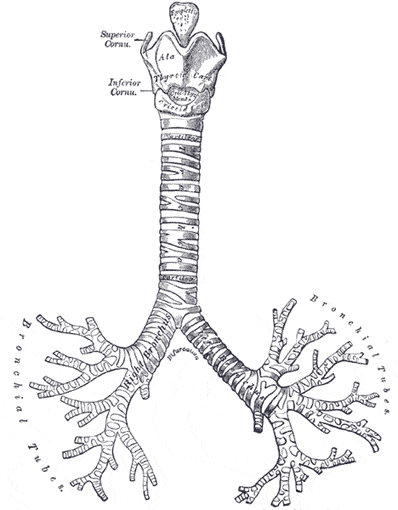
Aa
c)
AA
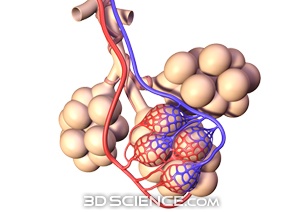
d)
aa
5.
Which of the following genotypes is heterozygous?
a)
Bb
b)
BB
c)
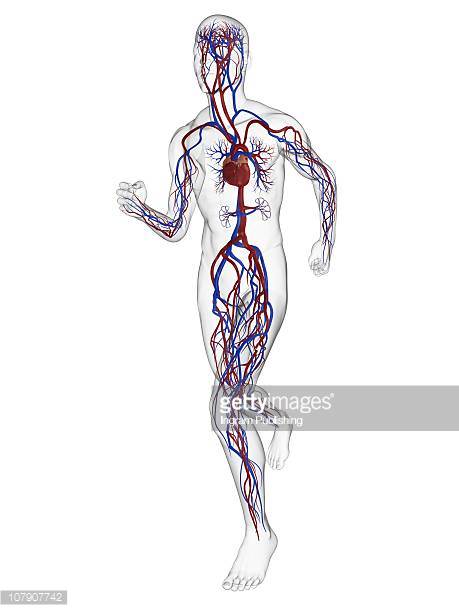
bb
d)
B
6.
What you see, or the physical appearance.
a)
Genotype
b)
Phenotype
c)
Homozygous
d)
Heterozygous
7.
In a flowering plant species, red flower color (R) is dominant over white flower color (r). What is the genotype of any red-flowering plant resulting from this species?
a)
rr
b)
R
c)
RR
d)
RR or Rr
8.
Which of the following is a phenotype?
a)
Aa
b)
red hair
c)
heterozygous
d)
DNA
9.
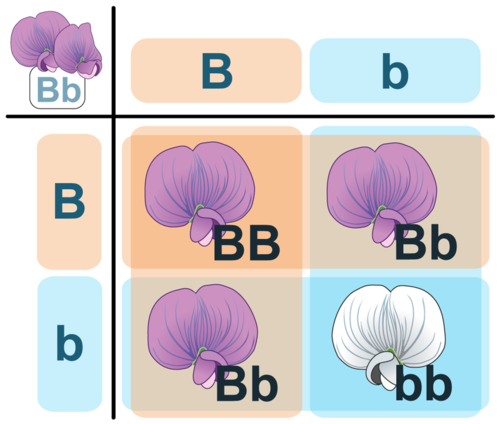
In this punnett square, which is the dominant trait?
The B stands for bud.
a)
purple flower bud
b)
white flower bud
c)
dominant
d)
recessive
10.
this image is an example of
a)
codominance
b)
dominance
c)
incomplete dominance
11.
this image is an example of
a)
codominance
b)
dominance
c)
incomplete dominance
12.
Which type of muscle is found in internal organs, such as the digestive system
a)
skeletal
b)
smooth
c)
cardiac
13.
A ________________ muscle contracts when you choose to use it.
a)
voluntary
b)
involuntary
c)
cardiac
d)
smooth
14.
Which organ system makes blood cells?
a)
skeletal system
b)
muscular system
c)
circulatory system
d)
digestive system
15.
The place where two of more bones meet.
a)
joint
b)
ligament
c)
tendon
16.

The muscles of your heart are __________ muscles.

a)

skeletal

b)

voluntary

c)

cardiac

17.

_________________ movements are those that you do not consciousness control.

a)

Smooth

b)

Voluntary

c)

Skeletal

d)

Involuntary

18.

Which of the following bone are found in your arm?

a)

Clavicle

b)

Radius

c)

Femur

d)

Ribs

19.

Which of the following tissue connects bone to bone?

a)

Ligament

b)

Tendon

c)

Cartilage

d)

Joint capsule

20.
The muscle of your upper arm is called the
a)
Pectorals
b)
Abdominals
c)
Deltoids
d)
Biceps
21.
Cords made of tough tissue that hold bones and muscles together are called
a)
Tendons
b)
Ligaments
c)
Joints
d)
Synovial Fluid
22.
a)
Quadriceps
b)
Satorius
c)
Hamstring
d)
Gastronecmius
23.
What muscle is on your femur?
a)
Abs
b)
Bicep
c)
Gluteus Maximus
d)
Quads
24.
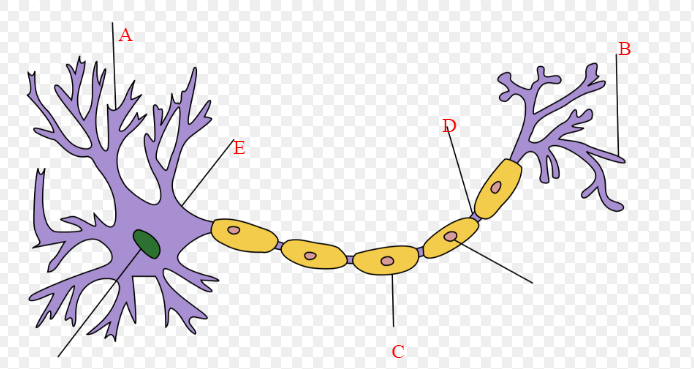
The part of the neuron that insulates the axon and increases the speed of the neural message within the neuron.
a)
Synapse
b)
Dendrite
c)
Myelin Sheath
d)
Axon Terminal Button
25.

This part of the neuron receives chemical messages from the neurotransmitters of other neurons. It is labeled A in the diagram.

a)

Dendrite

b)

Axon

c)

Axon Terminal

d)

Cell Body

26.

Which part sends nerve impulse to the next cell?

a)

Dendrite

b)

Axon

c)

Axon Terminal

d)

Cell Body

27.

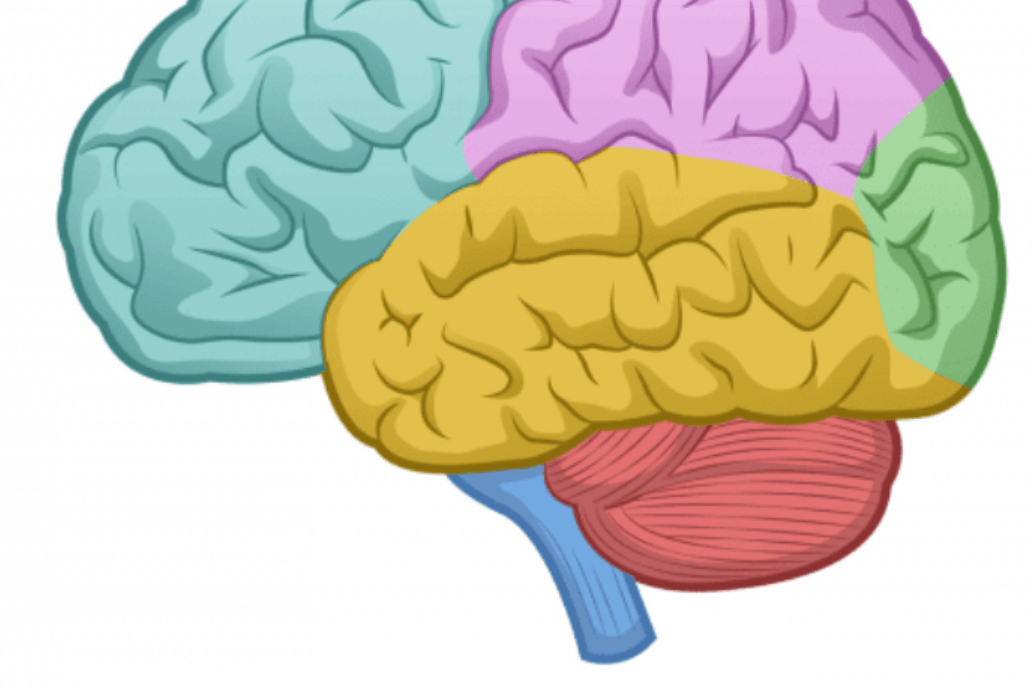
What is this? It coordinates muscle movements.

a)

Cerebrum

b)

Cerebellum

c)

Brain Stem

d)

Diencephalon

28.

What structure is bright blue and located at bottom of the brain and controls the information sent between brain and rest of the body?

a)

Cerebrum

b)

Cerebellum

c)

Brain Stem

29.

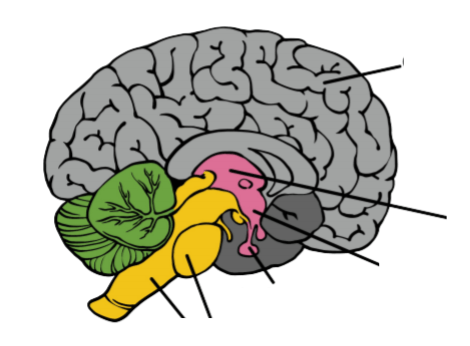
What structure is grey in this picture. It controls conscious thought and memory?

a)

Cerebrum

b)

Cerebellum

c)

Brain Stem

30.

Which statement best describes a reflex arc?

a)

Slow response that you have to think about

b)

Rapid response to protect body from harm

31.
The nervous system subdivision that is composed of the brain and spinal cord.
a)
Autonomic Nervous Sytem
b)
CNS
c)
PNS
d)
Somatic Nervous System
32.

__________ carry messages between sensory neurons and motor neurons.

a)

Active Neurons

b)

Interneurons

c)

Refraction Neurons

d)

Flower Neurons

33.

What are the two divisions of the nervous system?

a)

Central and Lower nervous systems

b)

Central and Peripheral nervous systems

c)

Lower and Cerebral nervous systems

d)

Central and Muscular nervous systems

34.

What is the main function of the nervous system?

a)

to inhale oxygen and exhale carbon dioxide

b)

to break down food consumed by a person for nutrients

c)

to control the body's activities by relaying messages

d)

to control the body's movements

35.

What are the three parts of the nervous system?

a)

brain, spinal cord, nerves

b)

brain, lungs, spinal cord

c)

heart, brain, nerves

d)

brain, nerves, neurons

36.

Axons are part of a neuron that send electrical signals ________ the cell body

a)

to

b)

away from

c)

in between

37.

True or False: the cell body of a neuron has a nucleus.

a)

True

b)

False

38.
Elements essential for good health. e.g. Calcium, Iron, Potassium 
a)
Protein
b)
Fat
c)
Minerals
d)
Carbohydrates
39.
Nutrients that build and repair tissues and cells e.g. meat, milk, eggs.
a)
Fat
b)
Minerals
c)
Vitamins
d)
Protein
40.
The process of converting the energy in food into energy the body can use.
a)
Metabolism
b)
Diet
c)
Digestion
d)
Calories
41.
Energy storage nutrients that help the body store some vitamins e.g. oils, butter, margarine
a)
Fats
b)
Carbohydrates
c)
Minerals
d)
Vitamins
42.
The amount of energy the body gets from food is measured in.
a)
Metabolism
b)
Diet
c)
Calories
d)
Protein
43.

What is the second part of the digestive system that your food travels though?

a)

stomach

b)

mouth

c)

small intestine

d)

esophagus

44.

What is the fourth part of the digestive system that your food travels though?

a)

stomach

b)

mouth

c)

small intestine

d)

esophagus

45.

Which of the following is NOT an example of fruit?

a)

cucumber

b)

lettuce

c)

tomato

d)

banana

46.

Which of the following is NOT an example of vegetables?

a)

tomato

b)

carrots

c)

spinach

d)

celery

47.

What is the name of the structure that absorbs nutrients in the small intestine?

a)

Ducts

b)

Sponges

c)

Glands

d)

Villi

48.

What are the TWO types of vitamins our body uses? Select from the list below:

a)

Water soluble

b)

Fat soluble

c)

Protein soluble

d)

Carbohydrate soluble

49.
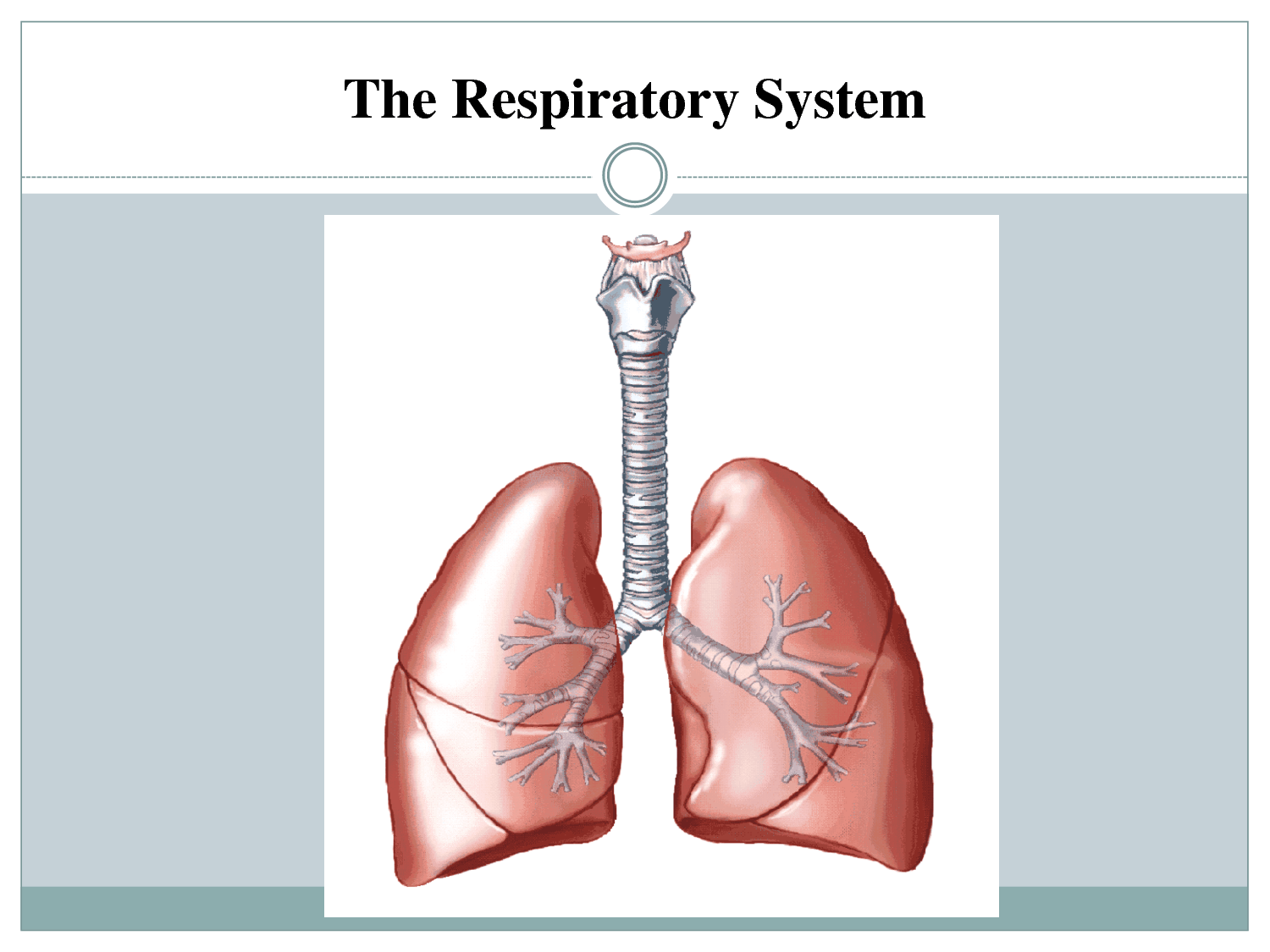
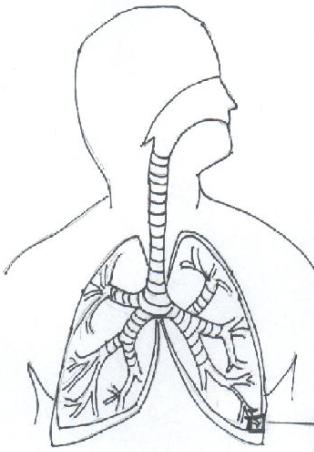
What is the main function of the respiratory system?
a)
to provide oxygen and remove carbon dioxide from the body
b)
to bring oxygen to the body
c)
to break down food and absorb nutrients
d)
to remove oxygen from the body and deliver carbon dioxide
50.
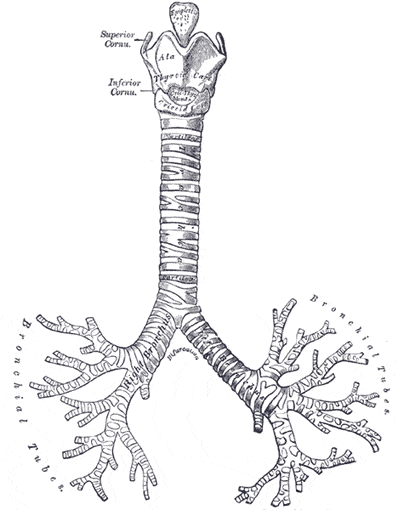
What is the function of the bronchi?
a)
Transport air from nose to lungs
b)
Transport air from trachea to lungs
c)
Transport air from lungs to alveoli
d)
Transport air from alveoli to blood
51.
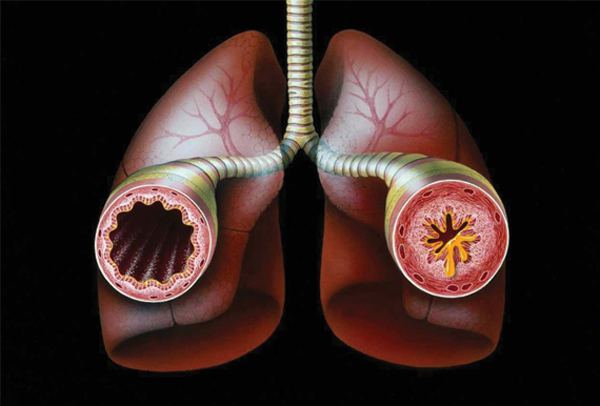
A disorder of the lungs called ____ causes the bronchi to become restricted (get smaller) so air can't get to the lungs.
a)
asthma 
b)
cold
c)
influenza 
d)
bronchitis 
52.
The two main branches from the trachea (one to each lung)
a)
bronchi
b)
alveoli
c)
capillaries
d)
bronchioles
53.
The air sacs that are covered with capillaries where gas exchange takes place
a)
bronchi
b)
lungs
c)
oxygen
d)
alveoli
54.
What is tube that is also known as your wind pipe?
a)
esophogus
b)
bronchi
c)
trachea
d)
alveoli
55.
The passageway that is shared by both the digestive and respiratory system is the....
a)
larynx
b)
pharynx
c)
trachea
d)
nose
56.
The trachea...
a)
extends from the nasal cavity to the bronchi
b)
is lined with cilia
c)
lies posterior to the esophagus
d)
is the passageway for food into the stomach
57.
The use of oxygen by the cells to release enery from food is called...
a)
photosynthesis
b)
cellular respiration
c)
diffusion
d)
osmosis
58.
The energy used to make ATP comes from...
a)
oxygen
b)
carbon dioxide
c)
glucose
d)
water
59.
The movement of oxygen from the alveoli to the blood and from the blood to the tissues is due to the process of... 
a)
osmosis
b)
diffusion
c)
cytokinesis
d)
phagocytosis
60.
The left lung has three lobes and the right lung has two. 
a)
True
b)
False
61.

What type of cells carry oxygen in the blood?

a)

red blood cells

b)

white blood cells

62.

What is the main organ of the circulatory system?

a)

small intestine

b)

bone

c)

lungs

d)

heart

63.

Arteries carry oxygen rich blood away from the heart.

a)

True

b)

False

64.

Veins carry oxygen poor blood back to the heart.

a)

False

b)

True

65.
______________ are the smallest blood vessels.
a)
Arteries
b)
Veins
c)
Capillaries
66.
The circulatory system works with the ___________ system to provide our body with oxygen.
a)
respiratory
b)
digestive
c)
muscular
d)
skeletal
67.
The circulatory system works with the __________ system to obtain energy from nutrients that we eat. 
a)
respiratory 
b)
digestive
c)
skeletal
d)
nervous
68.
White blood cells
a)
allow for gases to exchange
b)
give blood its color
c)
fight infection and disease
d)
help clot blood
69.
Veins have special ________________ to stop blood from flowing backward.
a)
gravity
b)
valves
c)
arteries
d)
ventricles
70.
Platelets 
a)
allow for gases to exchange
b)
give blood its color
c)
fight infection and disease
d)
help clot blood
71.
Oxygen rich blood leaves the heart through the
a)
right atrium
b)
left atrium 
c)
right ventricle
d)
right atrium
72.
The heart is made up of _________ chambers
a)
one 
b)
two 
c)
three
d)
four
73.
Oxygen deprived blood enters the heart through the 
a)
right ventricle 
b)
left ventricle
c)
right atrium
d)
left atrium
74.
Capillaries join together
a)
veins and arteries
b)
veins and the heart
c)
arteries and veins
d)
heart and valves