wayground logo

Free Printable Worksheets

Font size

S
M
L
XL
Worksheets

Big Idea 6 - Earth Structures Review

Total questions: 100

Worksheet time: 33mins

Name
Class
Date
1.
Where would recently formed igneous rock most likely be found?
a)
Near a Volcano
b)
In a Deep Cavern
c)
On a Sandy Beach
d)
At the Mouth of a River
2.
In which category of rock would you most likely find a fossil in?
a)
Igneous
b)
Sedimentary 
c)
Granite
d)
Metamorphic 
3.
Which of the following is a property of metamorphic rock?
a)
Forms with lava that has been cooled
b)
Forms when small pieces of rock are pressed together
c)
Forms by heat and pressure changing rock
d)
Forms by breaking off of larger rocks
4.
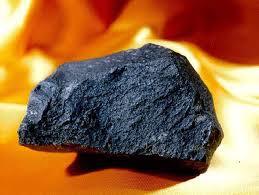
A dark, shiny rock that formed quickly from lava best describes which type of rock?
a)
Igneous
b)
Sedimentary 
c)
Metamorphic
d)
Lava
5.
Which type of rock is shown in the image?
a)
Metamorphic
b)
Lava
c)
Igneous
d)
Sedimentary
6.
What are the three types of Rocks?
a)
Sedimentary, Igneous, Metamorphic
b)
Sedimentary, Igneous, Marble
c)
Sandstone, Lava, Metamorphisis
d)
Sediment, Lava, Heat and Pressure
7.
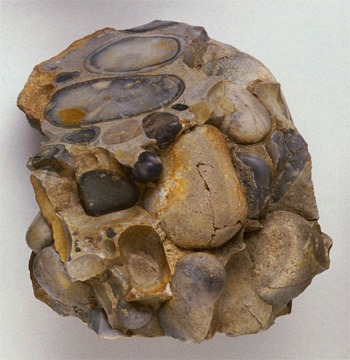
You can see layers in this rock.  Could be sand, or pebbles.
a)
Sedimentary
b)
Igneous
c)
Metamorphic
d)
Sand Rock
8.
This type of rock is MOST likely to contain fossils.
a)
Sedimentary
b)
Igneous
c)
Metamorphic
d)
Fossil Rock
9.
These can come in INTRUSIVE and EXTRUSIVE.  
a)
Sedimentary
b)
Igneous
c)
Metamorphic
d)
Trusive Rocks
10.
Which type of rock would you find bubbles in?
a)
Sedimentary
b)
Igneous
c)
Metamorphic
d)
bubble rock
11.
This rock was formed by smaller pieces of rock that settled at the bottom of a lake millions of years ago. What type of rock is this?
a)
Sedimentary
b)
Igneous
c)
Metamorphic
12.
This rock was found near the mouth of a volcano. What type of rock is this?
a)
Sedimentary
b)
Igneous
c)
Metamorphic
13.
Which of the words below describe mud, sand, and tiny bits of rocks that cement together to form a type of rock?
a)
stalactites
b)
magmas
c)
metamorphs
d)
sediments
14.
Which of the following rocks is metamorphic?
a)
Rock 1
b)
Rock 2
c)
Rock 3
d)
Rock 4
15.
This rock formed when lava cooled very quickly on Earth's surface. What specific type of rock is it?
a)
Extrusive Igneous Rock
b)
Intrusive Igneous Rock
c)
Non-Foliated Metamorphic Rock
d)
Biochemical Sedimentary Rock
16.
This rock was formed when magma cooled very slowly inside the Earth. What specific type of rock is it?
a)
Intrusive Igneous Rock
b)
Extrusive Igneous Rock
c)
Foliated Metamorphic Rock
d)
Clastic Sedimentary Rock
17.

In which location would you most likely find an igneous rock?

a)
b)
c)
d)
18.

Compaction and cementation are two common processes associated with:

a)

Extrusive igneous rocks

b)

Intrusive igneous rocks

c)

Sedimentary rocks

d)

Metamorphic rocks

19.
Rock made of layers of compressed sediments
a)
metamorphic rock
b)
igneous rock
c)
sedimentary rock
d)
school house rock
20.
How do metamorphic rocks form? 
a)
Heat and Pressure
b)
Compaction & Cementation
c)
Cooling of Magma
d)
Sediments & Glue
21.

Which group of rocks is correctly labeled?

a)
b)
c)
d)
22.
What type of rock contains fossils?
a)
Intrusive Igneous
b)
Extrusive Igneous
c)
Metamorphic
d)
Sedimentary
23.
The process by which metamorphic rocks are formed...
a)
heat and pressure
b)
compaction and cementation
c)
melting and cooling
24.
The process by which igneous rocks are formed...
a)
heat and pressure
b)
melting and cooling
c)
compaction and cementation
25.
An avalanche is an example of which process?
a)
Weathering
b)
Erosion
c)
Deposition
d)
Volcanic Eruption
26.
How does freezing water cause the weathering of rocks?  The freezing water—
a)
keeps the rocks in place.
b)
makes the rocks last longer.
c)
expands cracks and breaks rocks.
d)
causes rocks to fall in landslides.
27.
The process that breaks down rocks and other materials on Earth's surface is called
a)
Weathering
b)
Erosion
28.
A cliff formed near the ocean.  Which statement best describes how this cliff formed?
a)
Warm air melted the rock.
b)
Sun rays evaporated the rock.
c)
Ocean waves washed away rock.
d)
Plant roots pushed away the rock.
29.
What is the process that picks up and moves weathered rocks?
a)
Erosion
b)
Landslide
c)
Weathering
30.
What causes the greatest erosion effect on our beaches?
a)
Waves
b)
Gravity
c)
Glaciers
d)
Wind
31.
The process by which water, ice, wind, or gravity moves weathered rock and soil from one place to another.
a)
Weathering
b)
Erosion
c)
Deposition
d)
Crop Rotation
32.
Which of these is an example of erosion?
a)
Light shining onto a mountain.
b)
Rain breaking down rocks on a mountain into smaller pieces. 
c)
Wind blowing away sediment to a new place on the mountain.
d)
All of the above.
33.
Muddy water being carried away by a fast-moving river is an example of
a)
Weathering
b)
Erosion
c)
A mess
d)
A nice place to swim
34.
How do plants weather rocks?
a)
Plants don't weather rocks.
b)
When roots grow into cracks of rocks and expand the rock breaks.
c)
When the plant moves water from the roots to the leaves, the rock breaks.
35.
What is the wearing away or breaking down of rocks called?
a)
Weathering
b)
Erosion
c)
Glaciers
36.
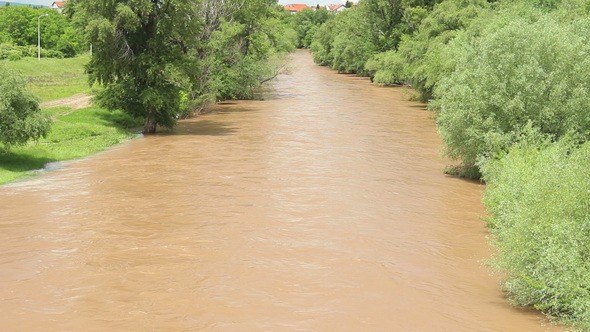
Flood water pounding against a canyon wall and wearing it down is an example of
a)
Weathering
b)
Erosion
c)
An avalanche
37.
Weathering and erosion are the same thing.
a)
True
b)
False
38.
The process of carrying away weathered bits of rocks is called
a)
weathering
b)
erosion
39.
The process of slowly breaking rocks into smaller pieces is called
a)
weathering
b)
erosion
40.
Flood water pounding against a canyon wall and wearing it down
a)
Weathering
b)
Erosion
41.
The process by which small pieces of rocks and soil are carried away to new locations is called...
a)
deposition
b)
erosion
c)
weathering
d)
faults
42.
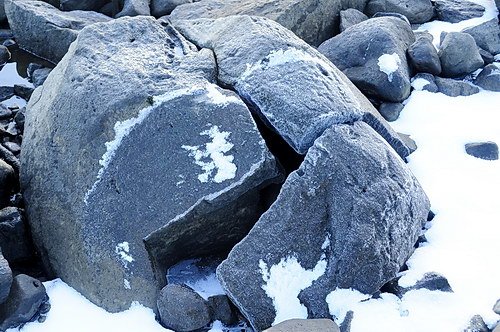
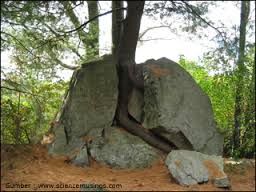
What caused this rock to break apart?
a)
ice
b)
plant
c)
wind
d)
rain
43.
Wind blasting sand at rock and carving out caves
a)
Weathering
b)
Erosion
c)
Deposition
44.
Wind blowing sand from one location to another
a)
Weathering
b)
Erosion
c)
Deposition
45.
How does freezing water cause the weathering of rocks?  The freezing water—
a)
keeps the rocks in place
b)
makes the rocks last longer
c)
expands cracks and breaks rocks
d)
causes rocks to fall in landslides
46.
What was sand before it was broken down?
a)
soil
b)
rock
c)
water
d)
cement
47.
Water getting into cracks, freezing, and breaking the rocks or pavement apart
a)
Weathering
b)
Erosion
c)
Deposition
48.
What made this landform known as a valley?
a)
Glacier
b)
hill
c)
deposition
d)
rocks
49.
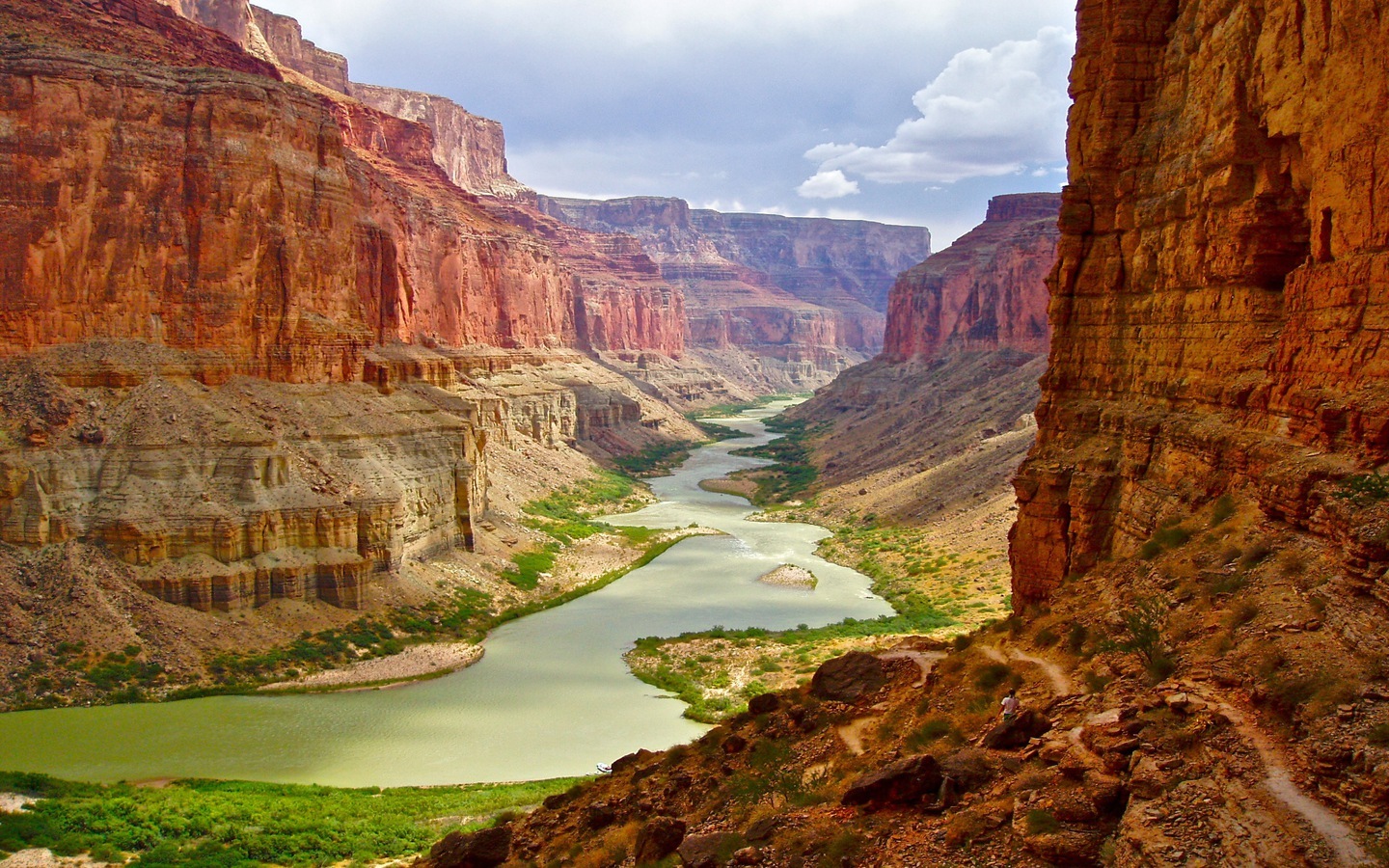
What caused this canyon to form over many years?
a)
Water
b)
Deposition
c)
valley
d)
Plants
50.
Material from broken down rocks
a)
Sediment
b)
Mass wasting
c)
Deposition
d)
Delta
51.
Mechanical and chemical processes that breakdown Earth's surface
a)
Weathering
b)
Erosion
c)
Deposition
d)
Delta
52.

The picture shows a mineral being tested. Which mineral property is being tested in the picture?

a)

cleavage

b)

color

c)

hardness

d)

streak

53.

Using the table, which mineral will scratch Creedite but will NOT scratch Spectrolite?

a)

Alabaster

b)

Boracite

c)

Ekanite

d)

Moissanite

54.

The picture shows the mineral talc. Talc is often ground into dust and used in many types of powders. Which sentence is most likely true?

a)

Talc is easily stretched.

b)

Talc is easily scratched.

c)

Talc is very strong and hard.

d)

Talc is very flat and smooth.

55.

The way in which a mineral reflects light

a)

streak

b)

luster

c)

hardness

56.

A measure of the ability of a mineral to resist scratching

a)

hardness

b)

luster

c)

streak

57.

The splitting of a mineral along smooth, flat surfaces

a)

fracture

b)

cleavage

c)

hardness

58.

The color of the powder of a mineral

a)

hardness

b)

streak

c)

luster

59.

The color of the powder that a mineral produces when it is dragged across another surface

a)

Luster

b)

Streak

c)

Erosion

60.

How light is reflected from the surface

a)

Shine

b)

Sparkle

c)

Luster

61.
A mineral breaks into pieces like are shown in the picture. How would you describe its breakage?
a)
Fracture
b)
Cleavage
c)
Glassy
d)
Waxy
62.
Which minerals would all scratch apatite?
a)
diamond, topaz, quartz
b)
quartz, calcite, gypsum
c)
fluorite, talc, calcite
d)
diamond, fluorite, corundum
63.
What type of rock forms from heat and pressure deep inside earth's surface?
a)
Sedimentary
b)
Metamorphic
c)
Igneous
64.
How do sedimentary rock form?
a)
by pressure of layers of sediment
b)
by heat from volcanos
c)
by heat and pressure deep underground
65.
The property of luster means..
a)
the hardness of a mineral
b)
the color of the mineral
c)
the streak the mineral leaves
d)
how the mineral reflects light
66.
Hardness, color, and luster are examples of a mineral's ___________.
a)
price
b)
weight
c)
property
d)
name
67.

What does renewable mean?

a)

Cannot be replaced once used

b)

made new again every day

68.

Trees are renewable resources.

a)

True

b)

False

69.

Water is a renewable resource.

a)

True

b)

False

70.

The sun is a renewable resource.

a)

True

b)

False

71.

Gold is a renewable resource.

a)

True

b)

False

72.

Trees are a renewable resource because ...

a)

they can be replanted.

b)

of how big they can grow.

c)

they burn in forest fires.

d)

birds live in them.

73.

Oil is not a renewable resource because ...

a)

it comes from the ground.

b)

it cannot be replaced.

c)

it is too gooey.

d)

it is not heavy enough.

74.

Natural resources form in nature. Which of the following is NOT a natural resource?

a)

oil

b)

coal

c)

plastic

d)

water

75.

Which of the following resources WILL eventually run out?

a)

natural resources

b)

renewable resources

c)

nonrenewable resources

76.

Coal is a renewable resource.

a)

True

b)

False

77.

Wind is a renewable resource.

a)

True

b)

False

78.

Oil is a renewable resource.

a)

True

b)

False

79.
__________ is an energy resource that WILL NOT run out in the next several hundred years.
a)
Renewable Energy Resource
b)
Nonrenewable Energy Resource
80.
__________ is an energy resource that WILL run out in the next several hundred years.
a)
Renewable Energy Resource
b)
Nonrenewable Energy Resource
81.

Which is an example of a renewable resource?

a)

hydroelectric

b)

oil

c)

coal

d)

fossil fuel

82.
Hyrdo Power is a __________ energy resource.
a)
Renewable
b)
Nonrenewable
83.
Solar Power is a __________ energy resource.
a)
Renewable
b)
Nonrenewable
84.

Phosphate is used to make:

a)

sand

b)

glass

c)

fertilizer

d)

computer chips

85.

Sand in Florida can be used to make:

a)

fertilizer

b)

silicon computer chips

c)

cement

d)

electricity

86.

Limestone from Florida can be used to make:

a)

fertilizer

b)

cement

c)

glass

d)

silicon computer chips

87.

Which of Florida's resources are nonrenewable?

a)

Sunligh

b)

Wind

c)

Water

d)

Limestone

88.

What is Florida's nickname?

a)

The Big Orange

b)

The Sunshine State

c)

The Swamp State

d)

The Orange State

89.

What is Florida's main crop?

a)

corn

b)

oranges

c)

rice

d)

apples

90.

Which of the following resources in Florida provides electricity for homes by using radiation from the sun?

a)

Natural gas

b)

Rivers and streams

c)

Solar energy

d)

Limestone

91.

Which of the following Florida resources is nonrenewable?

a)

Plants

b)

Silicone

c)

Water

d)

Solar

92.

Why is it important to conserve nonrenewable resources?

a)

They have less energy than renewable resources.

b)

They are easier to find than other resources.

c)

They could be no more to find in the future.

d)

They are made from the remains of plants and animals.

93.

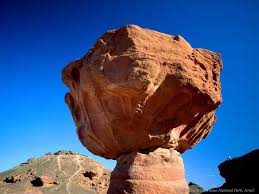
An arch is a landform formed when wind picks up tiny bits of rock and sand and blows them against rock. The action of the wind and rock causes bits to break off the rock and blow away, carving an arch. Which of the following two processes are responsible for an arch formation?

a)

weathering and erosion

b)

erosion and deposition

c)

weathering and condensation

d)

deposition and weathering

94.

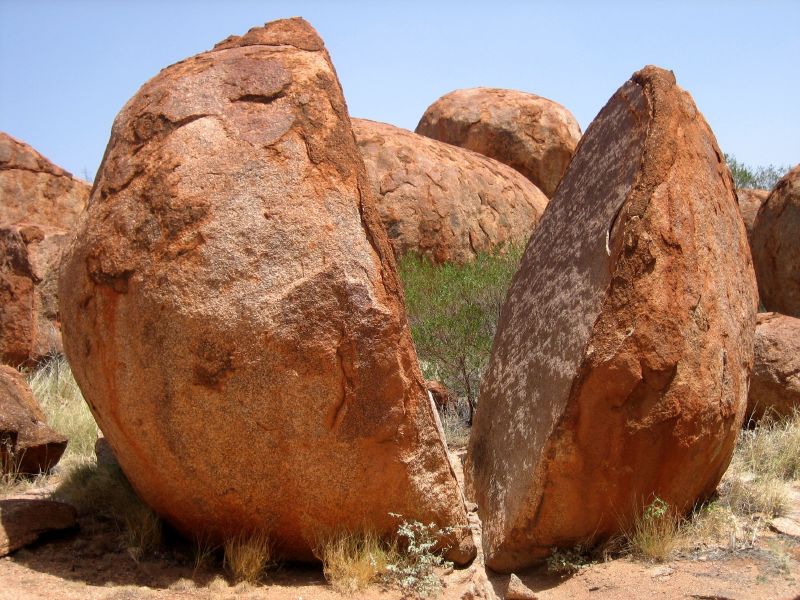
Melvin and his family are hiking in the mountains. Along the trail, he sees the broken rocks shown on displayed.

What might Melvin infer caused the rocks to break apart?

a)

Bits of sand blew on a rock, causing it to break apart over time.

b)

Water erosion caused the rocks to break apart,

c)

Ice froze in a crack in the rock and over time caused it to break apart.

d)

Wind erosion caused the pieces to wear away.

95.

Which of these Florida resources is renewable?

a)

oil

b)

water

c)

phosphate

d)

sand

96.

People cut down pine trees to make paper. People plant new pine trees so they can make more paper. Pine trees are

a)

a fossil fuel

b)

a mineral resource

c)

a renewable resource

d)

a nonrenewable resource

97.

Which energy resource does Florida have the most of?

a)

sunlight

b)

coal

c)

gas

d)

oil

98.
Which of the following resources is collected by the panels on the roof of his home?
a)
air
b)
water
c)
wind
d)
sunlight
99.
Jacob is doing a report about limestone rock in Florida. Which of the following topics on limestone use in Florida will Jacob research?
a)
constructing buildings
b)
fertilizing citrus crops
c)
making solar panels
d)
producing electricity
100.

How are rocks grouped?

a)

by their name

b)

by their properties

c)

by their sounds