wayground logo

Free Printable Worksheets

NEW

Font size

S
M
L
XL
Worksheets

Lab Safety/Lab Equipment/Metric System

Total questions: 60

Worksheet time: 3hrs 53mins

Name
Class
Date
1.

If you wear glasses or contact lenses, you do NOT need to wear safety goggles in the lab.

a)

True

b)

False

2.
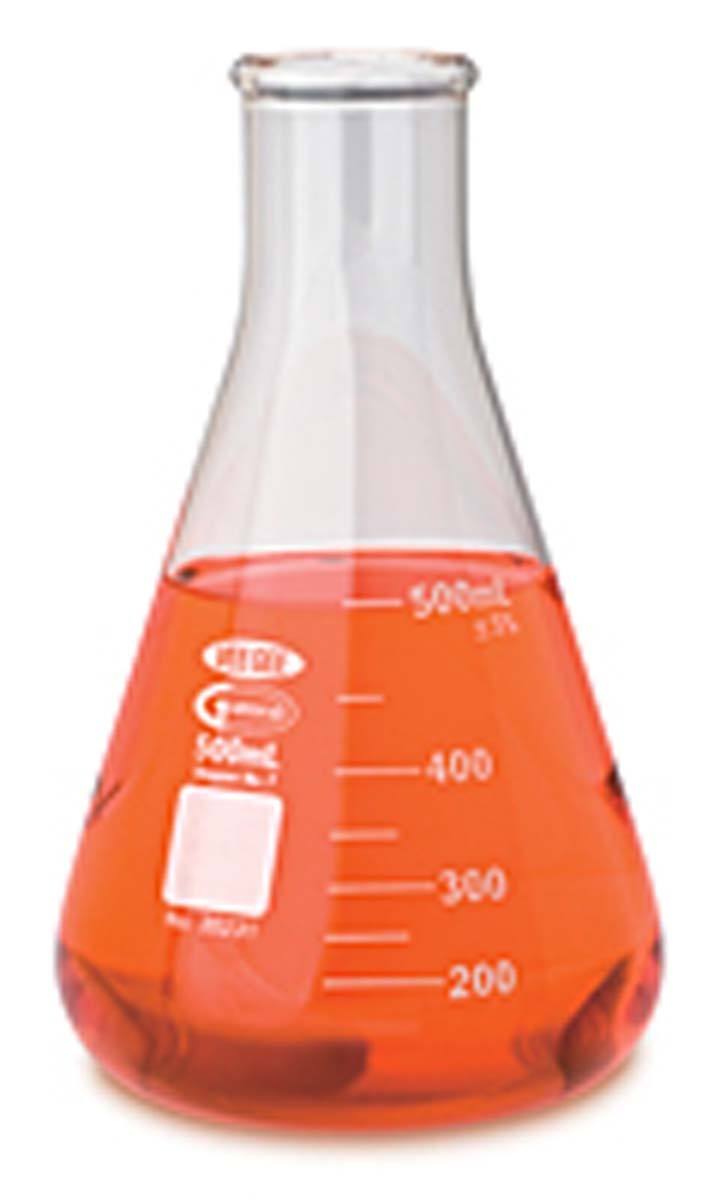
Identify the piece of lab equipment seen in the image.
a)
Erlenmeyer Flask
b)
Graduated Cylinder
c)
Beaker
d)
Test Tube
3.
Identify the piece of lab equipment seen in the image.
a)
Pipets
b)
Test Tubes
c)
Forceps
d)
Scoopulas
4.
True or False: If you see something dangerous taking place during a lab,you should immediately tell the teacher.
a)
True
b)
False
5.
What is used to protect your eyes from chemicals, broken glass, and fire?
a)
Fire blanket
b)
Eye wash
c)
Goggles
d)
Flask
6.
What is used to measure the volume of liquids more precisely in milliliters?
a)
Beaker
b)
Flask
c)
Graduated Cylinder
d)
Test tubes
7.

What is used to pick up items?

a)

Clamps

b)

Tongs

c)

Hand lens

d)

Pipette

8.

This is used to pour lab materials into an object with a small opening

a)

scoop

b)

funnel

c)

bunsen burner

d)

goggles

9.

This is used to clean chemicals or debris (stuff) out of your eyes

a)

test tube holder

b)

eye wash

c)

eye dropper

d)

lab apron

10.
This is a...
a)
cup
b)
mug
c)
beaker
d)
measuring flask
11.

This is a...

a)

weighing thingy

b)

besselheim plate

c)

digital balance

d)

scales

12.
What is measured with a graduated cylinder?
a)
Passage of time
b)
Distance from one thing to another
c)
Weight of an object
d)
Volume of liquid
13.
What is wrong with this picture?
a)
students are fooling around
b)
there is a spill on ground
c)
scissors in outlet
d)
all of the above
14.
If you spill or break something during an experiment, what is the FIRST thing you should do?
a)
Tell the teacher.
b)
Clean it up. 
c)
Cover it with a paper towel.
d)
Leave it for someone else.
15.
These items are used to protect your hands and considered PPEs 
a)
Safety glasses
b)
Safety gloves
c)
Safety net
d)
Safety beakers
16.
A hippo's mass would most likely be described using with units?
a)
kilometers
b)
milligrams
c)
kilograms
d)
triple beam balance
17.
The basic metric unit for distance is the _.
a)
gram
b)
meter
c)
liter
18.
The basic metric unit for volume is the _.
a)
gram
b)
meter
c)
liter
19.
What instrument should be used if the lab directions ask you to measure to the nearest milliliter? 
a)
graduated cylinder
b)
triple beam balance
c)
Erlenmeyer flask
d)
meter stick
20.
Name the tool pictured. It does NOT have measurement lines.
a)
scalpel
b)
Eye dropper
c)
Tweezer
d)
Forceps
21.
Identify this piece of equipment.
a)
magnifying glass
b)
coverslip
c)
slide
d)
microscope
22.

What is used to store or heat chemicals?

a)

Beaker

b)

Erlenmeyer flask

c)

Test Tube

d)

Graduated Cylinder

23.
Used to measure length and distance in the metric system
a)
Graduated cylinder
b)
Triple beam balance
c)
Thermometer
d)
Meter stick
24.
What is used to measure and mix large amounts of liquids?
a)
Beaker
b)
Flask
c)
Test Tube
d)
Graduated Cylinder
25.
What is the correct value?
a)
5 ml
b)
15 ml
c)
20 ml
d)
25 ml
26.
Name this object
a)
test tube rack
b)
test tube holder
c)
wire holder
d)
utility clamp
27.
What is this item? 
a)
Petri Dish
b)
Forceps
c)
Graduated Cylinder
d)
Test Tube
28.
Name the lab equipment.
a)
Ring Stand
b)
Flask
c)
Beaker
d)
Bunsen Burner
29.
What is the name of this equipment?
a)
Wooden Corks
b)
Rubber Stoppers
c)
Plugs
d)
Lids
30.
True or False: Long hair MUST be tied back during a laboratory investigation.
a)
True
b)
False
31.
If a laboratory fire erupts, immediately
a)
notify your teacher
b)
run for the fire extinguisher
c)
throw water on the fire
d)
open a window
32.
If you do not understand a direction or part of a lab procedure, you should
a)
figure it out as you do the lab
b)
try several methods until something works
c)
skip it and go to the next part
d)
ask your teacher
33.
After completing an experiment, all chemical wastes should be
a)
dumped down sink
b)
taken home
c)
thrown in trash
d)
disposed of according to teacher's directions
34.
The proper technique for smelling chemicals is ______________
a)
keeping your nose close to the glassware
b)
wafting
c)
to sniff only a small amount
d)
Trick question; you never are allowed to smell chemicals in class
35.
Report any accident or injury to the teacher _______________, no matter how small it may appear
a)
at the end of the period
b)
immediately
c)
eventually
d)
after you get the situation under control
36.
What is used to measure mass of an object in grams?
a)
Triple beam balance
b)
Test tube rack
c)
Meter stick
d)
Graduated Cylinder
37.
Name this item
a)
Florence flask
b)
Stirring rod 
c)
Test tube
d)
Test tube holder
38.
Name this item
a)
Test tube brush
b)
Striker
c)
Ring stand 
d)
Wire gauze 
39.
What protects the scientist and the scientist's clothes from hazardous or hot chemicals?
a)
goggles
b)
eye dropper
c)
ring clamp
d)
lab coat/apron
40.

One day during class, you are still working on your lab assignment when the bell rings. What should you do?

a)

Make your lab partners clean it up. You have places to be.

b)

Drop everything and run out the door. It's time for pre-athletics!

c)

Quickly clean up your area and make sure your lab area is clean.

d)

Leave the mess for the next class. They have nothing better to do.

41.

When is it okay to leave class?

a)

When the bell rings.

b)

When you feel like it.

c)

When the teacher says it is okay to leave.

d)

When you are done with your work.

42.
Name this item. 
a)
forceps (tweezers)
b)
tongs
c)
test tube holder
d)
scalpel
43.

If you are trying to smother a clothing fire, tightly wrap the blanket around the person whose clothes are on fire and roll them on the floor in the blanket.

a)

True

b)

False

44.

When should I study the lab procedure?

a)

Before I come to class

b)

When I get to school

c)

During lab

d)

After the lab has ended

45.

Which answer choice has all lab safety equipment?

a)

fire blanket, safety shower, first aid kit, lab coat/lab apron, desks, first-aid kit, eye wash station, and sun glasses

b)

hair net, fire extinguisher, gas and water shutoff valves, first aid kit, candy bar, fire blanket, eye wash station and safety shower

c)

fire blanket, fire extinguisher, safety shower, first-aid kit, eye wash station, gas and water shutoff valves, lab coat,/apron gloves, and goggles

d)

sun screen, bug spray, eye wash station, gloves, lab coat/apron 12 day water supply, and matches

46.

What should you do if you catch on fire?

a)

RUN

b)

Scream

c)

Get in the chemical shower

d)

Get on the ground and get someone to smother it with the fire blanket

47.

How long should you keep your eyes in the eyewash station if you get chemicals in them?

a)

1 second

b)

15-20 minutes

c)

15-20 seconds

d)

1 hour

48.
1000 m = ___________ km
a)
100
b)
10
c)
1
d)
0.1
49.
240 cm = ___________ m
a)
2400
b)
24
c)
2.4
d)
0.24
50.
15.6 L = ___________ mL
a)
15,600
b)
156,000
c)
1,560,000
d)
15,600,000
51.
0.932 g = ___________ mg
a)
9.32
b)
93.2
c)
932
d)
9,320
52.
3 km = ___________ mm
a)
30
b)
300
c)
3,000
d)
3,000,000
53.
 68 cm = ___________ mm
a)
0.68
b)
6.8
c)
68
d)
680
54.
183 cm = ___________ m
a)
0.183
b)
1.83
c)
18.3
d)
1,830
55.
 56 L = ___________ mL
a)
560
b)
5,600
c)
56,000
d)
560,000
56.
 1234 mg = ___________ kg
a)
0.0001234
b)
0.001234
c)
0.01234
d)
0.1234
57.

What tool do we use to measure temperature?

a)

Thermometer

b)

Ruler

c)

Balance

d)

Magnifying Glass

58.

At what temperature does water freeze in degrees Celsius?

a)

212 degrees

b)

100 degrees

c)

32 degrees

d)

0 degrees

59.

At what temperature does water boil in degrees Celsius?

a)

0 degrees

b)

37 degrees

c)

100 degrees

d)

212 degrees

60.
We measure temperature in degrees...
a)
Fahrenheit
b)
Celsius
c)
Both
d)
Nothing