Worksheets
VL6: HW 9.13
Total questions: 70
Worksheet time: 30mins
Which is a chemical property?
melting point
boiling point
color
flammability
Which is not a chemical property?
rusting
boiling
rotting
burning
Flammability is which property?
Chemical property
Physical property

Ability to rust is which property:
Physical property
Chemical property
Which is a physical property?
ability to react with acid
state of matter
flammability
ability to react with oxygen
Which is not a physical property?
odor
reacts with acid
ability to conduct electric current
hardness
Physical properties are
properties that can be observed without changing the identity of the substance
properties that describe how a substance changes into a completely different substance
Which is a chemical property?
flexibility
ability to tarnish
temperature
texture
Which is a physical property?
melting point
flammability
ability to rust
Which is a chemical property?
ability to rust
ability to conduct heat
volume
magnetic
Which is a chemical property of water?
Reacts with pure sodium
Boils at 100 oC
Is liquid at room temperature
Has a density of 1 gm/mL
Which property is the ability to conduct electricity?
physical property
chemical property
Which property can only be observed when a substance changes into a different substance?
physical properties
chemical properties
liquid properties
real properties

Is melting point, physical or chemical property?
physical
chemical
Which is a physical property?
magnetism
reaction
flammability
combustion

Ice melting is:
physical change
chemical change
physical property
chemical property

Ability to rust is:
Physical property
Chemical property
Which is a physical property?
ability to react with acid
color
flammability
ability to react with oxygen
Which is a chemical property?
how something tastes
ability to explode
ability to float in water
size of an object
Which is a chemical property of water?
Reacts with pure sodium
Boils at 100 oC
Is liquid at room temperature
Has a density of 1 gm/mL
Milk souring is:
Chemical change
Physical change
Physical Property
Chemical Property

Green bananas turning yellow is:
Chemical Change
Physical Change
Flammability (burns) is:
Chemical Property
Physical Property

Burning wood is:
chemical change
physical change
Which is not a physical change?
crumpled paper
pencil sharpening
shrunken clothing
sour milk
Which task in the kitchen is a physical change?
Frying an egg
Baking a cake
Melting Butter
Toasting bread
Solubility is:
Physical property
Chemical property
Density is:
Physical property
Chemical property
Glass breaking is:
chemical change
physical change
Hammering wood is:
chemical change
physical change
physical property
chemical property
A Rusting bicycle is:
chemical change
physical change
physical property
chemical property
Freezing popsicles is:
chemical change
physical change
physical property
chemical property
Spoiling food is:
physical property
chemical change
physical change
chemical property
Bleaching your hair is:
physical property
chemical change
physical change
chemical property
Corroding (rusting) metal is:
physical change
chemical change
chemical property
physical property
Mixing salt water to gargle is:
physical change
chemical change
physical property
chemical property
Moldy cheese is:
chemical change
physical change
chemical property
physical property

pH change is:
Chemical Change
Physical Change
chemical property
physical property

A Copper penny turning greenish is:
Chemical Change
Physical Change
chemical property
physical property

The smell your dog makes after eating too much people food is:
Chemical Change
Physical Change
chemical property
physical property
A change in the size, shape, or state of matter.
chemical change
physical change
chemical reaction
electron change

Baking a cake by mixing flour, sugar, chocolate powder, eggs, and milk, and then heating them in the oven.
Chemical Change
Physical Change
chemical property
physical property
Which is not a physical change?
crumpled paper
pencil sharpening
shrunken clothing
sour milk
A change in which NEW substances are formed.
Chemical change
Physical change
Casual change
Formal change
Which is not a chemical change?
sour milk
burning wood
breaking a pencil
rust
Which is a physical change?
Getting a haircut
Rusty metal
sour milk
A compound
Which is a chemical change?
using chalk
water freezing
slicing cheese
digestion

Water that is heated and changed to steam is:
Physical change
Chemical change
Physical property
Chemical Property
Odor Change is:
chemical change
physical change
chemical property
physical property
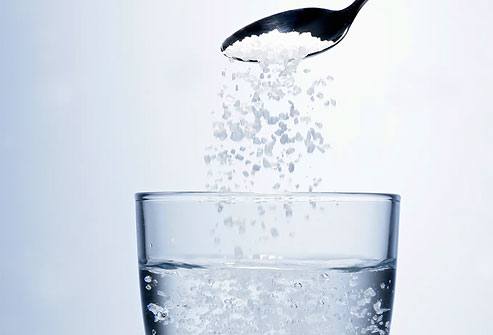


Water is the univeral ____.
solute
solvent
solution
solute + solvent =
solution
equation

solvent
solution
solute

solvent
solute

This method is used to separate metals from non metals.
use of magnet
physical manipulation
sieving
chromatography
Which of the following would increase the rate of dissolution of a solid?
Cool the solid solute and the solution.
Shake the solution.
Evaporate the solvent.
Break the solvent into smaller particles.

Which of the following would increase the rate of dissolution of a solid?
Cool the solution.
Decrease the surface area of the solute.
Increase the polarity of the solution.
Break the solute into smaller particles.
How does the factor affect the dissolution of solute in solvent?
Using larger crystals of solute
Dissolving faster
Dissolving more slowly
No effect