
 Worksheets
Organisms and Environments Focus
Total questions: 65
Worksheet time: 5hrs 50mins
When people run long distances, their muscles require increased amounts of oxygen. Which system is responsible for carrying this oxygen to the muscles?
Nervous
Respiratory
Digestive
Circulatory

The types of small organisms that live on the bottom of streams can be good indicators of water pollution. The table below groups some organisms by their tolerance of pollution. A certain stream that was historically clear and clean has become increasingly polluted with fertilizer waste over the years. Which of these describes a likely result of this pollution?
Mayflies that were previously abundant are no longer present in the stream.
Stone flies and midges thrive and compete for the same food source.
Large numbers of crayfish have suddenly died.
Riffle beetles have become more abundant in the stream.

The food webs below model relationships among the organisms in two ecosystems. Which ecosystem would be more likely to survive if a disease killed the grasses?
The forest ecosystem, because most of the animals can eat other organisms
The grassland ecosystem, because several predators compete for food
The forest ecosystem, because it has three top predators
The grassland ecosystem, because it has many herbivores

The non-living part of an ecosystem (8.11A)
Ocean
Lava Flow
Birds
Abiotic
The living part of an ecosystem (8.11A)
Biotic
Abiotic
Mother Earth
Flowers
A man made, underwater structure that promotes the growth of reef dwelling aquatic organisms. (8.11C)
Corral reefs
Artificial reefs
organisms
food
Which of the following is an example of an abiotic factor? (8.11A)
Plant
Animal
Bacteria
Sun
A biotic factor is ... (8.11A)
something that is living or once lived
something that was never alive
something that is living and then died
something that is dead
Which of the following do organisms compete for? (8.11A)
Food
Water
Shelter
Space
All of them
Natural disasters are examples of ________ ecological change (8.11B).
long-term
short-terrm
no-term
Climate change and plate tectonics are examples of _____ environmental change (8.11B).
long-term
short-term
no-term
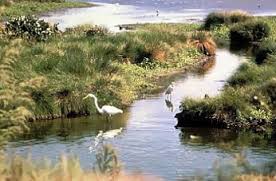
What are the abiotic factors in this image? (8.11A)
water, sunlight, dirt, air
birds and plants
water, plants, and birds
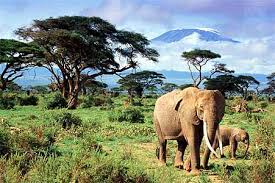
What are the biotic factors in this image? (8.11A)
sunlight, elephants, and grasses
sunlight, water, and air
elephants, plants, trees
Is a dead fern biotic or abiotic? (8.11A)
biotic
abiotic
A company purchased a large forest and cut the trees for lumber. Sunlight which had not reached the forest floor before was now very bright on the bare ground. Holly ferns began to grow rapidly because of increased access to light and moisture.Which population of organisms would be in direct competition with the Holly ferns for the same resources?
Spotted owls
Squirrels
Hawks
Wildflowers

Which organisms are in competition for the same food source?
Fox and owl
Spider and fly
Rabbit and mouse
Deer and owl

The graph below shows the range of water conditions preferred by three species of fish in an Ozark stream.
Water with which of these conditions would cause the most competition for resources among all three species of fish?
Very cold, very clear, and very fast
Very warm, very clear, and very slow
Mild temperatures, some suspended particles, flows very fast
Mild temperatures, some suspended particles, flows at a medium speed
Black walnut trees produce a nontoxic chemical that becomes highly toxic when it is exposed to air or soil. How does this chemical help black walnut trees compete with plants growing nearby?
By attracting herbivores to the other plants
By suppressing the growth of the other plants
By increasing the photosynthesis rates in the other plants
By limiting the amount of water available to the other plants
Copper compounds are used in large amounts to control the growth of algae and other aquatic plants. Copper interferes with photosynthesis in these organisms. What would be the most likely result of an accidental spill of these compounds in an aquatic environment?
The fish would grow larger than usual.
The zooplankton population would increase.
The plants would increase in size but decrease in number
The plant populations would be reduced.
In Austin, Texas, a well-known salamander inhabits the waters of the spring outflows of Barton Springs. This is the perfect habitat for the Barton Springs salamander since it thrives in fresh and pure continuous flowing water. They may inhabit underground or surface environments. They have been observed in water, under and among rocks and gravel, as well as within plants and algae. They consume small aquatic organisms.
What is the most likely way that humans could have a damaging impact on the Barton Springs salamander?
Polluting the water
Floating down the river
Adding new water vegetation
Adding new crustaceans
Fossils of tropical plants and animals can be found buried in limestone rock in the North Texas area. These plants and animals are no longer found in this region.What is the most likely cause of the disappearance of these tropical plants and animals?
Earthquakes and volcanoes destroyed all the tropical plants and animals.
Tropical animals ate all the tropical plants and everything died out.
Air pollution and acid rain killed off all the tropical plants and animals.
The climate in that area is different today than when tropical plants and animals lived there.

Which of the following describes a consequence of overfishing our ocean ecosystem?
Removal of invasive species
Ocean food webs can become imbalanced
Increased dissolved oxygen concentration
Fishing vessels cause water to warm up

A fire caused by lightening destroyed the forest shown above in this picture. What will most likely happen to the birds that lived in this forest?
they will fly to another forest or die
they will change the type of shelter they use
they will change what they normally eat
they will adapt by living on the ground
Whitetip reef sharks spend most of the day lying on the ocean floor. While remaining still, these sharks pump water across their gills.
The movement of water across their gills is necessary for -
staying cool
accessing food
obtaining oxygen
avoiding predators

The strangler fig is a vine that starts out as a seed in the tree canopy of the rain forest. It drops its roots down from the canopy to the forest floor.
By sprouting in the rain-forest canopy, the strangler fig seedling is exposed to more —
sunlight
soil
nutrients
consumers

A Cross Timbers rancher is concerned about competition between the ranch animals and the deer. Based on the graph, which ranch animals compete for the most food with white-tailed deer?
Cattle that eat grass and feed
Goats that eat weeds and shrubs
Turkeys that eat seeds and fruit
Hogs that eat fruit, seeds, and feed

The graph below shows the percent of seeds from two plant species that sprout when grown in water containing different amounts of salt.
Which of the following best summarizes the effect of saltwater on these plant species?
Species 1 can sprout only in freshwater, and Species 2 can sprout only in saltwater.
Both species can sprout n freshwater and saltwater, but Species 2 can sprout in a higher salt concentration than Species 1.
Both species need salt in their water, but Species 2 needs more salt than Species 1.
Species 1 can sprout only in water with a low salt concentration, but Species 2 is not affected by the salt concentration.

(8.11B) The Couch's spadefoot lives in Texas and his the characteristics listed below.
The Couch's spadefoot is adapted to a certain type of environment. Which of these resources is most likely scarce in this environment?
Soil
Sunlight
Water
Oxygen
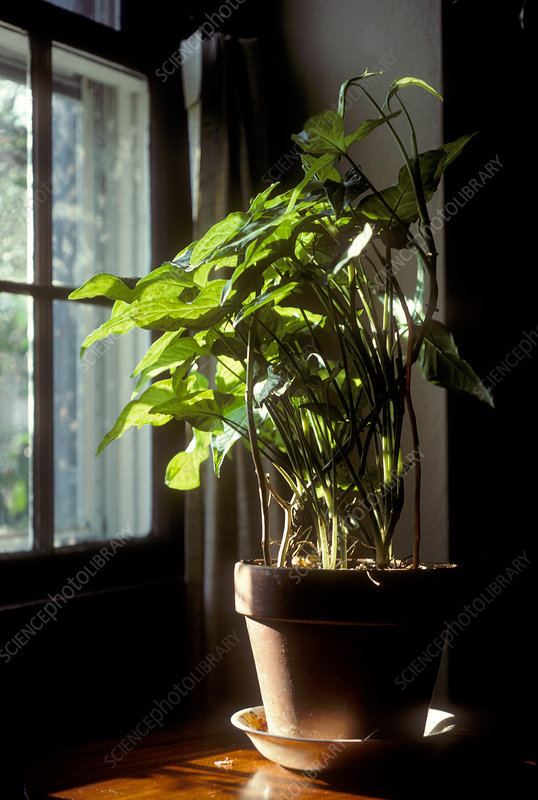
A student places a plant in a dark room next to a growth lamp, while providing sufficient water and nutrients to ensure the plant’s growth and survival. The plant will likely respond by -
bending towards the lamp
shedding all of its leaves
increasing its rate of photosynthesis
wilting and eventually dying
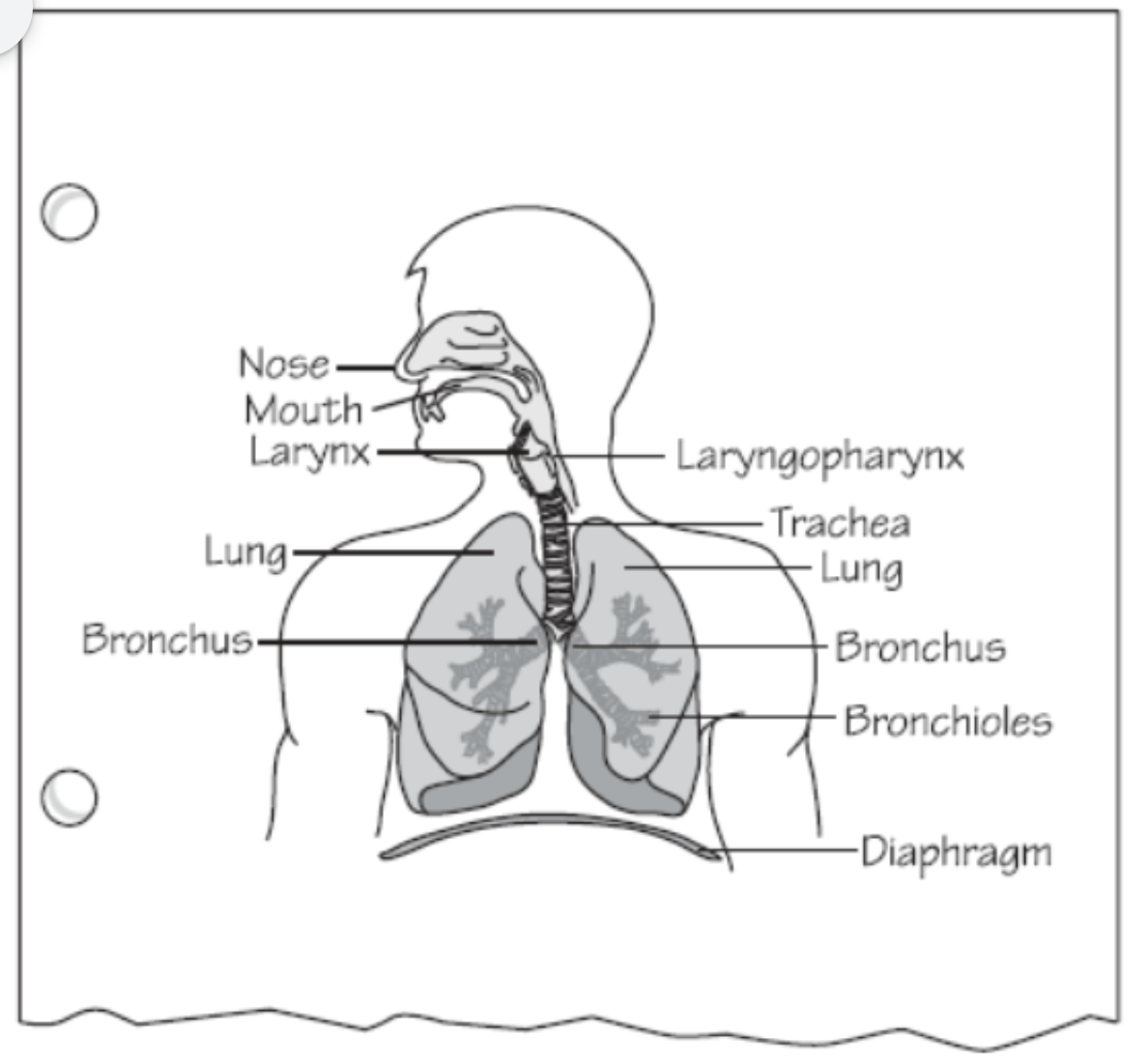
A student drew the picture of a human body system shown below. The student labeled some of the organs of the system.
The main function of this human body system is to -
chew food as it enters the mouth
trap particles that enter the nose
sense odors in the environment
exchange gases with the environment
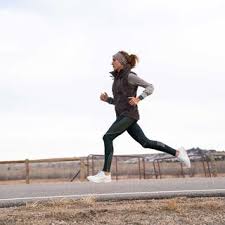
When people run long distances, their muscles require increased amounts of oxygen. Which system is responsible for carrying this oxygen to the muscles?
respiratory
circulatory
digestive
nervous
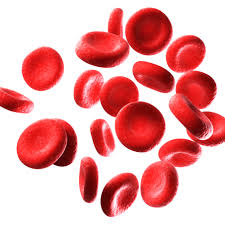
The red blood cells are a type of blood vessel that
form blood clots
help fight away infection
carries oxygen, nutrients, and waste to all parts of the body
work with melanin to control energy being release from cells using glucose
Which body system filters water and removes waste from the blood?
Excretory system
Endocrine system
Digestive system
Integumentary system

A student drew an illustration of a human body system as shown. The student labeled the main organ as Organ A. The main function of this human body system is to –
keep blood, oxygen and nutrients flowing through our body.
remove waste products from the human body.
attack foreign substances with the human body.
help blood clot.
Which body system converts food into simpler substances for the body to absorb as nutrients?
Digestive system
Excretory system
Circulatory system
Muscular system

Plant and animal cells contain many organelles that perform functions required for life. How many organelles listed do plant and animal cells have in common?
7
6
5
4
Which of the following statements is NOT true of cell theory?
Cells are the simplest unit within living organisms.
Large animals contain large cells; small animals contain small cells.
New cells are the result of other cells dividing.
All living things are composed of one or more cells.
Which list of characteristics describe organisms classified as ANIMALS?
Unicellular, prokaryotic, autotrophic
Multicellular, eukaryotic, heterotrophic
Unicellular, eukaryotic, heterotrophic
Multicellular, eukaryotic, autotrophic


What is the function of the muscular system?
The function is movement of the body through muscles
The function is to get rid of waste
The function is to process food for nutrients and energy
The function is to protect you against disease
What is the function of the immune system?
To digest food
To fight against pathogens and diseases
To help you breathe
To remove waste from the body
What is the function of the nervous system?
Controls all parts of the body; sends signals between the brain, spinal cord, and nerve endings
What happens when you get nervous to do something
To fight off diseases
To carry oxygen, nutrients, and blood throughout the body
How do the body systems work together when you accidentally touch a hot pan?
The cardiovascular/circulatory system sends signals to your hand to move it, and your nervous system moves your hand
The nervous system (brain, spinal cord, and nerves) send a signal to your hand to move it, and your muscular system causes your hand to move
The digestive system moves your hand, and the cardiovascular/circulatory system sends signals to your hand
The nervous system causes your hand to move, and the muscular system breaks down nutrients for your muscles to move
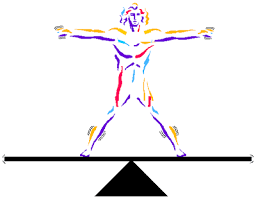
The human body must maintain a body temperature of 98.6 F, a blood oxygen saturation level of 95-100%, and a blood pH between 7.35-7.45. If the body maintains a balance... what is this called?
stimulus
fight or flight
homeostasis
response
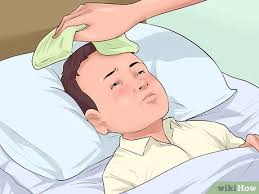
When an animal is infected with a virus, the body responds by creating conditions that are not favorable for the virus. It does this by -
inhibiting the sense of balance
creating a sensation of hunger
raising the core body temperature
all of the above


Which of the below labels would be most suitable for the blank in the diagram?
Tissue
Eukaryotes
Organelles
Bacteria

Which cell types do not have a nucleus in the diagram?
1 only
3 and 4 only
2 only
1, 2, 3 and 4
Which structures are not found in animal cells?
cell wall and cell membrane
chloroplasts and cell wall
nucleus and Golgi apparatus
centrioles and lysosomes
Traits are passed down from parents to _____________.
inherit
trait
parent
child

Look at the picture.
A bird knowing how to build a nest.
inherited
acquired

Look at the picture.
A dog that sits when told to.
inherited
acquired

