Wayground logo

Free Printable Worksheets

Font size

S
M
L
XL
Worksheets

Types of Body Tissues

Total questions: 36

Worksheet time: 37mins
Name
Class
Date
1.

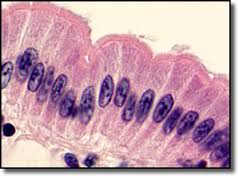
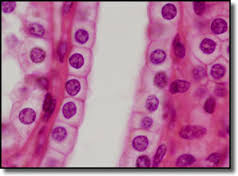
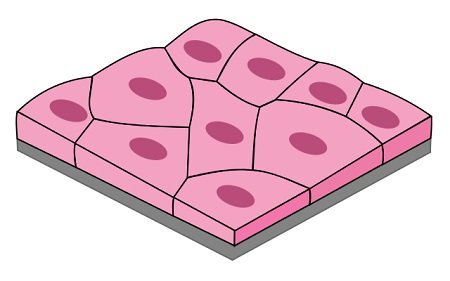
Name the type of epithelium

a)

simple cuboidal

b)

simple squamous

c)

simple columnar

d)

stratified squamous

2.

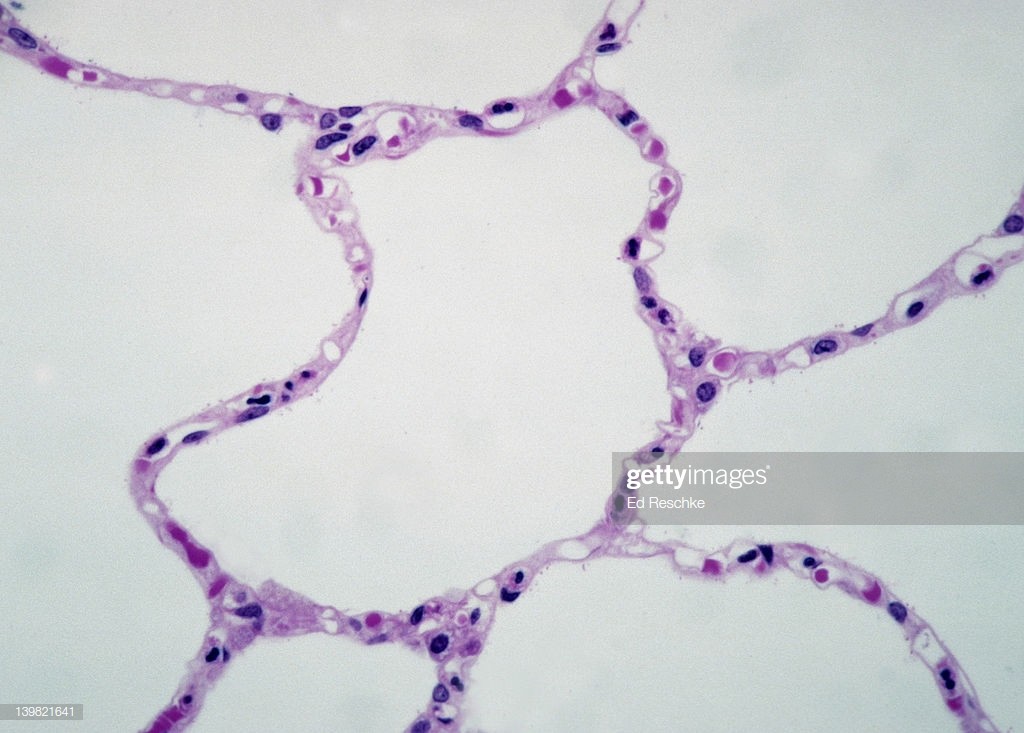
What type of epithelium lines the air sacs in this slide of lung tissue?

a)

simple cuboidal

b)

simple columnar

c)

simple squamous

d)

pseudostratified columnar

3.

Which of the following is NOT a main function of epithelial tissues?

a)

covering exposed surfaces

b)

lining internal passageways

c)

producing glandular secretions

d)

contracting to produce movement

4.

Which of the following is not a type of connective tissue?

a)

Blood

b)

Bone

c)

Skin

d)

Adipose

5.

Which type of muscle tissue would line the intestines?

a)

Smooth

b)

Skeletal

c)

Cardiac

d)

Transitional

6.

Name this tissue

a)

Bone

b)

Adipose

c)

Cartilage

d)

Blood

7.

Which of the following tissues binds everything together?

a)

Connective

b)

Muscle

c)

Epithelial

d)

Nervous

8.

which of the following tissues is made up of cells that contract when stimulated?

a)

Muscle

b)

Connective

c)

Nervous

d)

Epithelial

9.

muscles are located in all the following EXCEPT

a)

Inside bones

b)

In the heart

c)

Attached to bones

d)

In the digestive tract

10.

The four types of tissue are

a)

Cardiac, transitional, epithelial, connective

b)

Muscle, Nervous, Epithelial, Connective

c)

Connective, Epithelial, Transitional, Muscle

d)

Epithelial, Connective, Muscle, Squamous

11.

Cardiac muscle is found around the

a)

Liver

b)

Heart

c)

Lungs

d)

Stomach

12.

The function of muscle tissue include

a)

Forms glands

b)

Binding structures together

c)

Help move substances and structures in the body

d)

Conduct impulses

13.
Which of the following is a type of muscle tissue.
a)
Blood
b)
Skin
c)
Cardic
d)
Bone
14.
This is the connective tissue structure that supports the body
a)
Adipose
b)
Bone
c)
Skin
d)
Epithelial 
15.
Which of the following is the function of the epithelial tissue?
a)
Supports body parts
b)
Covers body parts
c)
Binds body parts together
d)
Forms the framework of organs
16.
This types of connective tissue connects bone to bone.
a)
Blood
b)
Ligament
c)
Cartilage
d)
Adipose
17.
This type of connective tissue protects the ends of our bones in out joints and is also found in other areas of the body.
a)
Cartilage
b)
Bone
c)
Adipose
d)
Blood
18.
This type of tissue is known for absorption, secretion and protection.
a)
Nervous
b)
Connective
c)
Epithelial
d)
Muscle
19.
How can smooth muscle be described?
a)
Striated involuntary
b)
Striated voluntary
c)
Nonstriated voluntary
d)
Nonstriated involuntary
20.
Which of the following is not one of the four tissue types? 
a)
Blood
b)
Connective
c)
Epithelial
d)
Nervous 
21.
Identify:
a)
Columnar
b)
Cuboidal
c)
Pseudostratified
d)
Transitional
22.
Identify:
a)
Pseudostratified
b)
Smooth Muscle
c)
Transitional
d)
Stratified Squamous
23.
Identify:
a)
Columnar
b)
Cuboidal
c)
Transitional
d)
Simple Squamous
24.
Identify:
a)
Smooth Muscle
b)
Columnar
c)
Transitional
d)
Pseudostratified
25.
Identify:
a)
Pseudostratified
b)
Simple cuboidal
c)
Transitional
d)
Simple Squamous
26.
Epithelium with more than one layer of cells
a)
Stratified epithelium
b)
Simple epithelium
27.
This type of epithelium has only one layer of cells
a)
Stratified epithelium
b)
Simple epithelium
28.
Flattened cells
a)
Squamous
b)
Cuboidal
c)
Columnar
29.
This type of muscle tissue is attached to bones and helps control voluntary movement
a)
Skeletal
b)
Cardiac
c)
Smooth
d)
All of the above
30.
Muscle tissue that is involuntary
a)
cardiac muscle only
b)
skeletal muscle only
c)
smooth muscle only
d)
cardiac and smooth muscle
31.
This type of tissue includes ligaments, tendons, and cartilage
a)
epithelial
b)
connective
c)
muscular
d)
nervous
32.
Nervous tissue
a)
Tissue that is responsible for lining and covering 
b)
Tissue responsible for protecting, supporting, and binding together other body tissues
c)
Tissues that contracts and shortens to produce movement
d)
Tissue that receives and conducts electrochemical impulses from one part of the body to another
33.
What do neuroglia do?
a)
Release neurotransmitters
b)
Support and nourish neurons
c)
Release calcium to activate neurons
d)
Absorb nutrients from neurons
34.
Blood is an example of what type of tissue?
a)
muscle
b)
epithelial
c)
nervous
d)
connective
35.
Which is NOT a Function of Connective Tissue?
a)
provide structure and support
b)
stores nutrients such as energy
c)
provide cushion/protection
d)
provides movement
36.
Since epithelial tissue lines or covers organs of the body which statement is true
a)
the epithelial cells rapidly grow and are replaced
b)
epithelial cells are slow growing and rarely shed.