wayground logo

Free Printable Worksheets

Font size

S
M
L
XL
Worksheets

APES Unit 1 Review - The Living World: Ecosystem

Total questions: 93

Worksheet time: 3hrs 28mins

Name
Class
Date
1.

An ecosystem consists of ______ and _______ components.

a)

Human

b)

Living

c)

Non-Living

d)

Physical

2.

Abiotic components are

a)

Non-living things

b)

Living things

c)

Plants

d)

Animals

3.
Cattle egrets forage (feed) in fields among cattle. The egret gets easy access to flying insects stirred up by the cattle, and the cattle don't care if they are there or not.
a)
mutualism
b)
commensalism
c)
competition
d)
parasitism
4.
A relationship between two organisms in which one organism benefits and the other is unharmed...
a)
Mutualism 
b)
Competition
c)
Parasitsm 
d)
Commensalism 
5.
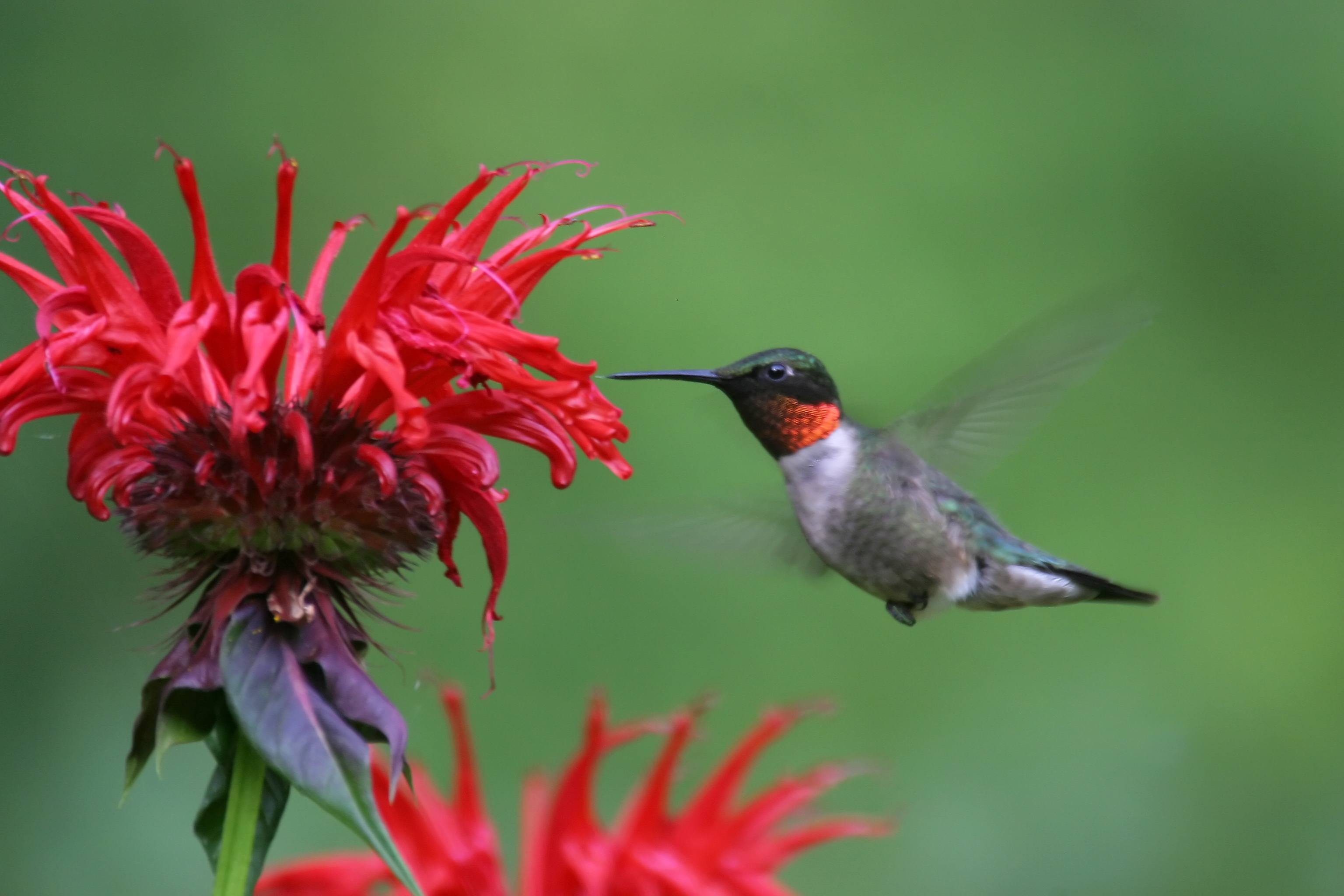
What type of symbiosis?  Hummingbirds feed on nectar from flowers.  The flowers are pollinated by hummingbirds as they move from flower to flower.
a)
commensalism
b)
mutualism
c)
parasitism
d)
predation
6.
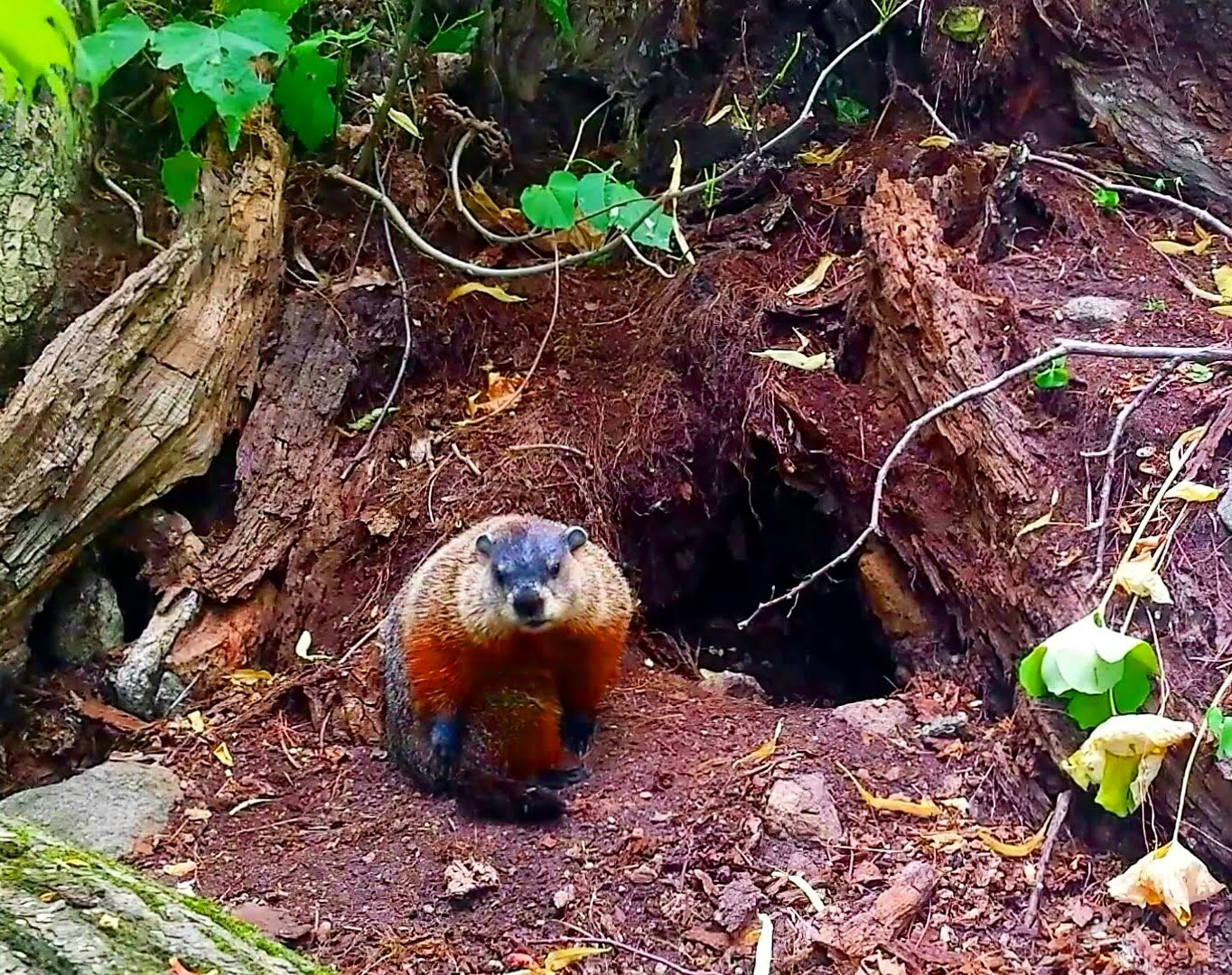
What type of symbiosis?  Skunks often live in burrows that have been dug and abandoned by woodchucks.  
a)
commensalism
b)
mutualism
c)
parasitism
d)
predation
7.
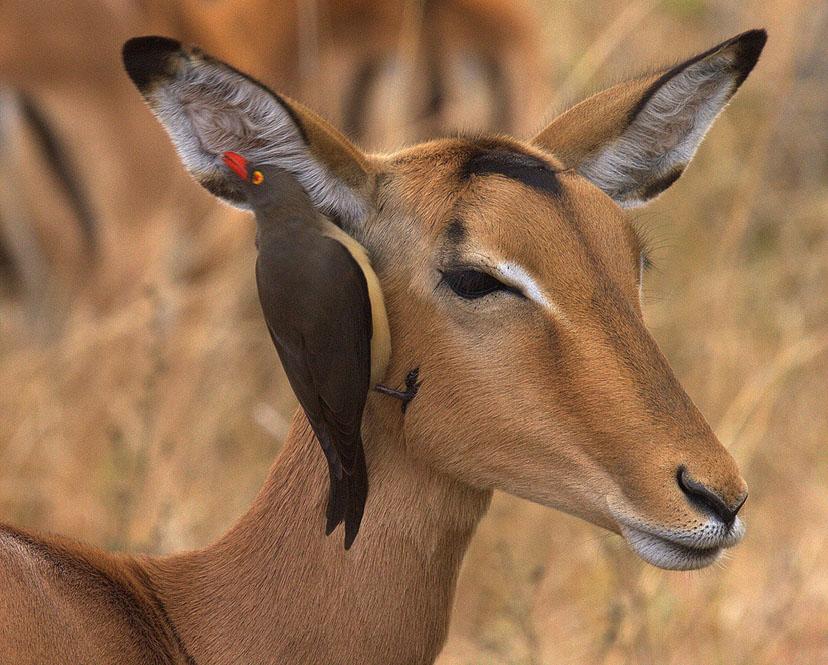
Red-billed oxpeckers are birds that often feed on parasites that infest impala.  This is an example of _______.
a)
commensalism
b)
mutualism
c)
neutralism
d)
competition
8.
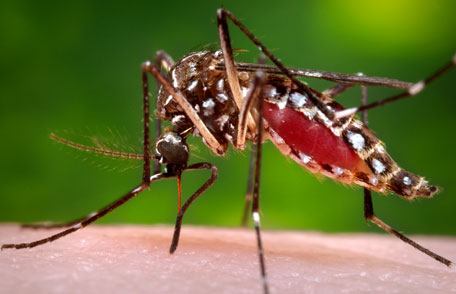
When a mosquito bites you, you are the __________ and the mosquito is the  ____________.
a)
host, hostess
b)
parasite, host
c)
host, parasite
d)
prey, predator
9.

Aphids are tiny insects that live on and eat the leaves of plants, removing vital nutrients from the plants.

a)

Predation

b)

Parasitism

c)

Commensalism

d)

Mutualism

10.
An organism that is killed and eaten by another organism
a)
Predator
b)
Prey
c)
Competition
d)
Adaptation
11.
Barn owls hunt shrews. In this example what is a barn owl?
a)
Herbivore/Predator
b)
Carnivore/Prey
c)
Carnivore/Predator
12.
How do consumers get their energy? 
a)
laying in the sun
b)
eating other organisms 
c)
providing food for other organisms
d)
surviving in an ecosystem 
13.
Which of the following is a herbivore?
a)
cricket
b)
frog
c)
hawk
d)
shrew
14.
How many carnivores are shown in this food web?
a)
6
b)
4
c)
5
d)
3
15.
An animal that is hunted and eaten for food is a __________.
a)
predator
b)
prey
c)
population
16.

The ecological role an organism performs in their specific environment is considered the organism's...

a)

Habitat

b)

Population

c)

Biome

d)

Niche

17.

a relationship between two species in which both species compete for limited resources such that both species are negatively affected by the relationship

a)

Symbiosis

b)

interspecific competition

c)

species richness

d)

species-area effect

18.

the differentiation of niches that enables similar species to coexist in a community

a)

character displacement

b)

climax community

c)

resource partitioning

d)

pioneer species

19.
What effect does biodiversity have on a community?
a)
It makes destruction by insects impossible. 
b)
It makes primary succession more likely.   
c)
 It enables species to survive in a desert.
d)
It enables the community to withstand changes.
20.
The ecological niches of three bird species are shown in the diagram. What is the advantage of each bird species having a different niche?
a)
As more birds feed higher in the tree, available energy increases.
b)
More abiotic resources are available for each bird.
c)
Predators are less likely to feed on birds in a variety of locations.
d)
There is less competition for food.
21.
Which of the following biomes has the highest soil nutrient levels?
a)
Temperate seasonal forest
b)
tropical rainforest
c)
temperate rainforest
d)
boreal forest
22.
Most of the photosynthesis in lakes and ponds occurs in the
a)
benthic zone
b)
littoral zone
c)
limnetic zone
d)
profundal zone
23.
Which biome contains the aphotic zone?
a)
open ocean
b)
freshwater wetlands
c)
coral reefs
d)
streams and rivers
24.
The closer a biome is to the equator, the more we would expect it to be
a)
warmer & wetter
b)
warmer & drier
c)
cooler & wetter
d)
cooler & drier
25.
The tropical rain forest & tropical savanna biomes are similar in ___________, but ________________________________.
a)
temperature / the savannah doesn't receive enough rainfall to be a forest
b)
precipitation / the rain forest is hotter
c)
precipitation / the savanna is cooler
d)
temperature / the rain forest doesn't receive enough sunlight to be a savanna
26.
Terrestrial biomes are defined mainly by their
a)
climate & plants
b)
climate & animals
c)
animals & plants
d)
climate only
27.
The most biodiverse biome is: 
a)
Taiga
b)
Chaparral
c)
Savanna
d)
Tropical Rainforest
28.
Abiotic factors: hot and wet year-round; thin, nutrient-poor soils • Dominant plants: broad-leaved evergreen trees; ferns; large woody vines and climbing plants;  orchids and bromeliads
a)
Taiga 
b)
Temperate Rain Forest
c)
Temperate Deciduous Forest
d)
Tropical Rain forest
29.
Abiotic factors: warm temperatures; seasonal rainfall; compact soil; frequent fires set by lightning • Dominant plants: tall, perennial grasses; sometimes drought-tolerant and fireresistant trees or shrubs    
a)
temperate grasslands
b)
Prairies
c)
savanna grass lands
d)
chapparal
30.
Abiotic factors: low precipitation, variable temperatures; soils rich in minerals but poor in organic material • Dominant plants: cacti and other succulents; creosote bush and other plants with short growth cycles
a)
Desert
b)
Tundra
c)
Tropical grassland
d)
Temperate grassland
31.
Look at the following graph to determine biome
a)
Savanna Grassland
b)
Chapparal
c)
Desert
d)
Tundra
32.
The most important abiotic factors when studying biomes are...
a)
Food and Water
b)
Water and Sunlight
c)
Temperature and Oxygen
d)
Precipitation and Temperature 
33.
The biome known for trees with broad leaves that fall off the trees in the winter.
a)
Coniferous Forests
b)
Temperate Deciduous Forests
c)
Deserts
d)
Tundra
34.
What are the 2 types of aquatic biomes?
a)
rivers and streams
b)
lakes and oceans
c)
marine and fresh water
d)
marine and oceanic
35.
What are the 2 types of freshwater biome?
a)
pond and lake
b)
river and stream
c)
marine and oceanic
d)
running water and still water
36.
The aphotic zone is
a)
the ocean's dark lower layer where photosynthesis cannot occur
b)
the sunlit upper layer of the ocean where photosynthesis occurs
c)
on the bottom of lakes, streams, and oceans.
d)
where benthos are found
37.
The intertidal zone of oceans
a)
surrounds continents
b)
is on the coastline
c)
has tides that rise and fall each day
d)
is the open ocean
38.
phytoplankton are
a)
tiny autotrophic organisms in water
b)
large plants 
c)
tiny heterotrophic organisms in water
d)
large animals
39.
zooplankton are
a)
tiny autotrophic organisms in water
b)
large plants
c)
tiny heterotrophic organisms in water
d)
large animals
40.
Estuaries form where 
a)
a lake evaporates
b)
a river meets the sea
c)
a river becomes dammed
d)
a wetland becomes filled in
41.
Estuary water should have 
a)
less salt than the ocean
b)
more salt than the ocean
c)
no salt
42.
Which biome has dense evergreen (pine) forests?
a)
taiga (boreal forest)
b)
tundra
c)
desert
d)
savanna
43.

The water of a marsh can be

a)

fresh

b)

brackish

c)

saline

d)

all of the above

44.

Why the roots of mangroves come out of the ground

a)

To breathe

b)

to beautify the plant

c)

To give support

45.
What does not produce carbon dioxide?
a)
Photosynthesis
b)
Burning Fossil Fuels
c)
Animal respiration
d)
Plants decaying
46.
Which of the following removes carbon from the atmosphere?
a)
Combustion
b)
Respiration
c)
Photosynthesis
d)
Death
47.

The amount of primary productivity generated by all producers in a given ecosystem is called __________________________________

a)

Gross primary production

b)

Net primary production

c)

Total cell respiration

d)

Trophic levels

48.

Coniferous (Or Boreal) forests are characterized by:

a)

Pine forests, quarterly seasons, permafrost, large mammals, and no reptiles.

b)

Pine forests, cold winters, spring water movement, large mammals,and no reptiles.

c)

Pine forests, summer temperatures above 110oC, few large mammals, and extremely diverse amphibian species.

d)

Grasslands, extremely diverse insects, few trees, and seasonal fires.

49.
.What is the effect of deforestation on the carbon cycle? 
a)
 Increase in the amount of CO2 in the atmosphere  
b)
Decrease in the amount of CO2 in the atmosphere 
c)
Increase in the amount of photosynthesis 
d)
Deforestation has no impact on the carbon cycle 
50.
Which one of these does not add CO2 to the atmosphere?
a)
cooking with gas
b)
planting trees
c)
burning wood
d)
riding in a bus
51.
Why is the ocean important to the carbon cycle?
a)
It keeps sediment containing carbon underwater for millions of years
b)
The ocean gives out more carbon then it takes in (increases global warming)
c)
The ocean isn't important to the carbon cycle.
52.

Which of the following is the most abundant gas in the atmosphere?

a)

Oxygen

b)

Nitrogen

c)

Argon

d)

Hydrogen

e)

Helium

53.

The largest reservoir of nitrogen is the:

a)

Oceans

b)

Rivers

c)

Rock, Lithosphere & Land

d)

Atmosphere

54.

The water cycle ___ influence(s) the nitrogen cycle.

a)

does

b)

does not

c)

lightly

55.

Nitrogen is added to the atmosphere by:

a)

Denitrification

b)

Fixation

c)

Reduction

d)

Oxidation

56.

Nitrogen is removed from the atmosphere by:

a)

Denitrification

b)

Fixation

c)

Reduction

d)

Oxidation

57.
What is the process of combining nitrogen gas with other elements to make nitrogen into usable compounds?
a)
nitrogen composition
b)
ammonia 
c)
nitrogen fixation
d)
denitrification
58.
Organisms that break down dead plants & animals and release nitrogen back into atmosphere...
a)
bacteria
b)
plants
c)
animals
d)
producers
59.
Organisms that need nitrogen to survive
a)
only plants
b)
only animals
c)
only bacteria
d)
all living organisms
60.
If the atmosphere is 78% N2, why can't we just get our nitrogen by breathing?
a)
We have no mechanism to break the triple bond of nitrogen between the atoms.
b)
Our lungs would be damaged by the N2.
c)
We need Oxygen for cellular respiration.
d)
The legumes take it up first.
61.
_____ is the conversion of organic nitrogen into ammonia
a)
Nitrogen Fixation
b)
Ammonification
c)
Denitrification
d)
Assimilation 
62.
Nitrification happens in the ______
a)
Air 
b)
Soil 
c)
Ground Water 
d)
Plants 
63.
The step in the nitrogen cycle where bacteria convert ammonia (NH3) to nitrate (NO3-) is:
a)
nitrification
b)
ammonification
c)
nitrogen fixation
d)
assimilation
64.
Nitrogen is essential for living organisms to make:
a)
Lipids
b)
Carbohydrates
c)
Proteins
d)
Fats
65.

This is NOT a part of the phosphorus cycle.

a)

Phosphate is incorporated into sedimentary rocks

b)

Phosphate bound to soil

c)

Atmospheric phosphate

d)

Phosphate is absorbed from the soil by plants

66.
_____ brings phosphorous into our waterways. .
a)
precipitation
b)
runoff
c)
transpiration
d)
condensation
67.
Which of the following statements is true of the phosphorus cycle?
a)
Phosphorus enters the atmosphere as phosphates.
b)
The phosphorus cycle utilizes the processes of erosion, and weathering.
c)
Phosphates are used in carbohydrate and glucose storage.
d)
The phosphorus cycle utilizes bacteria to breakdown phosphates and make them available for plants.
68.

Too much phosphorus in waterways (rivers, lakes) can lead to___________.

a)

eutrophication

b)

Nothing

c)

Death

d)

diseases

69.

___________________ is the process by which water changes from a liquid to a gas or vapor. __________________ is the primary pathway that water moves from the liquid state back into the water cycle as atmospheric water

a)

Transpiration

b)

Deposition

c)

Percolation

d)

Evaporation

70.

____________________ is the process by which water on the ground surface enters the soil. ________________ rate in soil science is a measure of the rate at which soil is able to absorb rainfall or irrigation.

a)

Infiltration

b)

Percolation

c)

Deposition

d)

Condensation

71.

__________________ is the process by which water vapor in the air is changed into liquid water. ________________ is crucial to the water cycle because it is responsible for the formation of clouds.

a)

Transportation

b)

Percolation

c)

Condensation

d)

Plant Uptake

72.
97% of the water on earth is _________, making it undrinkable for humans.
a)
fresh water
b)
ground water
c)
salt water
d)
surface water
73.
What is it called when plants give off water vapor as a waste product?
a)
condensation
b)
evaporation
c)
sublimation
d)
transpiration
74.
The supply of freshwater under the Earth's surface.
a)
watershed
b)
mouth
c)
headwaters
d)
groundwater
75.
__________ primary productivity is the total amount of energy that producers convert to chemical energy in organic molecules per unit of time.   
a)
Net
b)
Total
c)
Gross
d)
None of the above
76.
__________productivity = the organic materials that remain after photosynthetic organisms in the ecosystem have used some of these compounds for their cellular energy needs (cellular respiration).
a)
Gross
b)
Primary
c)
Net
d)
Secondary
77.

__________ primary productivity is the total amount of energy that producers convert to chemical energy in organic molecules per unit of time.

a)

Net

b)

Total

c)

Gross

d)

Secondary

78.

Ecological efficiency from one trophic level to the next is generally:

a)

1%

b)

10%

c)

75%

d)

90%

79.
Autotrophs
a)
use photosynthesis
b)
are able to survive without oxygen
c)
cannot assimilate carbon
d)
are at the top of the food chain
80.
a zebra is an example of
a)
a secondary consumer
b)
a producer
c)
a primary consumer
d)
a scavenger
81.
The gross primary productivity of an ecosystem is
a)
the total amount of biomass
b)
the total energy captured by photosynthesis
c)
the energy captured after accounting for respiration
d)
the energy available to primary cosumers
82.
Ecosystem boundaries are
a)
based primarily on topographic features
b)
boundaries to nutrient flows
c)
only used for ecosystems smaller than a few square hectares
d)
depend on many subjective factors
83.
At what trophic level are eagle that consume fish that eat algae?
a)
decomposers
b)
primary consumers
c)
secondary consumers
d)
tertiary consumers
84.
At which trophic level do organisms use a process that produces oxygen as a waste product?
a)
Producers
b)
decomposers
c)
primary consumers
d)
secondary consumers
85.
Trophic levels are represented by 
a)
squares
b)
circles
c)
pyramids
d)
lines
86.
Which animal is not the apex predator but, a predator to a mouse?
a)
hawk
b)
rabbit
c)
snake
d)
grass
87.
The arrows in a food chain or web represents what?
a)
They point to the organism that is being eaten.
b)
It shows how sunlight flows within an ecosystem.
c)
They show what direction the energy is flowing between organisms. 
d)
They represent how water is transferred within a habitat.
88.
Eat primary consumers (can be carnivores and omnivores)
a)
Tertiary Consumers
b)
Secondary Consumers
c)
Quaternary Consumers 
d)
Top Predators 
89.
What is a producer?
a)
an organism that gets energy from eating other organisms
b)
an organisms that uses sunlight to make its own food
c)
an organism that gets energy from eating dead organisms, non-living material or waste
d)
an organism that uses chemical energy to make its own food
90.
Which organism do the owl and the weasel compete for in the food web?
a)
Hawk
b)
Spider
c)
Grasshopper
d)
Shrew
91.

In which biome would you expect to find an area with an average temperature of 10oC and 200 cm of precipitation annually?

a)

Temperate seasonal forest

b)

Temperate rainforest

c)

Woodland/shrubland

d)

Tropical seasonal forest

92.

In which biome would you expect to find an area with an average temperature of 4oC and 50 cm of precipitation annually?

a)

Tundra

b)

Boreal forest

c)

Temperate grassland/cold desert

d)

Woodland/shrubland

93.

Which of the following are examples of wetlands?

a)

swamps

b)

marshes

c)

bogs

d)

all of these are correct