
 Worksheets
Physical & Chemical Properties & Changes
Total questions: 75
Worksheet time: 6hrs 57mins
An ice cream cone melts in a kid's hand while walking outside on a hot summer day. What is this an example of?
Physical property
Chemical property
Physical change
Chemical change
A silver ring gets tarnished (becomes dull) as a result of being exposed to air and moisture. What is this an example of?
Physical property
Chemical property
Physical change
Chemical change
Water boils at 100˚C. What is this an example of?
Physical property
Chemical property
Physical change
Chemical change
Benzene is a compound that is highly flammable. What is this an example of?
Physical property
Chemical property
Physical change
Chemical change
A burglar smashes the window of a nearby car to steal some money. What is this an example of?
Physical property
Chemical property
Physical change
Chemical change
Stomach acid has a pH of approximately 2. What is this an example of?
Physical property
Chemical property
Physical change
Chemical change
Mercury is a metal that is liquid at room temperature. What is this an example of?
Physical property
Chemical property
Physical change
Chemical change
Copper is a good conductor of heat and electricity. What is this an example of?
Physical property
Chemical property
Physical change
Chemical change
A student rips up his exam paper in frustration. What is this an example of?
Physical property
Chemical property
Physical change
Chemical change
A group of campers burned some wooden logs to make a bonfire. What is this an example of?
Physical property
Chemical property
Physical change
Chemical change


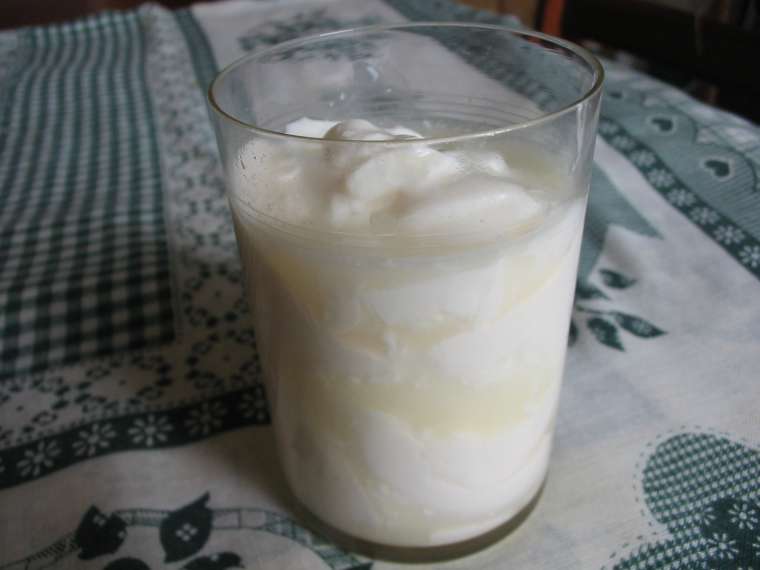
state of matter


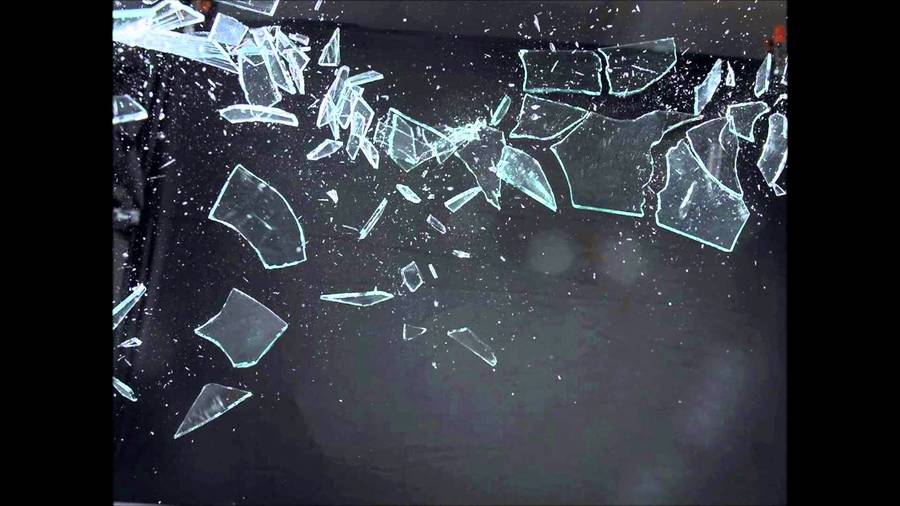
Glass breaking
Physical Change
Chemical Change
A rusting bicycle
Physical Change
Chemical Change
Melting butter for popcorn
Physical Change
Chemical Change
Burning toast
Physical Change
Chemical Change
Which set of properties, intensive or extensive, are based on the size of a sample?
intensive
extensive
What kind of physical property is this? Density
intensive
extensive
What kind of physical property is this? Boiling Point
intensive
extensive
What kind of physical property is this? Volume
intensive
extensive
What kind of physical property is this? Mass
intensive
extensive
What kind of physical property is this? Melting Point
intensive
extensive
What are properties that do depend on the amount of matter present called?
Mass
Hardness
Extensive
Intensive
Name an extensive property
Color
Mass
Odor
Luster
Name an extensive property
Harness
Boiling point
Density
Weight
What is the definition of intensive property?
Properties that vary depending on the amount of matter
Properties that do not change with amount of matter
Why are intensive properties used to characterize matter?
They do not change with the amount of matter
They vary with the amount of matter
They are more pronounced than extensive properties
None of these are correct


Which of the following is NOT an example of a physical change?
crumpling paper
sharpening a pencil
clothes shrinking
sour milk
Which of the following is NOT an example of chemical change?
sour milk
burning wood
breaking a pencil
rust

Salt dissolved in water is a
physical change
chemical change

Chewing food is a
physical change
chemical change
if there is a change in color, production of light, production of heat, production of gas, production of smell or formation of a new substance.
physical change
chemical change
What does it mean when there is a physical change?
Matter has change from one substance into another.
Matter has change on the molecular level
A new substance has been formed.
Matter has changed size, shape or form.
In a chemical reaction, the mass is _______.
gained
los
conserved
It states that mass of the reactant is equal to the mass of the products.
law of definite energy
law of conservation of mass
law of inertia
law of acceleration
Breaking, crushing, bending are all examples of
physical change
chemical change
both
Painting a fence is a
physical change
chemical change
What is an example of a physical change that happens inside your body?
Food being broken down by acids in your stomach.
Food being broken down into small pieces by your teeth.
Food being moved to your stomach.
Water being absorbed inside your large intestine.

