Wayground logo

Free Printable Worksheets

Font size

S
M
L
XL
Worksheets

Atoms, Periodic Table, Electromagnetic Spectrum

Total questions: 83

Worksheet time: 2hrs 40mins
Name
Class
Date
1.
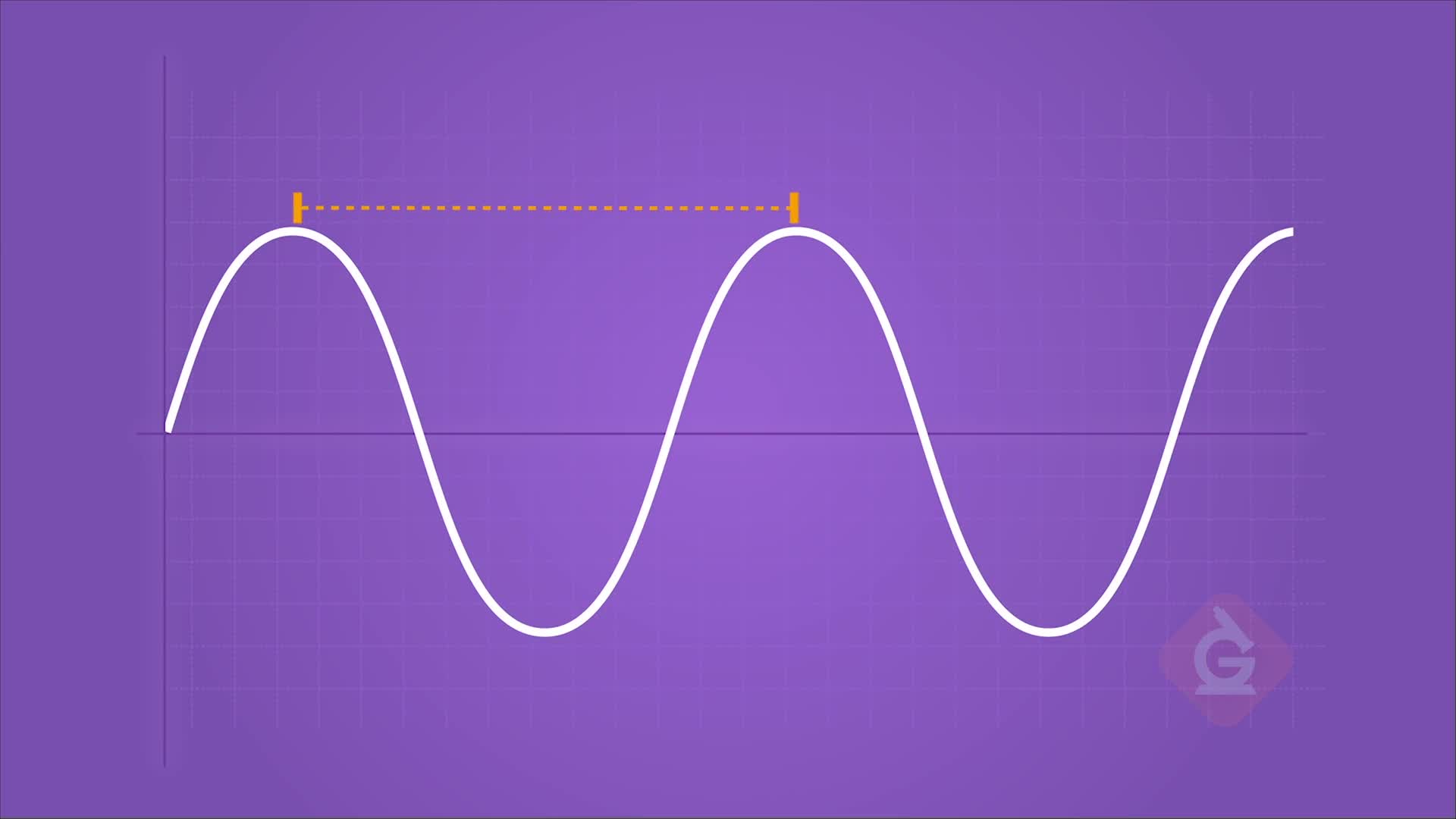
What is the distance from the peak of one wave to the next peak?
a)
Amplitude
b)
Frequency
c)
Period
d)
Wavelength
2.
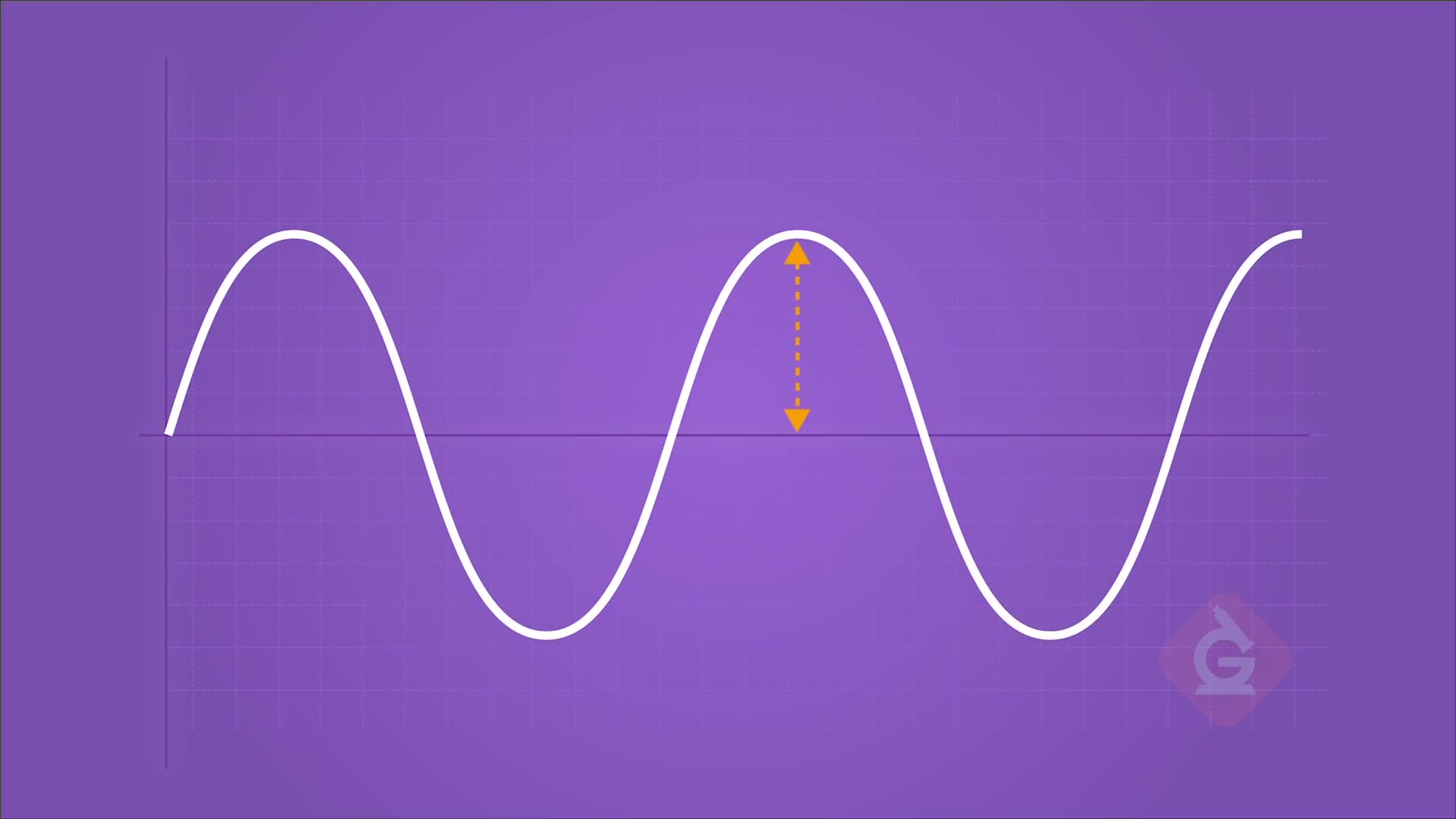
What is the height of a wave from its resting point?
a)
Amplitude
b)
Frequency
c)
Period
d)
Wavelength
3.
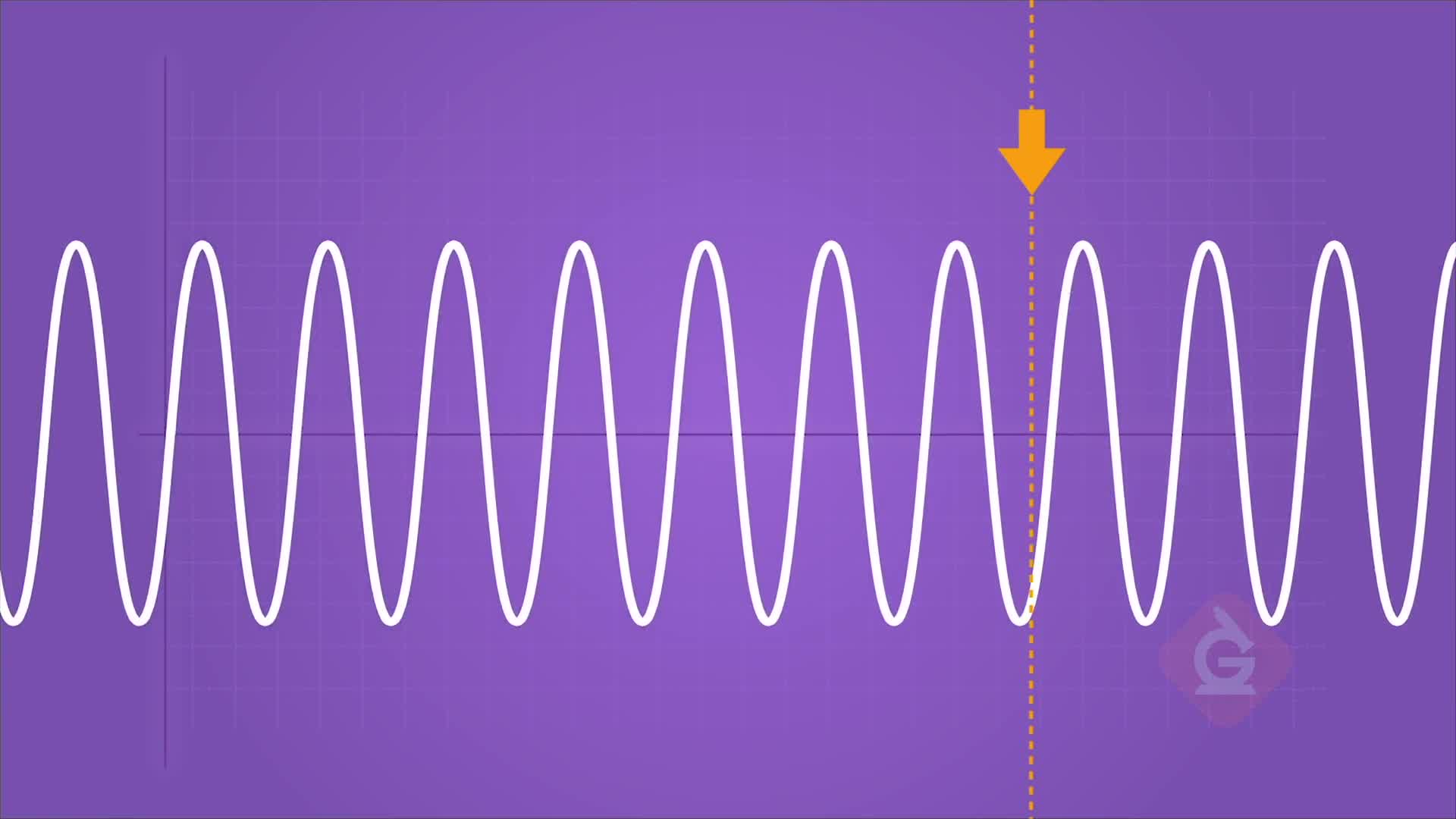
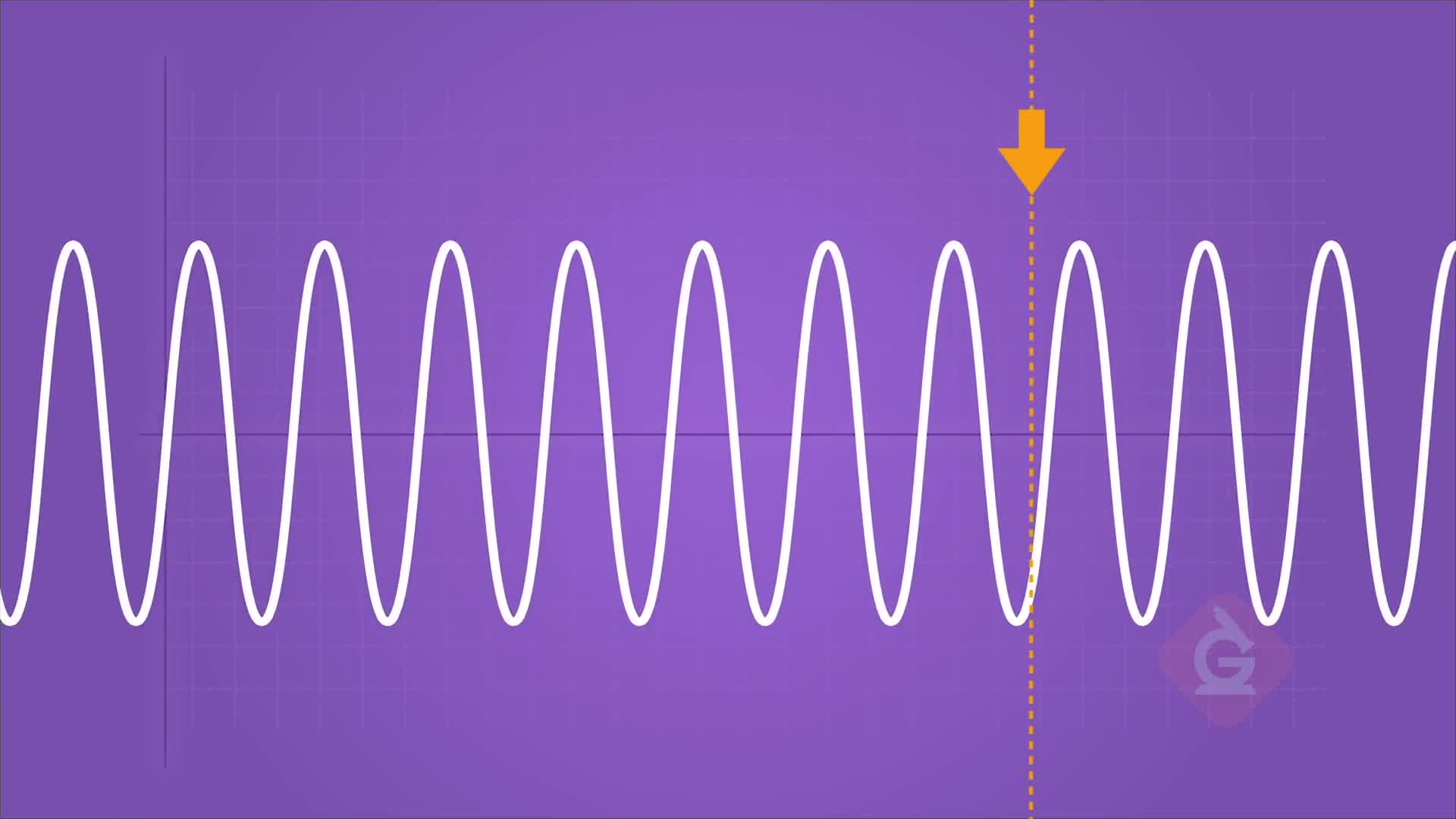
What is the number of waves that pass a point in one second?
a)
Amplitude
b)
Frequency
c)
Period
d)
Wavelength
4.
These waves make water molecules vibrate and warm up.
a)
Gamma
b)
Microwaves
c)
Radio
d)
Ultraviolet
5.
These high-energy waves are given off by radioactive materials.
a)
Gamma
b)
Microwaves
c)
Radio
d)
Ultraviolet
6.
These waves from the sun cause sunburn.
a)
Gamma
b)
Microwaves
c)
Radio
d)
Ultraviolet
7.
The energy of waves _______ as the wavelength gets shorter.
a)
increases
b)
decreases
c)
stays the same
8.

Which of these EM waves has the greatest penetrating ability due to its very short wavelength?

a)

Ultraviolet

b)

X-ray

c)

Gamma ray

d)

Microwave

9.

Which of the following is the least penetrating wave

a)

gamma rays

b)

UV rays

c)

Infrared rays

d)

X rays

10.

In order of increasing energy, which of the following is the correct sequence?

a)

Visible, radio, ultraviolet, x-ray

b)

Infrared, visible, ultraviolet, gamma

c)

Visible, gamma, ultraviolet, x-ray

d)

Infrared, x-ray, visible, gamma

11.

Which of the following sets of EM radiation can harm your body cells?

a)

Gamma ray, microwaves, infrared

b)

Light, ultraviolet, x-ray

c)

Microwaves, ultraviolet, infrared

d)

Ultraviolet, x-ray, gamma ray

12.

The following are correct characteristics of EM waves EXCEPT for_________________.

a)

EM waves are composed of electric and magnetic fields.

b)

The electric and magnetic fields are both perpendicular to the direction of propagation.

c)

All EM waves have the same speed in vacuum.

d)

EM waves of different frequency and wavelength have different wave speed.

13.

Which of the following is true about EM waves?

a)

Light is the only wave that humans can perceive.

b)

Radio waves are used in television broadcast.

c)

Gamma rays have the shortest wavelength.

d)

All of the above.

14.

What is a repeating pattern that can transfer energy?

a)

Motif

b)

Prism

c)

Radio

d)

Wave

15.

The energy of waves _______ as the wavelength gets shorter, making the waves closer together.

a)

increases

b)

decreases

c)

doesn't change

16.
a)
metric ruler
b)
Celsius thermometer
c)
graduated cylinders
d)
pan balances
17.

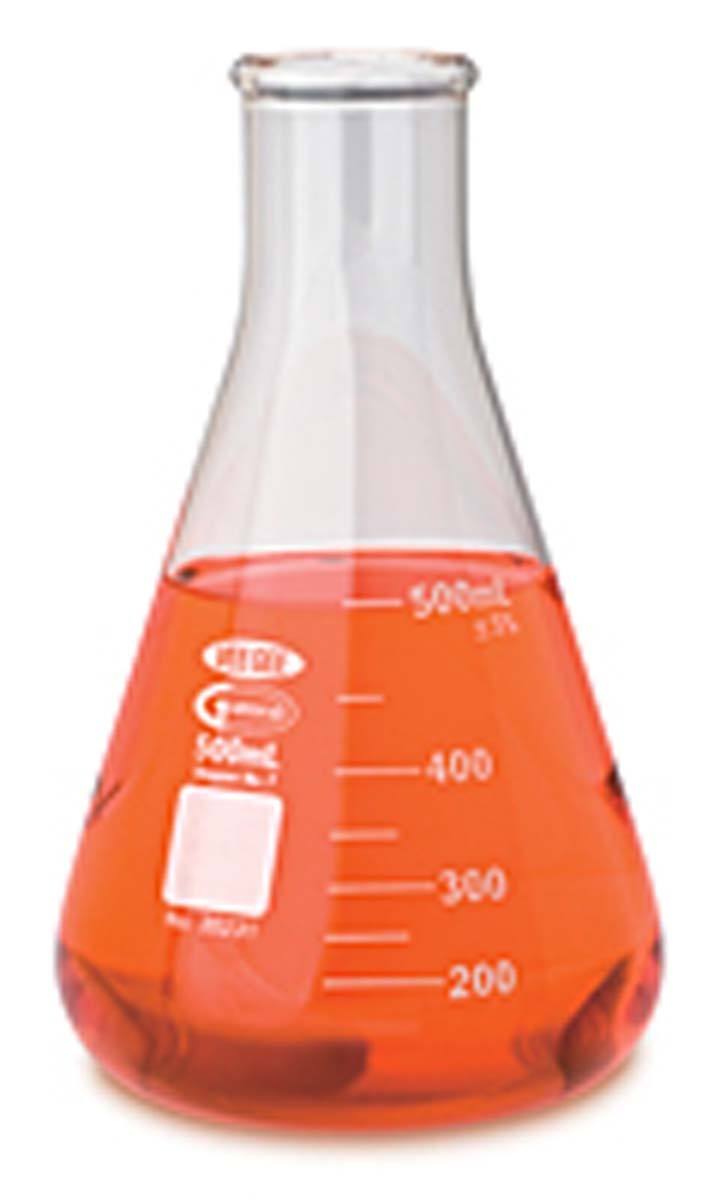
What is used to swirl, mix, or store chemicals?

a)

Beaker

b)

Flask

c)

Test Tube

d)

Graduated Cylinder

18.
Identify the primary function of the lab equipment seen in the image.
a)
Mixing liquids
b)
Measuring liquid volume
c)
Mixing solids
d)
Measuring mass
19.
This item is used to simply hold or approximately measure a liquid.
a)
beaker
b)
flask
c)
graduated cylinder
d)
test tube
20.

All matter is made of what

a)

energy

b)

atoms

c)

electrons

d)

compounds

21.

The positive particles of an atom are

a)

electrons

b)

positrons

c)

neutrons

d)

protons

22.

The central region of an atom where its neutrons and protons are is its

a)

nucleus

b)

electron cloud

c)

core

d)

center

23.

An atom with atomic number 6 would have how many protons

a)

6

b)

12

c)

3

d)

cannot be determined

24.

Particles in an atom that are neutral and have no charge are

a)

negatrons

b)

electrons

c)

neutrons

d)

protons

25.

A particle that moves around the nucleus is a(n)...

a)

Proton

b)

Neutron

c)

Electron

d)

Quark

26.

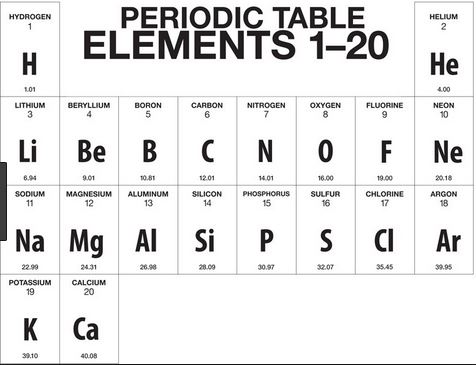
In the modern periodic table, elements are arranged by:

a)

atomic mass

b)

atomic number

c)

valence electrons

d)

number of isotopes

27.

What does the 1.00794 stand for?

a)

Hydrogen

b)

atomic number

c)

atomic mass

d)

atomic explosion

28.

What subatomic particles would you find in the nucleus of an atom?

a)

Protons only

b)

Protons and Neutrons

c)

Neutrons and Electrons

d)

Protons and Electrons

29.

What subatomic particle(s) would be found orbiting the nucleus?

a)

Neutrons only

b)

Electrons only

c)

Protons and Neutrons

d)

Protons and Electrons

30.

Protons and electrons balance the charge of an atom.

a)

True

b)

False

31.

What particle uniquely identifies an element?

a)

Number of Valence Electrons

b)

Number of Protons

c)

Number of Electrons

d)

Atomic Mass

32.

Most of the mass in an atom is concentrated in the...

a)

electrons

b)

nucleus

c)

protons

d)

empty space

33.

Electrons are___________

a)

Extremely small even in comparison to protons.

b)

part of the nuclues.

c)

Super Positive, like cheerleaders!

d)

very large

34.

Anything that has mass and takes up space is called

a)

heterogeneous

b)

homogeneous

c)

matter

d)

density

35.
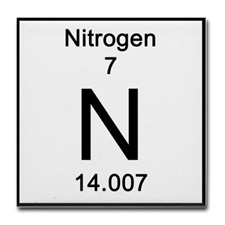
What is the number of protons that the element in this image contain?
a)
14
b)
7
c)
15
d)
18
36.
electrons have this type of charge?
a)
negative
b)
positive
c)
neutral
37.
An atom's mass number equals the number of...
a)
protons plus the number of electrons
b)
protons plus the number of neutrons
c)
protons
d)
neutrons
38.

Which group is referred to as Alkali Metals?

a)

3

b)

1

c)

7

d)

17

39.

What is the name of the family that is highlighted?

a)

Alkali Metal Family

b)

Halogen Family

c)

Noble Gas Family

d)

Transition Metal Family

40.
List the two most reactive families on the periodic table.
a)
Alkali metals & Transition Metals
b)
Noble gases & Oxygen Family
c)
Halogens & Alkali metals
d)
Halogens & Noble gases
41.
Electronegativity is...
a)
how good an atom is at attracting electrons
b)
the ability of an atom to lose electrons
c)
the energy required to remove an electron from a specific atom
d)
how easy it is to make friends. 
42.
Ionization energy is...
a)
the energy required to add an electron to a specific atom
b)
how much energy it takes to remove an electron from an atom
c)
the energy required to shield the outer electrons from the nucleus
d)
a measure of the ability of an atom to attract electrons
43.
Elements in the same ________ are more chemically similar.
a)
group
b)
period
c)
club
d)
table
44.
The majority of elements on the periodic table are
a)
man made.
b)
nonmetals.
c)
metals.
d)
gases.
45.
Which of the following is not a property of metals?
a)
brittle
b)
malleable
c)
lustrous
d)
conductive
46.

Name group 1A on the periodic table.

a)

alkali metals

b)

alkaline earth metals

c)

noble gases

noble gases

d)

halogens

47.
Name group 2A on the periodic table.
a)
alkali metals
b)
alkaline earth metals
c)
noble gases
d)
transition metals
48.

Name group 18 on the periodic table.

a)

alkali metals

b)

alkaline earth metals

c)

transition metals

d)

noble gases

49.
Name groups 3B - 12B on the periodic table.
a)
noble gases
b)
halogens
c)
metalloids
d)
transition metals
50.

Name group 17 on the periodic table.

a)

transition metals

b)

metalloids

c)

halogens

d)

alkali metals

51.
Which group has the most reactive nonmetals?
a)
alkali metals
b)
noble gases
c)
metalloids
d)
halogens
52.
The atoms along the staircase are called 
a)
metals
b)
nonmetals
c)
metalloids
d)
noble gases
53.
Where are the nonmetals located on the periodic table?
a)
top left corner
b)
bottom left corner
c)
top right corner
d)
bottom left corner
54.

What do the vertical columns on the periodic table tell us?

a)

The number of orbitals

b)

The number of valence electrons (electrons on the outer most shell)

55.

What are the vertical columns on the periodic called?

a)

groups

b)

periods

c)

nonmetals

d)

metals

e)

metalloids

56.

Which elements have properties in common?

a)

elements in a group

b)

elements in a period

57.
How many electrons does Oxygen need to fill its outer shell?
a)
3
b)
4
c)
1
d)
2
58.
Rows on the period table are called _____ while columns are called _____.
a)
groups, families
b)
groups, periods
c)
periods, groups
d)
families, groups
59.
Which group of the periodic table is composed of inert (not reactive) gases?
a)
alkali metals
b)
alkaline earth metals
c)
halogens
d)
noble gases
60.

How many valence electrons does Hydrogen Have?

a)

1 Valence electron

b)

2 Valence electron

c)

3 Valence electron

d)

4 Valence electron

e)

5 Valence electron

61.

How many valence electrons does Helium Have?

a)

1 Valence electron

b)

2 Valence electron

c)

3 Valence electron

d)

4 Valence electron

e)

5 Valence electron

62.

What are valence electrons?

a)

The total number of electrons in an atom

b)

The number of electrons in the outermost shell

c)

The number of electrons in the second shell

d)

The number of protons in the outermost shell

63.
How many valence electrons are found in atoms of group 1?
a)
7
b)
6
c)
4
d)
1
64.

USE THE PERIODIC TABLE

How many valence electrons does carbon have?

a)

4

b)

12

c)

6

d)

14

65.

USE THE PERIODIC TABLE

How many valence electrons does sodium have?

a)

1

b)

2

c)

3

d)

4

66.

How many valence electrons in Mg? Just give me the number.

(a)  

67.

How many valence electrons in Al? Just give me the number.

(a)  

68.

How many valence electrons in Xe? Just give me the number.

(a)  

69.

How many valence electrons in F ? Just give me the number.

(a)  

70.

How many valence electrons in Sb ? Just give me the number.

(a)  

71.

What is the charge (oxidation number) of Magnesium (Mg)?

a)

+2

b)

-2

c)

+4

d)

-4

72.

What is the charge of ( oxidation number) for Flourine (F)?

a)

+1

b)

-1

c)

17

d)

7

73.

An atom of Calcium (Ca #20) will _______ 2 electrons and have a charge of ______

a)

gain, -2

b)

lose, -2

c)

lose, +2

d)

gain, +2

74.

An atom of Boron (B #5) will lose ____ electrons and have a charge of ____

a)

5, +5

b)

3, -3

c)

5, -5

d)

3, +3

75.

An atom of Nitrogen (N #7) has an charge of (oxidation #) ____

a)

+3

b)

-3

c)

5

d)

7

76.

An atom of Oxygen (O #8) has _____ valence electrons

a)

4

b)

6

c)

8

77.

An atom of Bromine (Br #35) has _____ valence electrons and a charge of _________(oxidation number)

a)

7, +1

b)

7, -1

c)

5, +5

d)

35, +8

78.
Select the correct order of waves on the EMS 
a)
Radio, Micro, Infra, Visible, Ultra, X-ray, Gamma
b)
Gamma, X-ray, Ultra, Vis, Infra, Micro, Radio
c)
Vis, Micro, Infra, Ultra, X-ray, Gamma, Radio
d)
Micro, Radio, Vis, Infra, Ultra, X-ray, Gamma
79.
Which has the LONGEST wavelength and, therefore, the lowest frequency/energy
a)
Gamma Rays
b)
Radio Waves
c)
Visible Light
d)
Infrared rays
80.
Which has the SHORTEST wavelength and, therefore, the highest frequency/most energy
a)
Radio waves
b)
Ultraviolet Rays
c)
Gamma Rays
d)
X-rays
81.
Which section of the spectrum is the ONLY one we can see?
a)
X-rays
b)
Visible Light
c)
Gamma Rays
d)
Ultraviolet Rays
82.
As the frequency of an electromagnetic wave increases, the amount of energy in that wave...
a)
increases.
b)
decreases.
c)
stays the same.
83.
The blue section of the wave is measuring _________________.
a)
wavelength
b)
crest
c)
trough
d)
amplitude