Worksheets
Physiology Intro Test Review
Total questions: 95
Worksheet time: 32mins
cell are called ____________________.

What are the 3 parts of a nucleotide? (pick 3 answers)
phosphate
nitrogen base
sugar
protein
lipid
system that includes the external genitalia and the gamete producing organs
reproductive
endocrine
integument
circulatory
respiratory
The internal transport of cells and dissolved substances is the function of this system.
reproductive
endocrine
integument
circulatory
respiratory
This system functions to allow gas exchange
reproductive
endocrine
integument
circulatory
respiratory
Defense against infection and disease is the function of this system
reproductive
endocrine
integument
circulatory
Lymphatic
Support, protection , mineral storage, and blood formation are functions of this system
reproductive
endocrine
integument
circulatory
skeletal
This system is a network of neurons that communicate information throughout the body
reproductive
endocrine
integument
circulatory
nervous
The pituitary gland and thyroid gland are parts of this system. Produces hormones
reproductive
endocrine
integument
circulatory
nervous
Skin/hair/nails are parts of this system. Functions in protection and sensation
reproductive
endocrine
integument
circulatory
nervous
The kidneys and urinary bladder are organs of this system. Functions in waste removal of blood
urinary
endocrine
integument
circulatory
nervous
The liver, stomach, and intestines would be part of this system. Functions to remove waste
urinary
digestive
integument
circulatory
nervous
This system allows the body to move. Includes triceps, biceps and deltoids
urinary
muscular
integument
circulatory
skeletal
_____________ deals with the FORM or STRUCTURE (morphology) of the body and its ORGANIZATION.
Physiology
Anatomy
Body composition
BMI
__________________ studies the FUNCTION of these the parts/structures of the body.
Physiology
Anatomy
Body composition
BMI
What are the two main types of anatomy?
Gross
Microscopic
Physiology
Microbiology
Radiographic
Which type of anatomy studies regions and systems of the body?
Microscopic
Gross
Morphology
Physiology
Which type of anatomy studies histology & cytology?
Microscopic
Gross
Morphology
Physiology
What is the type of radiographic anatomy that uses electromagnetic radiation to get pictures of the body and would be used to look at broken bones.
X- ray
PET scan
CT/CAT scan
MRI
What is the type of radiographic anatomy that uses a large magnet, radio waves and a computer to produce images and would be used to look at soft tissues like muscle or ligaments/tendons.
X- ray
PET scan
CT/CAT scan
MRI
What is the type of radiographic anatomy that uses an Injection of radioisotope tagged to glucose and produces images based on the detection of radiation from the emission of positrons.This would be used for cancers, brain, heart.
X- ray
PET scan
CT/CAT scan
MRI
What is the type of radiographic anatomy that uses special x-ray equipment to obtain image data from different angles around the body and then uses computer processing of the information to show a cross-section of body tissues and organs. This is one of the best tools for studying the chest and abdomen
X- ray
PET scan
CT/CAT scan
MRI
What is the type of radiographic anatomy that uses high frequency sound waves to produces images. This would be used to look at reproductive system parts and babies in the womb.
X- ray
PET scan
CT/CAT scan
MRI
Ultrasound/sonography
The human body is made up of 60-80% of this molecule?
carbon dioxide
glucose
water
oxygen
What are the four macromolecules in the human body? (choose four answers)
lipids
nucleic acids
proteins
amino acids
carbohydrates
DNA and RNA are examples of this type of macromolecule.
lipids
nucleic acids
proteins
amino acids
carbohydrates
What is the correct order for the levels of organization in the body
atom, molecule, macromolecule, cell, organelle, tissue, organ, organ system, organism
atom, macromolecule, molecule, organelle, cell, tissue, organ, organ system, organism
atom, molecule, macromolecule, organelle, cell, tissue, organ, organ system, organism
atom, molecule, macromolecule, tissue, organelle, cell, organ, organ system, organism
What are the main components of the human body?
Water, minerals, vitamins, and, macromolecules
Water, sugar, and DNA
Water, minerals, proteins, and bones
Muscles, oxygen, vitamins,and minerals
_________________ is a condition of a stable internal environment
body composition
gross anatomy
homeostasis
radiographic anatomy
physiology
This section is lengthwise through the center of the body and divides it into equal left and right sides.
Frontal
Coronal
mid Sagittal
Transverse
What type of section is horizontal and separates a body into upper (superior) and lower (inferior) parts?
Transverse
Coronal
Lateral
Frontal
What does the frontal or coronal plane divide the body into?
Front to back
Side to side
Left to right
Top to bottom


Which body cavity is labeled D? (would contain the intestines. liver, stomach, and pancreas)
Cranial
Spinal
Abdominal
Thoracic

Which cavity is labeled C? (would contain the heart and lungs)
Cranial
Spinal
Thoracic
Abdominal
Which cavity is labeled A? (would contain the brain)
Cranial
Spinal
Thoracic
Abdominal
Which cavity is labeled B? (would contain the spinal cord)
Cranial
Spinal
Thoracic
Abdominal
When in the _________________________________, the subject stands erect facing the observer, the upper extremities are placed at the sides, the palms of the hands are turned forward, and the feet are flat on the floor.
correct position
anatomical position
mid- sagittal plane
abdominal cavity

The anatomical term labeled #1 which means toward the head end of the body is _____________________.
cranial
caudal
superior
inferior
The anatomical term labeled #2 which means toward the tail end of the body is _____________________.
cranial
caudal
superior
inferior
The anatomical term labeled #7 which means "above" is _____________________.
cranial
caudal
superior
inferior
The anatomical term labeled #8 which means "below" is _____________________.
cranial
caudal
superior
inferior
The anatomical term labeled #3 which means "toward the middle" is _____________________.
medial
lateral
proximal
distal
The anatomical term labeled #4 which means "toward/from the side" is _____________________.
medial
lateral
proximal
distal
The anatomical term labeled #5 which means "toward the attachment of a limb or closer to the point of origin " is _____________________.
medial
lateral
proximal
distal
The anatomical term labeled #6 which means "toward the finger/toes or farther from the point of origin " is _____________________.
medial
lateral
proximal
distal

What type of plane or section is shown in purple?
mid sagittal
frontal
oblique
transverse

What type of plane or section is labeled A?
mid sagittal
frontal
oblique
transverse
What type of plane or section is labeled B?
mid sagittal
frontal
oblique
transverse
What type of plane or section is labeled C?
mid sagittal
frontal
oblique
transverse
What two terms refer to the front of the body? (select two answers)
caudal
posterior
dorsal
ventral
anterior
What two terms refer to the back of the body? (select two answers)
cranial
posterior
dorsal
ventral
anterior
This type of section divides body into an anterior portion and a posterior portion.
Frontal
oblique
mid Sagittal
Transverse
A diagonal cross section attained by slicing the body or any part of the body or anatomic structure, in any plane which does not parallel the longitudinal axis
Frontal
oblique
mid Sagittal
Transverse
In what body cavity would you find the reproductive organs and the bladder?
Pelvic
abdominal
buccal
orbital
thoracic
In what body cavity would you find the mouth?
Pelvic
abdominal
buccal
orbital
thoracic
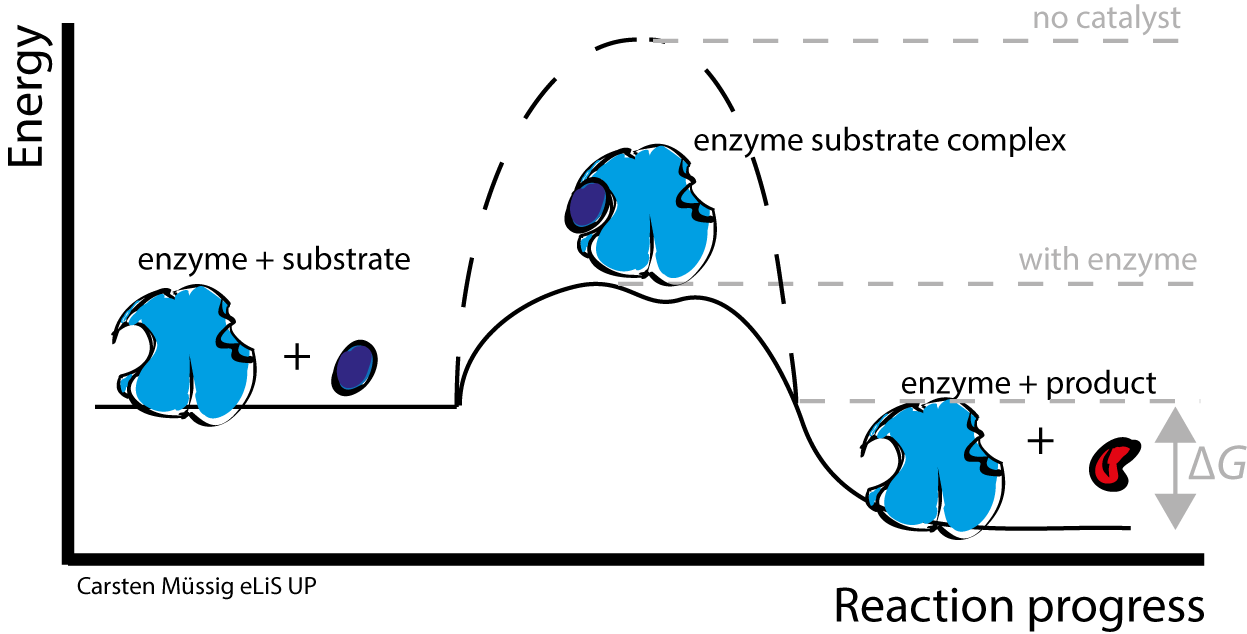
Enzymes are an example of
Lipids
Carbohydrates
Proteins
Nucleic Acids
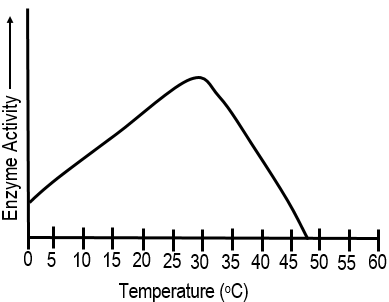
What is the purpose of an enzyme?
to give permission for the reaction
to raise activation energy
to speed up reactions
to control how many reactions occur
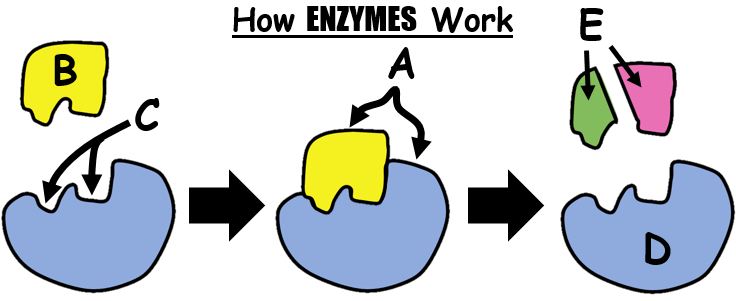
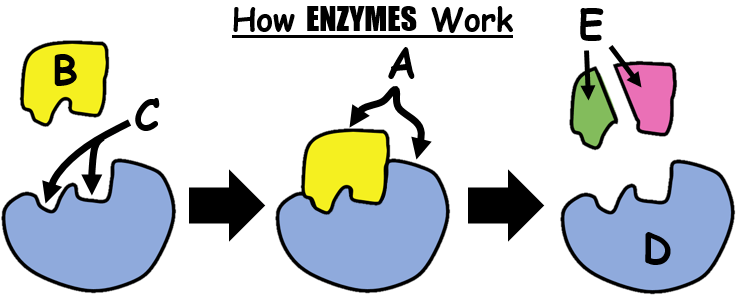
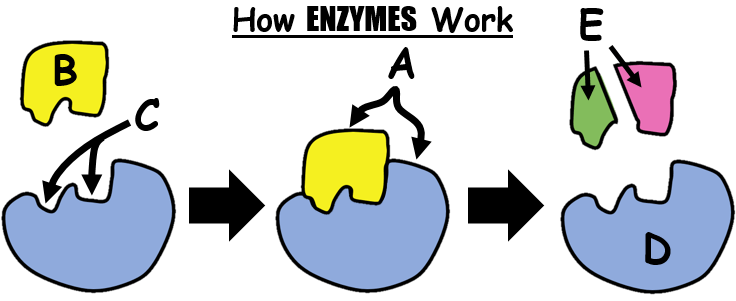
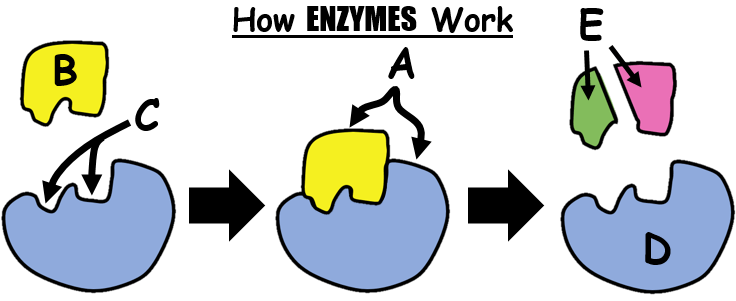
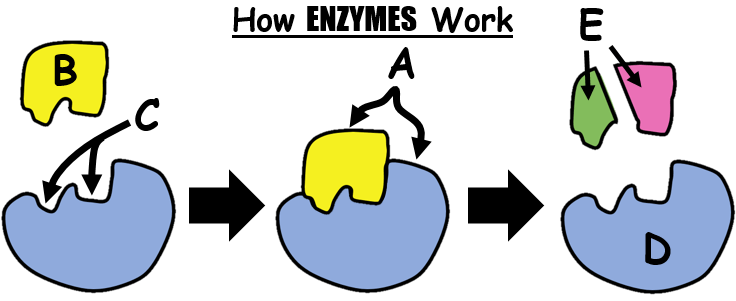
In a chemical reaction, ________ are what you have at the end
Products
Molecules
Reactants
Substances